

Updates from the Health Department

September 9, 2026
Did you know: high blood pressure is one of the most common—and most preventable—threats to our health? High blood pressure, also known as hypertension, is often called the "silent killer" because...

September 1, 2026
September is National Preparedness Month, a chance to take practical steps to get ready for emergencies. By learning local hazards, creating a communication plan, building an emergency kit, preparing for medical needs, and practicing your plan, you c...
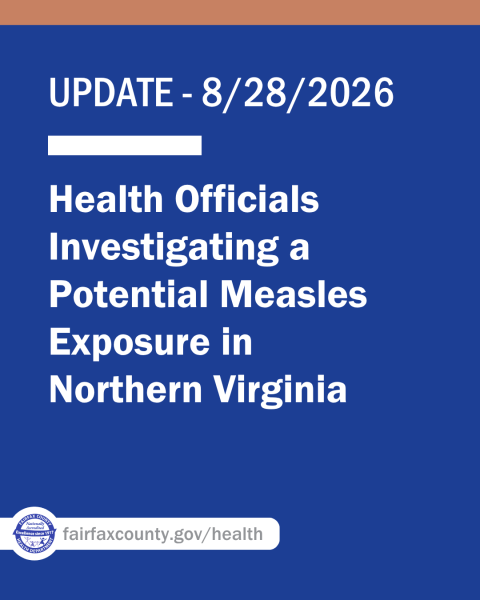
August 28, 2026
From Virginia Department of Health (VDH)The Virginia Department of Health was notified of a confirmed measles case involving a person who traveled through Northern Virginia Sunday, August 16, while infectious. The person is a resident of another stat...
August 18, 2026
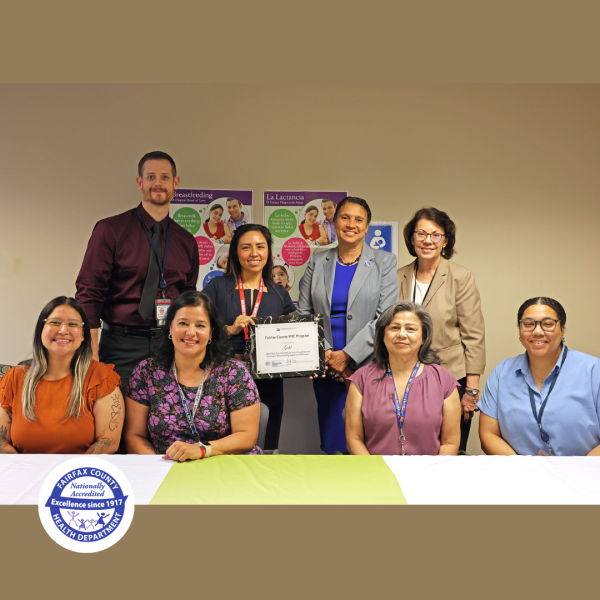
The Fairfax County Health Department’s Women, Infants and Children (WIC) program is the recipient of the U.S. Department of Agriculture’s 2026 Gold Breastfeeding Award of Excellence. The award recognizes Fairfax County’s WIC program for demonst...
Wash Your Hands Often
Mosquito & Tick Bite Prevention
Health Dept. Strategic Plan

Parents: Get your child's immunizations up-to-date!
 Ensuring children are up-to-date on their vaccinations helps provide immunity before they are exposed to potentially life-threatening diseases.
And remember, vaccination it important at all ages. Parents, grandparents, and caregivers, make sure you are up to date, too!