

Updates from the Health Department
October 21, 2026
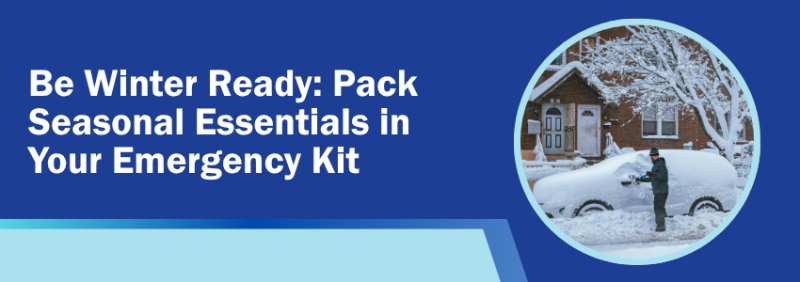
While winter temperatures in the Fairfax Health District are generally getting warmer, freezing temperatures and snowfall remain common over the winter months, especially in January and February. Havi...

October 5, 2026
Now that fall has arrived, respiratory season is here and the number of people getting sick with a respiratory illness is expected to increase. Although germs will be circulating over the next few months, there are many ways to stay healthy and prote...

September 9, 2026
Did you know: high blood pressure is one of the most common—and most preventable—threats to our health? High blood pressure, also known as hypertension, is often called the "silent killer" because it usually has no warning signs or symptoms, but ...

September 1, 2026
September is National Preparedness Month, a chance to take practical steps to get ready for emergencies. By learning local hazards, creating a communication plan, building an emergency kit, preparing for medical needs, and practicing your plan, you c...
Wash Your Hands Often
Mosquito & Tick Bite Prevention
Health Dept. Strategic Plan

Parents: Get your child's immunizations up-to-date!
 Ensuring children are up-to-date on their vaccinations helps provide immunity before they are exposed to potentially life-threatening diseases.
And remember, vaccination it important at all ages. Parents, grandparents, and caregivers, make sure you are up to date, too!