

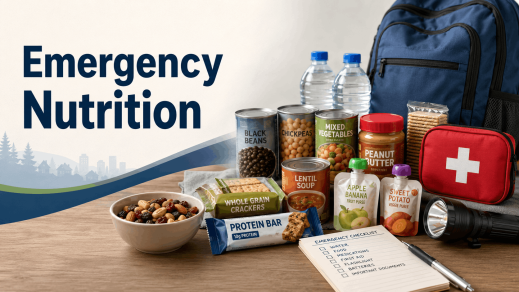
While most people think about fresh vegetables and meal prep, there’s another angle worth considering; how to maintain good nutrition during an emergency.
When disaster strikes, you can’t just run to the grocery store. Your emergency food supply becomes your main source of nutrition. Here’s how to stock your pantry with foods that will keep you healthy and energized when you need it most.
Why Nutrition Matters in Emergencies
During a crisis, your body needs proper fuel. Stress, physical demands and uncertainty all take a toll. The last thing you want is to survive on junk food that leaves you sluggish and weak.
A well-planned emergency pantry includes more than just calories. You need protein, vitamins, minerals and fiber to keep your immune system strong and your energy levels stable.
Building Your Emergency Food Storage
Start with foods that last at least one year without refrigeration. Focus on variety so you don’t end up eating the same thing every day.
Proteins to Stock:
- Canned chicken, tuna and salmon
- Dried beans and lentils (store for years when kept dry)
- Peanut butter and other nut butters
- Canned beans (already cooked and ready to eat)
- Beef jerky and other dried meats
- Protein powder (whey or plant-based)
Whole Grains and Carbohydrates:
- Brown rice (white rice lasts longer, but brown rice has more nutrients)
- Oats (regular or instant)
- Whole wheat pasta
- Quinoa
- Crackers (whole grain varieties)
- Popcorn kernels
Fruits and Vegetables:
- Canned tomatoes, corn, green beans and mixed vegetables
- Dried fruits like raisins, apricots and cranberries
- Canned fruit in juice (not heavy syrup)
- Vegetable juice (low sodium)
- Freeze-dried vegetables and fruits
- Applesauce in shelf-stable containers
Healthy Fats:
- Olive oil and coconut oil
- Nuts and seeds in vacuum-sealed packages
- Canned coconut milk
Dairy Alternatives:
- Powdered milk
- Shelf-stable almond or oat milk
- Canned evaporated milk
Storage Tips for Maximum Freshness
Keep your emergency food in a cool, dark and dry place. Heat and light break down nutrients and shorten shelf life.
Rotate your stock every 6–12 months. Use the oldest items first and replace them with fresh supplies.
Store foods in their original packaging when possible. If you transfer items to other containers, label them with the purchase date and expiration date.
Keep a list of what you have and when it expires. This prevents waste and helps you plan meals.
Planning Balanced Emergency Meals
Think about complete meals, not just individual foods. A can of beans alone won’t cut it. You need variety.
Sample Day of Emergency Meals:
- Breakfast: Oatmeal with dried fruit and powdered milk, plus peanut butter.
- Lunch: Canned tuna with crackers, canned vegetables and dried fruit.
- Dinner: Rice and beans with canned tomatoes and spices, canned fruit.
- Snacks: Trail mix, jerky, granola bars.
Don’t Forget the Extras
Stock up on:
- Multivitamins
- Salt, pepper and other spices
- Honey
- Vinegar and hot sauce
- Cooking oil
- Baking soda and baking powder
Water Is Part of Nutrition Too
You need one gallon of water per person per day. Store at least a two-week supply.
Some emergency foods need water to prepare, so factor this into your storage plan.
Start Small and Build Up
You don’t need to buy everything at once. Add a few items each week. In a few months, you’ll have a solid emergency pantry.
Focus on foods your family already eats.
The Bottom Line
Good nutrition doesn’t stop when the power goes out. With smart planning, your emergency food supply can keep you healthy and strong when it matters most.
Take an hour this week to check your pantry. Make a list of what you need. Then start filling in the gaps.