

Green Buildings
To fulfill the County’s commitment to environmental and sustainable development, green building practices are incorporated in the design and construction of County facilities.
While energy reduction is a major focus in the county’s Operational Energy Strategy, county buildings do more than just reduce energy. They also incorporate water use reduction, waste reduction, low-impact site development, indoor air quality, and environmentally safe materials and sourcing reducing negative impacts on both the environment and building occupants.
Scope
All new construction and major renovations of county facilities over 10,000 square feet are to be designed to comply with the Fairfax County 2021 Operational Energy Strategy.
Green building design elements include:
- High Performance Building Envelope
- Energy Efficient HVAC
- LED Lighting Systems and controls
- Enhanced Indoor Air Quality Strategies
- Low-flow Plumbing Fixtures
- Low Environmental Impact Building Materials
- On-Site Renewable Energy Systems
- Sustainable Sites – Enhanced Stormwater Management
- EV Charging Stations and infrastructure
Sources
Fairfax County 2021 Operational Energy Strategy
Target(s)
All new county government buildings and major renovations over 10,000 square feet are designed and constructed to achieve:
- A minimum of Leadership in Energy and Environmental Design (LEED®) Gold certification
- LEED® is the U.S. Green Building Council's Leadership in Energy and Environmental Design standard
- Meet Net Zero Energy (NZE) standards
- Provide additional 50% energy efficiency over baseline
- Provide all electric equipment and appliances.
Benefits
Reduced carbon emissions, reduced energy and operating costs and improved air quality and occupant comfort.
Progress
2021 – 2024 Building Projects (Pre-Operational Energy Strategy Design Target Projects)
| LEED® Gold or Better | % Energy Use Reduction | % Water Use Reduction | kWh Renewable Energy Generation |
|---|---|---|---|
| 42% | 32% | 36% | 1,251,597 |
The Table shows information for LEED® Gold or better green buildings that were completed in years 2021 through 2024. While these completed projects pre-dated the 2021 Operational Energy Strategy (OES) design target of LEED® Gold and 50% energy efficiency (projects in design prior to 2021), the information demonstrates DPWES’ commitment to sustainable design practices.
To date 49 projects achieved LEED certification:
- 1 - LEED Platinum
- 21- LEED Gold
- 26 – LEED Silver
- 1 – LEED Certified
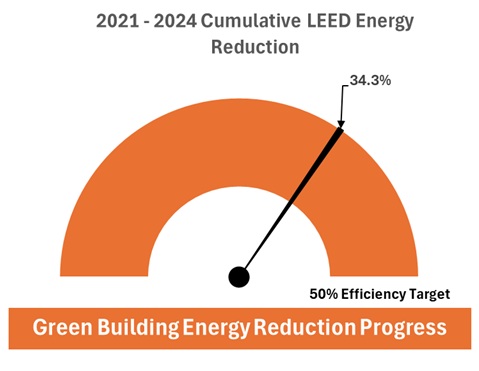
Leed energy use reduction chart
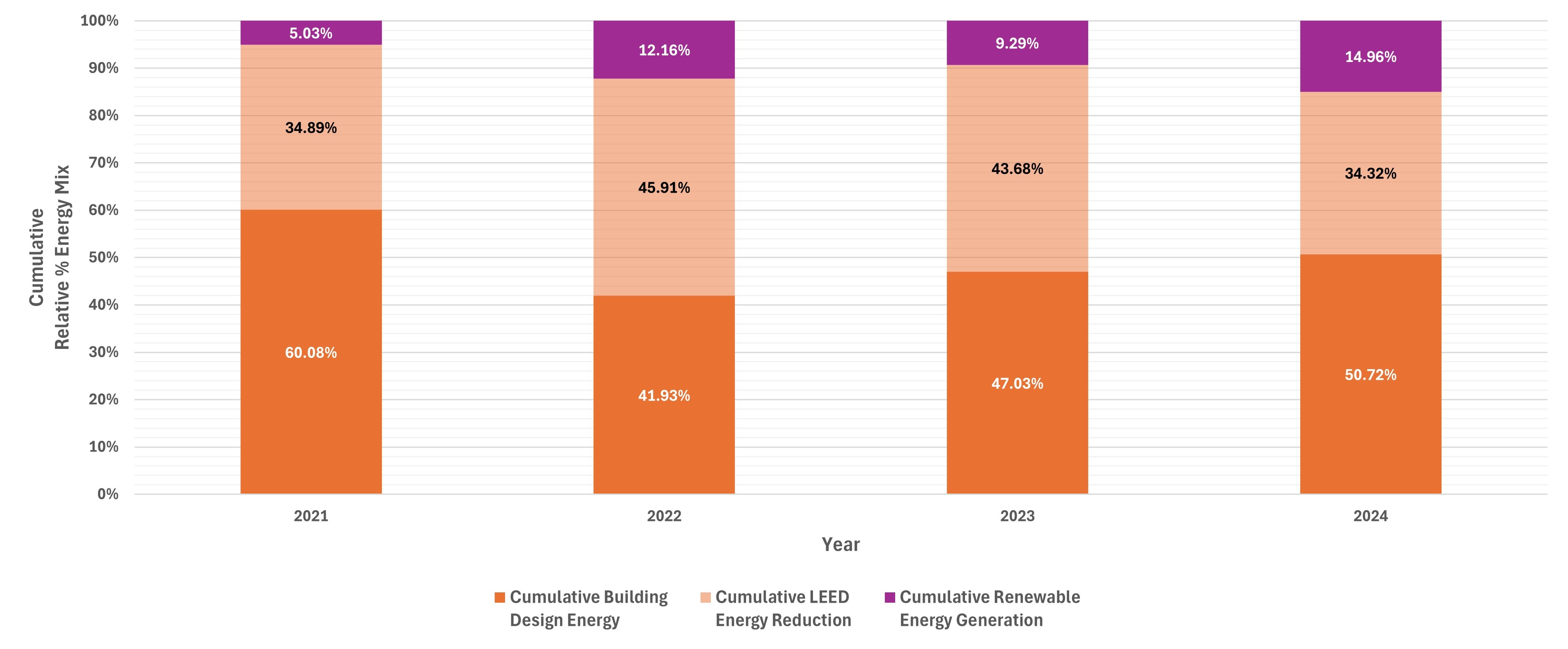
Cumulative energy profile
Click on figures to enlarge.
Highlights
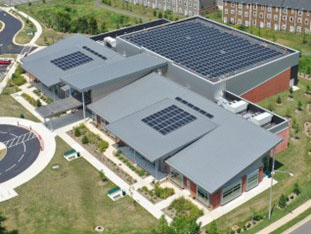
Incorporating photovoltaic (PV) solar panels into County projects not only supports our efforts to achieve LEED certification but also advances the County’s goals of reducing energy consumption, lowering carbon emissions, and improving air quality thereby designing buildings that are environmentally responsible.
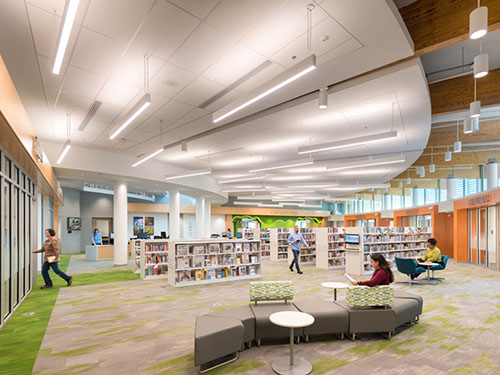
An important aspect of achieving LEED certification is the use of energy-efficient lighting systems. With Light-Emitting Diodes (LEDs) are essential component for a project to achieve LEED certification and reduce energy consumption.
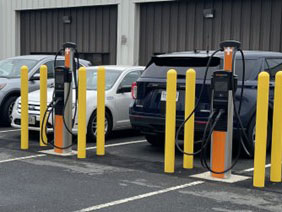
Fairfax County is paving the way for the transition from gasoline- and diesel-powered vehicles to hybrid-electric and electric vehicles (EVs). The Operational Energy Strategy (OES) supports this transition with the installation of EV charging stations being a focus area of the OES.
To date ____, have been installed in major county facilities and parking garages. Charging stations located in county-owned parking lots and publicly accessible garages throughout the county and are available for use by the public as well as county employees.
Green Infrastructure
In addition to the LEED® “vertical” green building design standard, DPWES also encourages Envision® design standard for “horizontal” or non-building green infrastructure projects. The purpose of Envision® is to foster a dramatic and necessary improvement in the sustainable performance and resiliency of infrastructure. For example, DPWES received an Envision Gold award for sustainability for a Disinfection Improvement Project at the Noman M. Cole Jr. Water Recycling Facility’s Ultraviolet Disinfection facility.
Fairfax County’s Disinfection Improvements project went above and beyond to deliver improvements in the social, economic, and environmental conditions of its community.
The project’s performance addressed a wide range of indicators including: community, quality of life, management, planning, materials, energy, water, environmental impacts, emissions, and resilience.
Scope
Select new construction and major renovations of DPWES projects and facilities are to be designed for improved energy and water efficiency, viability and resilience, natural resources protection, and reduced carbon emissions.
Sources
Internal DPWES Policy
Target(s)
Select new or renovated county government non-building green infrastructure projects are designed and constructed to achieve the Envision® standard.
Benefits
Energy and water efficiency, long-term viability and resilience, natural resources protection, improved indoor environmental quality, cost savings and efficiency, reduced negative impacts to communities and ecosystems, and reduced carbon emissions.
Progress
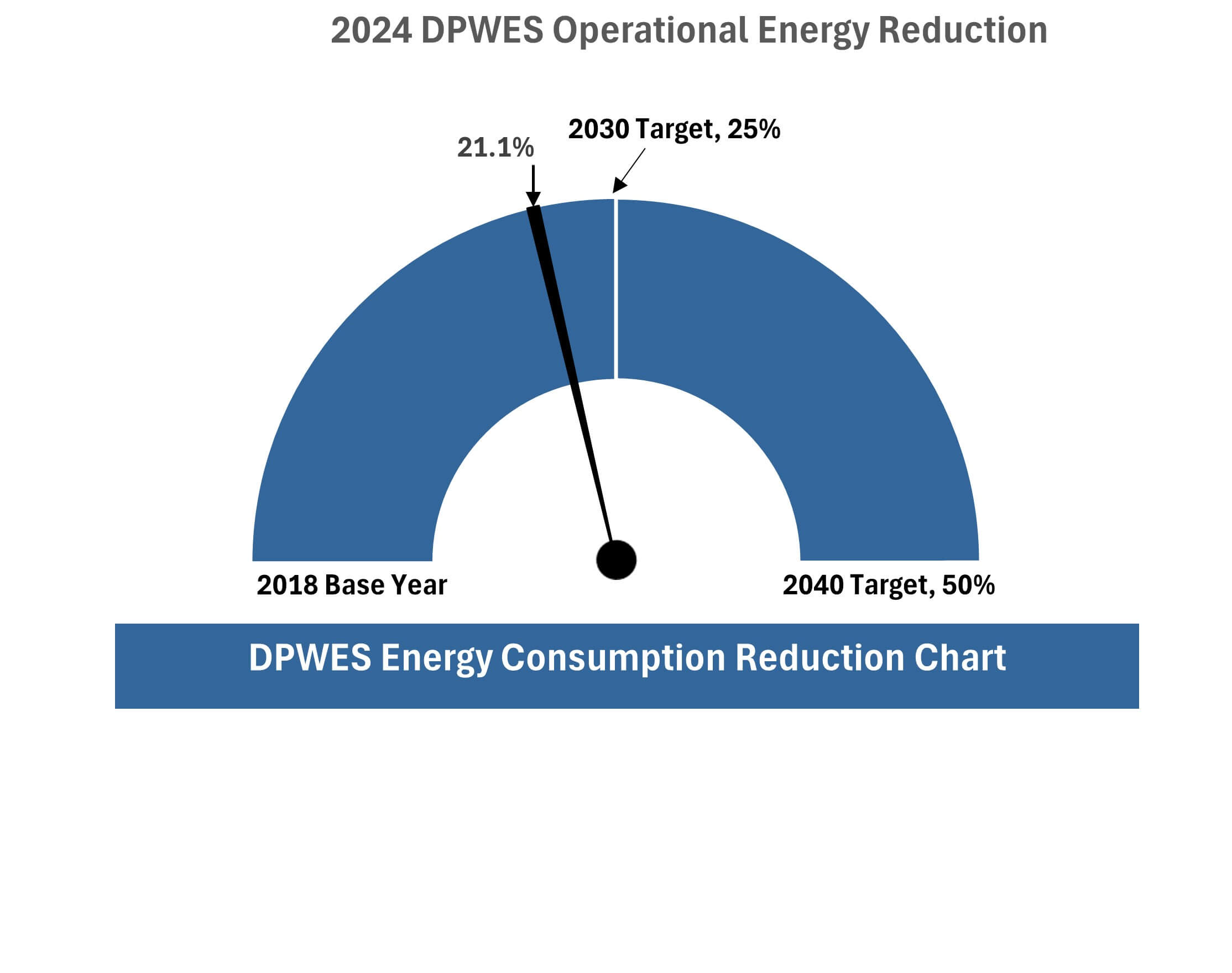
Energy use reduction chart
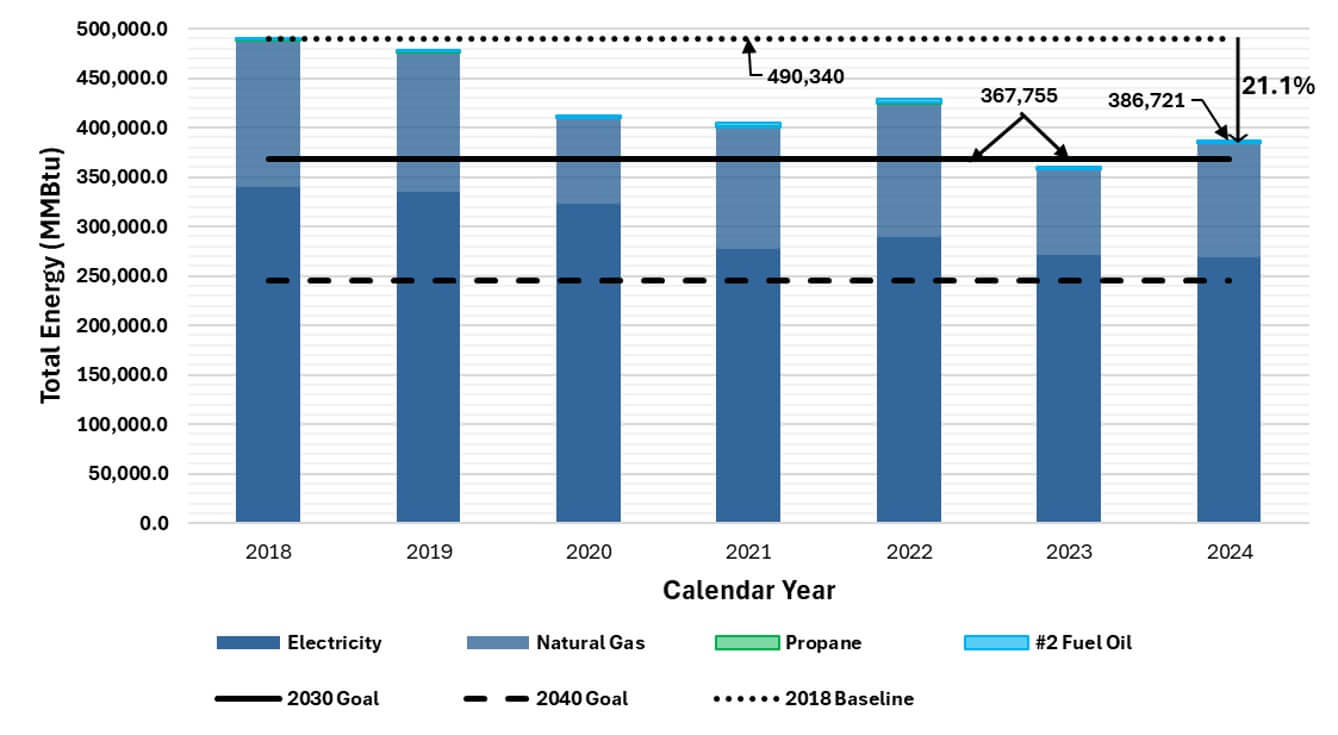
Energy use reduction progress
Click on images to enlarge.