


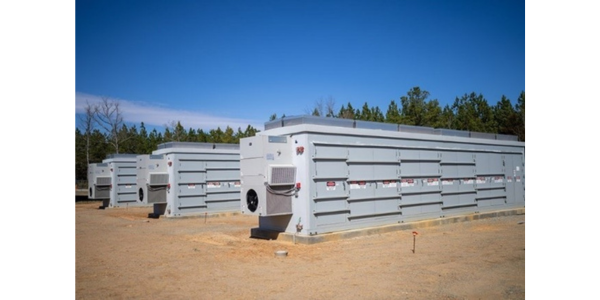
At its March 17 meeting, the Board of Supervisors approved a Zoning Ordinance amendment that establishes new regulations for large-scale Battery Energy Storage Systems (BESS). The action supports the county’s goals to strengthen the electrical grid, expand clean energy options and reduce carbon emissions over time.
BESS facilities use rechargeable batteries to store energy from sources such as the electrical grid and renewable power like solar and wind. The stored energy can then be released when it is needed most, including during peak demand or power outages.
By storing and delivering energy when demand is high, these systems can help reduce energy waste and improve the efficiency of the power grid. Over time, the technology may also help lower electricity costs for customers.
Supporting Clean Energy Goals
The amendment aligns with the 2020 Virginia Clean Economy Act, which requires the state’s largest investor-owned utilities to reach 100 percent carbon-free energy by 2050. Battery storage systems are expected to play an important role in helping the region transition to a cleaner and more resilient energy system.
New Rules for Safety and Compatibility
The zoning amendment adds large-scale BESS as a new use within the county’s existing Light Utility Facility category and creates a new definition for the technology. Facilities will require special exception approval and must follow several safety and design standards, including:
- Specific setbacks from nearby properties
- Enhanced screening to reduce visual impacts
- Emergency operations planning
- Decommissioning plans backed by financial security
- Compliance with national fire safety and battery testing standards
These measures are designed to ensure the systems operate safely and fit well with nearby land uses.
Where Systems Can Be Located
The amendment also clarifies where large-scale battery storage systems may be considered. They are allowed with a special exception or if shown on an approved development plan (planned districts) in:
- Commercial zoning districts
- Industrial zoning districts
- Certain planned districts
The facilities are not permitted in residential districts unless they are located with an electrical substation or solar power facility and approved by special exception. They also remain prohibited in the R-A and I-I districts.
These location standards help ensure projects are placed in appropriate areas while still allowing new technology that supports energy reliability and innovation.
For more information about the Battery Energy Storage Systems zoning amendment, visit the Department of Planning and Development webpage.
 SIGN UP FOR DAILY EMAIL HEADLINES