


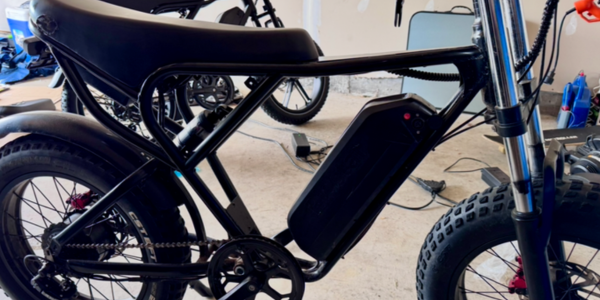
If you’ve noticed more electric bikes along our trails, neighborhoods and at Capital Bikeshare stations, you’re not imagining it.
E‑bikes have become one of the most popular ways to get around our county. These battery‑assisted bicycles make it easier to climb hills, carry groceries, and take longer or more frequent trips without breaking a sweat. E‑bikes can also replace short car trips, the ones that often cause the most congestion. That’s good for the environment.
Of course, more people on e-bikes, regular bikes or simply walking can make navigating our streets a little more challenging. The tips and rules below aim to help!
Understanding the Three Classes of E‑Bikes
Virginia groups e‑bikes into three categories. Vehicles exceeding these specifications are classified as mopeds or motorcycles.
- Class 1: Pedal‑assist only, up to 20 mph
- Class 2: Throttle available (no pedaling required), up to 20 mph
- Class 3: Pedal‑assist, up to 28 mph
Important rules:
- Class 3 riders must be at least 14 years old
- Riders and passengers on Class 3 bikes must wear a helmet
- Motors must be 750 watts (1 horsepower) or less
- No driver’s license, registration or license plates are required
Where You Can Ride
E‑bikes are generally allowed anywhere traditional bikes are permitted unless signs say otherwise. In most areas, that includes sidewalks.
Riders should:
- Stop before entering streets
- Use hand signals when safe
- Yield to pedestrians and give an audible signal when passing
- Follow posted trail rules
- Use crosswalks with care
A Shared Road: What Drivers Should Know
As e‑bikes become more common, drivers are encountering them more frequently, sometimes in ways that feel sudden or unpredictable. Many e‑bikes can accelerate quickly, and younger or newer riders may not always be experienced in road traffic.
A few reminders can help everyone stay safe; these align with our Take a Moment campaign for drivers, bikers and pedestrians:
- Crosswalk rules
Drivers must stop for cyclists in crosswalks, just as they would for pedestrians.
- Expect higher speeds
E‑bikes can travel faster than traditional bikes, especially downhill or on straightaways. Give more space when turning, merging or passing.
- Check blind spots carefully
Because e‑bikes can appear faster than expected, an extra glance before changing lanes or opening a car door can prevent close calls.
- Follow the three‑foot passing law
Virginia requires drivers to give at least three feet of space when passing any bicycle or e‑bike.
- Be especially cautious around teens
While teens 14 and older can operate certain e‑bikes, they may still be learning safe riding habits. Patience helps keep everyone safe.
E-Bikes in Parks
Riders are expected to follow the same rules regarding access to the parks as other visitors. Please observe the established hours of operation and any posted signage.
As a matter of law, the Park Authority cannot regulate the use of these devices within the parks. If you see any device operating in an unsafe or reckless manner, please call the Police Department at 703-691-2131.
Battery Safety
With more e‑bikes and e‑scooters in homes, battery safety is essential. Lithium‑ion batteries (like those used in phones, laptops, and electric vehicles) can pose fire risks if damaged or improperly charged.
Charging tips:
- Use the charger made for your device
- Don’t charge overnight or unattended
- Unplug once fully charged
- Charge only one device at a time
- Avoid extreme heat or cold
Expanding Bikeshare Usage
Over the past three years, our Department of Transportation has added 260 e‑bikes to the Capital Bikeshare system. While that’s just 17 percent of our fleet, these bikes now account for nearly half (49 percent) of all trips, a clear sign riders want them.
 SIGN UP FOR DAILY EMAIL HEADLINES