
Even the smallest creature can make a big impact.
Bats are more than just a cool animal to look at. They’re an essential part of our ecosystem, keeping insect species in check, with some studies even showing they are preying on invasive spotted lanternflies. For the most part, bats prefer to keep to themselves and live their lives human-free. Unfortunately, life doesn’t always go as planned.
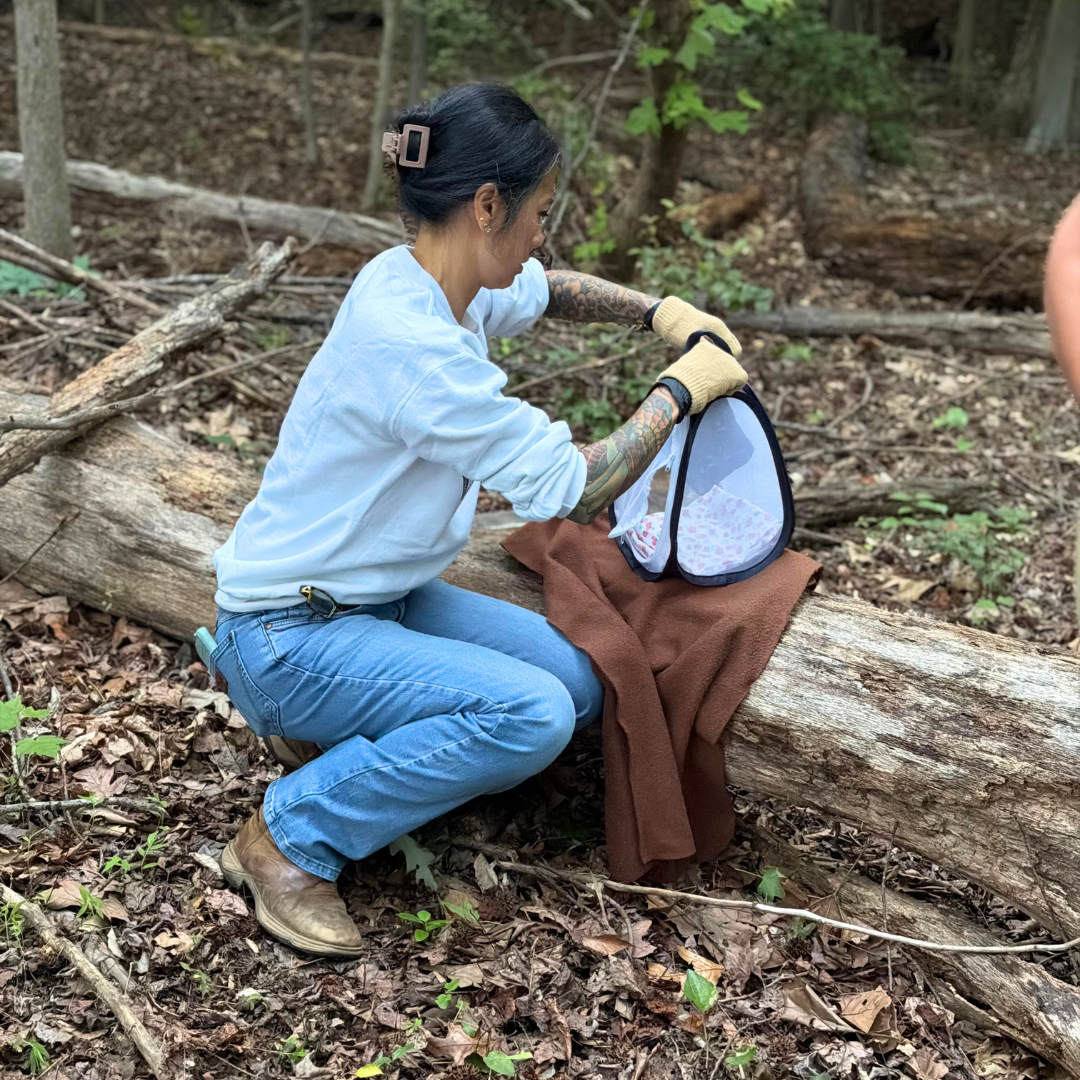
This bat mom and her pup thought they had found the perfect dark, cozy spot for a nap. Their slumber was cut short when the homeowner opened the umbrella to get some backyard shade, giving everyone a mutual surprise. Both bats fell to the ground while the rest of their colony flew away.
Bats are fragile and easily injured, particularly young pups. Realizing the bats were in trouble, the finder called for help, and one of our Animal Services Officers arrived on the scene right away. The bats were transported to the Bat Conservation and Rescue of Virginia, where they were assessed for injury and illness. These bats were identified as northern long‑eared bats, one of Virginia’s rarest species.
Northern long-eared bats are classified as a state and federally endangered species. Northern long-eared bats are listed due to significant population declines across the species range primarily resulting from a fungal disease called White Nose Syndrome. Protection of hibernation sites (hibernacula) and maternity roosts, and use of sustainable forestry practices are measures that can be taken to promote conservation of northern long-eared bat populations and their habitats.
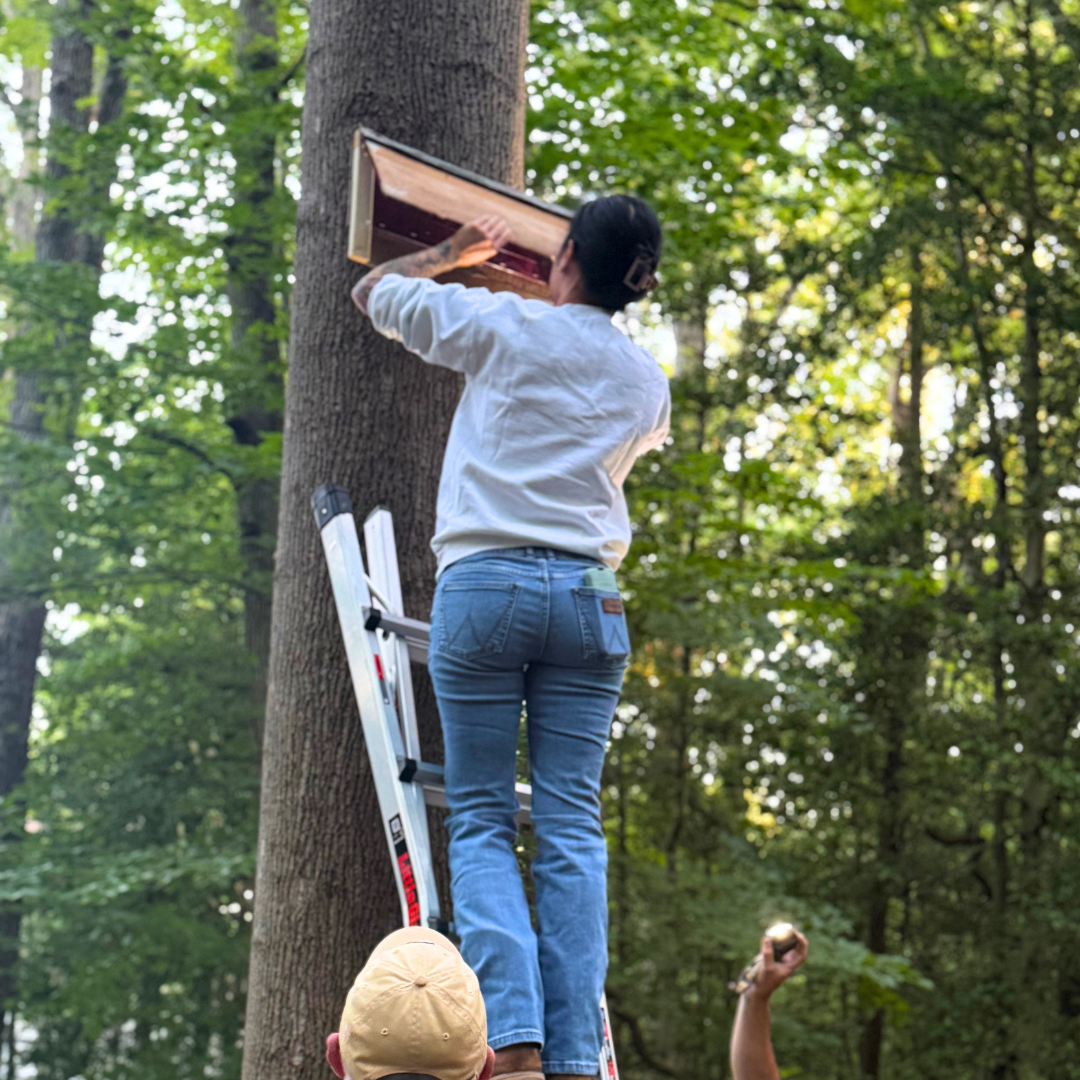
We’re fortunate to work alongside partners like them, whose licensed rehabilitators give injured and orphaned wildlife a second chance every day and play a real role in conserving species that need it most. Thankfully, both bats were unharmed and cleared to be released back into the wild!
Help us keep our wildlife safe! If you encounter a bat in your home or a lost or injured bat, do not attempt to touch or move them. Even the best of intentions can unintentionally cause harm to the animal. Bats are also a rabies vector species in Virginia, and once a person or pet has had contact with one, that bat often cannot be returned to the wild. For a species already in decline, every bat matters. Keeping your distance and calling for help is the best way to make sure these animals get a second chance.
Call the Fairfax County non-emergency line at 703-691-2131 and let us take it from there.