

Alert:
| Title | Body | Field Image | Authored on |
|---|---|---|---|
| Drop-In Interviews for Seasonal Jobs Begin at Burke Lake Park! |
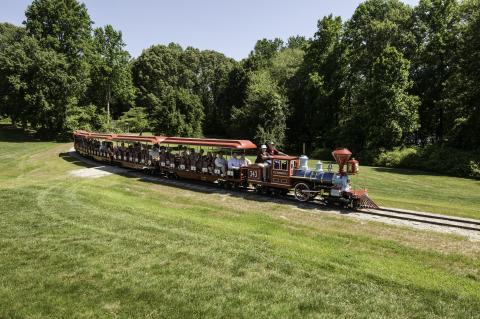
Available positions include:
Can’t make it to the Drop-In interviews? No worries! View job ads and apply now for open positions by visiting the Burke Lake Jobs webpage. View all employment opportunities with FCPA by visiting our Jobs website. Burke Lake Park is located at 7315 Ox Road in Fairfax Station. For more information, visit the Burke Lake Park website or call 703-323-6600. For more information about employment, contact the Park Authority at FCPAJOBS@fairfaxcounty.gov or call 703-324-8792. |
|
{{ f00UTCThursday31_Z000000bThursday000012310000ZThursdaypm2531pm31UTC }} |
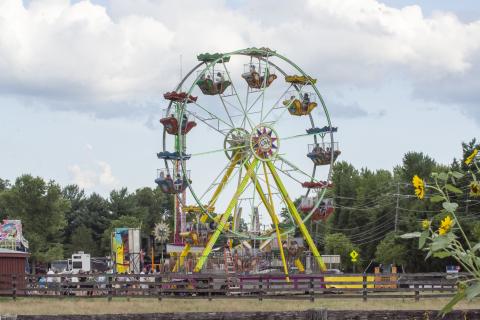
| Life’s a Party at the Fairfax County Carnival and Fair! |
Event HoursThursday, July 31
Friday, Aug. 1
Saturday, Aug. 2
Sunday, Aug. 3
Please note: The carnival will pause daily from 4–5 p.m. A $10 parking fee applies on Friday (after 4 p.m.) and all day on Saturday and Sunday. Cash and credit are accepted. Carnival rides require tickets which can be purchased online or on site. Unlimited ride wristbands for Thursday and Friday are available for purchase: $21.25 per person (prepay online) or $25 per person at the gate between 10 a.m. and 3 p.m. Wristbands are good for one day. Please note that an additional convenience fee will be applied to credit/debit transactions. For ticketing details, visit the Fairfax County Carnival and Fair website. The 4-H Fair takes place Saturday and Sunday. Currently in its 75th year, the event showcases Fairfax County youth achievements in agriculture, STEM, healthy living and civic engagement through hands-on exhibits, competitions and interactive activities. "We’re excited to celebrate the 75th anniversary of Fairfax County’s 4-H Fair, honoring decades of positive youth development and accomplishments," said India Pearson, 4-H Extension Agent for Fairfax County. “This milestone is a tribute to the talent, dedication and future leadership of our youth here in Fairfax County.” Visit the 4-H Fair Digital Guide for the full schedule of events To learn more about the Virginia Cooperative Extension’s 4-H program, check out Fairfax County’s 4-H website. “At its heart, the Fairfax County Carnival and Fair is about bringing people together,” said Jai Cole, executive director of the Fairfax County Park Authority. “Through our strong partnerships and community support, this event offers a vibrant space where families can enjoy classic fair fun, explore local resources, and build lasting memories. We’re grateful to all the sponsors and organizations who help make this annual tradition possible.” Frying Pan Farm Park is located at 2709 West Ox Road, Herndon. For more information, visit the Frying Pan Farm Park website or call 703-437-9101. The Fairfax County Carnival and Fair is provided through a partnership with the Fairfax County Park Authority, Department of Neighborhood and Community Services, the Fairfax County Office of Virginia Cooperative Extension, the Fairfax County Park Foundation and the Friends of Frying Pan Farm Park. |
|
{{ f00UTCFriday25_Z000000bFriday000012250000ZFridaypm2525pm31UTC }} |
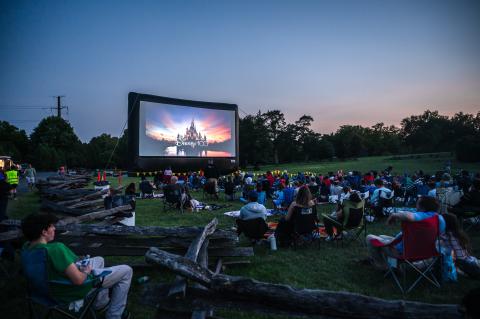
| Set Your GPS for the Drive-In Theater – Starlight Cinema |
View the big screen from your car or bring chairs and picnic blankets to watch from the lawn. Gates open at 6 p.m., be sure to arrive early to secure an ideal viewing spot. Catch the pre-show, live children’s entertainment at 7 p.m. Then, sit back and enjoy a feature film after dark. School supplies donations will be accepted at all Starlight Cinema events, learn more at by visiting the Starlight Cinema webpage. The rain date will be Saturday, Aug. 30. Additional details in case of cancellations can be found by visiting the Summer Entertainment Series website. This season’s Starlight Cinema brings an all-new lineup of movies:
Explore the entire 2025 Summer Entertainment Series schedule at by visiting the Summer Entertainment Series website. Sign up for updates about the upcoming schedule by subscribing to the Summer Concert Series e-news. Performances are held outdoors — lawn chairs welcome. In the event of inclement weather, cancellations are posted online or call the hotline at 571-202-SHOW (7469) one hour before showtime. The Summer Entertainment Series performances are presented in partnership with the Fairfax County Board of Supervisors, the Fairfax County Park Foundation, and the invaluable support of individuals, businesses, corporations and volunteers who contribute to the success of these entertainment series. The Summer Entertainment Series is sponsored by the Fairfax County Park Foundation. The Fairfax County Park Foundation, a 501(c)(3), supports the Fairfax County Park Authority by raising private funds, obtaining grants, and creating partnerships that supplement tax dollars to meet our community’s needs for park land, facilities, and services. Visit the Fairfax County Park Foundation website for more information or call 703-324-8582. |
|
{{ f00UTCThursday24_Z000000bThursday000012240000ZThursdaypm2524pm31UTC }} |
| Make Un-fore-gettable Memories This August |
Junior golfers can enjoy FREE PLAY at select courses and times this month:
The celebration doesn’t stop there! Discover more ways to play and save:
The Fairfax County Park Authority owns and operates seven golf courses throughout Fairfax County. For more information about Family Golf and Junior Golf Fairfax, visit the Junior Golf Fairfax webpage. |

|
{{ f00UTCThursday24_Z000000bThursday000012240000ZThursdaypm2524pm31UTC }} |
| Fall Adventures Await with FCPA Classes and Camps |
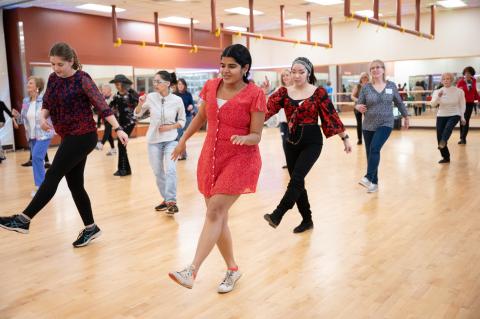
Class in SessionCapture some of the season’s finest adventures by signing up for classes. Choose from numerous opportunities for every interest at any age. A sampling of these opportunities include:
Registration for FCPA classes opens Tuesday, July 29 at 9 a.m. Don’t wait, explore the full lineup today at by visiting the Parktakes website. Register by Aug. 8 and save $8. Fall for CampsFCPA fall camps promise enriching experiences for kids of all ages. Whenever public school closes, parents can select from camps to keep their children engaged in everything from performing arts to outdoor exploration to scientific experimentation to cooking to sports, such as soccer, tennis, football and basketball. Fall camps will be held:
Explore a new hobby, meet friends and make memories at camp. Learn more by visiting the Camps website. |
|
{{ f00UTCThursday24_Z000000bThursday000012240000ZThursdaypm2524pm31UTC }} |
| Jingle Into July with Christmas Themed Family Skate and Dance Night |
Watch as Franconia Rec Center’s gym transforms into a festive holiday wonderland for this event. Put on those skates or dance to a variety of music played by the guest DJ. Sing along to holiday classics as you embrace the holiday spirit during the summer. Tickets cost $10 for everyone (skaters, dancers, spectators and chaperones) — purchase in advance online or at the door. Register for Family Skate Night - Christmas in July Remember to bring your own skates. Refreshments available for purchase. Please note that outside food and drinks are not permitted. Patrons can find Skate and Dance Night parking in the lower parking lot by driving past the front of the Rec Center and parking in the lot to the right. Enter the event by the gym doors located near to the parking lot. Skate nights now can be booked for private parties to celebrate birthdays or other events. Call 703-922-9841 to inquire. Franconia Rec Center is located at 6601 Telegraph Road, Alexandria. For more information, visit the Franconia Rec Center website or call 703-922-9841. |

|
{{ f00UTCThursday17_Z000000bThursday000012170000ZThursdaypm2517pm31UTC }} |
| Discover the History of Fairfax County at Historic Oak Hill |
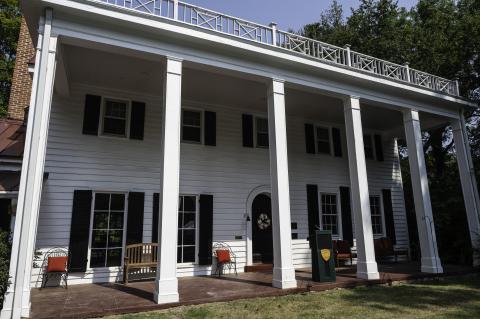
Built in 1790 by Richard Fitzhugh, a descendant of one of the first land-grant holders in Northern Virginia, the late Georgian style house was renovated in the Colonial Revival style during the 1940s by renowned restoration architect Walter M. Macomber. In 2004, Seville Homes, the Northern Virginia Conservation Trust, the Fairfax County Park Authority and the Fairfax County Board of Supervisors agreed to a historic and conservation easement to preserve the property, including its 200-year-old boxwoods. Please note that Oak Hill is a private residence and is only available for public access during this annual open house. Visitors are encouraged to carpool and utilize parking on the residential streets adjacent to Oak Hill. The Oak Hill Open House is made possible in partnership with the Fairfax County Board of Supervisors, Fairfax County Park Foundation and Northern Virginia Conservation Trust. For more information about Oak Hill and this year's open house, please visit the Oak Hill website. The Fairfax County Park Foundation is a nonprofit 501(c)(3), that provides funds, obtains grants, and creates partnerships that supplement tax dollars to meet the needs of the Fairfax County park land, facilities and services. For more information about the Foundation, visit the foundation’s website or call 703-324-8582. |
|
{{ f00UTCThursday17_Z000000bThursday000012170000ZThursdaypm2517pm31UTC }} |
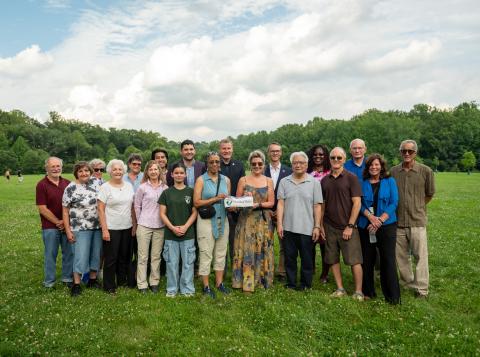
| Fairfax County Honors 2025 Park Authority Outstanding Volunteers and Issues Proclamation Celebrating National Park and Recreation Month at Evening on the Ellipse | On Thursday, July 10, the Fairfax County Government Center Ellipse came alive with music, gratitude, and community spirit during the Evening on the Ellipse celebration recognizing the 2025 Outstanding Volunteers and officially proclaiming July as National Park and Recreation Month in Fairfax County. As part of the county’s Summer Entertainment concert series, the evening featured a special proclamation presentation by Fairfax County Board of Supervisors Chairman Jeffrey C. McKay and Braddock District Supervisor James Walkinshaw. The proclamation affirms the critical role that parks and recreation play in the physical and mental wellbeing of residents, as well as in strengthening neighborhoods, conserving natural resources and building a sense of belonging throughout the county. The event also honored 20 individuals named 2025 Outstanding Volunteers, who were recognized for their exceptional service to the Fairfax County Park Authority. These volunteers contribute in countless ways, from leading nature programs and managing farmers markets to restoring habitats, caring for animals, supporting concerts and mentoring young swimmers. Their dedication represents the backbone of Fairfax County’s robust park system. Read more about this year’s honorees in our previous news release. "Let me share a few quick numbers that speak volumes about your impact," Park Authority Board Chair Kiel Stone said. "In fiscal year 2025 alone, more than 10,300 volunteers gave over 116,000 hours of their time to our parks. That’s equivalent to $3.88 million in donated time and talent. That’s extraordinary. But beyond the numbers, our volunteers are educators, helpers, stewards and community builders. You are the heart of our parks and we are endlessly grateful." The celebration was made even more special by the participation of Neighborhood and Community Services, McLean Community Center and Reston Community Center, partners that help shape the vibrant, inclusive and expansive park and recreation network that residents enjoy countywide. Fairfax County will continue celebrating National Park and Recreation Month throughout July with special events, programs and community engagement opportunities. To learn more about how to get involved and celebrate with us, visit the Park and Recreation Month webpage. For questions or more information, contact parkmail@fairfaxcounty.gov. |
|
{{ f00UTCThursday17_Z000000bThursday000012170000ZThursdaypm2517pm31UTC }} |
| Ditch the Plastic and Celebrate Plastic Free July at FCPA Farmers Markets! |
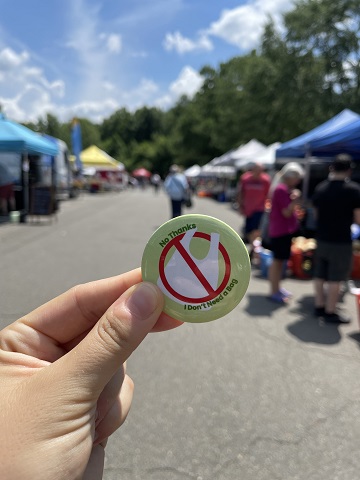
Each year, it’s estimated that FCPA Farmers Markets alone contribute over half a million plastic bags to the environment. Most of these bags can’t be recycled curbside and end up in landfills—or worse, polluting our parks, streams and forests. As part of our commitment to sustainability, FCPA Farmers Markets have already taken a major step forward. This season, vendors have traded in plastic for compostable bags. It’s a step in the right direction—but compostable still means single-use. To truly protect our environment, we need your help in going reusable! This July, we’re turning up the volume on eco-action. Visit your local FCPA Farmers Market for:
Plastic pollution affects every corner of our world—from forests to waterways. By choosing reusables, you’re helping keep Fairfax County clean, healthy and thriving. Let’s lead by example. Join us at the markets and take the Plastic Free July pledge to reduce waste, protect nature and build a sustainable future—one bag at a time! For more information, visit the Farmers Market website.
|
|
{{ f00UTCThursday10_Z000000bThursday000012100000ZThursdaypm2510pm31UTC }} |
| Satisfy Your Sweet Tooth During National Ice Cream Month |
Visit the Burke Lake Ice Cream ParlorSwing by the Burke Lake Ice Cream Parlor for a well-earned cool down after a round of mini golf or a ride on the train. Located near the playground, this fan-favorite spot offers a selection of frozen treats, drinks, and snacks for all ages. Open Saturdays and Sundays, 11 a.m.–6 p.m. Ice Cream–Themed Programs and EventsCelebrate the creamy goodness of National Ice Cream Month with hands-on programs that will have everyone screaming for ice cream! Whether you’re churning your own or enjoying a scoop while playing old-fashioned games, these programs promise a deliciously good time:
|

|
{{ f00UTCThursday10_Z000000bThursday000012100000ZThursdaypm2510pm31UTC }} |
 Take a tour of historic Oak Hill, one of the oldest homes in Fairfax County, on Saturday, Sept. 20, from 10 a.m. to 1 p.m. This annual open house provides an opportunity to go back in time and rediscover our community roots. Oak Hill Manor is located at 4716 Wakefield Chapel Road in Annandale.