

Fairfax County, Virginia
Fairfax County Virginia

FFX Global Navigation

    • Department Homepage
    • Wildlife Diseases
    • Wildlife Management
      • Deer Management
      • Geese Management
      • Injured and Orphaned Wildlife
    • Wildlife Species
      • Amphibians
      • Fish
      • Reptiles
  • Residents
    • Animals & Pets
      • Adoptions
      • Animal Control & Regulations
      • Guide to Dogs
      • Lost & Found Pets
      • Shelter Support & Supplies
      • Wildlife
      • More
      Courts & Legal
      • Case Information
      • Circuit Court Docket
      • Jury Duty
      • Land Records
      • Magistrate
      • Public Law Library
      • Self-Help Resources
      • Traffic Court
      • Vital Records
      • More
      Environment & Energy
      • Invasive Species
      • Litter
      • Recycle, Trash & Compost
      • Sustain Fairfax
      • Trees
      • Watersheds
      • More
      Health & Human Services
      • Basic Needs & Assistance
      • Disability Services
      • Diseases & Conditions
      • Domestic & Sexual Violence
      • Health Clinics
      • Mental Health
      • Opioids
      • More
      Individuals & Families
      • Children & Youth
      • Federal Workforce
      • Immigrants
      • Military & Veterans
      • New Residents
      • Older Adults
      • Parents
      • People with Disabilities
      • Volunteers
      • More
      Land Use & Planning
      • Comprehensive Plan
      • County Capital Projects
      • Land Records
      • Parks Planning
      • Planning Projects
      • Research Tools
      • Transportation Projects
      • Urban Centers
      • More
      Library & Education
      • Adult Education
      • Early Childhood Programs
      • Library Branches
      • Library Catalog Search
      • Public Schools
      • More
      Parks & Recreation
      • Arts
      • Athletic Fields
      • Camps
      • Community Centers
      • Parktakes Classes
      • Rec Centers
      • Senior Centers
      • Teen Centers
      • Trails
      • More
      Permits & Licenses
      • Birth & Death Certificates
      • Building
      • Child Care
      • Dogs
      • Health
      • Marriage
      • Park Use
      • Solicitors
      • More
      Property & Housing
      • Affordable Housing
      • Code & Zoning
      • Neighborhoods
      • Real Estate Values
      • Recycling & Trash
      • Tenant Landlord Issues
      • Utilities
      • More
      Public Safety & Emergencies
      • 9-1-1
      • Emergency Preparedness
      • Fire & Rescue
      • Gun Violence Prevention
      • Police
      • Scams
      • Sheriff
      • Storm Center
      • More
      Roads & Commuting
      • Bike & Walk
      • Connector Bus
      • Metrobus & Metrorail
      • Park & Ride
      • Pedestrian Safety
      • Road Maintenance/VDOT
      • Street Parking
      • Toll Roads
      • Transportation Projects
      • More
      Taxes & Fees
      • Car Taxes
      • Park Fees
      • Real Estate Taxes
      • Tax Relief
      • Trash Disposal Fees
      • More
      Voting & Elections
      • Absentee Voting
      • Early Voting
      • Election Results
      • Polling Places
      • Voter Registration
      • More
      Weather & Climate
      • Air Quality
      • Climate Action Dashboard
      • Extreme Heat
      • Floods
      • Ready Fairfax
      • Resilient Fairfax
      • Snow
      • Tornadoes
      • More
  • Business
    • Business & Construction
      • Building Permits
      • Code & Zoning
      • Land Use
      • More
      Business Services
      • Business Emergency Preparedness
      • Business Taxes
      • Consumer Services
      • Employer Transportation Service
      • Green Business Partners Program
      • Home-Based Business
      • Regulation & Licensing
      • Small Business
      • Starting a Business
      • Workplace Issues
      • More
      Doing Business with Fairfax
      • Contracting and Procurement
      • Current Solicitations
      • Permits
      • Vendor Pitch Portal
      • More
  • Government
    • About
      • Codes & Standards
      • Countywide Strategic Plan
      • Facilities & Locations
      • History of Fairfax County
      • Operating Status
      • More
      Board of Supervisors
      • Auditor
      • Board Members
      • Boards, Authorities & Commissions
      • Clerk Services
      • Committees
      • Meetings & Agendas
      • More
      Budget & Finance
      • Bonds
      • Budget
      • Financial Transparency
      • Unclaimed Money
      • More
      Departments & Agencies
      Jobs & Employment
      • Full-Time Openings
      • Internships
      • Seasonal & Non-Merit
      Maps & Data
      • Countywide Data Analytics
      • Demographics
      • Geographic Information Systems
      • Interactive Data Tools
      • More
      One Fairfax
      • Digital Equity
      • Inclusive Engagement
      • Trust Policy
  • Fairfax County Virginia
  • Services
    • Find
      • Animal Services
      • Health Clinics
      • Jobs
      • Library Resources
      • Lost or Found Pet
      • Mental Health Support
      • Park Classes
      • Real Estate Values
      • Recycling & Trash
      • Volunteer Opportunities
      • More
      Pay
      • Business Taxes
      • Car Taxes
      • Dog Licenses
      • Driving & Parking Fines
      • False Alarm Fees
      • Real Estate/Property Taxes
      • SACC Payments
      • More
      Register/Apply
      • Basic Needs & Assistance
      • Building Inspections
      • Car Registration
      • Fairfax Alerts
      • Permits & Licenses
      • Tax Relief
      • Vote
      • More
      Report
      • Animal Control Issues
      • Consumer Complaints
      • Crime
      • Domestic Violence
      • Financial Crimes
      • Neighborhood Complaints
      • Road Issues to VDOT
      • Street Light Outages
      • More
  • Connect
    • Alerts, Emails & Apps
      • Email Subscriptions
      • Fairfax Alerts
      • Mobile App
      • More
      Community Engagement
      • Surveys & Projects
      Contact
      • Directory
      • Hotlines & Emergency Numbers
      • VDOT
      • VFOIA Requests
      • More
      News & Events
      • Daily Headlines
      • Emergency Information Blog
      • Events Calendar
      • NewsCenter
      • NotiCentro (Spanish)
      • Public Meetings Calendar
      • More
      Social Media
      • Comments Policy
      • Directory of Accounts
      • More
      TV, Video & Podcasts
      • Channel 16
      • Podcasts & Radio
      • YouTube
      • More
  • TRANSLATE
    • Language Selection

      To change the language of this website, click the drop-down list and select the desired language. The Fairfax County Web site is being translated through "machine translation" powered by Google Translate. Disclaimer

Wildlife

  1. Home
  2. Wildlife
  3. Why is there a Deer Management Program in Fairfax County?

Wildlife Alert:

CONTACT INFORMATION: Our office is open 9AM-5PM M-F
703-246-6868 TTY 711
Katherine.edwards@fairfaxcounty.gov
8855 Lorton Road
Lorton, VA 22079
Dr. Katherine Edwards
Wildlife Management Specialist

Department Resources

  • Department Homepage
  • Wildlife Diseases
  • Wildlife Management
    • Deer Management
    • Geese Management
    • Injured and Orphaned Wildlife
  • Wildlife Species
    • Amphibians
    • Fish
    • Reptiles
  • twitter

Why is there a Deer Management Program in Fairfax County?

White-tailed deer (Odocoileus virginianus) are the most abundant and best-known large herbivore in the United States and are an important and valued part of Fairfax County's natural heritage.

Deer populations have the potential for rapid growth and may double in size annually under optimum conditions. Their adaptability combined with plentiful resources for food and refuge provided by human-modified environments allows deer to thrive in urban and suburban areas as well as wilderness.

There are natural limits to the number of deer that the habitat can support over time without damage. A healthy ecosystem can support 15 - 20 deer/ square mile without damage to the environment. Estimated deer density at many sites in Fairfax County is a minimum of 40 - 100 deer/ square mile.

Increased habitat modification, loss of natural habitat, reduced hunting pressures and a loss of natural large predators have contributed to an overabundant deer population. If left unregulated, deer can become abundant enough to conflict with human interests. The deer population in Fairfax County has grown to a level that poses safety and health hazards to our communities, and is not sustainable by the environment over time. An integrated deer management program is necessary for long-term reduction of deer-related conflicts in Fairfax County.

Serious public safety concerns are associated with an overabundant deer population. The primary concern is the high number of deer-vehicle collisions that occur annually in Fairfax County that may result in injury and even death of residents. Deer-vehicle collisions also result in extensive property damage and economic loss.  Safety risks associated with deer include direct collisions with animals and also crashes related to avoidance maneuvers. Virginia is considered a high-risk state for deer-vehicle collisions, with thousands of collisions occurring each year. According to State Farm Insurance, Virginia ranks 9th in the nation for the likelihood of drivers being involved in a collision with a deer. The likelihood of having an insurance claim involving an animal for 2025-2026 was 1 in 82 for Virginia drivers.
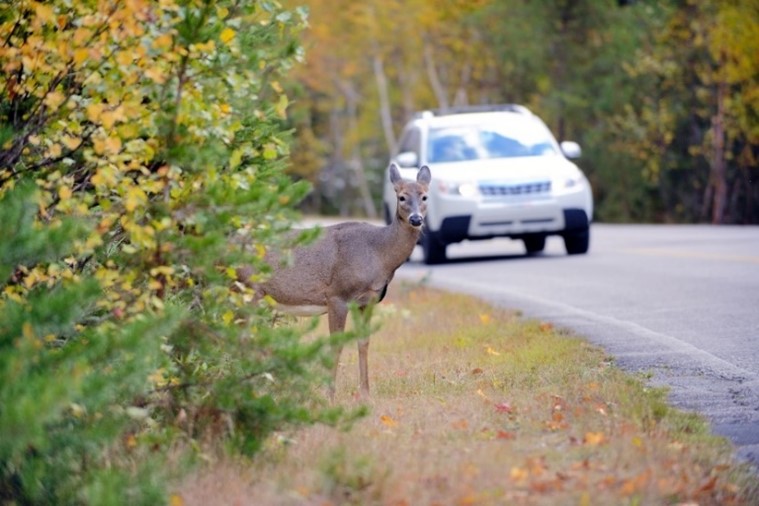
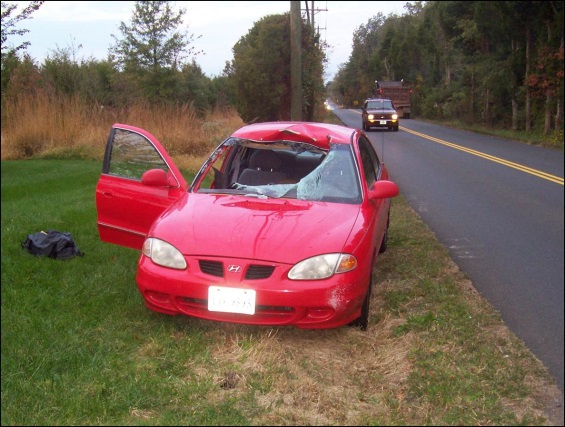
Image of a deer behind trees, with a car driving in the distancecar crash

Dense deer populations are inferred to be one of the principal factors in the increase of ticks in many urban environments leading to public concern over disease transmission. Ticks transmit pathogens that cause Lyme disease and other tick-borne illnesses.  

Deer play an important role in the life cycle of ticks as a maintenance host.  White-tailed deer are considered the preferred or definitive host for adult black-legged ticks (Ixodes scapularis), the primary vector of Lyme disease. Adult ticks feed and mate primarily on deer; however, deer are not competent reservoir hosts for the Lyme disease bacterial agent (Borrelia burgdorferi).

The Lyme disease cycle is complex and includes multiple wildlife hosts. Black-legged ticks use a variety of mammalian reservoirs of the disease-causing bacterium, including white-footed mice, chipmunks, and songbirds, among other species.  Deer themselves do not serve as a source of infection for the Lyme disease bacterium, but there is public concern that dense deer populations may increase human risk of exposure to ticks by moving them to new areas and the role they play in maintaining tick populations.

The presence of deer has been correlated with tick populations to variable degrees and some studies have found that reduction of deer populations to very low thresholds may reduce tick abundance; however, the relationship between deer populations and incidence of Lyme disease remains unclear.

Information on tick bite prevention and Lyme disease is provided by the Fairfax County Health Department, Disease Carrying Insects Program.
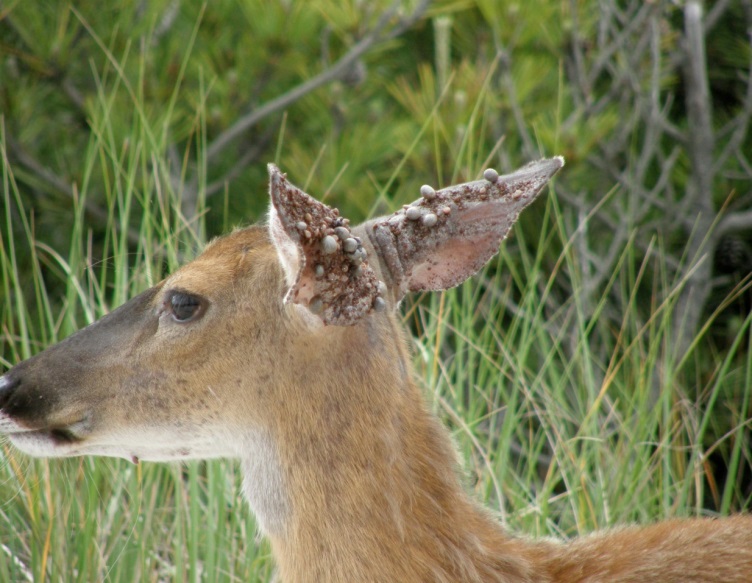
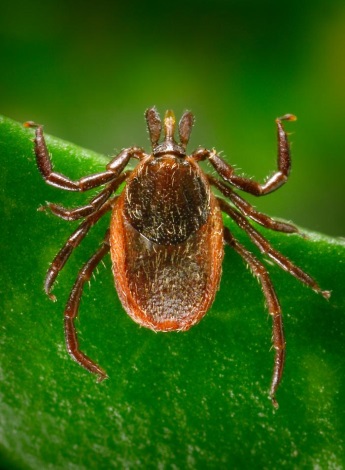
 

deer ears   tick

There is high concern among wildlife professionals over the spread of Chronic Wasting Disease (CWD) within the deer population. CWD is a slow-acting, progressive neurologic disease, found in deer, elk, and moose in North America, that ultimately results in death of the animal.  The Virginia Department of Wildlife Resources (DWR) has oversight for CWD surveillance and management within the Commonwealth and has put measures in place to try and limit its spread among deer populations, including the designation of CWD Disease Management Areas (DMAs) and regulatory actions related to hunting seasons, deer transport, feeding bans, and rehabilitation of deer.  During the 2022-2023 deer hunting season, CWD was confirmed in a deer harvested on private land in Fairfax County. Fairfax County has now been added to CWD Disease Management Area 2 (DMA2). Deer herd reduction is a primary component of the management strategy to slow the spread of CWD in Fairfax County and throughout the Commonwealth. Additionally, harvesting of deer is required for CWD surveillance to protect herd health. More information about Chronic Wasting Disease (CWD) can be found on the Wildlife Diseases page and through the Virginia Department of Wildlife Resources. 
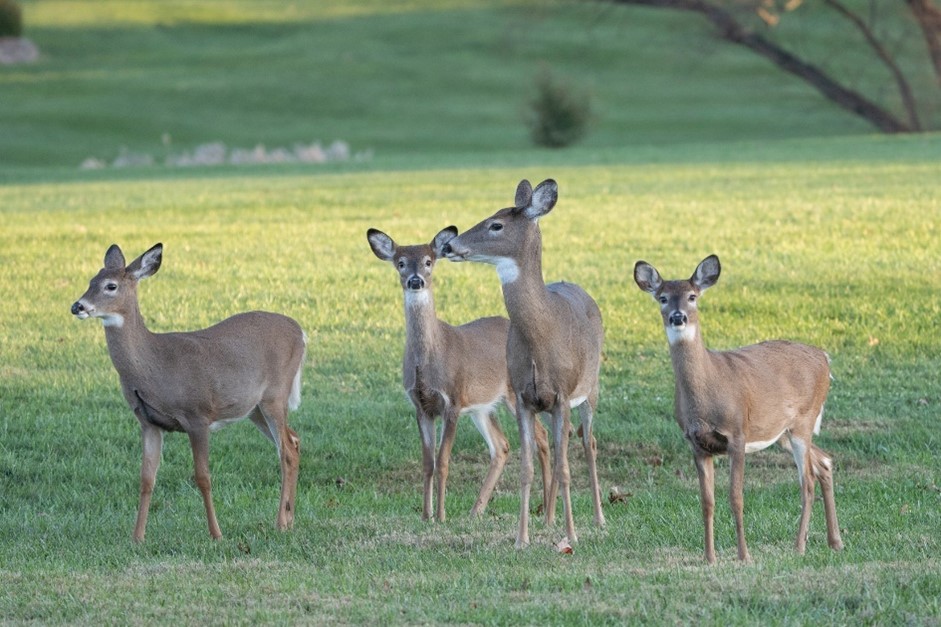
Image of a deer herd in a grassy field

Deer are herbivores and their diet primarily consists of browse (leaves, twigs, and buds of woody plants), forbs (herbaceous broad-leaved plants, including agricultural crops), hard and soft mast (acorns, nuts, fruits), grass and mushrooms/lichens. An average adult white-tailed deer requires 5-7 pounds of food daily per 100 pounds of body weight, which equates to over 1 ton of vegetation consumed by one deer in one year.

At high population densities deer can greatly alter landscapes through intensive browsing on vegetation which can have lasting negative impacts on forest dynamics and biodiversity. Through selective foraging, deer affect forest plant communities by reducing tree seedling numbers resulting in changes to forest age structure and composition over time. In many areas within Fairfax County, there is little to no regeneration of trees due to consumption of seedlings and saplings by deer.  Forest structure has become impaired and simplified with removal of understory and shrub layers by deer. Additionally, seed banks (seeds stored in forest soils for future generation) will not be replenished and will decline over time. White-tailed deer not only alter vegetation structure through direct browse damage to native plants (lowering their ability to become established), but also impact forest health through the dispersal of non-native, invasive plants.

Deer significantly influence wildlife habitat by altering the forest’s composition and structure which can lead to a loss of biodiversity and fewer species supported in the ecosystem. Healthy forests include deer but also many other species of insects, plants and other wildlife that evolved to be a part of our local biodiversity. The ecological changes created by overabundant deer have cascading effects on other species. Damage caused by overbrowsing can result in loss or displacement of other wildlife species that depend on these habitats for food, cover, and nest/den sites, including insects, birds, and other mammals. Over time, deer herd health also declines as habitat is degraded and more deer must compete for depleted natural foods and other resources.
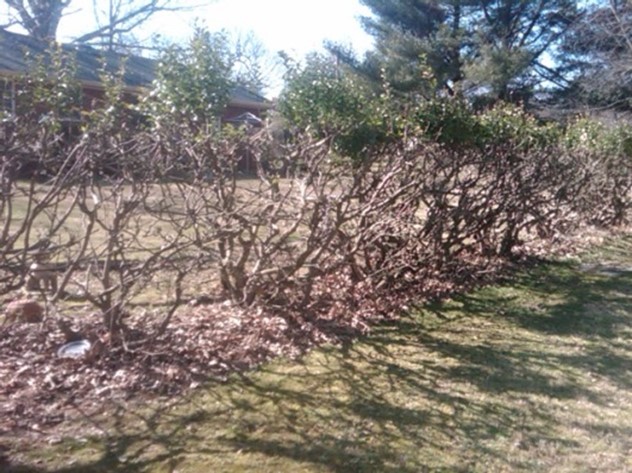
Image of leave, twigs and woody plants Image of leaves and twigs on the forest floor


Recent Interactions

    Ask Fairfax

    Terms & Conditions
    Live chat available Search our site
    • twitter
    • Translate
    • Awards
    • Site Feedback
    • PRIVACY POLICY & COPYRIGHT
    Main Address

    12000 Government Center Pkwy
    Fairfax, VA 22035

    Phone

    703-324-7329

    TTY 711

    Site Tools
    • Website Accessibility
    • Translate
    • Download Mobile App
    Support
    • ADA Accessibility
    • FOIA Requests
    • Website Administrator
    Additional Resources
    • Fairfax County Public Schools
    • Economic Development Authority
    • Visit Fairfax
    • Council of Governments
    • Commonwealth of Virginia
    • USA.gov
    • Calendar
    • Channel 16
    • Mail
    • Security
    • WIFI
    • Facebook
    • Twitter
    • Instagram
    • YouTube
    • Mobile

    The Official Site of Fairfax County