

Fairfax County is recognizing Energy Efficiency Week, Oct. 1–7, by highlighting the powerful role that simple, cost-saving energy practices can play in protecting household and business budgets and reducing the carbon emissions that contribute to climate change.
With utility costs rising nationwide, energy efficiency remains one of the most effective ways for residents and business owners to lower monthly expenses. At the same time, reducing energy waste improves air quality, eases strain on the electric grid, and makes homes and shared spaces more comfortable.
Energy Efficiency Matters
Being energy efficient offers numerous benefits for Fairfax County residents, businesses and community:
- Reduces utility costs by lowering energy consumption
- Cuts air pollution and greenhouse gas emissions, supporting public health
- Creates healthier and more sustainable communities
- Drives economic growth by supporting more than 2 million U.S. jobs in industries like manufacturing and construction, most of which cannot be outsourced
Small Changes, Big Savings
Making your home or business more energy-efficient does not require a full remodel. You can identify areas and prioritize practical, affordable and scalable improvements over time.
Practical upgrades that can reduce utility bills and improve long term efficiency can include:
- Energy‑efficient exterior windows and doors
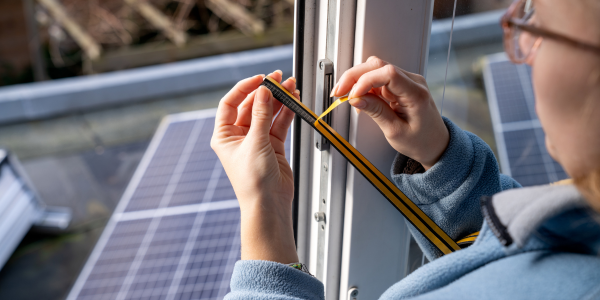
- Insulation and air‑sealing materials that help keep conditioned air inside
- High‑efficiency central air conditioners
- Heat pumps for heating and cooling
- Heat pump water heaters
- LED lighting in place of standard incandescent bulbs
- Electrical panel upgrades (where needed to support new energy‑efficient equipment)
Bringing Energy Efficiency Home: Community Programs
Throughout Energy Efficiency Week or any day of the year, residents are encouraged to explore energy-saving measures and home improvements using the tips, tools and resources the county offers.
The county, state and local energy service companies offer programs that can help residents, commercial building owners and community organizations, such as homeowners associations and places of worship, take steps toward reducing their energy use.
- Fairfax Energy Compass. A free resource that helps homeowners make informed decisions about home energy and electrification improvements that can lower costs and improve comfort. The program’s Energy Navigators can answer technical questions and identify relevant incentives and qualified contractors.
- Energy Conservation Assistance Program. Provides grant support and guidance to nonprofits and community groups for energy efficiency and renewable energy projects. Applications are accepted on a rolling basis but must be submitted before projects are initiated.
- Sustain Fairfax Challenge. Encourages households and organizations to commit to sustainable actions and track their progress throughout the year. Individuals can also form groups to share successes with friends and neighbors and spur further action.
- Weatherization Assistance Program. The federally funded program helps lower income households reduce energy costs through home energy audits and improvements like insulation, air sealing, and mechanical system upgrades. Eligible residents in Fairfax County can apply through Community Housing Partners. Learn more by calling 888-229-3714.
- Virginia Energy Sense. Virginia’s energy education program offers tips and resources for homeowners, renters and do-it-yourselfers to reduce energy usage.
- Dominion Home Energy Evaluation Program. A program of Dominion Energy that can help homeowners identify ways to save energy and money through a free virtual energy assessment.
- Green Business Partners. A free, voluntary program that recognizes and supports Fairfax County businesses advancing sustainability and climate action. Businesses and supporting organizations can apply to join as a Member, Leader or Ally.
Fairfax County’s Leadership in Energy Efficiency
Fairfax County’s commitment to energy efficiency in its own operations is delivering measurable results. Since fiscal year 2018, the county has reduced electricity use in government operations by 13%. The county continues to expand high efficiency design and systems across its facilities, including the construction of 49 LEED-certified buildings that serve as models of sustainable development.
For more information about Fairfax County’s energy efficiency initiatives, visit the Office of Environmental and Energy Coordination’s webpage.
 SIGN UP FOR DAILY EMAIL HEADLINES