

(Posted 2026 February)
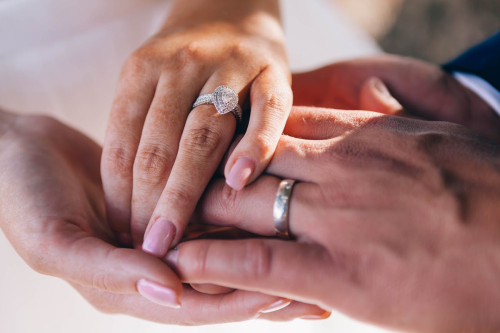
Any sexual interaction within a relationship should be motivated by mutual desire. If one partner is forced to take part in a sex act—coerced into unwanted intercourse or penetration by force, threat of force or when the spouse is unable to consent—it is known as marital rape. And it is illegal.
According to RAINN, victims of marital rape are more likely to experience multiple rapes, and they are often more emotionally and physically traumatized than victims who experience sexual violence at the hands of a stranger. Yet it remains one of the least reported crimes in this country.
Experts believe this is because many people don’t recognize what constitutes sexual abuse inside of a relationship. Partners who cause harm may use confusion, pressure, or manipulation. Or women believe it’s their duty as a wife to have sex with their spouse whenever they demand it.
Here are some signs of marital rape:
- Feeling pressured or guilted into sexual activity. If your partner makes you feel like you “owe” them sex, or uses guilt (“You don’t love me anymore”), that’s not consent.
- Not listening when you say “no” or show you’re uncomfortable. Consent includes words and body language. If they ignore either, it’s not OK.
- Sexual contact when you’re asleep, passed out, or unable to consent. If you couldn’t agree or were not fully aware, the responsibility is on them—not you.
- Using fear or threats to get sex. This includes threats to leave, hurt you, hurt themselves, damage your belongings, or escalate a fight unless you agree.
- Interfering with your birth control or reproductive choices. Removing a condom, refusing protection, or sabotaging your contraception without your agreement removes your control over your own body.
- Pushing you into sexual acts you don’t want. You never have to do something sexual just because they want it. Consent must be freely given every time.
- Creating emotional consequences if you don’t agree to sex. If they withdraw affection, give you the silent treatment, get angry, or punish you when you say no, that’s coercion.
- Pressuring you to send sexual photos or videos or do things on camera. You should never feel forced or afraid of what will happen if you don’t comply.
- Using sex as a “fix” after fights. If you feel like you can’t say no after an argument because you fear things will get worse, that’s a form of control.
- Treating your body like it belongs to them. Statements like “you’re mine,” “you can’t say no to your partner,” or acting entitled to your body because you’re married or committed is not respect—it’s abuse.
You deserve safety, respect, and choice in every part of your relationship.
Fairfax County’s Domestic and Sexual Violence Services division supports adults, teens, and children who have been impacted by domestic and sexual violence, stalking, and human trafficking. Services are confidential, free, and provided regardless of race, gender, ethnicity, national origin, age, disability, religion, gender identity, or sexual orientation.
If you or someone you know is experiencing interpersonal violence, call the Domestic and Sexual Violence 24-Hour Hotline at 703-360-7273 for resources and support. If you are in immediate danger, call 9-1-1.
This posting is part of the Department of Family Services' Community Corner where you’ll find timely information about upcoming events, parenting and wellness tips, programs and services, and more! Share these helpful posts with your friends and family. Don't miss out on future postings! Sign up today!