Northern Virginia Regional Projects Office

CONTACT INFORMATION: 8 a.m. - 4:30 p.m., Monday - Friday
703-531-2150 TTY 711
14150 Parkeast Circle, Suite 115
Chantilly, Virginia 20151
Sebastian Tezna
Director

Every Voice Matters: Advancing Behavioral Health Together — June 1–2, 2026


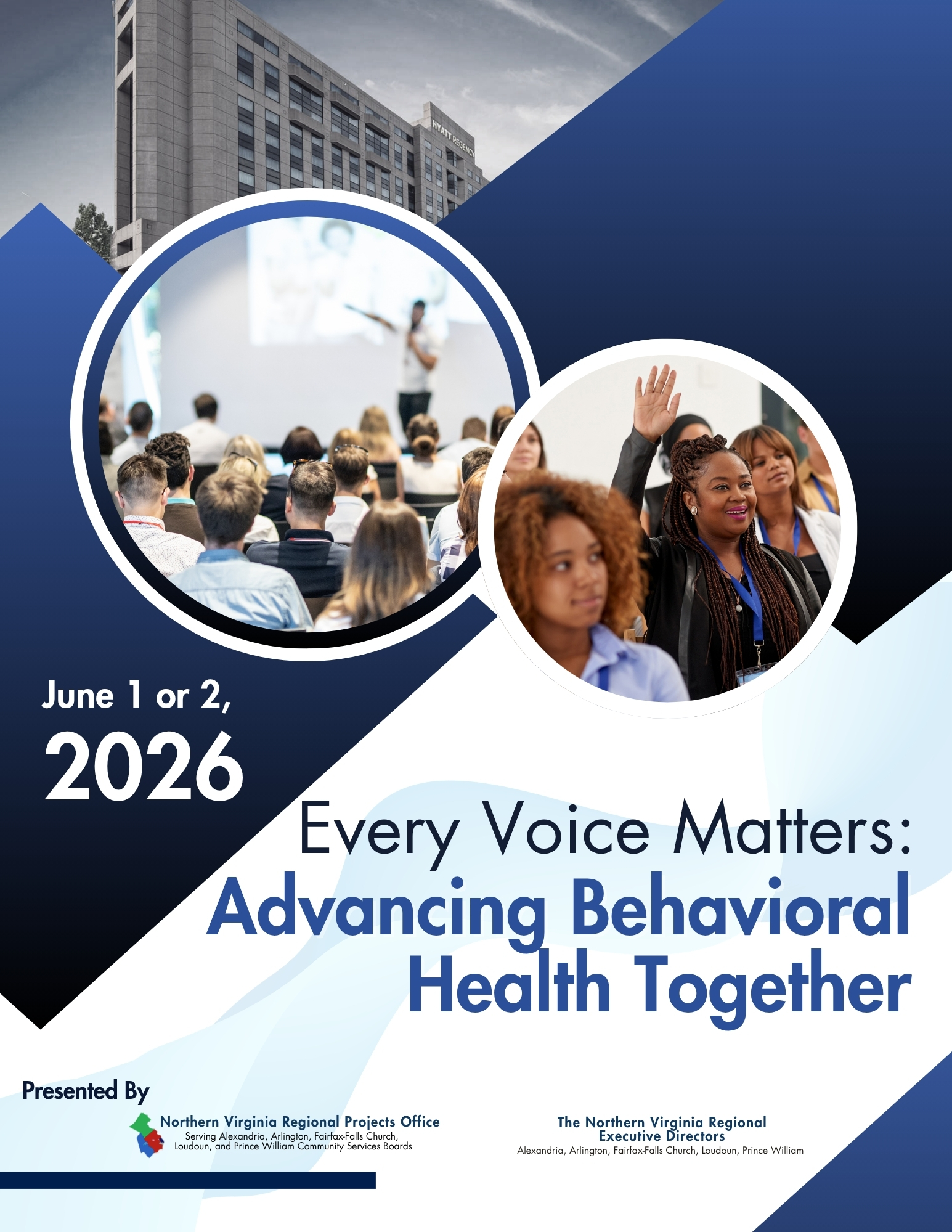
Cover for the NVRPO 2026 training and development conference program book. Text reads: June 1 or 2, 2026; Every Voice Matters: Advancing Behavioral Health Together

The focus of Region 2’s second annual Regional Training and Development Conference, Every Voice Matters: Advancing Behavioral Health Together, is on what’s possible when we come together with a shared purpose—to learn, to connect, and to grow. This year’s theme speaks to a simple but powerful truth: every voice matters. 

Each of us brings a unique perspective shaped by our experiences and the communities we serve. When we truly listen—to one another and to those we support—we deepen our understanding and strengthen the impact of our work. Progress in behavioral health begins with connection, grows through collaboration, and is sustained when every voice is heard and valued.

This year's conference is an opportunity to invest in the important work you do every day. This program was designed to spark new ideas, offer practical tools, and create space for meaningful connection.

Conference Program

The Virginia Department of Behavioral Health and Developmental Services (DBHDS) oversees statewide behavioral health services through a regional model led by Community Services Boards (CSBs), which serve as local entry points for public mental health, developmental disability, and substance use services. DBHDS Region 2 includes CSBs from the City of Alexandria, Arlington County, Fairfax-Falls Church, Loudoun County, and Prince William County.

The Northern Virginia Regional Projects Office (NVRPO) manages regional initiatives for these five CSBs and the Northern Virginia Mental Health Institute (NVMHI). It facilitates collaborative meetings and oversees the Northern Virginia Regional Utilization Group, a subcommittee of the Regional Management Group. This group monitors service utilization, develops regional protocols, and supports collaboration across Region 2 and the state, and frequently engages DBHDS, hospital partners, and Crisis Stabilization Units (CSUs).

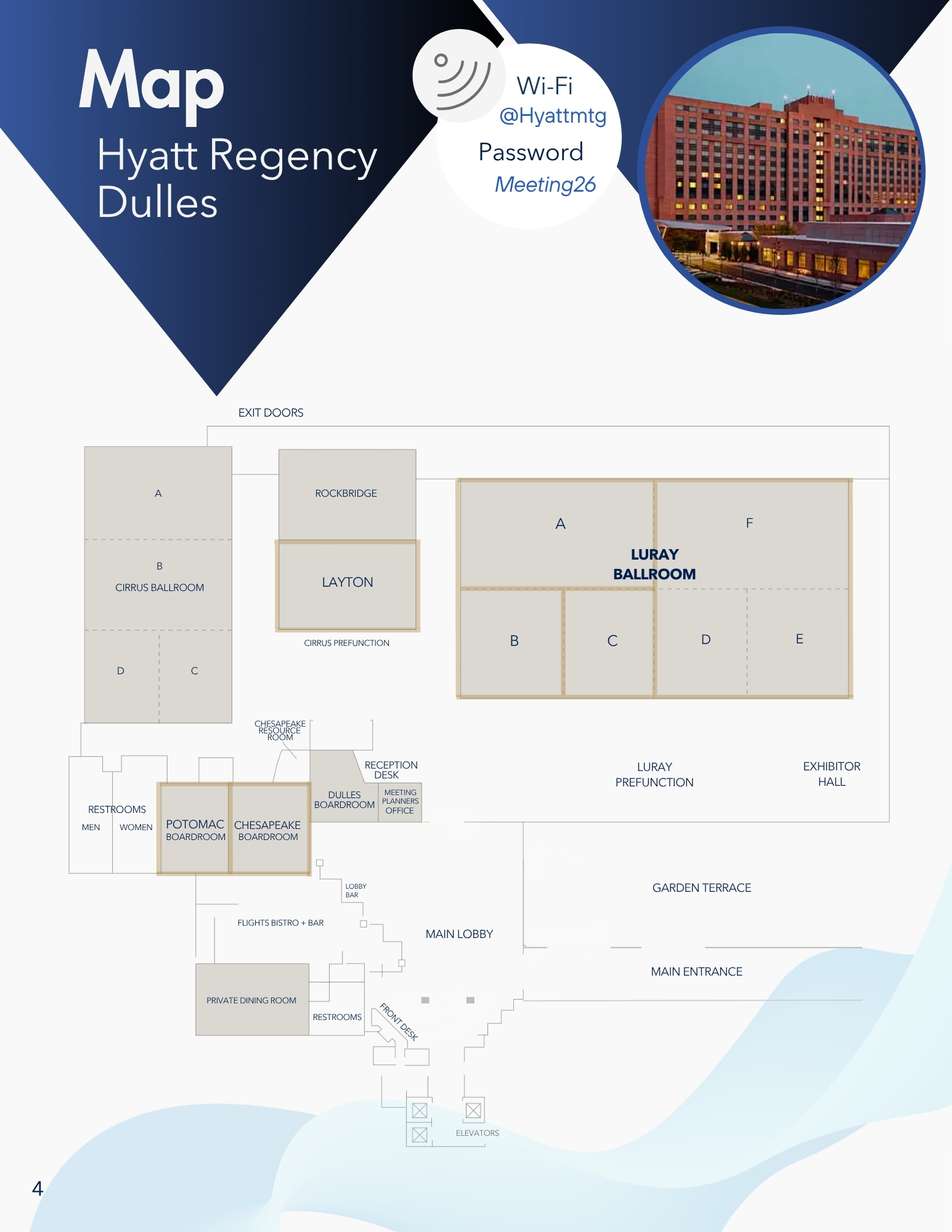
Map of Hyatt Regency Dulles

  • 8:30 to 9:30: Registration and Continental Breakfast (Luray Prefunction)
  • 9:30 to 9:45: Welcome and Opening Remarks, Sebastian Tezna, MA (Luray Ballroom D, E, F)
  • 9:45 to 10:45: Morning Keynote Speaker, For the Choir – Gratitude for the Storm, Joseph Green (Luray Ballroom D, E, F)
  • 10:45: Break (Luray Prefunction)
  • 11:00 to 12:30: Morning Breakout Session
    • Narrative Disruption – Storytelling for Change, Joseph Green (Luray Ballroom A)
    • Crisis in Action: From First Contact to Stabilization – A Unified Regional Response, Region 2 Crisis Continuum Partners (Luray Ballroom B)
    • Being Comfortable in Uncomfortable Situations, Cory D. Will, LMSW, CPRS-T (Luray Ballroom C)
    • Assessing Decision-Making Capacity, Dr. Amber Vernon, PsyD (Layton)
    • Understanding Developmental Disabilities, Daniel Cronnell (Chesapeake Boardroom)
    • Roles Across Behavioral Health Services: Working on a Multi-Disciplinary Team (MDT), Amanda Cooper Kalna, LCSW; Carla Pappas, R-CPRS; Bently Wood, R-CPRS, COAPS, iFPRS (Potomac Boardroom)
  • 12:30 to 1:30: Buffet Lunch (Luray Prefunction & Ballroom)
  • 1:30 to 2:30: Afternoon Keynote Speaker, From Tavern to Treatment: Alcohol in American History, Culture, and Public Health, Dr. Rodney Wambeam, Ph.D (Luray Ballroom D, E, F)
  • 2:30: Break and Snack (Luray Prefunction)
  • 3:00 to 4:30: Afternoon Breakout Sessions
    • You're the First Adult Who's Asked Me: What Teens Want Us to Know About Mental Health and Substance Use, Dr. Rodney Wambeam, Ph.D (Luray Ballroom A)
    • Therapeutic Considerations During Crisis Intervention, J. Curt Gleeson, LPC (Luray Ballroom B)
    • Typical Aging vs. Atypical Aging: Understanding Dementia, Emma Mahler, Certified Dementia Practitioner & Sydney Palinkas, LMSW (Luray Ballroom C)
    • Resolving Ethical Dilemmas When Capacity is in Question, Dr. Amber Vernon, PsyD (Layton)
    • Creating Affirming Spaces: Working with the LGBTQIA+ Community, Cory D. Will, LMSW, CPRS-T (Chesapeake Boardroom)
    • Collateral Damage: The Deadly Mix of TBI, Grief, and Addiction in Our Heroes, Dr. Tony Dice, PhD, CSAC (Potomac Boardroom)
  • 4:30 to 5:00: Distribution of Certificates and Closing (Luray Prefunction)

All-Day Opportunities

  • 9:00 to 1:15; 1:45 to 5:00: The Virtual Dementia Tour, RAFT (Regional Older Adults Facility Mental Health Support Team), (Reception Desk & Dulles Boardroom)
    • The Virtual Dementia Tour is the original patented, evidence-based scientific method of building a greater understanding of dementia by building awareness and empathy in individuals caring for people living with dementia. Participants are able to experience what it might be like to live with dementia. The tour is followed by a short discussion on common brain changes and best practices for working with this population.
      • Please allow up to 20 minutes to complete the tour.
      • Visit the Reception Desk to sign up.
  • 8:30 to 5:00: Community Partner Information Expo (Exhibitor Hall)
    • Take a moment to connect with the amazing regional resources here to support your work! Our community partners are excited to share services, supports, and information that can strengthen your practice and make a real difference for the individuals and communities you serve.

Narrative Disruption – Storytelling for Change (Joseph Green)

Discover the transformative power of value-centered storytelling through a framework grounded in personal values, resilience, and intentional reflection. During this workshop, we will analyze essential elements of storytelling, focusing on universal shared values through the lens of our individual lived experiences.

Attendees will partake in purposeful dialogues to discern others' values, uncover meaningful life experiences, and shape them into powerful narratives. By intentionally crafting stories, we can challenge detrimental narratives, empower youth to make informed choices, and advocate for themselves. Whether you're in recovery, advocacy, youth work, or community engagement, your story is a gift. Let's learn a new way to share it.

Objectives

  • Write a value-centered story that captures a five-second moment of change, developed through writing prompts and iterative peer feedback
  • Identify personal core values that have shaped their lived experience using the evidence-based Schwartz Values Model as a foundational framework
  • Recognize the structure and components of a transformative story, including the pivotal choices at the center of personal narratives, through improvisational exercises and guided discussion

Crisis in Action: From First Contact to Stabilization – A Unified Regional Response (Region 2 Crisis Continuum Partners Panel with Facilitator, Wendy Rose, LPC)

Panel Members: Sarah Bermingham, LCSW, CSAC; Laura Clark, MSW; J. Curt Gleeson, LPC; Alexis Mapes, LPC; Amy Miller, LCSW; and Adrienne Randall, LPC

This session will highlight how Region 2’s crisis system comes together to deliver timely, coordinated care for individuals in need. Panelists will walk through the Crisis Now framework and illustrate how services across the continuum, beginning with first contact through stabilization, work in partnership to ensure all individuals experiencing a behavioral health crisis are receiving a behavioral health response. representatives from key programs will discuss their services, what role their services play in the Crisis Now framework, how to access them, and share how their services intersect in real time. This will be followed by an interactive Q&A to explore challenges, successes, and opportunities for strengthening regional collaboration.

Objectives

  • Understand how the Crisis Now model is operationalized across Northern Virginia’s crisis continuum
  • Identify the roles of key regional partners and how programs coordinate to ensure timely access to appropriate levels of care
  • Explore strategies to strengthen collaboration and improve continuity from first contact through stabilization

Being Comfortable in Uncomfortable Situations (Cory D. Will, LMSW, CPRS-T)

Behavioral health professionals frequently encounter challenging moments—whether supporting individuals in distress, navigating resistance, or managing high-emotion interactions. This interactive workshop explores practical strategies for staying grounded and effective in uncomfortable situations. Through a person-centered lens, participants will build skills in emotional regulation, active listening, and de-escalation while increasing confidence in responding to complex, real-world scenarios across service settings.

Objectives

  • Apply practical strategies for self-regulation during high-stress or emotionally charged interactions
  • Demonstrate person-centered communication skills to effectively respond to distress and resistance
  • Utilize de-escalation techniques to support safety, connection, and engagement

Assessing Decision-Making Capacity (Dr. Amber Vernon, PsyD)

Direct service providers are frequently required to assess an individual’s ability to consent to treatment. This includes a range of activities such as provider choice, treatment or support plans, medical care, releasing protected health information, and voluntary hospitalization in a crisis context. This requires basic understanding of how to assess, document, and communicate relevant decision-making capacities.

Objectives

  • Understand the difference between capacity and competency
  • Recognize possible decision-making impairments for individuals across diagnostic categories.
  • Identify considerations in an emergency/crisis context
  • Describe a plan for assessment of capacity to voluntarily consent across various types of services
  • Describe a plan for appropriate documentation and communication applicable to trainee’s work responsibilities

Understanding Developmental Disabilities (Daniel Cronnell)

This course provides an overview of Developmental Disabilities, explores the factors that influence how individuals interact with the world, examines how perceptions are created and changed, and offers strategies for improving communication and understanding. Understanding someone with a disability and being understood by someone with a disability are both easier and harder than people think. Creativity, patience, and compassion — coupled with an understanding of the forces and factors that impact individuals with Developmental Disabilities — can go a long way toward increasing mutual understanding.

Objectives

  • Describe key characteristics of developmental disabilities and the factors that influence how individuals perceive and interact with the world
  • Explain how perceptions, biases, and assumptions impact communication with individuals with developmental disabilities
  • Apply person-centered communication strategies to improve understanding and engagement with individuals with developmental disabilities

Roles Across Behavioral Health Services: Working on a Multi-Disciplinary Team (MDT), (Amanda Cooper Kalna, LCSW; Carla Pappas, R-CPRS; Bently Wood, R-CPRS, COAPS, iFPRS)

This interactive session will explore the various roles present on a behavioral health multi-disciplinary team (MDT). Throughout the session, learners will discuss and brainstorm the targeted interventions and support each team member provides to an individual receiving services. We will examine common pitfalls that impact a MDT and reframe these barriers through a person-centered lens. Finally, the session will use small and large group discussion to enhance the workshop, finishing with case studies to apply the content presented in real-world scenarios.

Objectives

  • Describe the unique role of each discipline present on a multidisciplinary team (MDT)
  • Explain various interventions and support provided by team members
  • Discuss common barriers across MDTs and practice using a person-centered team reflection tool to address those barriers

You’re the First Adult Who’s Asked Me: What Teens Want Us to Know About Mental Health and Substance Use (Dr. Rodney Wambeam, Ph.D)

Recent data indicate significant increases in depression, anxiety, loneliness, and self-harm among youth. This presentation discusses findings from six focus groups with teenagers who shared perspectives on the causes and consequences of the mental health crisis in their communities. Analysis identified key themes related to mental health as a risk factor for substance misuse and resulted in recommended approaches for communities to address the mental health crisis.

Objectives

  • Participants will learn what teenagers want us to know about the mental health crisis
  • Participants will understand what teens perceive as the causes of stress, anxiety, and depression among their peers
  • Participants will learn approaches to addressing the youth mental health crisis in their communities
  • Participants will discuss their experiences tackling the youth mental health crisis

Therapeutic Considerations During Crisis Intervention (J. Curt Gleeson, LPC)

Drawing on a decade of experience in crisis intervention and Community Services Board Emergency Services, this presentation moves beyond assessment and stabilization to ask a harder question: what can a clinician actually do in a crisis moment to reduce the likelihood of lasting harm and increase the conditions for growth? Grounded in Post-Traumatic Growth and Resilience Theory, the session translates these frameworks into strategies clinicians can use in real time — even under the significant constraints acute crisis work demands.

Objectives

  • Identify practical, evidence-informed strategies for therapeutic engagement during acute crisis intervention
  • Apply concepts of Post-Traumatic Growth and Resilience Theory to real-time clinical decision-making
  • Recognize opportunities to empower clients and plant early seeds for stabilization and growth, even within the limitations of crisis settings

Typical Aging vs. Atypical Aging: Understanding Dementia (Emma Mahler, Certified Dementia Practitioner & Sydney Palinkas, LMSW)

Join RAFT for an interactive breakout session on what changes to our memory, our behavior, and our thinking are typical parts of the aging process and what changes might be more concerning. RAFT will present what dementia is, the types of dementia, and how it affects the brain. Attendees will learn tools and techniques for supporting individuals living with dementia. 

Objectives

  • Gain an understanding of what brain changes are a typical part of the aging process and what is not typical
  • Gain an understanding of dementia, its types, and how it affects the brain
  • Provide information on how to support someone living with dementia

Resolving Ethical Dilemmas When Capacity is in Question (Dr. Amber Vernon, PsyD)

Direct service providers often encounter situations where an individual's capacity to make informed decisions is uncertain. This session provides a practical framework for navigating these complex scenarios across a range of service settings, including crisis response, case management, and support coordination. Participants will learn to distinguish between capacity and competency, assess and document capacity to consent, and recognize decision-making impairments across diagnostic categories. The session also covers the roles of formal and informal decision-makers—such as Powers of Attorney and Advance Directives—and explores how to proceed ethically in the absence of clear documentation. Attendees will gain tools to support ethical decision-making, particularly in high-stakes contexts like emergency services or involuntary admission, while staying aligned with legal and regulatory guidelines.

Objectives

  • Assess and document decision-making capacity across service contexts while distinguishing between capacity and competency
  • Apply ethical and legal frameworks to guide decision-making with or without a designated substitute decision-maker

Creating Affirming Spaces: Working with the LGBTQIA+ Community (Cory D. Will, LMSW, CPRS-T)

Creating affirming environments is essential to effective, person-centered behavioral health care. This workshop provides professionals with foundational knowledge and practical tools to support individuals within the LGBTQIA+ community. Participants will explore the impact of stigma, bias, and systemic barriers while building skills to foster inclusive, respectful, and affirming interactions across diverse roles and settings.

Objectives

  • Identify key concepts and terminology related to LGBTQIA+ identities and experiences
  • Recognize the impact of stigma and bias on engagement, trust, and outcomes in care
  • Apply strategies to create affirming, inclusive environments within behavioral health settings

Collateral Damage: The Deadly Mix of TBI, Grief, and Addiction in Our Heroes (Dr. Tony Dice, Ph.D, CSAC)

Service Members, Veterans, and Families (SMVF) often face a complex interplay of Traumatic Brain Injury, grief, and substance use that can significantly impact functioning, relationships, and recovery. This session explores how these invisible wounds intersect and compound risk, particularly within a culture that often normalizes high stress and discourages help seeking.

Participants will gain practical insight into identifying warning signs, understanding underlying drivers of substance use, and applying effective, evidence-based strategies to support this population. Emphasis is placed on real-world application, culturally informed care, and improving outcomes through early recognition and intervention.

Objectives

  • Understand the Impact of TBI and Grief on Substance Use: Participants will explore how Traumatic Brain Injury and grief uniquely contribute to Substance Use Disorders within the SMVF community
  • Identify Risk Factors and Warning Signs: Behavioral health professionals will learn to recognize key risk factors, emotional triggers, and behavioral cues of substance use, particularly during high-stress periods like the holiday season
  • Apply Evidence-Based Treatment Strategies: Attendees will gain practical, evidence-based tools and strategies to effectively address the intersection of TBI, grief, and substance use, tailored to the unique needs of service members, veterans, and their families

Morning Keynote Session

For the Choir – Gratitude for the Storm (Joseph Green)

This keynote is a love letter to the helpers—the social workers, peer specialists, justice advocates, mental health professionals, and all those who show up when the world is hurting. In For the Choir – Gratitude for the Storm, Joseph Green weaves together powerful storytelling, spoken word poetry, and the hard-earned wisdom of a life spent in service and survival.

Drawing on lessons from mentors, youth, friends still fighting, and those we’ve lost along the way, this presentation doesn’t offer easy answers. Instead, it offers truth. With heart and humor, Joseph invites participants to pause, reflect, and reconnect to the deeper reasons they chose this work in the first place. You’ll leave this session inspired and rejuvenated, with simple tools to sustain your will and protect your light—grounded in gratitude for the storm: the belief that even in the rain, there is meaning in being alive, present, and in service to a better world. 

Objectives

  • Reflect: Participants will be able to describe at least one personal experience of adversity and articulate how it has shaped their approach to helping work
  • Apply: Participants will be able to demonstrate at least one practical tool drawn from lived experience to sustain resilience and protect against burnout in their professional role
  • Reframe: Participants will be able to differentiate between viewing professional challenges as obstacles versus meaningful opportunities for growth, using the concept of "gratitude for the storm" as a framework

Afternoon Keynote Session

From Tavern to Treatment: Alcohol in American History, Culture, and Public Health Dr. Rodney Wambeam, Ph.D

Americans drink to celebrate and to mourn. We toast a new addition to our family, an engagement, a marriage, a new job, and a life well-lived. We open a bottle to break bread with friends, to watch sports, to pray, and to drown our sorrows. But we also suffer from addiction, violence, motor vehicle crashes, and death, all at the hands of alcohol. This keynote explores America’s cultural relationship to alcohol, from the thirteen colonies and prohibition to today’s music and movies. In prevention, we often focus so intently on our communities and strategies that we fail to step back and look at the much, much bigger picture of the cultural and historical context of what we are trying to accomplish. Using humor and examples from history, movies, music, television, and more, Dr. Rodney Wambeam provides the larger context of what it means to prevent and treat the misuse, abuse, and devastating consequences of a substance that has always been part of the American experience. 

Objectives

  • Describe the role alcohol played in early America when alcohol was considered safer than water.
  • Understand past efforts that focused upon a moral approach to prevention and why they "failed"
  • Learn to examine how popular culture (movies, television, music, social media, and more) help to define how Americans use and feel about alcohol
  • Recognize how understanding historical and cultural context can improve our prevention and treatment efforts and lead to better outcomes

Amanda Cooper Kalna, LCSW

Amanda Cooper Kalna was drawn to the field of social work through her experience teaching in urban settings and working with young people exposed to adverse childhood experiences (ACEs). After earning her MSW from Virginia Commonwealth University, she worked at Middle Peninsula–Northern Neck CSB across crisis services, adult outpatient, and youth and family programs. During this time, she began training staff internally and later expanded to training community partners on trauma-informed care and ACEs.

In 2021, Amanda joined Richmond Behavioral Health Authority as the Region 4 Training Specialist. She trains staff on topics including the ASAM framework, DLA-20 assessment, Mobile Crisis Response (MCR), person-centered practices, and trauma-informed care. Amanda is a certified ACE Interface trainer.

Daniel Cronnell

Daniel Cronnell is an Assistant Director with CSB Developmental Disability (DD) Support Coordination. Daniel has over 35 years of experience, 26 of those years have been dedicated to DD Support Coordination. Daniel is dedicated to supporting, advocating for, and educating both the community and peers about individuals with developmental disabilities. He serves as liaison with psychiatric services to help secure critical mental health support for individuals with disabilities. Additionally, he provides Crisis Intervention Team (CIT) training to law enforcement, focusing on effectively interacting with and support individuals with developmental disabilities.

Dr. Tony Dice, Ph.D, CSAC

Dr. Dice is a clinical therapist and nationally recognized counselor, trainer, and presenter. A former firefighter, paramedic, U.S. Navy SEAL, and military group counselor, he brings a unique perspective to bridging the gap between conventional counseling and the culture of those who serve.

Based in Virginia Beach, he leads an intensive outpatient program for veterans, military personnel, law enforcement, and first responders, and is widely regarded as a leading addiction specialist. He is a subject matter expert in PTSD, suicide prevention, substance use, and trauma-informed care. Dr. Dice previously served as Mental Health Director at EVMS’s Ambulatory Care Center, where he developed training programs on military-related behavioral health and evidence-based treatment. An accomplished keynote speaker, he has presented nationally and internationally and currently serves as an adjunct professor at Old Dominion University.

J. Curt Gleeson, LPC

Formerly a middle and high school teacher, Curt completed his Master of Education degree in Clinical Mental Health Counseling at Lynchburg College in 2012. He began his clinical career that year with Region Ten Community Services Board as a full-time prevention specialist and a part-time Certified Preadmission Screening Clinician and became a Licensed Professional Counselor in 2017. Finding his passion in crisis intervention, he became the Director of Emergency Services at Region Ten in 2016. In January 2023, he moved to the Department of Behavioral Health and Developmental Services as the Assistant Commissioner of Crisis Services. Curt believes in service and feels privileged to serve in this role to help change the paradigm of how we serve and care for each other in times of crisis.  

Joseph Green

Joseph Green is a storyteller, educator, and narrative disruptor with over 20 years of experience helping individuals and organizations use lived experience to inspire connection and change. He has facilitated more than 5,000 workshops nationwide, working with students, caregivers, nonprofit 
leaders, clinicians, and professionals across sectors. Joseph’s work spans substance use recovery, mental health, social justice, youth empowerment, and leadership development. He has delivered keynotes and trainings for organizations including Google, SAMHSA, and the National Council for Mental Wellbeing, bringing a grounded, human-centered approach to complex topics. His work has been featured in the award-winning documentary Tipping the Pain Scale and in the CDC and Ad Council’s Recovery Starts With Hope campaign. Most recently, Joseph designed Stories of Hope: A Value-Centered Approach to Storytelling, a course for the National Council for Mental Wellbeing focused on building lived-experience storytelling capacity. As CEO of LMSvoice, Joseph leads a creative team dedicated to using storytelling as a driver of learning, empathy, and social change.

Emma Mahler, Certified Dementia Practitioner

Emma Mahler, Certified Dementia Practitioner, graduated from New York University in 2021 with her bachelor’s in social work. Emma has worked with the RAFT Dementia Support Program as a dementia support specialist since 2022. Currently, she is pursuing her master’s in gerontology at Virginia Commonwealth University and serves as co-chair of the Northern Virginia Dementia Care Consortium.

Emma first became interested in working with older adults living with dementia after becoming a companion to an individual with early-stage Alzheimer’s Disease through NYU Langone’s Buddy Program in 2018. Prior to joining RAFT as a dementia support specialist, Emma worked as an activity professional at an independent and assisted-living facility in Johnston, Rhode Island as a case manager for the AmeriCorps Senior Companion Program at Henry Street Settlement in New York City. Emma believes in increasing dementia education to address stigma, isolation, and fear and is dedicated to ensuring that older adults with dementia continue to live dignified, empowered, and active lives within their communities.

Sydney Palinkas, LMSW

Sydney Palinkas is a licensed masters social worker and a certified dementia practitioner with a focus on improving the lives of older adults. Sydney received her B.A. in Human Services and Sociology from Northeastern University and her Master’s in Social Work from Boston University. Sydney has been the RAFT Dementia Education and Outreach Coordinator at the Regional Older Adult Facilities Mental Health Support Team (RAFT), supporting older adults living with dementia and their families. Sydney also serves as the Board President for the Virginia Coalition for the Prevention of Elder Abuse, volunteers with Meals on Wheels, and teaches chair yoga to older adults.

From 2018 to 2022, Sydney worked as the Community Outreach and Education Manager and then Associate Director for the ElderSAFE Center at Charles E. Smith Life Communities, which provides temporary, safe shelter for older adults who have experienced abuse, neglect, and financial exploitation. Previously, Sydney worked at the National Network to End Domestic Violence, training domestic violence, housing, and HIV programs across the country on best practices for serving survivors of violence. 

Carla Pappas, R-CPRS

Carla Pappas serves as a Regional Peer Recovery Specialist (PRS) Coordinator for Region 4 Programs through Richmond Behavioral Health Authority. Since 2015, she has worked to strengthen and expand the peer workforce across the region, helping to shape one of the first regional coordinator roles dedicated to supporting peer services. Carla collaborates with partners to promote recovery-oriented practices, provide workforce development opportunities, and advance peer support initiatives. In recognition of her commitment to recovery principles, she received the Wayne Hamilton Blanks Service in Recovery Award in 2021. Carla is passionate about reducing stigma and amplifying recovery voices. Her story has been featured in Firewalkers, Richmond Style Weekly, and the Chesterfield Observer, and she is co-author of Poets and Peers: Our Story of Mental Health Recovery Through Love, Peer Support, and Poetry.

Wendy Rose, LPC

Wendy Rose, LPC, is a seasoned behavioral health leader with over 26 years of professional experience across the continuum of care. As Regional Manager of Crisis and Diversion Programs, she provides strategic oversight and leadership to initiatives designed to ensure timely, effective responses for individuals experiencing behavioral health crises.

Wendy’s extensive background includes roles in regional systems coordination, emergency services, quality improvement, and inpatient care. This diverse experience has equipped her with a comprehensive understanding of service delivery, system integration, and performance management within complex behavioral health environments. Known for her collaborative approach, Wendy is committed to strengthening partnerships across agencies and disciplines to improve access, continuity of care, and outcomes for individuals and families. Her work focuses on advancing innovative, person-centered solutions that align crisis response systems with community needs.

Dr. Amber Vernon, PsyD

Dr. Amber Vernon is a licensed clinical psychologist in Virginia with a doctorate from Pacific University (OR) and internship training through the University of Medicine and Dentistry of New Jersey. Her experience spans corrections, community mental health, education, law enforcement, college counseling, and private practice. Known for her collaborative approach, she helps individuals and organizations identify key questions, develop meaningful solutions, and take action. She has served as a Crisis Intervention Team instructor for over a decade and is active with the International Association of Chiefs of Police. She also serves on DBHDS’s Forensic Evaluation Oversight Panel. Outside of work, she enjoys cheese, movies, and family time.

Dr.  Rodney Wambeam, Ph.D

Rodney Wambeam, Ph.D. is a Senior Research Scientist at the Wyoming Survey & Analysis Center (WYSAC) of the University of Wyoming (UW), where he is also Director of the Mountain Plains Prevention Technology Transfer Center (Region 8 PTTC). Dr. Wambeam and his team provide training and technical assistance across the mountain plains, and they conduct numerous substance abuse prevention and treatment research projects in many states including Arkansas, North Dakota, Oregon, and Wyoming. He has presented more than 50 keynotes across the country on substance abuse prevention with millennials and on the history of alcohol in America. His book The Community Needs Assessment Workbook from Oxford University Press came out in 2015. 

Cory D. Will, LMSW, CPRS-T

Cory D. Will, LMSW, CPRS-T, is a behavioral health trainer and consultant specializing in recovery-oriented systems of care, motivational interviewing, moral injury, and trauma-informed care. As the founder of Walking Out of Darkness, LLC, he develops and delivers dynamic trainings that bridge lived experience and clinical practice. Cory is known for creating engaging, psychologically safe learning environments that support professionals across disciplines in building practical skills for real-world applications.

Bently Wood, R-CPRS, COAPS, iFPRS

Bently Wood works for Region 4 Programs Recovery Services with Richmond Behavioral Health Authority, where he serves as a Lead Regional Peer Recovery Specialist Coordinator alongside Carla Pappas. In this role, he supports the development and sustainability of the peer workforce across Region 4 and helps provide ongoing professional development opportunities. He co-leads the Region 4 Recovery Services Peer Academy, which includes a paid internship program that allows aspiring Peer Recovery Specialists to complete the required 500 hours toward certification. Bently identifies as a person in long-term recovery and brings lived experience to his work supporting individuals involved in treatment, recovery services, and recovery courts.


Fairfax Virtual Assistant