Fairfax County, Virginia
Fairfax County Virginia

FFX Global Navigation

    • Contact Us
    • Public Works Homepage
    • Report A Problem
    • Capital Projects
    • Recycling and Trash
    • Stormwater Management
    • Trees and Urban Forest Management
    • Wastewater Management
    • Water Resources and Infrastructure
    • Educational Resources for Teachers and Students
    • News
    • Jobs
    • Volunteering
  • Residents
    • Animals & Pets
      • Adoptions
      • Animal Control & Regulations
      • Guide to Dogs
      • Lost & Found Pets
      • Shelter Support & Supplies
      • Wildlife
      • More
      Courts & Legal
      • Case Information
      • Circuit Court Docket
      • Jury Duty
      • Land Records
      • Magistrate
      • Public Law Library
      • Self-Help Resources
      • Traffic Court
      • Vital Records
      • More
      Environment & Energy
      • Invasive Species
      • Litter
      • Recycle, Trash & Compost
      • Sustain Fairfax
      • Trees
      • Watersheds
      • More
      Health & Human Services
      • Basic Needs & Assistance
      • Disability Services
      • Diseases & Conditions
      • Domestic & Sexual Violence
      • Health Clinics
      • Mental Health
      • Opioids
      • More
      Individuals & Families
      • Children & Youth
      • Federal Workforce
      • Immigrants
      • Military & Veterans
      • New Residents
      • Older Adults
      • Parents
      • People with Disabilities
      • Volunteers
      • More
      Land Use & Planning
      • Comprehensive Plan
      • County Capital Projects
      • Land Records
      • Parks Planning
      • Planning Projects
      • Research Tools
      • Transportation Projects
      • Urban Centers
      • More
      Library & Education
      • Adult Education
      • Early Childhood Programs
      • Library Branches
      • Library Catalog Search
      • Public Schools
      • More
      Parks & Recreation
      • Arts
      • Athletic Fields
      • Camps
      • Community Centers
      • Parktakes Classes
      • Rec Centers
      • Senior Centers
      • Teen Centers
      • Trails
      • More
      Permits & Licenses
      • Birth & Death Certificates
      • Building
      • Child Care
      • Dogs
      • Health
      • Marriage
      • Park Use
      • Solicitors
      • More
      Property & Housing
      • Affordable Housing
      • Code & Zoning
      • Neighborhoods
      • Real Estate Values
      • Recycling & Trash
      • Tenant Landlord Issues
      • Utilities
      • More
      Public Safety & Emergencies
      • 9-1-1
      • Emergency Preparedness
      • Fire & Rescue
      • Gun Violence Prevention
      • Police
      • Scams
      • Sheriff
      • Storm Center
      • More
      Roads & Commuting
      • Bike & Walk
      • Connector Bus
      • Metrobus & Metrorail
      • Park & Ride
      • Pedestrian Safety
      • Road Maintenance/VDOT
      • Street Parking
      • Toll Roads
      • Transportation Projects
      • More
      Taxes & Fees
      • Car Taxes
      • Park Fees
      • Real Estate Taxes
      • Tax Relief
      • Trash Disposal Fees
      • More
      Voting & Elections
      • Absentee Voting
      • Early Voting
      • Election Results
      • Polling Places
      • Voter Registration
      • More
      Weather & Climate
      • Air Quality
      • Climate Action Dashboard
      • Extreme Heat
      • Floods
      • Ready Fairfax
      • Resilient Fairfax
      • Snow
      • Tornadoes
      • More
  • Business
    • Business & Construction
      • Building Permits
      • Code & Zoning
      • Land Use
      • More
      Business Services
      • Business Emergency Preparedness
      • Business Taxes
      • Consumer Services
      • Employer Transportation Service
      • Green Business Partners Program
      • Home-Based Business
      • Regulation & Licensing
      • Small Business
      • Starting a Business
      • Workplace Issues
      • More
      Doing Business with Fairfax
      • Contracting and Procurement
      • Current Solicitations
      • Permits
      • Vendor Pitch Portal
      • More
  • Government
    • About
      • Codes & Standards
      • Countywide Strategic Plan
      • Facilities & Locations
      • History of Fairfax County
      • Operating Status
      • More
      Board of Supervisors
      • Auditor
      • Board Members
      • Boards, Authorities & Commissions
      • Clerk Services
      • Committees
      • Meetings & Agendas
      • More
      Budget & Finance
      • Bonds
      • Budget
      • Financial Transparency
      • Unclaimed Money
      • More
      Departments & Agencies
      Jobs & Employment
      • Full-Time Openings
      • Internships
      • Seasonal & Non-Merit
      Maps & Data
      • Countywide Data Analytics
      • Demographics
      • Geographic Information Systems
      • Interactive Data Tools
      • More
      One Fairfax
      • Digital Equity
      • Inclusive Engagement
      • Trust Policy
  • Fairfax County Virginia
  • Services
    • Find
      • Animal Services
      • Health Clinics
      • Jobs
      • Library Resources
      • Lost or Found Pet
      • Mental Health Support
      • Park Classes
      • Real Estate Values
      • Recycling & Trash
      • Volunteer Opportunities
      • More
      Pay
      • Business Taxes
      • Car Taxes
      • Dog Licenses
      • Driving & Parking Fines
      • False Alarm Fees
      • Real Estate/Property Taxes
      • SACC Payments
      • More
      Register/Apply
      • Basic Needs & Assistance
      • Building Inspections
      • Car Registration
      • Fairfax Alerts
      • Permits & Licenses
      • Tax Relief
      • Vote
      • More
      Report
      • Animal Control Issues
      • Consumer Complaints
      • Crime
      • Domestic Violence
      • Financial Crimes
      • Neighborhood Complaints
      • Road Issues to VDOT
      • Street Light Outages
      • More
  • Connect
    • Alerts, Emails & Apps
      • Email Subscriptions
      • Fairfax Alerts
      • Mobile App
      • More
      Community Engagement
      • Surveys & Projects
      Contact
      • Directory
      • Hotlines & Emergency Numbers
      • VDOT
      • VFOIA Requests
      • More
      News & Events
      • Daily Headlines
      • Emergency Information Blog
      • Events Calendar
      • NewsCenter
      • NotiCentro (Spanish)
      • Public Meetings Calendar
      • More
      Social Media
      • Comments Policy
      • Directory of Accounts
      • More
      TV, Video & Podcasts
      • Channel 16
      • Podcasts & Radio
      • YouTube
      • More
  • TRANSLATE
    • Language Selection

      To change the language of this website, click the drop-down list and select the desired language. The Fairfax County Web site is being translated through "machine translation" powered by Google Translate. Disclaimer

  1. Home
  2. Public Works and Environmental Services
  3. Why Invasive Species Matter

Public Works and Environmental Services Alert:

Why Invasive Species Matter

Controlling invasive species is important because we want to keep the environment healthy for us, wildlife, and future generations. These harmful species can wipe out native plants and animals, damage habitat, and lessen species diversity. The spread of invasive species negatively affects the environment, economy, human and animal health and safety. Healthy ecosystems are essential for all living things.

ENVIRONMENTAL

Invasive plants can harm the environment in many ways:

  • They replace native plants, which
    • Upsets the food web and provides less healthy food for birds, fish, butterflies, and other wildlife.
    • Destroys native habitats and makes it harder for forests to grow back naturally.
    • Causes some animals and plants to lose their food and homes, which can lead to extinction.
    • Lowers the variety of plants, which is important for healthy forests.
  • They can smother and strangle trees and other plants, making it hard for them to grow.
  • They reduce water quality by causing more erosion, filtering water less effectively, and weakening tree stability. Weaker tree stability affects the tree canopy.
  • They block sunlight and kill aquatic plants, reducing food and oxygen for fish and other aquatic life.
  • They change the soil in a way that stops other plants from growing.
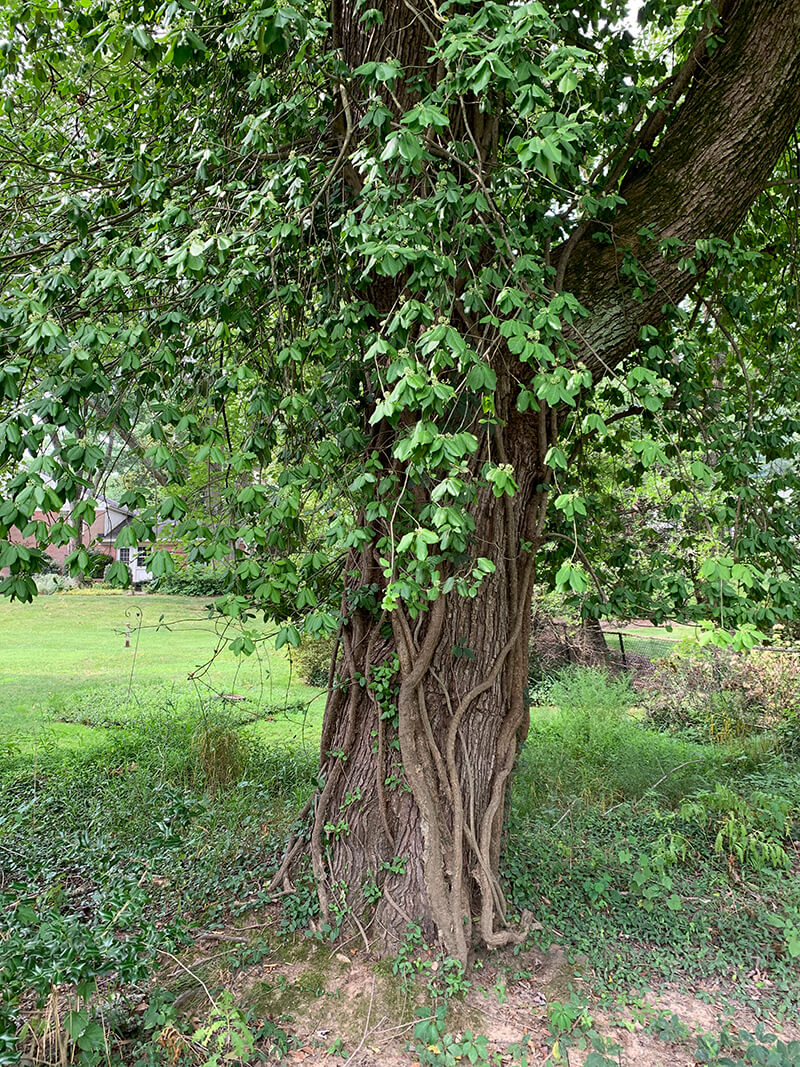
wintercreeper thick vines

Wintercreeper vines overrun natural areas and choke out native trees.

Invasive animals are a leading reason why many fish and wildlife species have gone extinct around the world. They cause harm because they:

  • Compete with native animals for food, habitat, and other resources.
  • Bring and spread parasites and diseases that can affect people, plants, and animals.
  • Prey on native species.
  • Damage native plants.
  • Damage soil and water, which harms the environment.
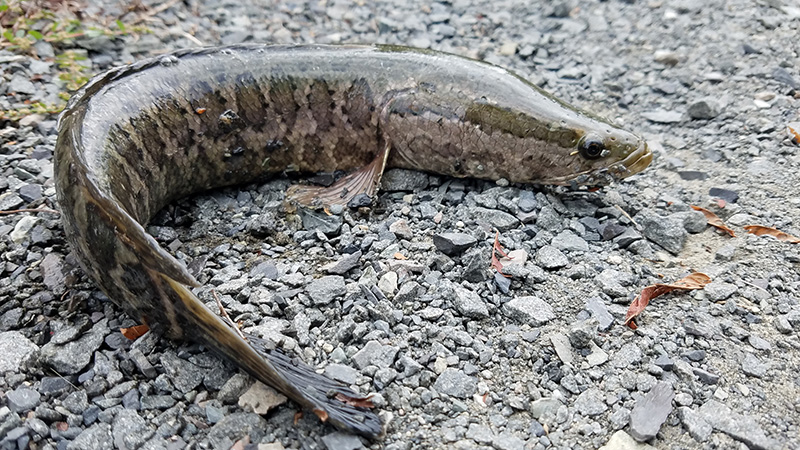
snakehead

Snakehead fish are aggressive hunters that can harm freshwater ecosystems by eating native fish, frogs, and crayfish.

Tree diseases that spread to new areas can harm native plants and animals because they don’t have natural controls like they would in their original environment. These diseases can destroy native trees and wildlife habitats, causing similar damage as invasive plants.

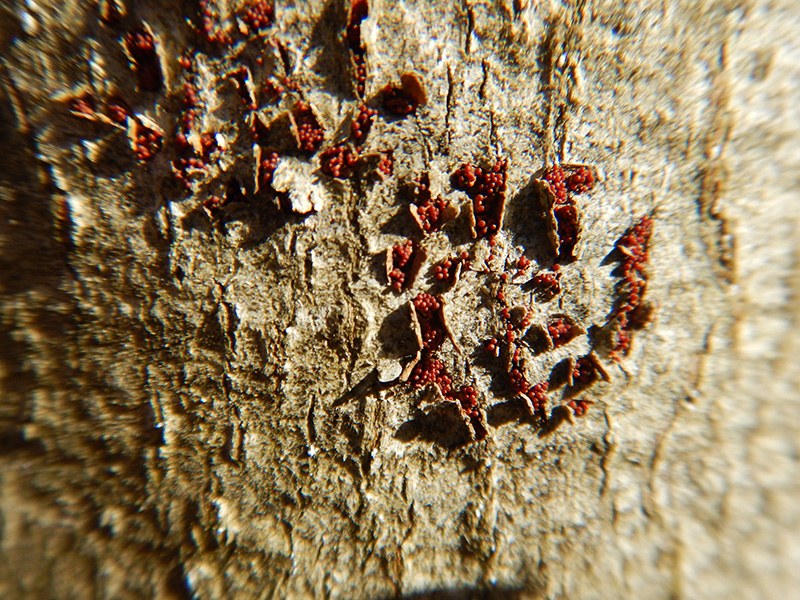
Magnified nectria - need caption

Beech Bark Disease is a serious condition caused by invasive scale insects and fungal infection.
This disease weakens and kills beech trees, threatening forest ecosystems.

Visit Forest Pests

ECONOMIC

Invasive species—plants, animals, and diseases—cost the United States about $120 billion every year (Pimentel et al. 2005). They cause problems in farming, forestry, fishing, and infrastructure. This slows down economic growth because it:

  • Makes crops produce less food
  • Hurts commercial and recreational fishing.
  • Damages livestock.
  • Reduces soil quality.
  • Lowers the value of property and buildings and causes other damage to infrastructure.
  • Raises the cost to control pests, weeds, and diseases

These higher costs for farming lead to more expensive food for everyone.

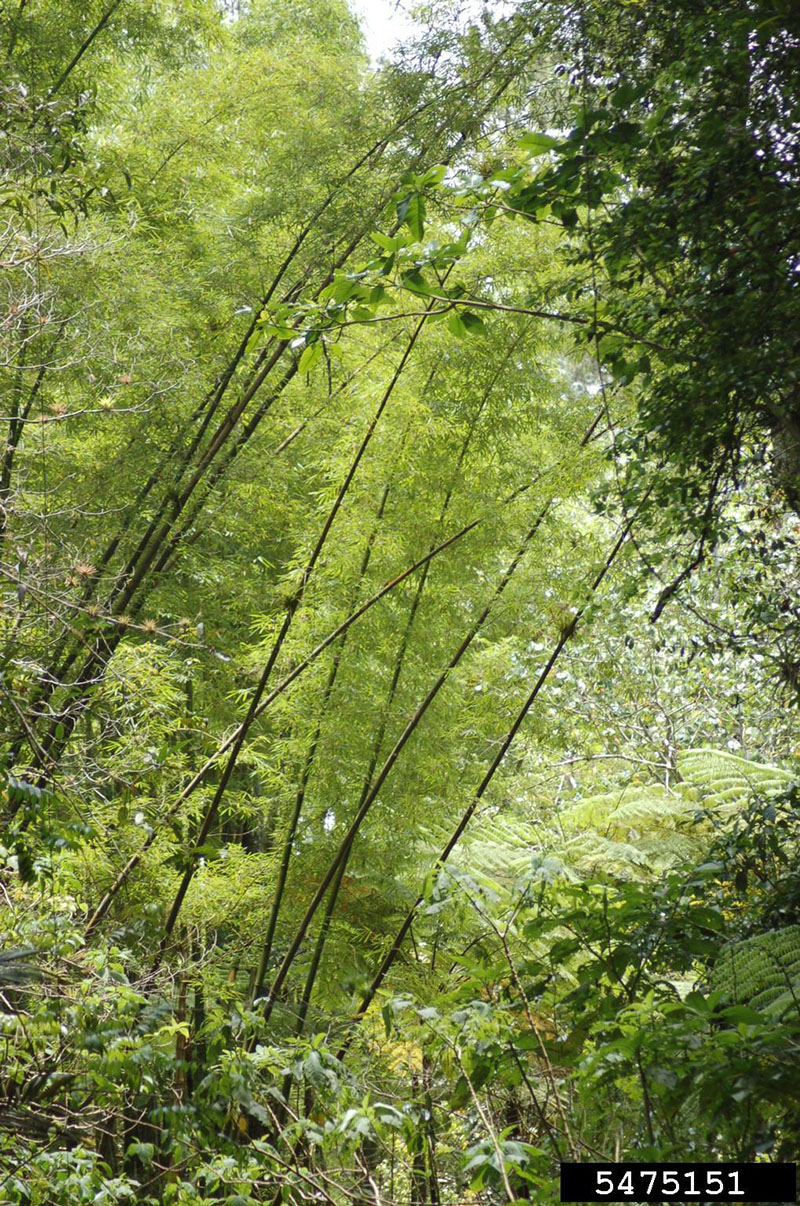
invasive bamboo

Bamboo can spread aggressively outside your property limits and be expensive to get rid of. Photo credit: Joy Viola, Northeastern University, Bugwood.org.

HUMAN HEALTH, SOCIAL and SAFETY

Enjoying Trails and Forests: Invasive species harm the health and beauty of our parks and outdoor spaces. This makes it harder for us to relax, clear our minds, and enjoy nature. They quickly grow so dense that they block access to trails and natural areas.

Protecting Natural Beauty: Native Virginia plants, birds, fish, and other wildlife are competing with invasive species for food and habitat. When native species disappear, we lose the chance to enjoy their beauty. For example, we’ve already lost American Chestnuts and Ash trees. Imagine spring without Virginia bluebells.

Water Recreation: Invasive plants in lakes and streams can make it harder—or less enjoyable—to boat or fish in those places.

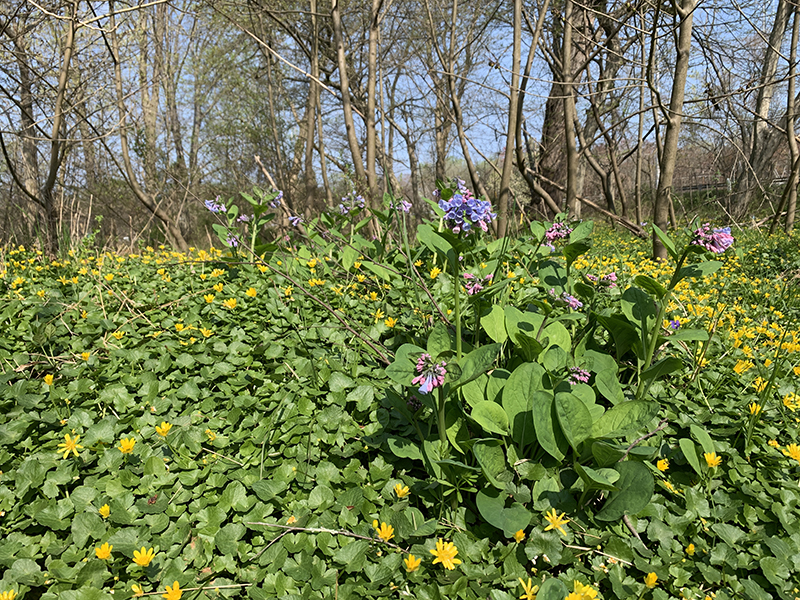
Celandine and Virginia Bluebells

Invasive Lesser Celandine overtaking field of native Virginia Bluebells

New Diseases: Deadly health outbreaks have been caused by non-native pests like mosquitoes, rats, and mussels.

Spread of Illness: The rise in Lyme disease has been linked to mice living in invasive shrubs that have taken over local forests.

Impact on Mental Health: When forests are damaged or destroyed by invasive species, we lose peaceful spaces that help relieve stress and support mental, emotional, and physical health. Knowing how invasive species harm our community can also leave people feeling helpless. Find out about how invasive species affect human health and what you can do to help.

Learn more at Invasive Species Human Health Impacts | National Invasive Species Information Center

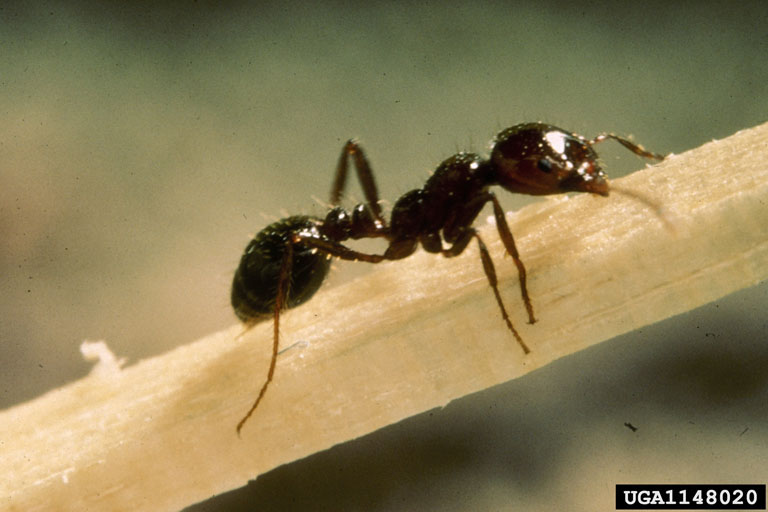
Red imported fire ants (RIFA)

Red imported fire ant (RIFA) can attack and cause painful stings on humans, pets, and livestock

Falling Trees: Invasive pests, diseases, or plants that smother and strangle trees can weaken or kill them. This makes them unstable and dangerous for people on trails or those living nearby.

Blocked Views: Invasive species can quickly form dense walls of plants. These walls block your view and make it harder to spot potential dangers.

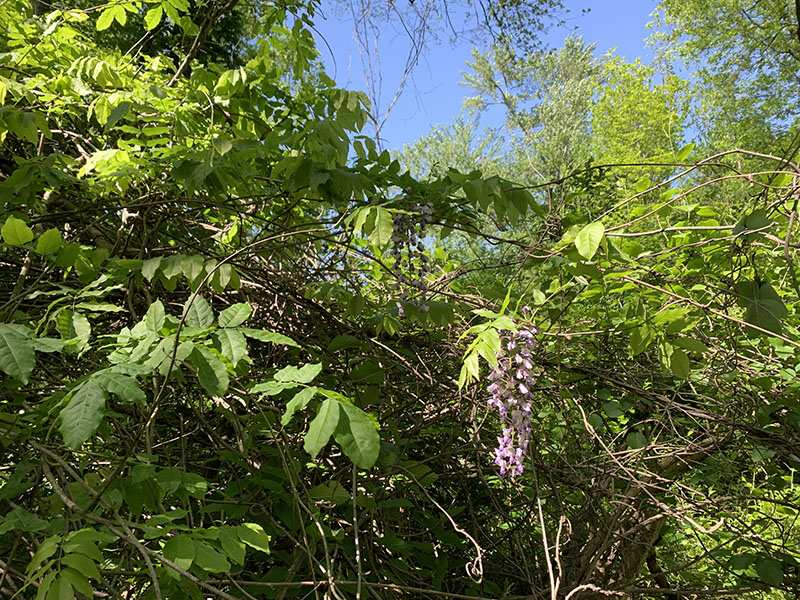
Invasive wisteria

Wisteria walls block views and make it hard to move through open areas.

More About Invasive Species

Species

Invasive Species Home
Plants
Animals & Insects
Diseases

How Do I ...

Recognize
Manage
Find Alternative Plants
Report Sightings
Volunteer or Support
Know my Responsibilities
Get More Information

More About

Why It Matters
What You Can Do
Working Together

Recent Interactions

    Ask Fairfax

    Terms & Conditions
    Live chat available Search our site
    • Translate
    • Awards
    • Site Feedback
    • PRIVACY POLICY & COPYRIGHT
    Main Address

    12000 Government Center Pkwy
    Fairfax, VA 22035

    Phone

    703-324-7329

    TTY 711

    Site Tools
    • Website Accessibility
    • Translate
    • Download Mobile App
    Support
    • ADA Accessibility
    • FOIA Requests
    • Website Administrator
    Additional Resources
    • Fairfax County Public Schools
    • Economic Development Authority
    • Visit Fairfax
    • Council of Governments
    • Commonwealth of Virginia
    • USA.gov
    • Calendar
    • Channel 16
    • Mail
    • Security
    • WIFI
    • Facebook
    • Twitter
    • Instagram
    • YouTube
    • Mobile

    The Official Site of Fairfax County