CONTACT INFORMATION:
Our administration office at 10777 Main Street in Fairfax is open during regular business hours 8 a.m. - 4:30 p.m., Monday - Friday. Clinic services are not offered at this location.
The Virginia Department of Health (VDH) was notified of a confirmed case of measles at Washington Dulles International Airport and the Washington Area Metro on Sunday, June 8. The confirmed case is an international traveler visiting the Washington, D.C. area. Health officials are coordinating an effort to identify people who might have been exposed, including contacting potentially exposed passengers on specific flights.
Listed below is the date, time, and location of the potential exposure site:
Dulles International Airport (IAD) on Sunday, June 8:
Concourse A, on transportation to the International Arrivals Building (IAB), and in the baggage claim area between 10:30 a.m. and 1 p.m.
Washington Area Metro on Sunday, June 8:
Silver Line Train from Dulles International Airport station transferring at the Metro Center Station to the Red Line Train heading towards Shady Grove Station between 11:30 a.m. and 2:30 p.m.
To date in 2025, Virginia has three reported cases of measles. For the latest information on measles cases and exposures in Virginia, please visit the VDH Measles website.
What should you do if you were at the above locations on the day and time specified?
If you have received two doses of a measles-containing vaccine, or were born before 1957, you are protected and do not need to take any action.
If you have never received a measles containing vaccine (either the measles, mumps and rubella [MMR] vaccine or a measles-only vaccine which is available in other countries), you may be at risk of developing measles. Anyone who might have been exposed and is considered to be at risk of developing measles should contact their healthcare provider immediately.
Non-immune individuals may qualify for post-exposure treatments. People who might have been exposed and are not immune should contact their health care provider or local health department immediately to coordinate administration of post-exposure prophylaxis.
Watch for symptoms for 21 days after the date of your potential exposure.If you notice symptoms of measles, immediately isolate yourself by staying home. Contact your healthcare provider right away. If you need to seek healthcare, call ahead before going to your healthcare provider’s office or the emergency room to notify them that you may have been exposed to measles and ask them to call the local health department. This call will help protect other patients and staff.
Anyone with an immunocompromising condition should consult with their healthcare provider if they have questions or develop symptoms.
If you have received only one dose of a measles-containing vaccine, you are very likely to be protected and your risk of being infected with measles from any of these exposures is very low. However, to achieve the highest level of protection, contact your healthcare provider about getting a second vaccine dose.
Measles is a highly contagious illness that can spread easily through the air when an infected person breathes, coughs, or sneezes. Measles symptoms usually appear in two stages. In the first stage, most people have a fever of greater than 101 degrees, runny nose, watery red eyes, and a cough. These symptoms usually start seven to fourteen days after being exposed. The second stage starts three to five days after symptoms start, when a rash begins to appear on the face and spreads to the rest of the body. People with measles are contagious from four days before the rash appears through four days after the rash appeared.
Measles is preventable through a safe and effective MMR vaccine. Two doses of the vaccine are given to provide lifetime protection. Virginia has high measles vaccination rates, with approximately 95% of kindergarteners fully vaccinated against measles. However, infants who are too young to be vaccinated, and others who are not vaccinated, are very susceptible to infection if they are exposed to measles. Infants six months through 11 months of age who will be traveling internationally, or to an outbreak setting, should receive one dose of MMR vaccine prior to travel. Talk to your healthcare provider if you have questions about the MMR vaccine.
In the midst of day-to-day life, men's health can be, and often is, overlooked. As we recognize and honor dads across the country this Father's Day weekend, take time to focus on men's health with some important conversations and reminders. Here are five easy things you can talk about:
Preventive care is key: Men die an average of 5 years earlier than women, often from preventable conditions. Routine check-ups and screenings are crucial for early detection of health issues.
Early detection makes a difference: Prostate cancer is the second most common cancer among men. Catching cancer early often allows more treatment options. Talk to your doctor about what cancer screenings might be right for you.
Know your numbers:50.8% of men ages 18 and older in the United States have high blood pressure. High blood pressure and high cholesterol can lead to serious health problems. By knowing and understanding your cholesterol and blood pressure numbers, you can take the steps necessary to stay healthy.
Talk about mental health and seek support: Mental health conditions, such as depression and anxiety, often go undiagnosed in men due to stigma. It has also been found that suicide rates among men are significantly higher. Anybody can experience mental health issues and there is no shame in asking for help. The Fairfax-Falls Church Community Services Board offers counseling, medication, crisis response, resources, and other services for people of all ages with mental health concerns.
Prioritize your health and wellbeing: A study found only 28.3% of men ages 18 and older in the United States met physical activity guidelines. Everyday activities such as exercising, eating healthy, and getting enough sleep can help prevent serious health conditions.
Give the gift of good conversation, disease prevention and healthy habits this Father’s Day!
As of 2022, nearly 1.2 million Americans were reported to be living with HIV.
It is estimated that 13% of the people who live with HIV in the U.S. don't know they have it.
While no vaccine exists yet, the availability of antiretroviral drugs and constantly improving treatment options now make it possible for an HIV patient to live a full and healthy life.
Each year, June 27 is recognized as National HIV Testing Day to call attention to the importance of knowing your status as well as learning about options for HIV prevention and treatment. HIV (human immunodeficiency virus) is the virus that can cause AIDS if it isn’t treated.
The only way to know for sure if you have HIV, is to get tested. This is also true for other a sexually transmitted infections (STIs), like syphilis, gonorrhea, or chlamydia. People who have HIV or an STI may still feel healthy and be unaware that they have an infection. However, these infections can cause serious health problems and be spread to others if left untreated.
If you are sexually active, STI testing is one of the most important things you can do to protect your health. When you know your status, you have powerful information to keep you and your partners healthy. Most infections can be cured, and all are treatable.
Throughout the last week of June, the Fairfax County Health Department is offering free HIV and STI testing and education at our health clinics. If needed, care and treatment support will also be offered. Free walk-in testing is available only at the following times and locations:
June is Pride Month, and the Fairfax County Health Department encourages all residents to take pride in their health and wellness. Taking pride in your health means making decisions that benefit not only yourself but also your family, loved ones, and greater community.
This month, everyone is invited to explore the health resources available to everyone in Fairfax County. Services span critical areas including preventive care, sexual health, mental wellness, and safety resources tailored to meet the needs of individuals at every stage of life. Ranging from specialized programs for youth and older adults to support services for those experiencing domestic violence, suicide prevention, and much more, Fairfax County’s goal is to ensure equitable access to quality healthcare information and services.
A health journey is a personal one, and every step taken towards wellness contributes to a stronger, healthier community. See below to learn about available resources.
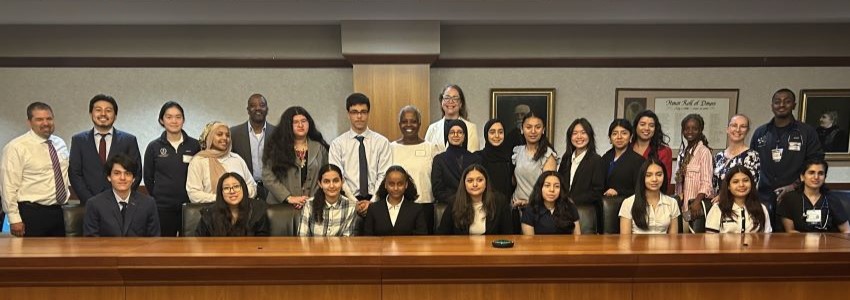
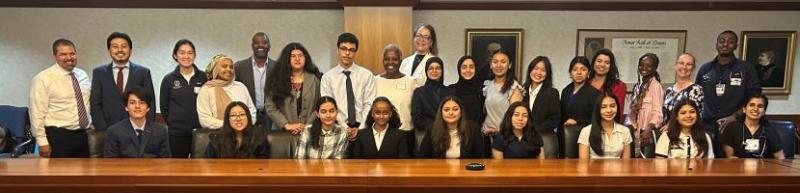
Seventeen Health Department Youth Ambassadors traveled to Georgetown University to present their community health projects to faculty members of the School of Medicine’s Department of Family Medicine. This event was the final competition for students from Justice, John Lewis, and Mount Vernon High Schools who participated in the Youth Ambassador program in either the fall or spring sessions this school year.
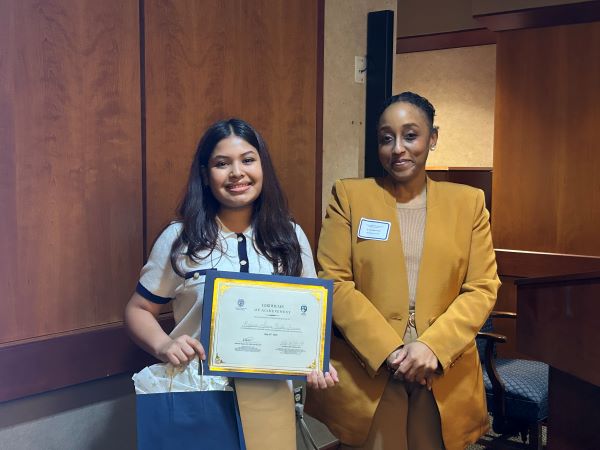
Roxana Melanie Pineda Serrano with Dr. Michelle Roett, MD
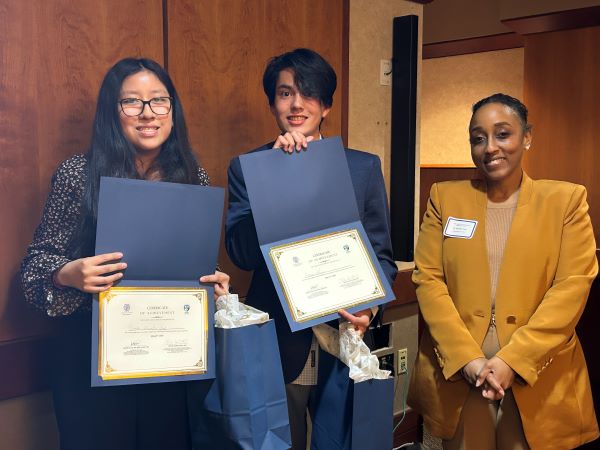
Roxana Melanie Pineda Serrano from Mount Vernon High School was named winner of the Best Individual Project category for her project to address food insecurity and access to affordable healthy food. The award for Best Group Project was presented to Justice High School students Brenda Ferrufino-Cruz and Connor Morgan for their plan to increase awareness of the early signs of a stroke.
Connor cited a very personal reason for choosing to tackle this particular health issue. “There's history in my family. My uncle had a stroke, but no one around him ever noticed that he was actually having a stroke," said Connor. "He was told to just sit down and go back to work, until later when he was rushed to the ER. Now he's just different behaviorally and emotionally. That made me want to pick this topic, so I can spread awareness towards the signs of strokes, and so no other family has to suffer like I did when I practically lost my uncle."
Brenda Ferrufino-Cruz and Connor Morgan with Dr. Michelle Roett, MD
Students in the Youth Ambassador program must complete a required community health project in order to graduate from the program. Participants selected a health issue that is relevant to them and created an actionable plan on how to address it. Among the criteria for evaluation, the student projects were judged on originality, cultural relevance, and feasibility.
After two rounds of preliminary judging by subject matter experts at the Health Department, 17 students advanced to this final round. Bipolar depression in students, hunger and access to healthy food, language barriers in healthcare, sleep deprivation among teenagers, and early detection of Alzheimer’s Disease were among other issues that students identified within their communities and chose to address.
Leading the judging panel this day was the Chair of the Department of Family Medicine, Dr. Michelle Roett, MD. “Today was absolutely inspirational,” said Dr. Roett. “I loved to hear the energy and see the hard work that the students put into their projects. I wish I could have had an opportunity like this when I was in high school.”
Other members of the department who served as judges included Dr. Khaseem Davis, MD, Senior Associate Dean; Dr. Claudia Nguyen, MD, Professor and Psychotherapist; Dr. Brian Lin, MD, Resident Physician; Dr. Kim Bullock MD, Associate Professor; and Dr. Keri Kirk, MD, Clinical Psychologist and Assistant Professor.
In addition to the presentation of their projects, the students received a tour of the School of Medicine facilities. The event at Georgetown University was coordinated by Dr. LaTasha Seliby-Perkins, Assistant Professor of Family Medicine and Director of Community-Based Learning at the School of Medicine. Dr. Seliby-Perkins also served as MC and host of the event.
Youth Ambassadors pose with program staff, Georgetown med school students, and Health Director Dr. Gloria Addo-Ayensu
The Georgetown University School of Medicine is an important partner in the Public Health Youth Ambassador Program. Throughout the year, med students from the school met with and coached program participants, and provided in-class instruction in some of the program’s more medical-related lessons. Part of the goal of the program is that youth ambassadors will develop relationships with the med students, forming a mentorship opportunity that will encourage the young person through their career discovery and education years.
Learn more about the Public Health Youth Ambassador Program. For anyone interested in applying for program participation for the 2025-2026 school year, the applications should be available online in August for the fall cohort, and in December for the spring cohort.
Three Live Healthy Award winners were recognized at the Partnership for a Healthier Fairfax Spring meeting today.
The annual Live Healthy Fairfax Awards recognize individuals and organizations that demonstrate exemplary leadership and action to improve the health and well-being of individuals, families, and populations across the Fairfax Health District. Their goals and projects align with the goals of the Community Health Improvement Plan (CHIP), specifically in the areas of Behavioral Health, Healthy Eating/Fairfax Food Council, and Healthy Environment and Active Living.
Girls on the Run of Northern Virginia, Behavioral Health Award
Girls on the Run (GOTR) of Northern Virginia
The mission of Girls on the Run (GOTR) of Northern Virginia is to inspire girls, of all abilities, to recognize their inner strength and form meaningful connections with others. Through the guidance of trained volunteer coaches, the program uses physical activity and dynamic discussions to help girls build social, emotional, and physical skills while also encouraging healthy habits for life. GOTR hosts research-based programs that foster positive effects of physical activity. Their programs also discuss and address topics such as negative self-talk, and poor self-esteem, which are often detrimental to mental health. The program reaches girls at a crucial age, combating the societal pressures that often tell them “They can’t” by empowering them to believe “they can.”
Girls on the Run of Northern Virginia believes that all girls deserve the opportunity to experience this transformational program, regardless of their socioeconomic status. In 2024, over 40% of participants received program scholarships. The organization also responded to concerns from coaches about some girls lacking the energy to fully engage in practice due to not having enough food to eat. In response, Girls on the Run formed vital partnerships with local food banks to provide nutritious snacks. Additionally, the organization ensures that participants have access to athletic shoes and clothing when needed, supporting full participation in the program.
“It’s a great opportunity to not only connect with youth in your community, but to have a far-reaching impact on young girls. They’re so impressionable at this juncture and this program provides them with an outlet for energy and confusing emotions and helps them build positive relationships with themselves and others.” ~ Volunteer Girls on the Run Coach
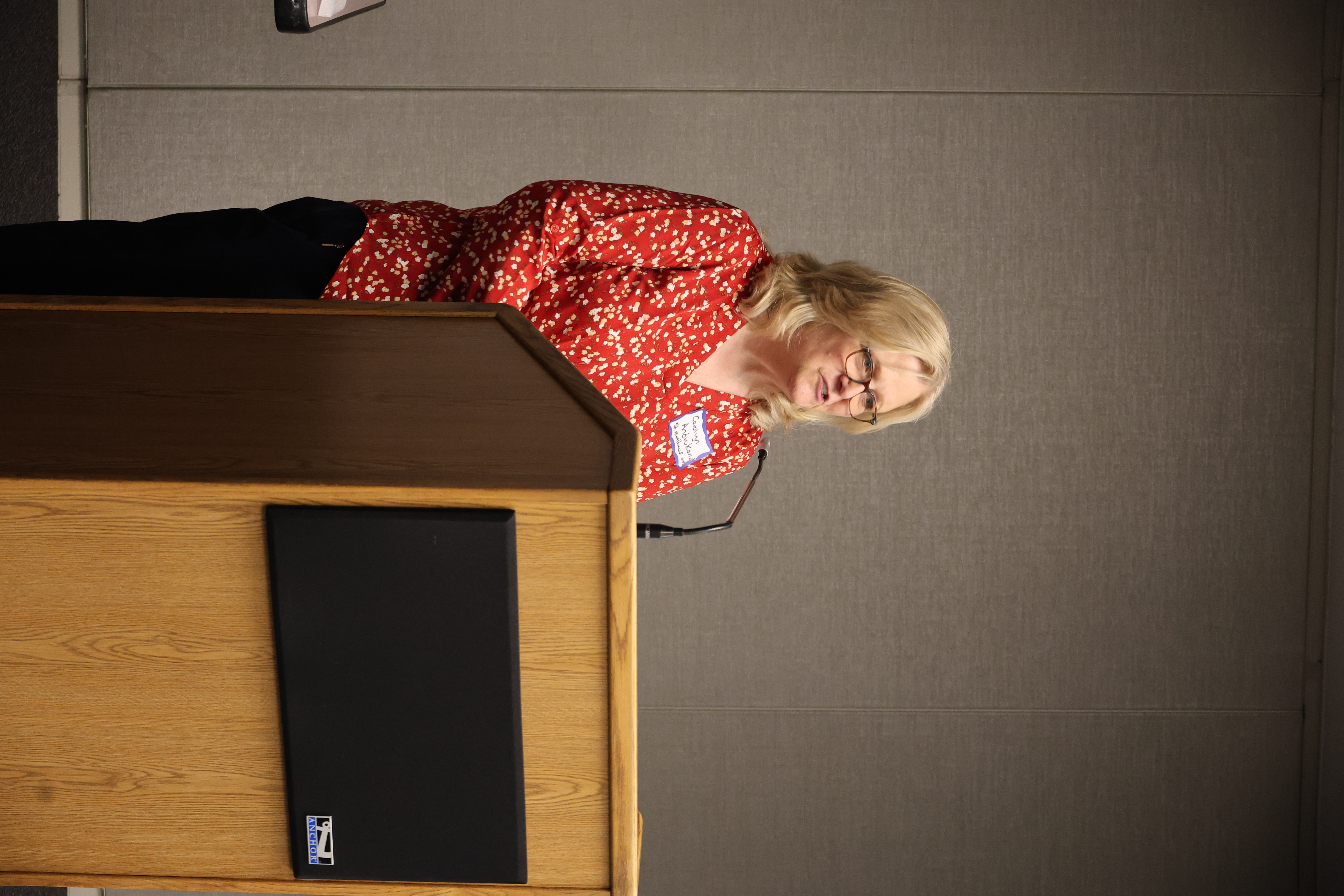
Carolyn Andrukonis, St. Matthew’s United Methodist Church Ken Jackson Food Pantry (KJFP)
St. Matthew’s United Methodist Church Ken Jackson Food Pantry, Healthy Eating/Fairfax Food Council Team Award
The St. Matthew’s United Methodist Church Ken Jackson Food Pantry (KJFP) serves as a vital food distribution program and serves roughly 80 household per week. The KJFP offers a wide range of non-perishable and, when available, perishable items that are stored in large refrigerators and freezers. Their bi-weekly distributions—held at varied times to accommodate different schedules—ensure that the community has access to nutritious food. In addition to providing food, the KJFP provides diapers, feminine hygiene products, and connects individuals with vital community resources, including health information and clothing assistance.
St. Matthew’s United Methodist Church efforts include dozens of volunteers and participates in the Power Pack Program (P3), which provides packages of food in backpacks to students at Weyanoke Elementary and Holmes Middle Schools.
“The Ken Jackson Food Pantry has the philosophy of when you give back, more is given back to you. This has been evident in observing that no matter how low the food pantry may be, there is always enough food for all the people who arrive twice a week to receive food and for the children of Weyanoke Elementary School. This impact on the community is amazing and will continue for as long as there is a need."
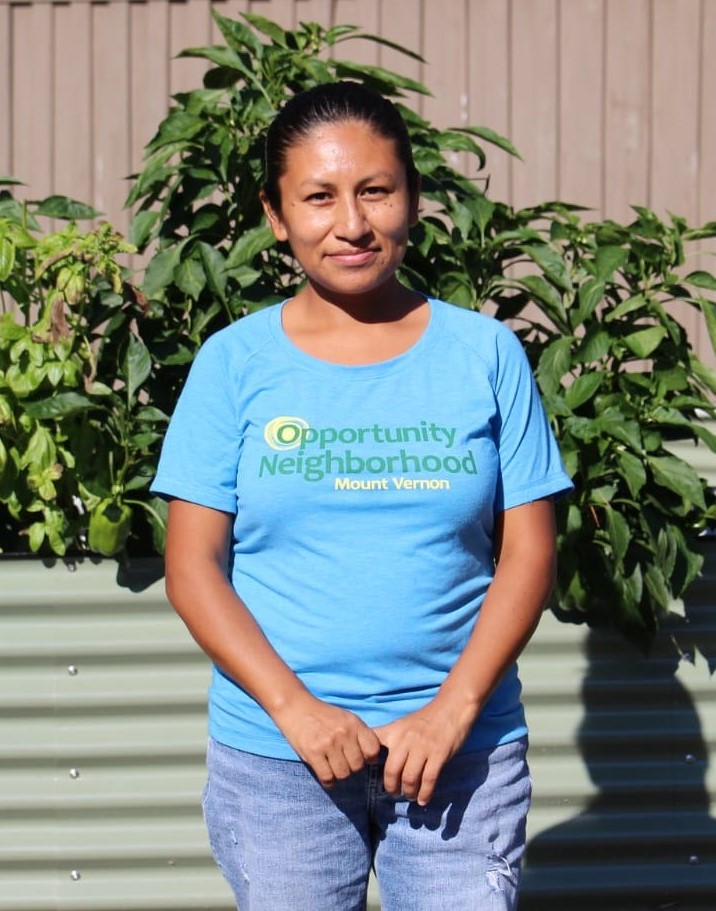
Juana Cruz Martinez, Healthy Environment and Active Living Award
Juana Cruz Martinez
Juana Cruz Martinez is deeply committed to improving the health of Fairfax residents, particularly in underserved communities, through her leadership and tireless efforts to promote a healthy environment and active living. Ms. Martinez serves as Co-Chair of the Community + Health Work Group, where she strongly advocates navigating and eliminating barriers to healthcare access for all individuals and families.
She worked tirelessly to lead efforts that created a community garden at Hybla Valley Community Center, which provided fresh produce as well as opportunities for community engagement. Ms. Cruz Martinez also collaborates with initiatives like mindfulness session groups to further promote active lifestyles, helping to organize community health fairs, a cross-collaborative diabetes health fair, workshops, and public safety meetings. She meets topics and engages residents on critical issues including substance use and gang violence, always connecting residents with information and resources to help.
“Juana’s dedication to inclusivity, innovative practices, and sustainability has made a lasting impact, embodying the values of the Live Healthy Fairfax Award.”
Congratulations to all Live Healthy Award winners!
The Partnership for a Healthier Fairfax is a coalition of community members and organizations working together to explore new approaches for addressing the social determinants of health and other critical public health issues. Learn more about what you can do to get involved by visiting Live Healthy Fairfax.
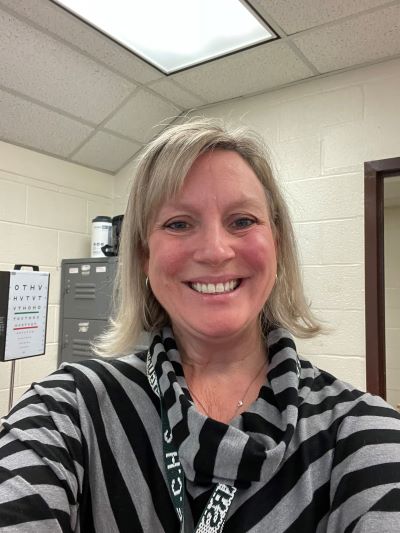
During National Nurses Month, we honor the heart, dedication, and quiet heroism of nurses across the country. This edition of Profiles in Public Health recognizes someone whose journey into nursing began with compassion at home and has grown into a 30-year career of extraordinary service—the Health Department’s Nurse of the Year, Julie Smith.
From her earliest memories, caregiving was second nature. “I grew up with elderly grandparents at home,” Julie recalls. “My mom was their caretaker, and it was just natural for me to help out. From a young age, I cared for my grandmother—it’s all I ever wanted to do.”
She followed that calling, working as a certified nurse’s aide in high school before pursuing her nursing degree. Three decades later, that childhood instinct evolved into a distinguished nursing career spanning prison healthcare, cardiac step-down, medical-surgical floors, clinics, and, ultimately, public health.
Julie has served with the Fairfax County Health Department for eight years, a move initially motivated by her own family’s needs. “We’re a military family, and we moved around a lot,” she explains. “As my kids got older and 12-hour hospital shifts became harder, I wanted something more balanced. I saw a posting for a public health nurse and thought, ‘That sounds like a great fit.’ It ended up being perfect.”
What began as a search for balance quickly became a mission. As a School Health nurse, Julie now serves not just as a clinician, but as an advocate, educator, and trusted presence in the lives of hundreds of students and families. She cites the ability to build deep, lasting connections as a major difference from her previous experiences.
“In the hospital, you care for someone in crisis—then they’re gone the next day,” Julie says. “But in school health, you get to see the same students day after day, year after year. I’ve followed students with chronic conditions like diabetes from kindergarten to sixth grade. Being part of their lives as they grow and learn—it’s incredibly meaningful.”
Among the many lives she’s touched, one case stands out. A young boy who had lived with an ostomy since infancy arrived at school with minimal medical supplies and limited family resources. Collaborating with care coordination teams, social workers, and local services, she helped guide the child and his father through a life-changing surgery and recovery process.
“He came from a Latin American country with just his dad and had lived with this condition his whole life,” she shares. “Seeing him return to school after the reversal surgery, happier and with a new outlook on life—it was one of those moments that reminds you why we do this work.”
Julie’s empathy extends beyond physical health. One of the most pressing concerns she sees today is the growing youth mental health crisis. “We’re seeing younger and younger students with mental health needs,” she says. “So many come to the health room with physical symptoms rooted in anxiety or depression. The stigma still exists, and resources are limited, but the need is enormous. Connecting students and families to help is one of our most urgent challenges.”
Despite the gravity of the issues she faces, her message to aspiring nurses is one of hope and encouragement. “Nursing is such a diverse field. There’s job security, yes, but more importantly, there are so many ways to make a difference. Public health nursing, in particular, gives you that balance—and the impact you can make is huge.”
Julie praises the health department as a uniquely collaborative environment where no nurse works alone. “If I have a student with a suspected communicable disease, I can reach out to our epidemiology team. If there’s a concern about pregnancy, I have maternal-child health to support. The internal resources here are incredible.”
As Julie reflects on three decades in nursing, she smiles and says, “I used to look at the seasoned nurses and think, ‘Wow, they’ve seen it all.’ Now I’m one of those seasoned nurses.” On this anniversary of the birth of Florence Nightingale, the founder of modern nursing, we recognize not just her years of service, but the compassion, resilience, and quiet strength Julie brings to every school hallway and every child she cares for. Her story is a powerful reminder that the heart of nursing is in the lasting impact nurses make every single day.
Each May, National Nurses Month provides an important opportunity to recognize and honor the critical contributions nurses make to our healthcare system and communities. Established to highlight the essential role of nursing professionals across all settings, this month-long observance acknowledges the expertise, leadership, and dedication that nurses bring to their work — shaping healthier populations and strengthening the foundation of public health.
While every nurse deserves recognition, the Health Department shines the spotlight specifically on the invaluable role of public health nurses. Often working behind the scenes, public health nurses operate where health care and community life intersect. They are the ones who visit homes to support new mothers, manage vaccination campaigns, coordinate responses during public health emergencies, and work tirelessly to educate communities about disease prevention and healthy living.
Dr. Parham Jaberi, Deputy Director for Medical Services for the Fairfax County Health Department expressed the gratitude of the entire department when he said, “We are deeply grateful for the commitment, compassion, and breadth of expertise that our public health nurses bring to their work every day in serving our residents of Fairfax.”
Public health nurses are uniquely positioned to see the bigger picture of community health. Their work often addresses the root causes of health issues — from advocating for cleaner environments to connecting individuals with vital social services. During crises like the COVID-19 pandemic, they were on the frontlines, conducting testing, contact tracing, and ensuring that even the most vulnerable populations received care.
Their impact is far-reaching: improving childhood immunization rates, reducing chronic disease through education and early intervention, and even lowering health care costs by preventing hospitalizations before they happen. Public health nurses are not only healers but also advocates, educators, and leaders, often quietly shaping healthier futures for entire communities.
The origins of this Nurses Month observance trace back to 1954, marking the 100th anniversary of Florence Nightingale’s groundbreaking work during the Crimean War. Official recognition grew over the decades, with National Nurses Week first established in 1974 and eventually expanding to a month-long celebration. Each year, this time serves as a reminder to express gratitude for the dedication, compassion, and skill that nurses bring to their work every day.
As we honor nurses this month, it is crucial to acknowledge the breadth of their contributions. They are the trusted hand of health and wellness, the voice of calm in emergencies, and the guiding light toward healthier, stronger communities. Public health nurses, in particular, embody the spirit of service and resilience that National Nurses Month is designed to celebrate.
To raise awareness about disorders related to hearing, voice, speech or language, the Fairfax County Health Department joins the American Speech-Language-Hearing Association (ASHA) and other organizations in observing National Speech-Language-Hearing Month in May.
Throughout the month, trained personnel from the Health Department's Speech and Hearing program will present free, 30-minute informational sessions at several county libraries. Designed for parents who want to learn more about speech and hearing development, local experts will share signs to look for, tips to support children at home and information about early intervention options. Attendees will have a chance to ask questions and connect with other parents.
Following the information sessions, speech therapists will return to the libraries to offer no-cost speech screenings (testing) for children ages 3 to 7 years. Appointments are required for the free screenings. Use the registration button below the chart.
For more information about the workshops or the free screenings, call the Fairfax County Health Department Speech and Hearing Services Program at 703-246-7120.
Early detection can make a big difference
A child can quickly fall behind if speech and language learning is delayed. Studies show that when children with speech and language disorders and delays are identified earlier, they make faster progress and have a better chance to catch up to same-aged peers. Signs that indicate a potential need for screening include: children not talking as much as other children their age, trouble pronouncing words, and not responding when called by name.
Speech-Language-Hearing Month observances provide an opportunity to learn about the importance of human communication and what we can all do to prevent and address communication disorders, and to encourage people to think about their own hearing and get their hearing checked. In the United States, at least 46 million people have a hearing or other communication disorder. Approximately 3 percent to 16 percent of U.S. children and adolescents between the ages of 3 and 21 experience speech and language disorders. This means that around 1 in 12 children may have a disorder related to voice, speech, language or swallowing.
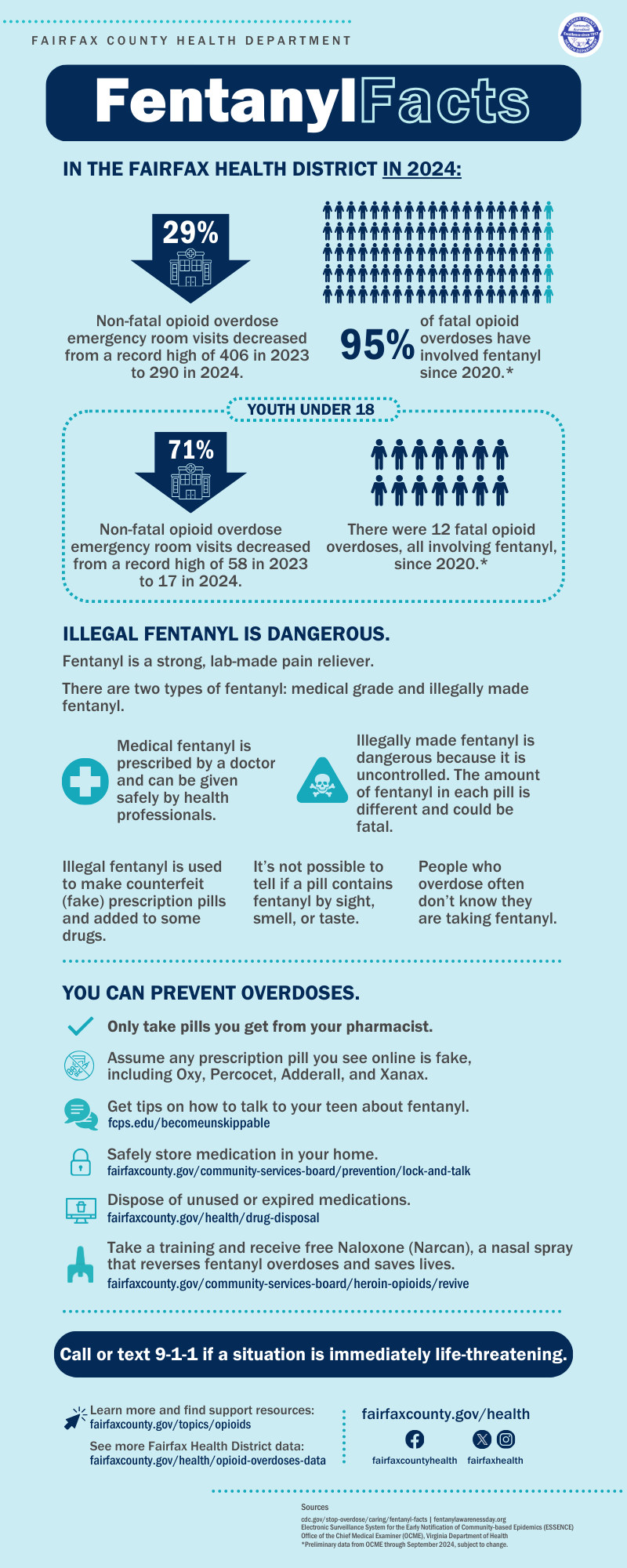
The fourth annual National Fentanyl Awareness Day takes place this year on April 29, 2025. Fentanyl Awareness Day is observed to help inform communities like ours about the dangers of illegally made fentanyl. Across all ages, almost all (95%) fatal opioid overdoses have involved fentanyl since 2020 in the Fairfax Health District.
Illegal fentanyl is dangerous, but there are steps you can take to prevent overdoses. See the infographic below to get the facts on fentanyl and learn how to help prevent fentanyl overdoses in our community.




%20(1).png)



 During National Nurses Month, we honor the heart, dedication, and quiet heroism of nurses across the country. This edition of Profiles in Public Health recognizes someone whose journey into nursing began with compassion at home and has grown into a 30-year career of extraordinary service—the Health Department’s Nurse of the Year, Julie Smith.


 To raise awareness about disorders related to hearing, voice, speech or language, the Fairfax County Health Department joins the American Speech-Language-Hearing Association (ASHA) and other organizations in observing National Speech-Language-Hearing Month in May.