

Public Affairs Alert:
| Title | Body | Field Image | Field Publishdisplaydate | Authored on |
|---|---|---|---|---|
| Fairfax County to Invest $1.2 Million in Economic Development Funds in Downtown Herndon Project |
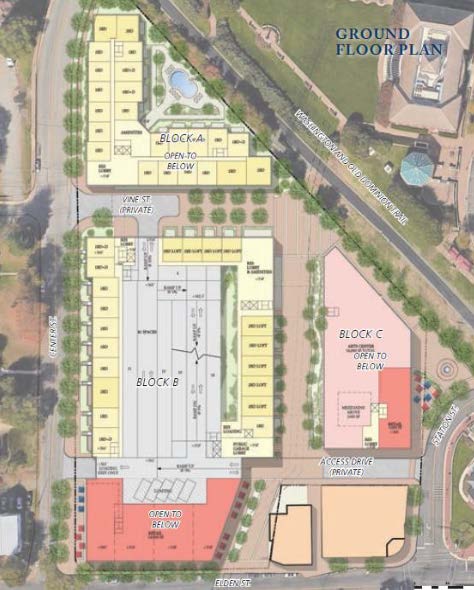
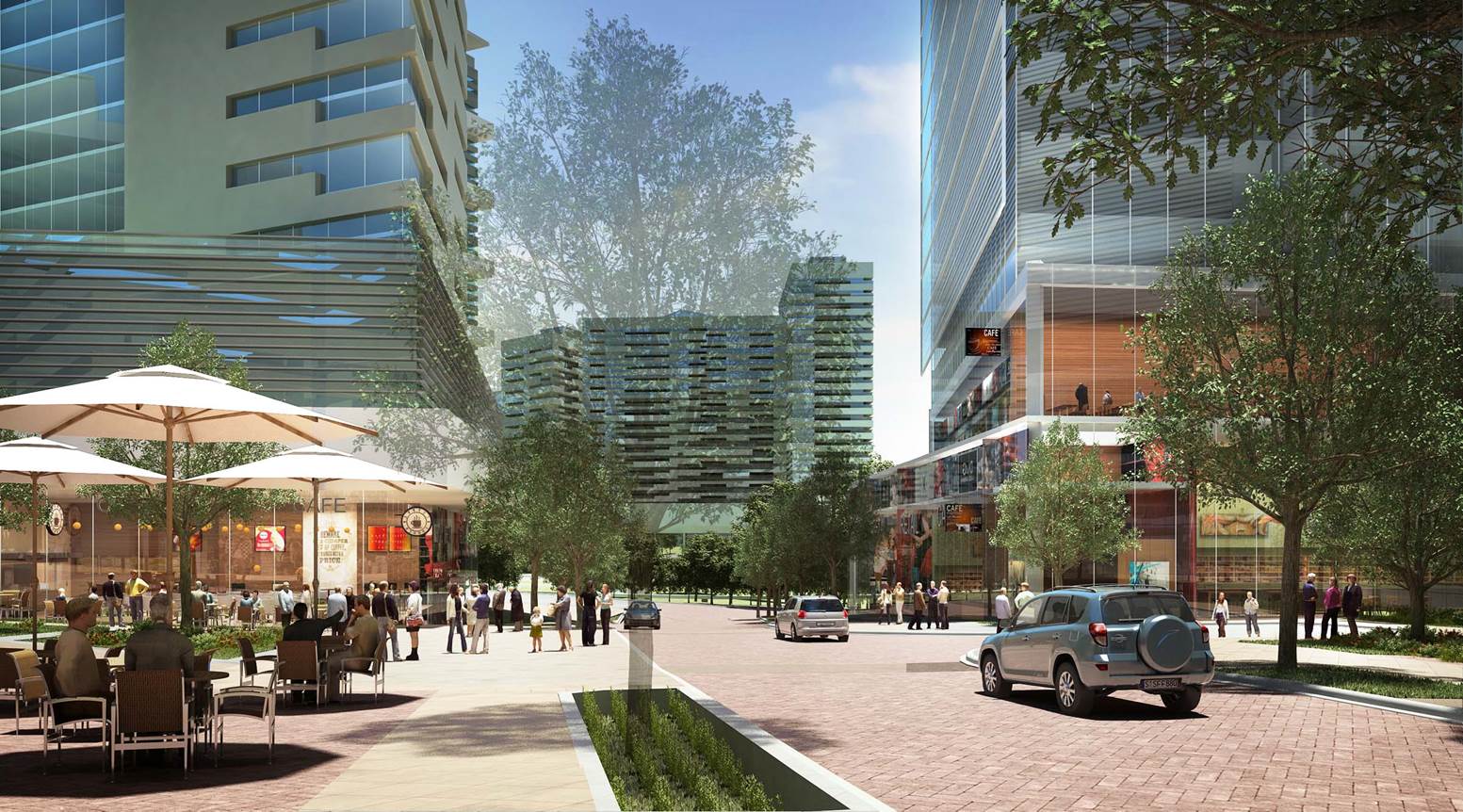
This is the largest investment to date from the $5 million fund that’s designed to stimulate economic growth in the county. The Board of Supervisors approved a funding agreement with the Town of Herndon on June 19, 2018. The agreement details how the county’s funds will be spent on this public-private partnership project between the town and Comstock. The project will create a town center with the 18,000-square foot arts center planned as the centerpiece for downtown Herndon. The three-building development plans include approximately 281 apartments, 17,600 square feet in ground floor retail and a 761-space parking garage. “I am pleased that funding from the County’s Economic Development Support Fund will help make the Herndon Arts Center a reality,” said Dranesville District Supervisor John Foust, who chairs the Fairfax County Economic Advisory Commission. “Activities around the arts create thousands of jobs and hundreds of millions of dollars in economic activity in Fairfax County. The Herndon Arts Center will also contribute to the success of a redevelopment project that will significantly increase the tax base of the town and the county. Projects like the Herndon Arts Center also contribute to the county’s economic success by creating a community that will attract a 21st century workforce.” County officials anticipate that its investment will be recouped in the first two years after the project is delivered. The new development is expected to generate up to $800,000 a year in new property and sales taxes revenues for the county, according to an independent economic analysis commissioned by the town. Because the town owns the site for the future development, the 4.67-acre property is currently tax exempt. The new town center, however, would pay real estate taxes, as well as generate sales tax from the retail components. Located at intersection of Elden Street and Center Streets, south of the W&OD Trail, the site was formerly home to a car dealership, and it currently serves as a municipal parking lot. “Allocation of this grant funding to the town is a tangible, impactful demonstration of Fairfax County’s commitment to economic development in Herndon,” said Mayor Lisa Merkel. “Redevelopment of Herndon’s downtown creates a new and exciting destination at the county’s western edge, and we greatly appreciate the spirit of partnership symbolized by this grant.” The county’s investment is leveraged by an additional $3.6 million in funding that the town will contribute towards the project’s construction. Under the agreement with the town, Fairfax County will not invest its money until Herndon first puts in a minimum $1.2 million of its own funding. The county created its Economic Development Support Fund a year and half ago exactly for projects like this one. This fund is intended to invest one-time, seed money into projects that will create direct economic benefits to Fairfax County. This makes the fund different from traditional economic incentives that some governments offer to companies or developers. The fund is intended to pay for capital development projects, buy property, or provide programming support for activities identified in the county’s strategic Economic Success Plan. This plan calls for growing and diversifying the economy in part by encouraging more mixed use development and arts facilities and districts. For more information on the county’s investment or the economic development fund, contact Scott Sizer, Office of the County Executive, at 703-324-2581. # # # |
June 19, 2018 | June 19, 2018 | |
| Made in Fairfax: Fairfax County Seeks to Boost Local Artisan Manufacturing | NEWS HIGHLIGHTS
When it comes to manufacturing, what’s old is new again. Small, handmade or craft manufacturing is making a comeback, and Fairfax County wants to encourage more of these businesses to open shop. The county is looking at how to support the growth of artisan manufacturing, also known as small-scale production. Officials are studying possible locations in Fairfax to allow these small, craft businesses to operate, along with considering supporting land use and zoning changes. To kick off its efforts, the county is holding a forum, “Made in Fairfax,” on Monday, June 18, 2018, at 6:30 p.m. at the Fairfax County Government Center, 12000 Government Center Parkway, in conference rooms 9/10. Residents, artisan manufacturers and real estate professionals are invited to attend. The event will feature a presentation and discussion with the county’s consultant, national expert Ilana Preuss with Recast City. Furniture, custom jewelry, textiles, baking, coffee roasting and 3D printing — this is the kind of small-scale manufacturing that’s increasingly popular. These small-batch makers can help revitalize neighborhoods, fill empty buildings and create new jobs. “We’re looking at those types of businesses that are cleaner, quieter and more community friendly, and therefore would be good neighbors in mixed use areas,” said Doug Loescher, program manager with Fairfax County’s Office of Community Revitalization. The county is turning towards artisan manufacturing as a way to fill vacant commercial space no longer viable for traditional retail, while enlivening older commercial areas with new activities and local enterprise. “This effort is an outgrowth of the need to repurpose vacant offices and other properties into other uses,” Loescher said. “While Fairfax County has a very low retail vacancy rate, we know that the national trend points to long-term changes.” Because the county is considering permitting artisan manufacturers to both make and sell their products from the same space, they can also function as retailers. This dual role makes the businesses a good fit for mixed-use areas. “We recognize the potential for small-scale production businesses to enhance the character and identity of commercial centers and to create a more vibrant atmosphere with more choices for shoppers,” said Loescher. County leaders also see artisan manufacturing as a way to grow and diversify the economy. While many equate manufacturing with large factories, 42 percent of manufacturers employ four people or less, according to the U.S. Census Bureau. In general, small businesses are responsible for two out of three net new jobs created. In Fairfax County, there are approximately 125 small-scale producers, ranging from 3D printing to precision parts to organic juice making. This finding comes from an initial inventory taken as a first step in the county’s project. As a follow on to this census, in-depth interviews will be conducted with about 30 of these manufacturers. “We're interested in learning why these businesses have chosen to be in Fairfax County, what are some of the challenges they face and what are their plans to expand or develop,” said Loescher. “And, finally, what their interest would be in locating in mixed-use commercial areas where they can have a space where they can both make products and sell them to the public.” As part of the project, the county also will engage real estate developers to create a dialogue with manufacturers. Fairfax revitalization staff anticipate producing a final report this fall that will outline strategies and recommendations for implementation. They hope to test their findings with a pilot project in one or more locations in the county. For more information or reasonable ADA accommodations, contact Doug Loescher with the Fairfax County Office of Community Revitalization at 703-324-9305, TTY 711. # # # |

|
June 8, 2018 | June 8, 2018 |
| Fairfax County Receives 4 National Achievement Awards | Fairfax County has been honored with four National Association of Counties (NACo) 2018 Achievement Awards, recognizing effective and innovative programs that contribute to and enhance county government in the United States. Nationally, awards are given in 18 categories, including children and youth, criminal justice, county administration, information technology, health, civic engagement and many more. The awards will be presented at NACo’s 2018 Annual Conference and Exposition, July 13-16 in Nashville/Davidson County, Tennessee. The award recipients and categories are:
To find out more about the programs search “Fairfax County awards” at www.fairfaxcounty.gov. |
May 25, 2018 | May 25, 2018 | |
| New Fairfax County Policy Helps Empty Offices in Suburban Neighborhoods Convert to New Uses | The Fairfax County Board of Supervisors approved a change to the county’s land use plan to more easily allow empty office buildings in suburban neighborhoods to be converted into other uses. 
While suburban offices only make up 3.3 percent of the county’s vacant office space, this change could help these buildings find new life as apartments, live-work units, shops, hotels, schools, libraries, makerspaces and other light industrial or commercial uses. The board passed the policy update to the Comprehensive Plan at their May 1, 2018, meeting. The action follows a similar change approved last December for empty offices in areas planned for mixed-use or industrial areas. Policy Makes Office Conversion Easier and FasterOffices in suburban neighborhoods may now be turned into other uses without a site-specific change to the Comprehensive Plan if certain conditions are met. For example, these new uses must be compatible with surrounding development, offer more ways for pedestrians to access the building and consider impacts to schools and parks if new residences are considered. Most buildings proposed to be repurposed will need rezoning approval by the Board of Supervisors. This process incorporates opportunities for community input, including public hearings. County officials also retain the right to initiate a site-specific land use change to the plan for a reuse project. Fairfax's Suburban Office Vacancy RateWhile the county confronts 18 million square in office vacancies, most of this underused space can be found in the areas near Metro stations or other mixed use areas. Empty offices in suburban areas account for 607,000 square feet of this total. Looking at the data, the county’s planners found that 80 percent of suburban offices were fully occupied or had 10 percent or less vacancy. Only 25 offices accounted for almost 50 percent of the total vacant square footage. Office Conversion BoomOverall, there have been more office conversions in Northern Virginia during the last 2.5 years than the last 10 years combined, according to real estate services firm JLL. Last year, about 800,000 square feet were converted and another approximately 400,000 square feet have been announced for conversion so far this year. 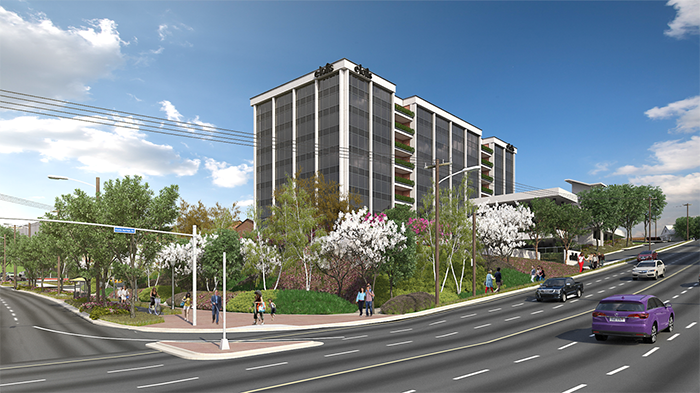
Offices built before 1980 have the lowest vacancy rate, 12.5 percent, says the Fairfax County Economic Development Authority. For suburban offices, however, most of the vacancies are found in buildings constructed in the 1980s or earlier. Of the 25 offices that make up half of the square footage in vacancies, 21 are from the 1980s and 70s. In general, suburban offices are more likely to be fully leased since they are smaller buildings that often serve small businesses like doctors, travel agents and real estate brokers. Offices with vacancies rates of 10 percent or less are unlikely to be converted to other uses, say county planners. This finding comes from conversations with building owners and developers. # # #
|
|
May 3, 2018 | May 3, 2018 |
| Fairfax County Board of Supervisors Approves Scotts Run South Development in Tysons |
Almost two-times the size of its other development in Tysons— Arbor Row—CityLine Partners’ Scotts Run South project will add more than 6.6 million square feet of mixed use development near the future McLean Metro station. This project will erect 17 new buildings, including office, residential, retail and a hotel. Scotts Run South will replace much of the existing West*Gate office park. The majority of Scotts Run will be within a quarter mile from the McLean station, the easternmost rail stop in Tysons. The more than 30-acre project is separated by Scotts Run Park. Most of the development sits to the east of the stream valley park on a 23-acre site, along Route 123 near the intersection of Colshire Drive. The plan calls for 13 new buildings—six office, six residential, and one hotel. These account for more than 5.1 million square feet of the total development. To the west of the park, the development covers two parcels, totaling 6.9 acres, along both sides of Old Meadow Road from Route 123 to Colshire Meadow Road. This portion of Scotts Run includes four buildings—one apartment and three high-rise office buildings up to 350 feet tall. While most of the development will be built over time as market conditions allow, CityLine submitted two final development plans, which would allow construction to begin quickly. These plans include two residential buildings with up to 440 units located between Chain Bridge Road and Anderson Road. Also included is a 225-foot, 340,000 square foot office building on 2.94 acres associated with the MITRE office park. The plan incorporates many features that move forward Fairfax County’s goal to turn Tysons into a walkable, environmentally friendly, 24/7 urban center, including:
CityLine also has committed to building a 15,000 square foot, free-standing fire station off-site on Old Meadow Lane. Based on county projections, a new station will be needed in this part of Tysons within seven years, and the developer must provide the new station no later December 31, 2020. Scotts Run South is one of the 18 major redevelopment applications for Tysons. Collectively, these applications propose more than 36 million square feet of new development. If all approved, these projects will generate an estimated 29,000 new residents and 58,000 new employees during the next 20 years or longer. Under the county’s transformation plan, Tysons will become a green, walkable urban center. By 2050, Tysons will be home to up to 100,000 residents and 200,000 jobs. # # # |
April 9, 2013 | April 9, 2013 | |
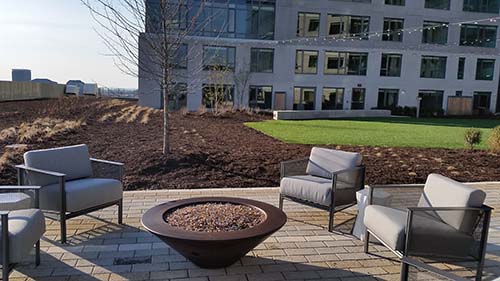
| BLVD at Reston Station Demonstrates the Economic Success of Public-Private Partnership for Fairfax County | Called BLVD, a new 21-story, luxury apartment building that rises up next to what’s currently the last stop on the Silver Line opened its doors on Tuesday. Fairfax officials hailed the event because it shows how the county’s economic strategy is delivering dividends. This building, which is the first in a larger development at the site, has generated more than $110 million in increased property value so far. The taxable value climbed from $15,416,610 to $125,614,080, and these values are expected to go even higher when the development is complete. The project resulted from a public-private partnership with developer Comstock which is building on top of county-owned land. Fairfax is turning to these partnerships as a key tool in their efforts to grow and diversify the economy. County leaders point to 17 other similar projects that are intended to grow the tax base, spur revitalization or deliver services. "When the public and private sectors partner on big projects like this one, businesses and the county benefit from new revenue, and residents benefit from new services and opportunities,” said Fairfax County Board of Supervisors Chairman Sharon Bulova. “This project demonstrates our economic strategy is working. It’s growing and diversifying the county’s economy, including our tax base.” BLVD is one of eight high rises that will make up Reston Station. This mixed use development will bring up to 1.3 million square feet in housing, offices, retail, and a hotel with direct access to the Silver Line. It’s located between Reston Station Boulevard and Wiehle Avenue, just north of the Wiehle-Reston East Metro station. A walkway links the station to the project’s civic plaza, and the development largely sits on top of the county’s underground garage for rail commuters. Fairfax County owns about nine acres that make up the more than 12-acre development. Five years ago, the county sought a partner to help build the public garage to serve the station while maximizing he economic return on its land. Under the partnership, Comstock built the 2,300-space garage for the county, and the developer leases the county land where five of its buildings will spring up. The deal delivered an important public facility to serve the new rail line. It also creates the kind of mixed-use, transit oriented development that county leaders want to see more of in Fairfax. County officials point to this project as prime example of its Economic Success Plan in action, using multiple tactics. It calls for creating the urban, walkable neighborhoods near transit that everyone from millennials to baby boomers want to live in. The plan also seeks to use public-private partnerships, like this joint-venture, to maximize the return on investment potential for all county assets, including land and facilities. The county also seeks to leverage partnership opportunities with both private and public partners to construct and operate infrastructure and facilities.
The county is also pursuing more affordable housing as a way to boost economic growth. BLVD’s 448 apartments include 88 workforce units—or about 20 percent of the building’s total. The apartment building incorporates about 8,500 square feet of retail into its ground floor. Amenities include a rooftop pool and terrace, a fully equipped fitness center, yoga room, state-of-the-art business center, secure garage parking, and numerous outdoor amenities including cooking stations, outdoor movie screening area and a mid-level, south-facing terrace. Reston Station is just one the county’s public-private partnerships, and other similar projects include Reston Town Center North, Innovation Station, and Liberty at Laurel Hill. # # # |
March 6, 2016 | March 6, 2016 | |
| Planning Commission Approves Proposal to Allow Conversion of Empty Offices in Suburban Neighborhoods | The Fairfax County Planning Commission recommended approval for a proposal to allow empty office buildings in suburban neighborhoods to be converted into other uses. These partially vacant or empty offices could find new life as apartments, live-work units, shops, hotels, schools, libraries, makerspaces and other light industrial or commercial uses. 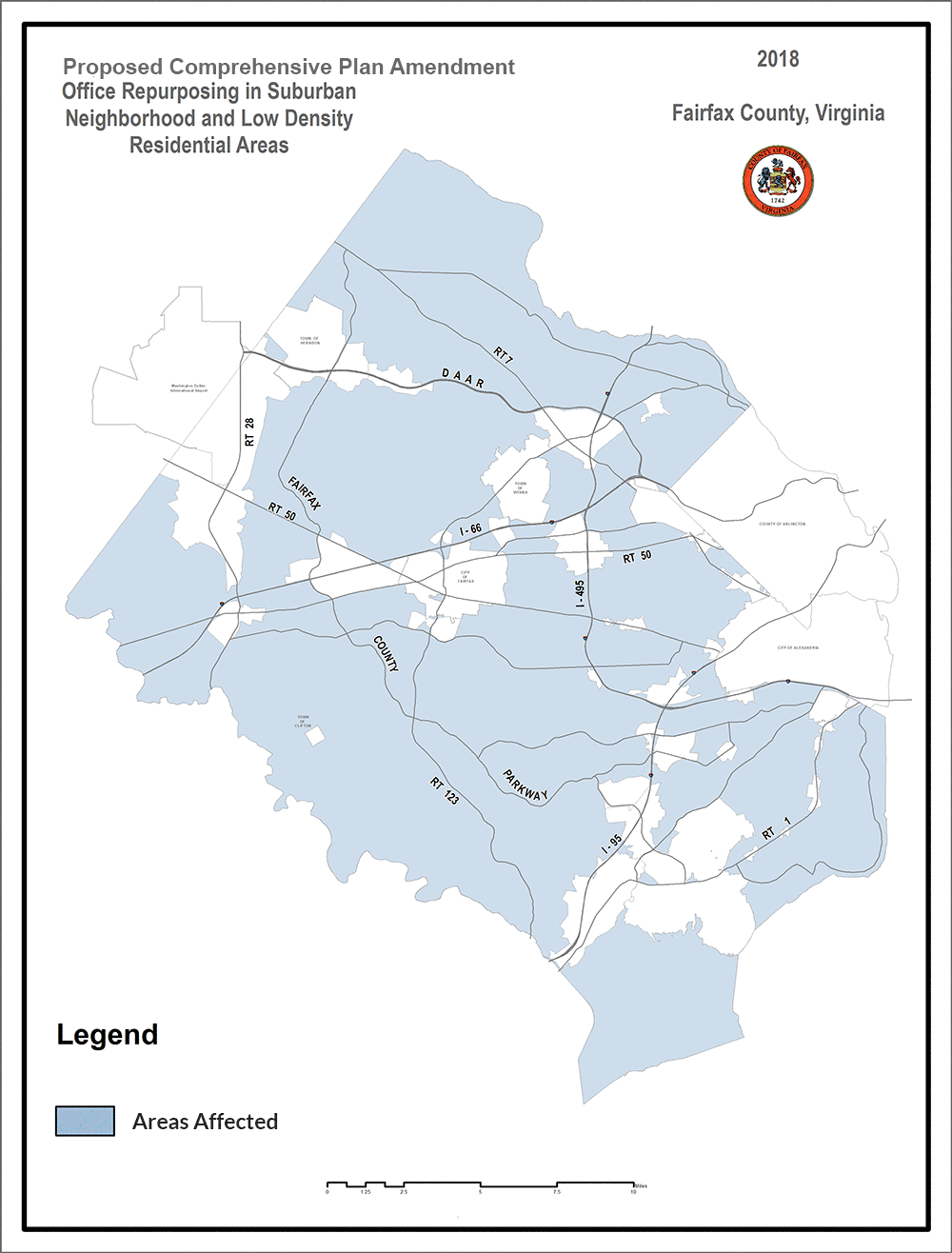
Officials are considering this update to the county’s land use plan, known as the Comprehensive Plan, following a similar change approved last year for empty offices in areas planned for mixed use or industrial development. The proposal would allow offices in suburban neighborhoods to be turned into other uses without a site-specific change to the Comprehensive Plan. Most buildings proposed to be repurposed will need rezoning approval by the board. This process incorporates opportunities for community input, including public hearings. County officials also retain the right to require a reuse project to go through a site-specific land use change. The proposed policy also sets seven conditions for buildings to be eligible for reuse. For example, these new uses must be compatible with surrounding development, offer more ways for pedestrians to access the building and consider impacts to schools and parks if new residences are considered. Suburban Office Vacancy RateWhile the county confronts 18 million square in office vacancies, most of this underused space can be found in the areas near Metro stations or other mixed use areas. Empty offices in suburban areas make up about 3.3 percent—or 607,000 square feet—of the 18 million square foot total. Looking at the data, the county’s planners found that 80 percent of suburban offices were fully occupied or less than 10 percent vacant. Only 25 offices accounted for almost 50 percent of the total vacant square footage. In general, suburban offices are more likely to be fully leased since they are smaller buildings that also often serve small businesses like doctors, travel agents and real estate brokers. Offices with vacancies rates of 10 percent or less are unlikely to be converted to other uses, say county planners. This finding comes from conversations with building owners and developers. Next StepsThe proposal must ultimately be approved by the Board of Supervisors which is currently scheduled to hold a public hearing on May 1. # # # |
March 26, 2018 | March 26, 2018 | |
| New Year, New County Government Website! | A new, modern, resident-focused website is critical for Fairfax County Government’s digital business and informational future. After many months of work, here is the initial version of a new county government website at https://www.fairfaxcounty.gov.
|
January 8, 2018 | January 8, 2018 | |
| New Circuit Court Judge David Oblon Receives Official Commission Jan. 5 |
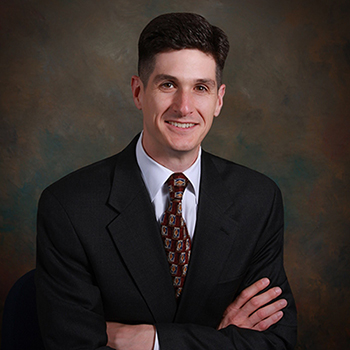
David A. Oblon will be presented his official commission as a Fairfax Circuit Court judge on Friday, Jan. 5, at 4 p.m. at the Fairfax County Courthouse, Courtroom 5J, 4110 Chain Bridge Road, Fairfax. The public is invited to attend the investiture ceremony. (The “snow date” for the ceremony is Friday, Jan. 19). At the ceremony, Delegate Richard C. (Rip) Sullivan Jr. will present Oblon with his official commission and Oblon’s law school friend, 17th Judicial Circuit Clerk of Court Paul F. Ferguson, will ceremoniously administer the oath. Oblon previously took his oath of office on Dec. 21. State Senator Scott A. Surovell and retiring Delegate David B. Albo will make some remarks. Before joining the Circuit Court, Oblon served almost a decade as a substitute judge for the General District Courts while engaged in private practice with the law firm Albo & Oblon, L.L.P. Oblon earned his Bachelor of Arts in International Affairs from the George Washington University and his law degree from the George Mason University School of Law (now the Antonin Scalia Law School). For more information and reasonable ADA accommodations, contact Kim Callahan, Fairfax County Circuit Court, at 703-246-4166, TTY 711.
|
December 28, 2017 | December 28, 2017 | |
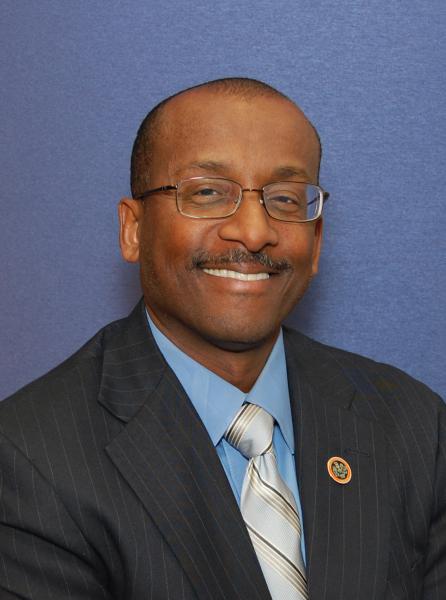
| Bryan Hill Appointed County Executive Effective Jan. 2 | The Fairfax County Board of Supervisors appointed Bryan Hill as county executive, effective Jan. 2, 2018. Hill is currently the James City County, Va., administrator and clerk to its Board of Supervisors. He replaces Edward L. Long, who retired in September. Kirk Kincannon is currently serving as acting county executive.
Hill has been with James City County since 2014, and he previously spent seven years with Beaufort County, S.C. as deputy county administrator. At James City County, Hill is responsible for oversight of staff, major infrastructure projects, economic development, transportation initiatives and the development and implementation of the county’s first strategic plan. He recently led the realignment of the county’s debt portfolio, which resulted in AAA ratings from each of the three major bond rating agencies. “Bryan was an asset to our county and we are very proud of his outstanding accomplishments,” says Kevin Onizuk, chairman of the James City County Board of Supervisors. “I am confident his hard charging leadership, finance and budget expertise and forward thinking will build upon Fairfax County’s already excellent foundation. We will certainly miss Bryan’s teamwork, outstanding personal integrity and strong character. Fairfax is lucky to have him and we wish him great success for years to come in his new position.” Hill also has served as the vice chancellor for finance and operations at the University of South Carolina's Beaufort/Bluffton Campus, and as the director of finance for the University of Maryland’s Office of Information and Technology as well as director of administration for the Department of Aerospace Engineering “Selecting a county executive is the most important hire the Board of Supervisors undertakes,” says Board Vice Chairman Penny Gross. “Working with a consultant, the board reviewed dozens of applications, selected several talented candidates for interviews and fully participated in the lengthy selection process. As Personnel Chair, I especially look forward to working with Bryan Hill on issues of importance to our county workforce.” Hill is the recipient of an award for academic excellence from the American Association of Budget and Program Analysts, and while at the University of Maryland, he earned the A. James Clark School of Engineering Staff Award and a commendation from the Department of Aerospace Engineering at its 50th anniversary celebration. He has a bachelor’s degree in public administration from Alfred University and a master’s degree in public administration from the University of Southern California. Hill will receive an annual salary of $250,000. Bulova also applauded Kincannon for his work. “I would like to thank our acting county executive for his fantastic work and support over the past few months while the Board of Supervisors and Human Resources Department underwent the county executive search and hiring process,” she says. |
|
November 21, 2017 | November 21, 2017 |
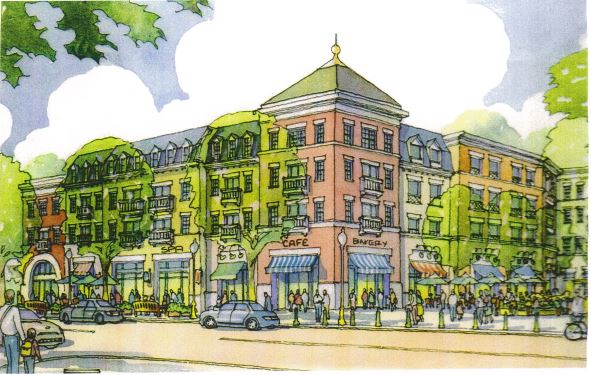 Fairfax County will invest $1.2 million in economic development money to build a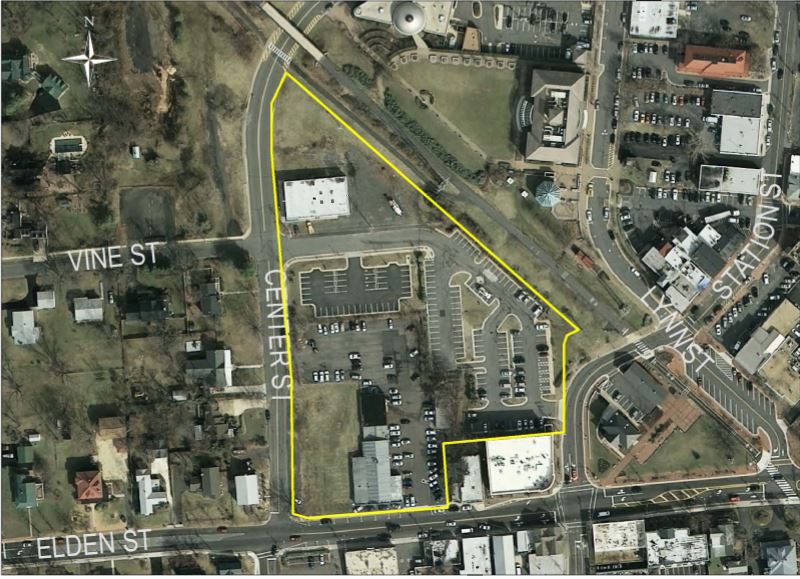


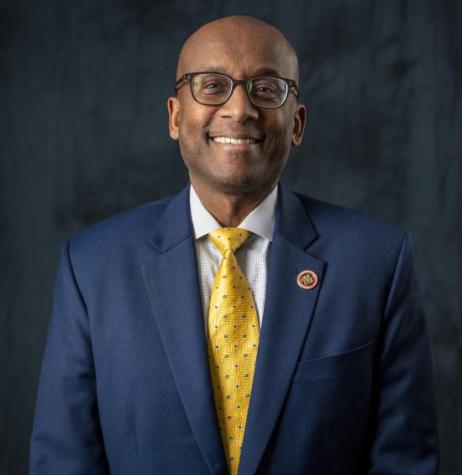 “The Fairfax County Board of Supervisors is pleased to welcome Bryan Hill to Team Fairfax,” says Board of Supervisors Chairman Sharon Bulova. “Bryan brings impressive leadership, management, communications and budget experience to the table, and we look forward to working alongside him. Fairfax County is on a great track, and we are confident Bryan will continue to build upon a foundation of excellence for both our workforce and county residents.”