

Health Department Alert:
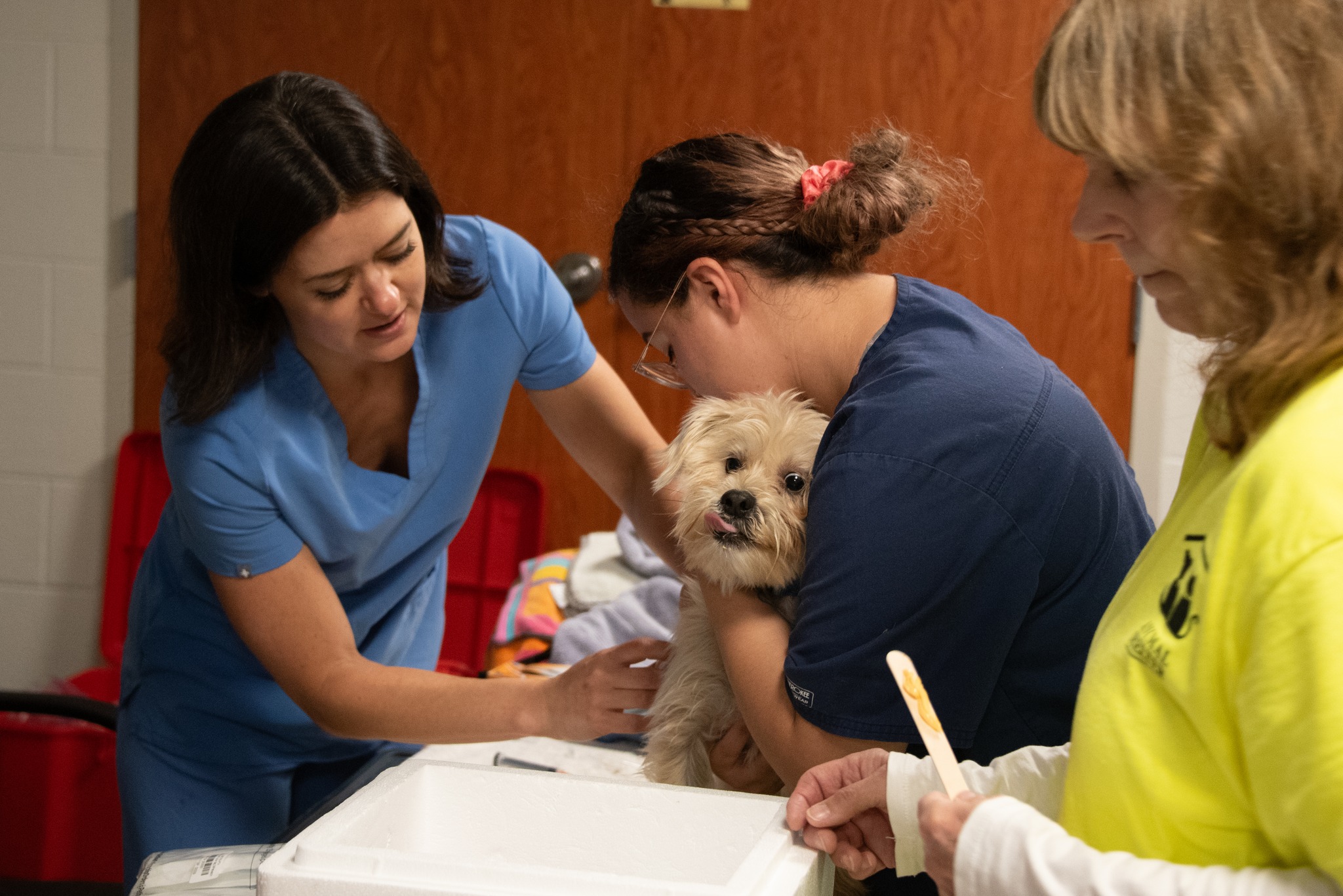
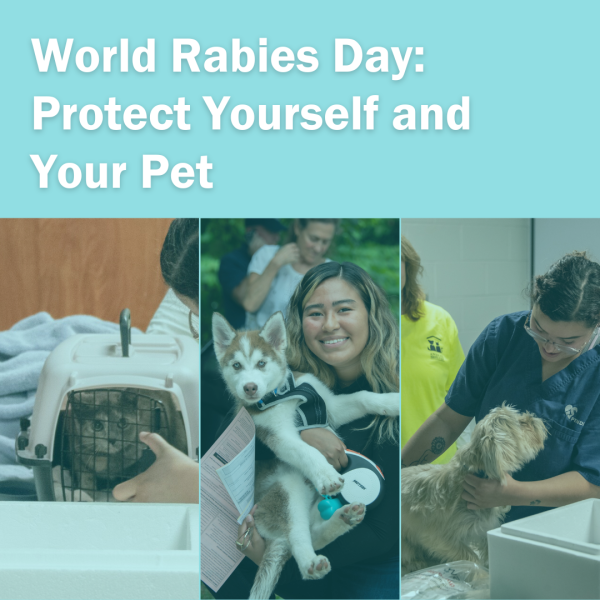
World Rabies Day is observed on September 28 to raise awareness on how we can prevent this deadly disease in animals and humans. Rabies is a viral disease that infects the central nervous system. The virus can spread to humans and pets through bites or scratches from an infected animal.
Rabies is nearly 100 percent fatal in mammals, including humans. In the United States, rabies is mostly found in wild animals, such as bats, raccoons, skunks, and foxes. But worldwide, domestic dogs are responsible for more than 95 percent of the human deaths that occur from rabies each year.
Fortunately, rabies is preventable. Thanks to prevention efforts in the United States, more than 40 million cats and dogs are vaccinated against rabies each year. Vaccinating your pet against rabies significantly reduces the risk of you or your pet getting infected. Speak with your veterinarian to make sure your pet is up to date on all important pet vaccinations, including rabies.
The Fairfax County Animal Shelter also offers low-cost rabies vaccine and microchip clinics twice a month at both of their clinic locations:
Protect Against Animal Bites
To protect you and your pet’s health, it is important to take steps if you or your pet were bitten or scratched by an animal.
Learn more about the Fairfax County Animal Shelter low-cost vaccine and microchip clinics.
Find more information about rabies.
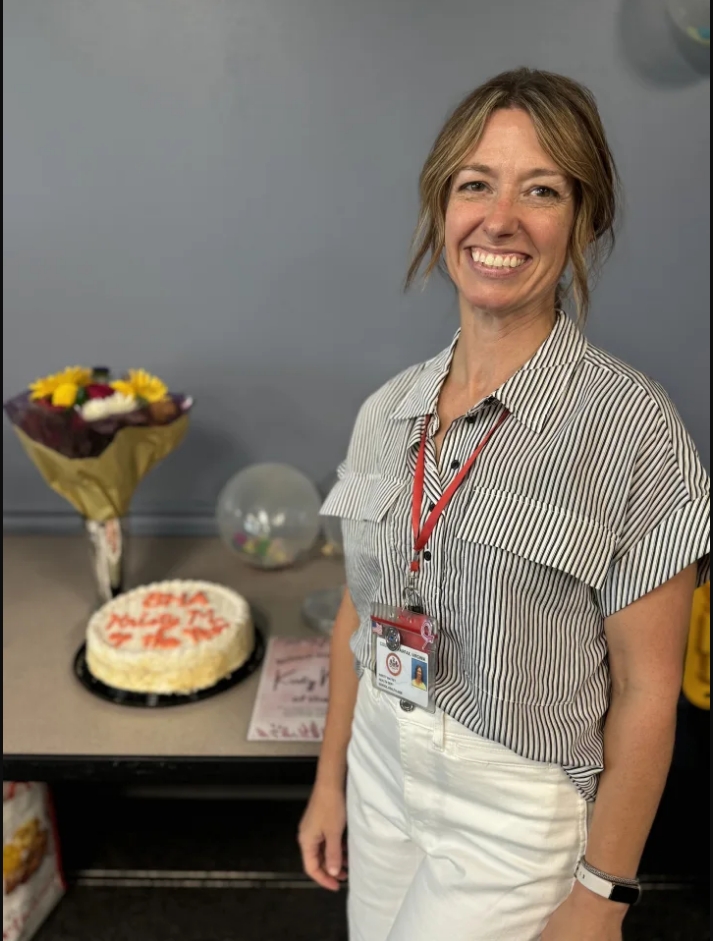
The School Health Division is pleased to announce the inaugural winner of the new School Health Aide of the Year award for the 2023-24 school year. Implemented this year, the award recognizes an exemplary School Health Aide who has demonstrated excellent health room practices, exceptional customer service, extraordinary teamwork, and contributions linked to the vision, mission, and values of the Health Department. This year’s School Health Aide of the Year awardee is Kristy Mattey who was assigned to Daniels Run Elementary School and now works at Frost Middle School. Kristy was nominated by her supervisor JeanHee Jeong.
School Health Aides are trained paraprofessionals assigned to work in the Fairfax County Public Schools (FCPS) health rooms during school hours. School Health Aides provide care for illness or injury, help to ensure students take medications appropriately, coordinate vision and hearing health screenings for students, respond to health emergencies, and monitor student absence data.
Kristy serves as a coach for new School Health Aide hires; pays meticulous attention to detail; exhibits high organizational skills; and ensures health room care cards and screening results are well documented. Kristy, who has worked as a School Health Aide for 2.5 years, is being recognized for taking initiative and continuously seeking ways to improve. For example, Kristy proposed the idea of documenting puff counts for the inhaler [a medical device used by students with asthma to help open airways] and developed a FCPS Inhaler Administration Chart, which was implemented. The new Inhaler Administration Chart not only enhances accurate documentation, but it also makes the number of priming readily accessible on the chart which can impact the proper administration of the student’s inhaler.
Furthermore, Kristy suggested to the school administrator at her school to add a Hearing and Vision screening in the Welcome Tour for the new students. By collaborating with the school counselor, Kristy was able to successfully implement the new process to create a more proactive approach in identifying any potential barriers to learning, create less disturbance for the teachers, and less learning interruption for the students. She demonstrates a strong understanding of school health policies and protocols by keeping up to date and inspires others by consistently going above and beyond.
“I am honored to receive the School Health Aide of the Year award and appreciate the continued support of my peers and leaders,” said Kristy. “Working for the Health Department has shown me the importance of bridging the gap between the community and the school system to keep our students safe and healthy and I couldn't be prouder to be part of the amazing School Health team who set out every day to make that difference.”
Learn more about FCPS' school health services and sign up to receive the FCPS Wellness Newsletter.
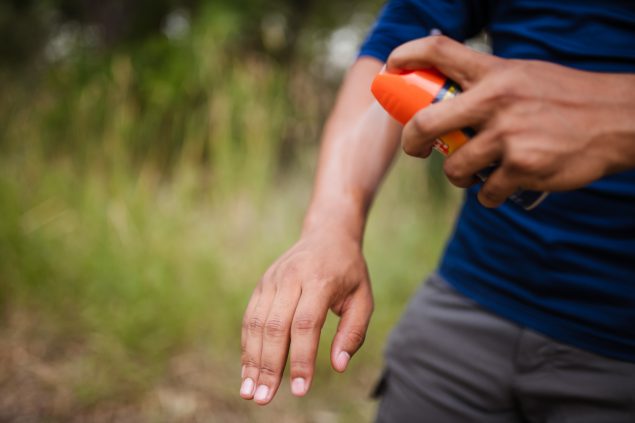 Although it may feel like summer is winding down, the Health Department urges everyone to prevent mosquito bites while spending time outdoors. The Health Department reminds residents to prevent mosquito bites and prevent mosquitoes from breeding on their property. Some mosquito bites are just annoying, but others are more than just a nuisance and can cause serious health issues.
The best way to prevent mosquito bites include:
Mosquitoes breed in standing water. Many of the places where mosquitoes develop on private property are artificial containers holding small amounts of water. Checking your yard for standing water or containers holding water weekly and eliminating that water can help reduce the number of mosquitoes around where you live. Any kind of container can become a mosquito breeding site, but the most common ones found in our yards are gardening equipment, tarps, household items that are left outside, and corrugated downspout extensions.
The Health Department offers free yard inspections for anyone in the Fairfax Health District who is trying to manage a mosquito problem in their yard. Request a mosquito inspection of your yard from the Health Department’s Division of Environmental Health online or call 703-246-2201, TTY 711.
Another reason to protect yourself from mosquito bites and eliminate mosquito breeding from your yard is to help prevent West Nile virus (WNV). This virus is present in mosquitoes in our region every year. Positive mosquitoes have been collected in Fairfax Health District, underscoring the importance of preventing mosquito bites. No human cases have been reported. Some infected mosquitoes can spread WNV to people and some of those people can become sick. People at greatest risk for serious disease associated with WNV infection are adults over the age of 60. People with certain medical conditions such as cancer, diabetes, hypertension, kidney disease, and organ transplant recipients, are also at greater risk. Anyone experiencing symptoms such as high fever, severe headache, stiff neck, confusion, and lethargy should seek medical attention right away.
The Health Department uses an integrated approach to mosquito management to minimize the risk of human disease, including the following:
For more information, visit https://www.fairfaxcounty.gov/health/fightthebite or call 703-246-2201, TTY 711.
Earlier today, a letter was sent in error to all parents at South Lakes High School indicating that their student had a close contact with an ill person (with pertussis) and that the student should see a healthcare provider for preventive medication as soon as possible. The Fairfax County Health Department (FCHD) has clarified that there have been NO IDENTIFIED close contacts at South Lakes High School at this time.
Please see the information below regarding general points of awareness and prevention for pertussis. Again, this is informational only and no other immediate actions are required at this time for families of South Lakes High School.
If you have any questions, please don’t hesitate to contact the Fairfax County Health Department Communicable Disease Section at 703-246-2433.
August 14, 2024
The Fairfax Health District is experiencing an increase in pertussis illness, which is also known as “whooping cough.” An increase is also occurring across Virginia and nationwide.
Pertussis is an illness caused by bacteria. It is spread from person to person through the air. When an ill person coughs or sneezes, tiny droplets are released in the air that other people can breathe in. It spreads more easily when people spend a lot of time together or share breathing space.
At first, pertussis can seem like a common cold. Symptoms can include:
These symptoms can last 1 to 2 weeks. Then, people may develop coughing fits (paroxysms) which can last weeks to months. During these fits, people may:
Babies may not have a cough at all but instead gasp for air or have pauses in breathing (apnea) which is life-threatening. Apnea can cause the baby to turn blue. About 1 in 3 babies younger than 1 year old who get whooping cough need care in the hospital.
Others who are at higher risk for getting very sick include people with weakened immune systems and those with moderate or severe asthma.
The best way to avoid whooping cough is to get vaccinated. There are two types of vaccines that protect against it: DTaP and Tdap. They also protect against diphtheria and tetanus.
These vaccines work well, but protection fades over time, so booster doses are needed to ensure you are protected.

Healthcare providers usually treat whooping cough with antibiotics. It is important to start treatment early to prevent medical complications and to help prevent the spread of disease to others.
Good nutrition during the first 2 years of life is vital for your child’s healthy growth and development. Human breast milk is the best source of nutrition for most babies.
Health organizations recommend breastfeeding (also called chestfeeding) for up to 2 years of age or longer*. Feeding your baby only breast milk is recommended for the first six months of life (along with any necessary medications or vitamin and mineral supplements)**. Then continuing to breastfeed while introducing complementary food beginning at 6 months old.
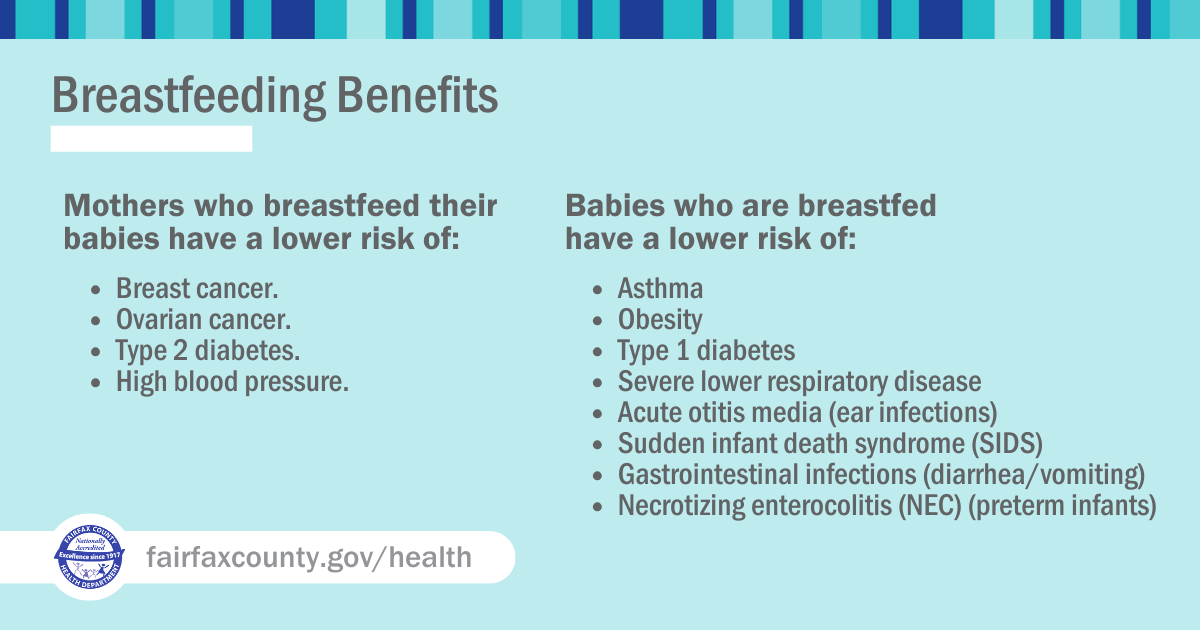
Breastfeeding has many benefits for both the mother (or birthing parent) and baby. It helps your baby feel safe, warm, secure, and loved. It can also reduce the risk for certain health conditions for both infants and mothers.
Even though it is natural, there are some basic things to learn to help you succeed. And for some, breastfeeding can be challenging for a number of reasons. Everyone’s experience is different, but it is important to remember:
The Women, Infants and Children (WIC) Program can also help support you and your breastfeeding journey so that you can meet your goals. WIC staff includes trained breastfeeding peer counselors and lactation experts who will encourage you and help address basic breastfeeding concerns. Support is offered both in person and by phone. Learn more about enrolling in WIC.
*The American Academy of Pediatrics and the World Health Organization recommend continuing breastfeeding through at least two years of age.
**Recommendations are from the U.S. Dietary Guidelines for Americans.
There is a multistate outbreak of Listeria infections that includes Virginia and Maryland. The outbreak is associated with meats sliced at deli counters. Listeria spreads easily among deli equipment, surfaces, hands, and food.
Due to possible Listeria contamination, Boar's Head Provisions Co. has recalled ready-to-eat liverwurst and other deli meat products, including prepackaged meats, under the Boar’s Head and Old Country brand names. Products have “sell by” dates ranging from July 25, 2024 – October 17, 2024. See this recall notice for details about all recalled products.
Listeria are bacteria that can contaminate many foods. People who eat those foods can get infected with Listeria. The infection is called listeriosis. You are at higher risk for getting very sick if you are:
Other people can be infected with Listeria, but they rarely become seriously ill.
The CDC recommends the following actions.
 Algae are naturally occurring microscopic organisms that can be found in coastal and fresh waters. They can quickly grow out of control, or "bloom."
Most algae are not harmful, but some of these blooms produce toxins (poisons) that make people and animals sick. Symptoms can range from mild to life-threatening depending on the type of algae you come in contact with.
Harmful algal blooms can look like mats, foam, scum, or paint on the surface of the water. They can also grow underneath the water making them hard to see. The most common cause of harmful algal blooms in freshwater is due to Cyanobacteria (blue-green algae).
Although harmful algal blooms and mats have not been identified in the Fairfax Health District, they have been reported in other areas of Virginia and nearby jurisdictions. We encourage you to be aware of the water you enter.
Protect yourself, your family, and your pets from harmful algae.
If you think you’ve seen or been in contact with a harmful algal bloom:
 With the start of the 2024-25 school year right around the corner, it’s time to make sure that your child is up to date on their immunizations.
Before scheduling an appointment to get your child vaccinated, check their immunization records to see what they might be missing. There are multiple options for obtaining your child’s immunization records:
If your child is missing immunizations, take steps to get them up to date.
Back to school season is a busy time, which is why the Health Department is holding several immunization clinics on evenings and weekends during the month of August. These clinics will offer school required immunizations at no cost to all Fairfax County students regardless of if they have had vaccines in the past, are new to the country, or need a follow-up to be up to date.
Call today! Appointments are limited and required. Schedule your appointment by calling 703-246-7100. See the full extended hours clinics schedule.
By getting your child up to date on their immunizations, you have the power to protect them from serious illness and prevent them from missing school and other activities because they are sick.
Don’t wait. Check your child’s immunizations records today and make an appointment to get them caught-up if needed.
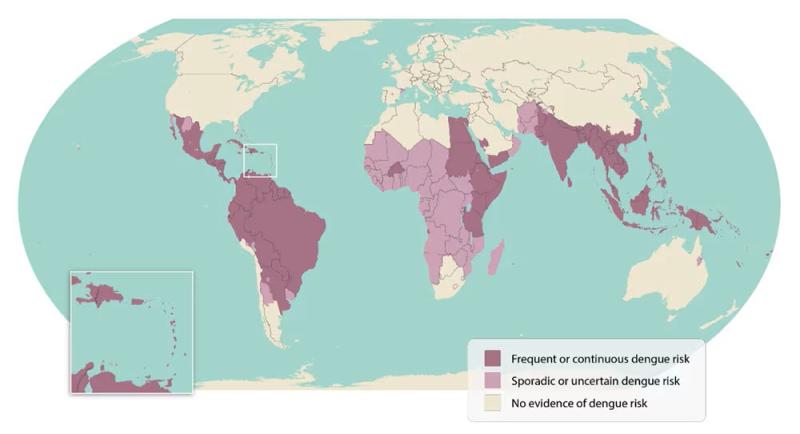
Dengue is an illness that is caused by infection with a dengue virus. It spreads to people from mosquito bites. It is common in many tropical and sub-tropical countries in the Americas, Africa, the Middle East, Asia, and the Pacific Islands. Up to 400 million people are infected by a dengue virus each year.
Many countries are reporting a higher number cases of dengue, including a record-breaking numbers of cases in many countries in the Americas, including Caribbean countries. The Centers for Disease Control and Prevention (CDC) recently shared an alert with healthcare providers and the public about an increased risk of dengue virus infections in travelers returning from places where dengue spreads.
Most dengue cases reported in the United States (in states other than Hawaii) are in travelers who were infected elsewhere. People also can catch the virus in U.S. territories (American Samoa, Puerto Rico, and the U.S. Virgin Islands) and freely associated states (Federated States of Micronesia, the Republic of Marshall Islands, and the Republic of Palau), where dengue is common. Limited spread has been reported in Florida, Hawaii, Texas, Arizona, and California.
Symptoms of dengue usually begin within 2 weeks after being bitten by an infected mosquito. The most common symptom is fever with aches and pains (eye pain, muscle, joint, or bone pain), nausea, vomiting, and rash. Sometimes severe dengue can develop and result in shock (seriously low blood pressure), internal bleeding, organ failure, and death. Seek medical care if you have a fever or other dengue symptoms and live in or have traveled to an area with dengue outbreaks.
Anyone who lives in or travels to an area with dengue is at risk for infection. There are ways you can prevent dengue.
On June 7, high school students participating in the Public Health Youth Ambassador Program (PHYAP) as well as teens and young adults who are a part of the Stable Families Thriving Futures Program (SFTF) gathered at West Springfield High School in Springfield, VA to celebrate successfully completing their respective programs. Both programs are managed by the Fairfax County Health Department.

The PHYAP event, emceed by Guy Lambert, news director and anchor for WPGC 95.5 and host of FOX 5 Live Zone, celebrated 87 local high school students who earned certificates of completion from the Morehouse School of Medicine and George Mason’s School of Public Health for successfully completing rigorous introductory healthcare curriculums. Student speaker Nayla Bonilla-Mendez, a senior at Justice High School, spoke about how the program has empowered her to be an advocate for health services in her community. Nayla also shared her thoughts on the program’s positive role towards influencing her decision to attend the College of William and Mary in the fall as a freshman, while focusing on public health as her major. Keynote speaker Lt. Rashmita Subedi, Public Health Analyst and Project Officer with the Office of Minority Health (OMH), U.S. Department of Health and Human Services (HHS), shared an equally powerful testimony documenting her journey emigrating from Nepal, the road to becoming a Lieutenant, and how each reflects the organization’s belief in programs like the PHYAP.
"Our Public Health Youth Ambassador Program graduating class of 2024 embodies the premium PHYAP places on student collaboration, advanced learning, and perseverance,” said Scott Folks, Public Health Youth Ambassador Program Manager. “We're extremely proud of each and every graduate, along with their significant achievement towards a potential future in the community healthcare field."
Begun as a pilot project in March 2022, the Public Health Youth Ambassador Program (PHYAP) provides underserved high school students in Fairfax County, Virginia with insights and knowledge regarding the thriving healthcare industry. Through a unique collaboration between the Fairfax County Health Department (FCHD), Fairfax County Public Schools (FCPS), the Morehouse School of Medicine (MSM), George Mason University School of Public Health (GMU), hospital systems, non-profits, and other partner agencies, this initiative works to increase diversity within community health professionals, build generational health, and provide participants tools to enhance their post-secondary education and career opportunities. A $3.875 million Health and Human Services, Office of Minority Health (OMH) grant, focused on mitigating COVID-19 pandemic effects through capacity-building, provided the project’s seed money. PHYAP engages a suite of stellar partners including Healthy Minds Fairfax and Inova Healthy Systems to provide a top-notch experience, while primarily serving students from Fairfax County’s East Central Public Use Microdata Area (PUMA), which includes Annandale, West Falls Church, and Bailey’s Crossroads, Virginia.

The second event celebrated 40 students who recently completed the SFTF program. The SFTF program aims to improve immediate and long-term health, educational employment, and financial outcomes for pregnant and parenting teens and young adults aged 14 to 25 in Fairfax County. A supporter of the program, U.S. Congressman Gerry Connelly, U.S. representative for Virginia’s 11th Congressional district, spoke about how the program aims to foster responsible parenting while making progress towards their own educational and employment goals.
“The SFTF program has received glowing reviews from its participants, highlighting its profound impact on their lives,” said Blanca Vasques, Stable Families Thriving Futures Project Manager.
“One mom, who had only completed education up to the second grade, felt a renewed sense of pride and motivation after earning her certificate, inspiring her to seize the numerous opportunities available to her. Another mom cherished the graduation ceremony, where a picture of her and her baby symbolized her pride and achievement, something she hopes will make her son proud as well.
The program has also helped mothers overcome negative self-perceptions, with one participant learning the importance of positive self-view for herself and her children, and now she's eager to utilize the resources and spread the word. Additionally, another mom expressed how the program reshaped her perspective on family relationships and their impact on children, while also providing valuable insights into employment opportunities, enhancing her preparedness for the workforce and teamwork skills.”
Sayly Ketevong, Stable Families Thriving Futures Lead Facilitator, added “Stable Families, Thriving Futures is a program that gives each participant the opportunity to achieve their goals and realize their potential, becoming better individuals and role models for their children.”
The Stable Families Thriving Futures program focuses on improving the immediate and long-term health, educational, employment, and financial outcomes of pregnant and parenting teens and young adults in Fairfax County. The program implements a multifaceted peer group education model along with whole-family case management support. SFTF engages pregnant and parenting teens and young adults with members of their households to build capacity for improved health outcomes and whole-family thriving. The program’s education model utilizes evidence-based experiential learning curricula in responsible parenting, evidence-informed co-parenting, trauma and resiliency, health literacy, and financial capability curricula. The program pairs participants and their families with intensive case management providing referrals to local resources, including access to support maternal and child health, affordable housing, food access and nutrition support, childcare, and transportation, as well as education, job skills and employment support, mental health and substance abuse services, and domestic violence prevention support.
See event photos of the Public Health Youth Ambassadors and Stable Families Thriving Futures program participants.