

With extremely cold temperatures and the possibility of snow accumulation in the forecast, now is the time to prepare for Winter Storm Fern. Taking proactive steps today will help keep you and your loved ones warm, healthy, and injury-free when the snow begins to fall.
1. Keep an Emergency Supply Kit in Your Car
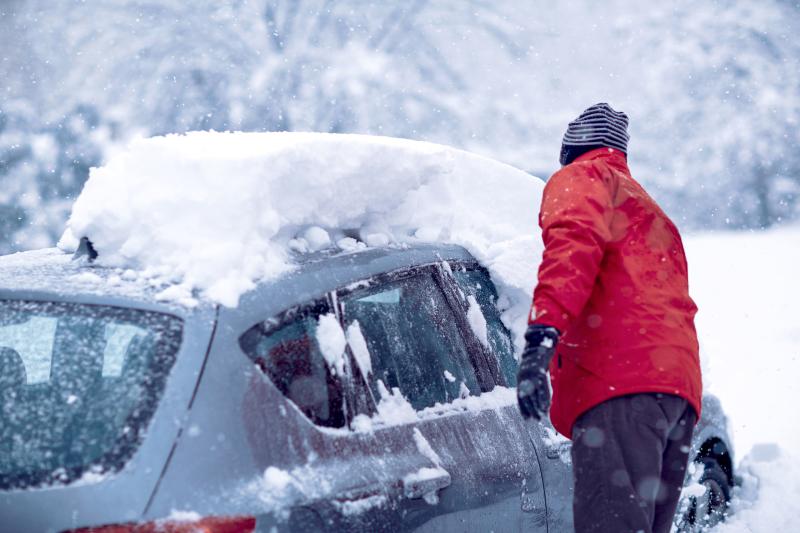
When winter storms are forecasted, the safest choice is to avoid driving altogether to reduce your risk. If driving is unavoidable, keep an emergency supply kit in your car so that you have resources to keep you safe. Your car’s emergency supply kit should include:
- warm protective clothing
- water and snacks
- cell phone charger
- first aid kit
- jumper cables
- spare tire
- blankets
- flashlight
- snow shovel
- brush
Keep your gas tank full whenever winter storms are forecast.
2. Dress for the Weather
During extreme cold and winter storms, it's best to stay indoors. If you must go outside, dress appropriately by layering your clothing to preserve body heat. Wear a warm hat, layers, gloves, a warm outer layer, waterproof boots, and a warm face mask. The National Oceanic and Atmospheric Administration (NOAA) recommends wearing three top layers, with one layer being insulating, and at least two bottom layers. Limit your time outdoors as much as you can and return inside as soon as possible.
3. Shovel Smartly to Avoid Illness and Injury
Snow can be heavy and wet, making shoveling a physically strenuous activity, potentially causing heart attack and injury. Avoid shoveling if you have a cardiovascular condition; instead, recruit the help of neighbors or friends to shovel. When shoveling, dress warmly, stay hydrated, and take frequent breaks. Only move small amounts of snow at a time to avoid overexertion. Be mindful of slippery or icy spots; falls are a common injury during winter storms.
4. Have a Power Outage Plan
In the event of a power outage, retain heat by closing your blinds or curtains, and closing off unused rooms. Stuff towels or rags in the cracks under doors to prevent heat from escaping. Dress in warm layers. Only use generators outside, away from windows and doors. Portable generators produce deadly carbon monoxide, which can kill within minutes. Keep a working, battery-powered carbon monoxide detector in your home. Food is safe as long as the fridge stays below 40°F. Use coolers with ice to preserve perishable items if necessary and keep an eye on any temperature-sensitive medications you may have.
5. Plan for Medical Needs, including Durable Medical Equipment (DME)
If you or a family member relies on medical equipment requiring electricity, contact your utility company to register for priority restoration and have a backup power source. Refill prescriptions before severe weather arrives to ensure you don’t run out. Maintain a list of emergency contacts, including your health care provider and local emergency services.
Visit Fairfax County’s Guide to Snow for more information on winter preparedness, snow removal, the county’s operating status, and more.
Additional resources: