
Health Department Alert:
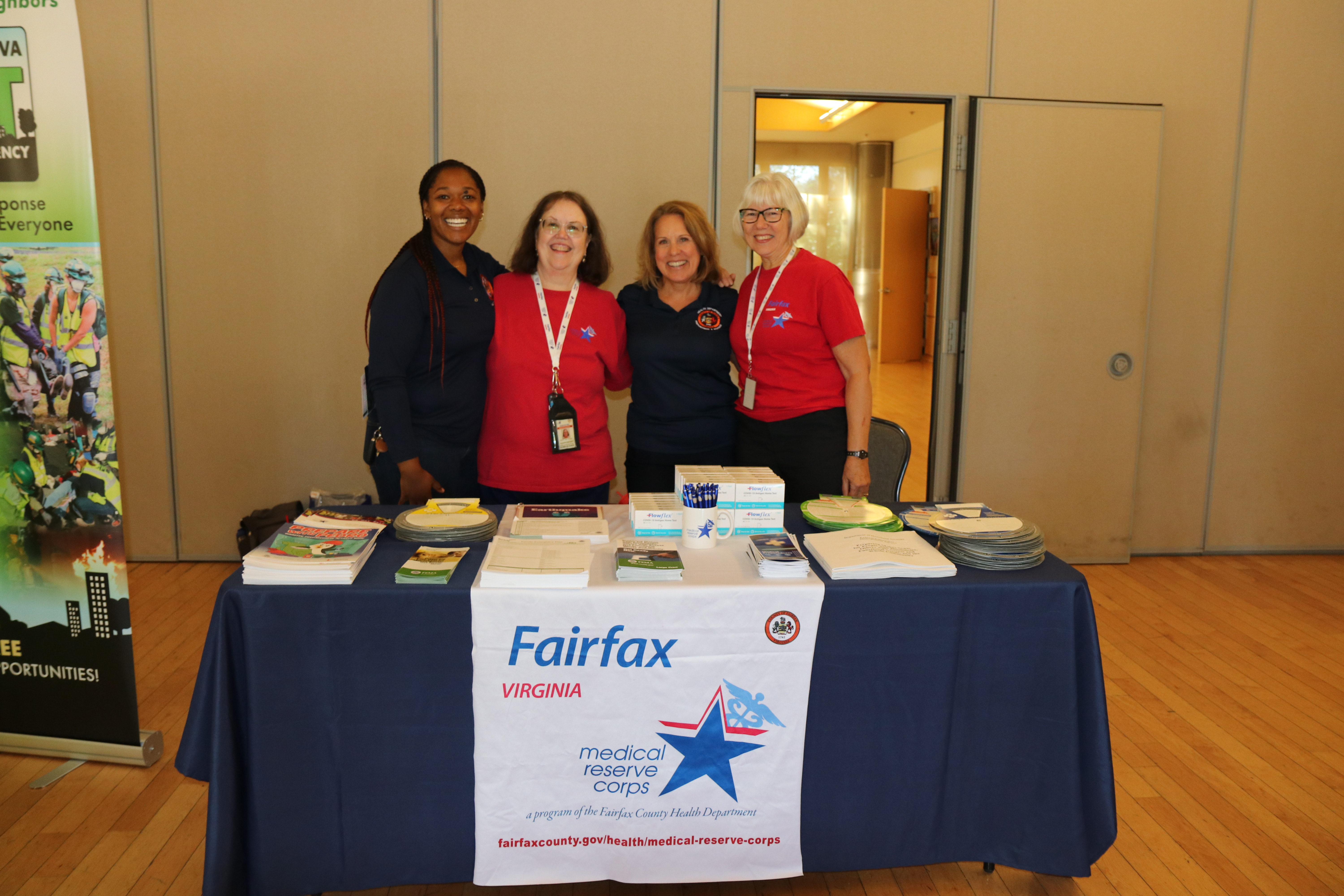
Be a local hero in 2025! Medical Reserve Corps (MRC) volunteers are on the front lines during emergencies, performing critical tasks like staffing vaccination clinics, shelters, and medication dispensing sites. Whether it’s a natural disaster, public health crisis, or other emergency, your efforts directly impact the safety and well-being of the Fairfax and Falls Church communities.
1. No Medical Experience? No Problem!
You don’t need to be a healthcare professional to make a difference in the MRC. In fact, you don’t need to have any sort of medical background at all. The Fairfax MRC welcomes volunteers of all backgrounds and skill sets. Whether you’re a teacher, retiree, or IT professional, your unique skills are valuable in supporting emergency responses and everyday public health efforts.
2. Gain Skills and Training
When you join the MRC, you’ll gain access to free, hands-on training in emergency response, personal preparedness, and other essential skills. These aren’t just useful for volunteering — they’re life skills you can use every day. You’ll feel confident and empowered, knowing you’re equipped to help during a crisis.
3. Be Part of Something Bigger
Join a national movement! The MRC was established in 2002 to strengthen America’s ability to respond to disasters. With over 800 units and 300,000+ volunteers nationwide, you’ll be part of a team that has made a lasting difference locally, regionally, and across the country.
4. Strengthen Your Community
MRC volunteers are everyday heroes helping to build community resilience. MRC volunteers don’t just assist during emergencies — they play a vital role in the Fairfax County Health Department’s regular operations. From programmatic tasks like data entry and community outreach to clinical support, there’s always a way to make a meaningful impact.
Whether it’s running flu clinics, educating the public on emergency preparedness, or supporting daily Health Department operations, your contributions will leave a lasting impact.
5. Build Lifelong Connections
Joining the MRC isn’t just about volunteering — it’s about community. You’ll connect with like-minded individuals who share your passion for helping others, forming friendships and professional networks that can last a lifetime.
Ready to join the MRC? Learn more and begin your application at fairfaxcounty.gov/health/medical-reserve-corps.
As 2024 winds down, now is the time to make a plan focused on simple but effective ways to improve your health and wellbeing in the new year. By adopting small, sustainab le habits, you can set the tone for a healthier and happier year.
Here are five tips to help you prioritize your health and wellbeing in 2025:
1. Keep up with your regular check-ups and screenings
Regular medical check-ups and screenings are crucial in detecting health issues early. Schedule an annual physical, dental visit and age-appropriate screenings like mammograms or cholesterol checks. If you missed any appointments last year, now is the time to catch up.
2. Stay up to date on vaccinations
Protect yourself and your loved ones by ensuring you are caught up on your vaccinations. This includes the annual flu shot, COVID-19 boosters and other vaccines recommended for your age group and lifestyle. Talk with your local healthcare provider, pharmacist or visit the Health Department website for information on recommended immunizations and where to get them.
3. Move more, sit less
Physical activity doesn't have to mean intense workouts. Aim for at least 150 minutes of moderate exercise per week, like brisk walking or cycling. If you’re new to exercise, start with small changes – like taking the stairs instead of the elevator or stretching during TV commercials. Remember, consistency is key, so try to find physical activities you enjoy and fit your lifestyle.
4. Eat more whole foods
A healthy diet fuels a healthy body. Incorporate more fruits, vegetables, whole grains and lean proteins into your meals while cutting back on processed foods and sugary drinks. If fresh produce isn’t accessible for you, opt for frozen to get the same nutritious value for less. Need meal ideas? Visit MyPlate Kitchen to find delicious and nutritious recipes that fit your lifestyle and dietary needs.
5. Prioritize mental health
Your mental health is just as important as your physical health. Practice mindfulness, consider journaling or spend time doing activities you enjoy. If you’re feeling overwhelmed, don't hesitate to reach out to a mental health professional or take advantage of local resources like counseling services and support groups.
Improving your health doesn’t have to be complicated. By focusing on small, meaningful changes, you can create habits that will benefit you all year long.
Find more information about local health services and resources on the Health Department website.
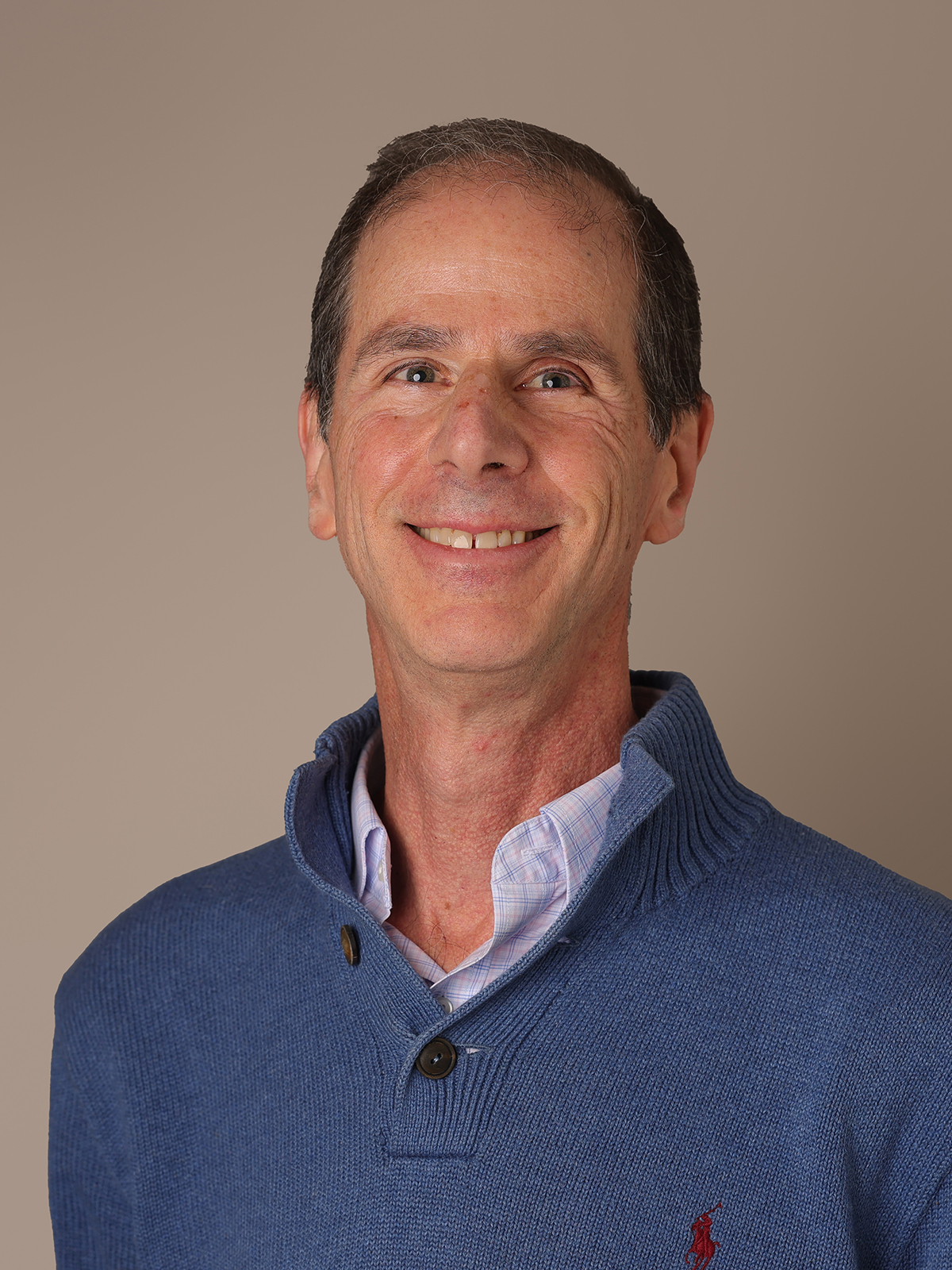
In the December 2024 edition of the Golden Gazette, Dr. Benjamin Schwartz, Director of Epidemiology and Population Health, Fairfax County Health Department, shared five things that you should know about COVID-19, flu, and RSV immunizations.
1. What are your biggest concerns about cold and flu season 24/25?
My biggest concern about the upcoming respiratory disease season is that people will think that because the pandemic is over that COVID-19 is no longer a threat and will choose not to get vaccinated. We saw this last year when many people in all age groups, including older adults, got vaccinated for flu but not for COVID-19. In fact, COVID-19 remains a significant cause of hospitalization and death in older adults. At this time, we don’t know how severe the respiratory disease season will be, but we do know that vaccination is particularly effective in preventing serious illness and hospitalization. Please don’t go out only half protected. Get both the flu and COVID-19 vaccines.
2. What observations do you have in our "post pandemic" world?
“Post-pandemic” does not mean “COVID-19 free” or even “COVID-19 trivial.” COVID-19 remains a real threat, particularly to the health of older adults. Flu and COVID-19 illness can result in serious health consequences, disrupt holiday plans, and spread to loved ones and friends. Vaccines are safe and effective, widely available, and free for people who have health insurance or are on Medicare. [Low-cost options also are available for people who do not have health insurance through the local health department].
3. What is the reason for vaccine hesitance and what is your advice for people who feel that hesitancy?
Some people don’t get vaccinated because of concerns about side effects of vaccination but many people don’t get vaccinated because it’s simply not convenient or a high enough priority to make the effort. For the latter group, my message is that getting vaccinated is easier than you may think. Flu and COVID-19 vaccines are widely available, for example at your local pharmacy, both vaccines can be given at the same time, and costs are covered by insurance and Medicare. Getting a serious respiratory illness would be far more inconvenient than making the effort to get vaccinated.
For those who are concerned about a possible side effect, talk with your healthcare provider. He or she is concerned about your health and can provide the best science-based information to help you make a good decision – separating facts from misinformation that seem common or that we hear about so often lately. Know also that vaccine safety is not only studied before a vaccine is recommended, but studied afterwards as well, by independent experts in science, medicine, and public health. Over 600 million COVID-19 vaccinations have safely been given in the U.S. and over 13 billion worldwide. This experience provides strong data for the safety of COVID-19 vaccines (and flu vaccine has an even longer track record of safety).
4. What are the current recommendations for vaccines to prevent seasonal respiratory illnesses?
Both COVID-19 and influenza (flu) vaccines are recommended for everyone older than 6 months old. These two vaccines are especially important for older adults who are at highest risk of more serious illness, hospitalization, and even death. COVID-19 and flu vaccines are updated each year because the viruses change, making previous vaccines less effective, and because the immunity from vaccination decreases over time. Getting the new vaccines ensures the best protection. RSV vaccine also protects against serious respiratory illness in older adults. This vaccine is recommended for everyone 75 years old and older, and persons between 60-74 years old who are at increased risk for severe RSV disease. Unlike COVID-19 and flu vaccines, RSV vaccine is currently only given once.
5. Who makes these recommendations, and can we trust them?
Vaccine recommendations are made by the Advisory Committee on Immunization Practices (ACIP) which is comprised of experts in science, medicine, and public health. While the committee advises the Centers for Disease Control and Prevention (CDC), ACIP members are independent experts who consider the evidence in meetings that are open to the public. Before a vaccine is considered for recommendation, it has been rigorously tested for safety and effectiveness in large clinical studies, considered by an independent advisory committee to the Food and Drug Administration (FDA), and is approved by the FDA. Following licensure and recommendation, vaccines continue to be carefully studied to ensure that they are safe and effective in routine use. One can be confident in vaccines because the process of investigation, approval, and recommendation is rigorous, transparent, and independent.
New CDC Guidance Recommends Second Dose COVID Vaccine for Some
The Centers for Disease Control and Prevention (CDC) now recommends that individuals aged 65 and older, as well as those who are moderately or severely immunocompromised, receive a second dose of the 2024-2025 COVID-19 vaccine six months after their initial dose. This guideline, endorsed by CDC Director Mandy Cohen, highlights the increased risk of severe disease for these groups and emphasizes the importance of maintaining vaccination to combat COVID-19 and its variants.
Additionally, individuals with weakened immune systems may receive additional doses based on shared decision-making with healthcare providers. Ongoing vaccination is crucial not only for reducing severe outcomes but also for minimizing the risk of Long COVID. Read more from the CDC.
 Quitting tobacco is one of the most impactful decisions you can make for your health. It’s never too late to quit, quitting at any age will improve the length and quality of your life. Although it’s not easy, with the right tools and support, you can achieve a tobacco-free life. Here are five tips to help you quit tobacco this year:
1. Create a Quit Plan.
A quit plan keeps you focused and prepared. Start by setting a quit date and identifying your triggers, such as stress, social situations, or habits. Plan alternatives for these moments, like chewing sugar-free gum, going for a walk, or practicing deep breathing. Write down your reasons for quitting and keep them visible to remind yourself why you’re making this life-changing decision.
2. Use Proven Tools and Resources
Effective and safe quit aids are available, including nicotine replacement therapy (patch, gum, lozenges) or prescription medications. These tools help you quit and stay quit when used properly. They also help manage cravings and withdrawal symptoms, and they are even more effective when combined with counseling and quit lines like 1-800-QUIT-NOW (1-800-784-8669). The service offers choices of ways to receive the cessation services, including planned one-on-one coaching sessions by phone, chat or text, in addition to coach-led group sessions.
3. Build a Support Network
Quitting tobacco is easier when you have support. Let friends and family know about your decision so they can encourage and support you. Join a quit group or an online forum where you can share your experiences and learn from others. Accountability and encouragement are powerful motivators.
4. Manage Stress and Triggers
Stress can be a common trigger for tobacco use. Replace smoking or chewing tobacco with healthier coping strategies, such as yoga, meditation, or exercise. Try to avoid environments or activities that tempt you to use tobacco, especially during the first few weeks of quitting. If avoiding triggers isn’t possible, practice strategies like mindful breathing or keep a stress-relief object on hand.
5. Don’t Give Up After a Slip
Quitting tobacco is a journey, and setbacks can occur. If you have a slip, don’t be discouraged, instead use it as a learning experience. Reflect on what triggered the lapse and adjust your quit plan. Remember, every quit attempt brings you closer to becoming tobacco-free for good.
Take the first step today!
Your health and the health of those around you will thank you for quitting. Whether it’s your first attempt or one of many, this could be the year you succeed! Explore our Quit Now Virginia website or call 1-800-QUIT-NOW for more information on how to plan your journey to a healthier, tobacco-free life.
On October 23, the Fairfax County Health Department, Department of Family Services and other county agencies and non-profit organizations and partners, joined together to host a Baby Extravaganza – Free Baby and Maternal Health Expo. New and expectant mothers gathered at the Gerry Hyland Government Center for a morning of education, support, and community. Attendees learned about safe sleep practices, nutrition, breastfeeding, and more. Additionally, the mothers were able to get connected to community resources, such as home visiting services, WIC, and parenting education.
Watch the video below to learn more about the event.
Maternal Child Health Nurses provide support for Fairfax County residents during and after pregnancy as well as during infancy and early childhood. Public Health Nurses can offer home visits which include assessment and screening, resource referrals, and anticipatory guidance, education, and support related to maternal child health and parenting through programs such as Nurse-Family Partnership, Maternal Child Health Field Nursing, and Healthy Families Fairfax.
For more information visit our Maternal and Child Health page.

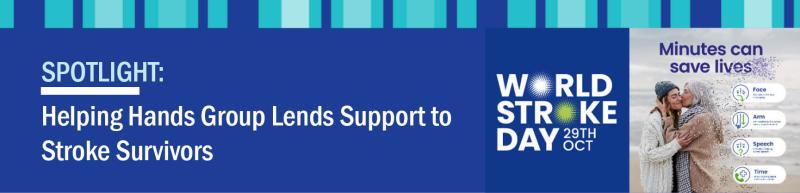
 According to the CDC, each year more than 795,000 people in the United States have a stroke. That’s one American every 40 seconds. Every year, World Stroke Day is observed on October 29 to underscore the serious nature and high rates of stroke, raise awareness of the prevention and treatment of the condition, and ensure better care and support for survivors. On this World Stroke Day, we highlight the Health Department’s Helping Hands Stroke Group, and its facilitator, Erica Wrenn.
Erica is a Speech-Language Pathologist, working at the Joseph Willard Health Clinic as part of the Speech and Hearing Clinic team. And while she says she didn’t set out to work in Public Health, she can’t imagine being anywhere else.
“I was previously employed at an inpatient rehab hospital. However, I stumbled upon this position at the Fairfax County Health Department and have enjoyed a lengthy and very fulfilling career since then,” said Erica. “I can honestly say I love being a speech-language pathologist.”
And it’s a job that Erica says has roots in personal experience.
“My grandfather suffered a stroke. Even his ability to swallow was impacted by the stroke,” said Erica. “I saw firsthand the care that was provided to help him regain his ability to speak and comprehend language, and I saw the speech and language pathologist teach him how to swallow safely so that he could enjoy the foods he loved.”
The Helping Hands Stroke Club was founded in 1977 with just five members which has grown into 30 members across three groups: one is a combined support group for stroke survivors and caregivers, the second group is for caregivers only and the third is a speech therapy group for stroke survivors to continue working on improving speech, language and cognitive deficits. Erica has facilitated these groups since 2008.
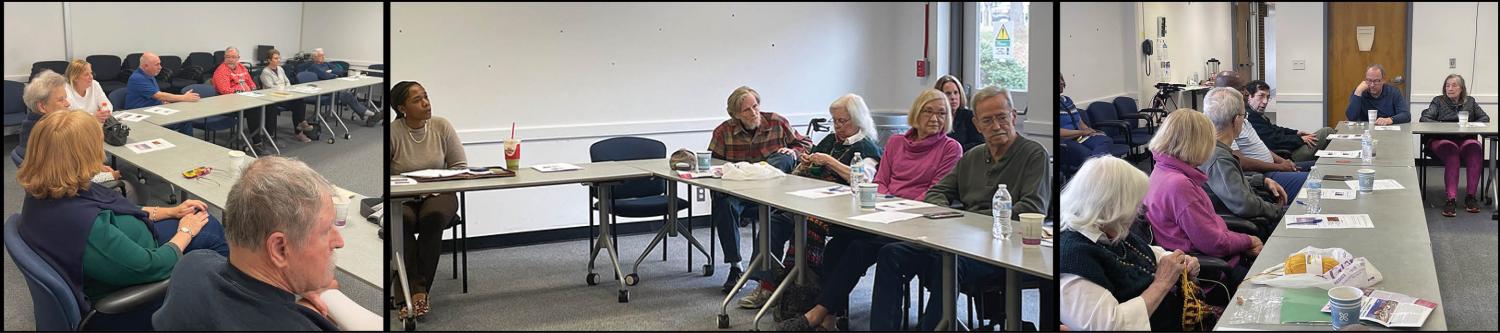
In describing her role as facilitator, Erica is clearly focused on those she serves. She adds, “I’m an advocate for stroke survivors who are often overlooked due to communication and mobility challenges. I’m a champion for those who continue to fight for recovery in ways that are most important to them.”
The Helping Hands Stroke Club offers stroke survivors and caregivers the opportunity to share personal experiences, exchange valuable information and network with others in an informal group setting. The primary benefit of the stroke Club is to provide a safe, caring and supportive environment for survivors and caregivers to openly and honestly discuss the challenges of stroke recovery. Activities vary and consist of guest speakers, open discussions and social events. Erica remembers that it was one of those other activities that made all the difference for one specific club member.
“I received a call from the daughter of a stroke survivor. Her mother was refusing to attend any support groups,” Erica recalls. “During our discussion, I learned that her mother enjoyed poetry which just happened to be an upcoming topic for a stroke club meeting. I encouraged the daughter to bring her mother to that meeting and to bring some poetry to share. After this initial meeting, the stroke survivor returned week after week and began to participate in other stroke related activities. It’s been 10 years and she’s still an active and vital member as well as the group’s staunchest supporter.”
The Helping Hands Club meets on Fridays from 1:00 to 2:00 p.m., and group speech therapy is on alternating Fridays from 11:30 a.m. to 12:30 p.m. A caregiver support group meets every other month. If you would like information on the group, you can call (703) 246-7120 (TTY 711) for details or visit the Speech and Hearing Services page on our Health Department website.
Pneumonia Increase Update — November 20, 2024
Across the state of Virginia, including the Fairfax Health District, hospital emergency departments and urgent care centers are seeing an increase in visits for diagnosed pneumonia, particularly among children ages 5-17 years old.
Pneumonia is an infection of the lungs. It can be caused by different germs, including bacteria, viruses, fungi, and parasites. People can get pneumonia any time of the year, but it is more common in the fall and winter when germs that cause respiratory illnesses are spreading.
Common symptoms of pneumonia include:
Certain people are more likely to get pneumonia, including:
Vaccines can help prevent infections that can cause pneumonia, including influenza, COVID-19, respiratory syncytial virus (RSV), pneumococcal disease, pertussis (whooping cough), and measles. Staying up-to-date on routine and seasonal immunizations can protect those at risk for developing pneumonia.
Healthy habits can prevent respiratory infections that lead to pneumonia. Avoid infections by:
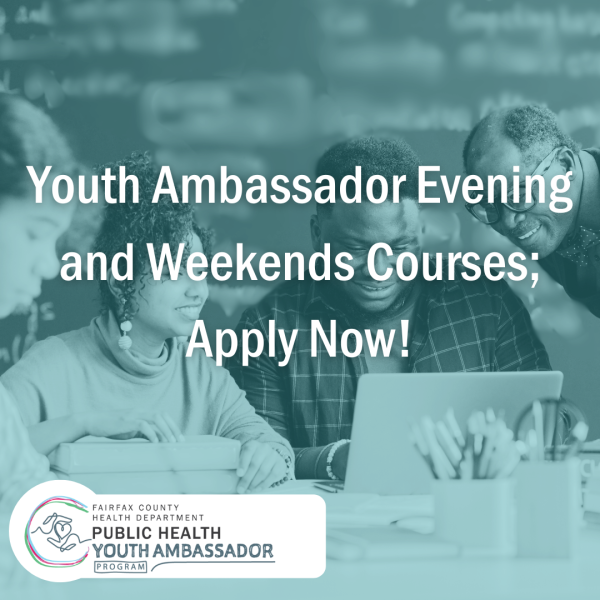
Previously, the Fairfax County Health Department’s Public Health Youth Ambassador Program (PHYAP) has only been available to students during the daytime at select FCPS high schools.
However, now, all eligible 10th through 12th grade students who live in Fairfax County will have the opportunity to become Youth Ambassadors through its new Evening and Weekend program. Whether a student attends private school, a faith-based school, is homeschooled, or goes to a non-partner Fairfax County Public School, they have the chance to jumpstart their secondary school and career engagement in the expanding community health field.
PHYAP’s Evening and Weekend courses offer two exciting program options for students to choose from:
Both classes will be held at the Fairfax County Government Center on Monday - Thursday from 6:00 p.m. - 7:00 p.m. and Saturdays from 11:00 a.m. - 1:00 p.m.
The program’s overall focus is to increase student interest in healthcare-related activities, while broadening the spectrum of professionals working throughout the industry. Each curriculum features learnings from two nationally known medical schools (the Morehouse School of Medicine and the George Mason School of Public Health), while acting as a catalyst towards meeting the Health Department’s goal to build generational health across the entire Fairfax region.
Applications for the PHYAP Evening and Weekend Program are now available. Application deadline is October 22. Apply today!
Learn more about the Public Health Youth Ambassador Program.
On Monday, October 7, the US Centers for Disease Control and Prevention (CDC) issued a Level 3 notice to reconsider non-essential travel to the Republic of Rwanda due to an outbreak of Marburg virus disease (MVD) in several parts of the country. MVD is a rare but often fatal hemorrhagic fever for which there is no vaccine or treatment. To date, no confirmed cases of MVD related to this outbreak have been reported in the U.S. or other countries outside of the Republic of Rwanda. CDC has indicated that the risk of MVD in the United States is low. To further reduce the risk of U.S. cases, travelers returning from Rwanda will be screened at the airport for potential exposure and symptoms of illness, beginning on October 14.
Marburg is a virus that naturally occurs in fruit bats and is in the same family as the Ebola virus. It can spread from human to human when someone comes into contact with bodily fluids from a person who’s infected. People can also get sick after handling a patient’s clothing or bedding.
The CDC released a health advisory about the Marburg illness on October 3. Symptoms of Marburg can appear similar to other diseases and can include fever, chills, headache, muscle aches, rash, sore throat, nausea, vomiting and diarrhea. People infected with Marburg usually get sick between 2 and 21 days after exposure to the virus.
The CDC advises that individuals who are traveling to a region where Marburg is present take the following protective actions:
Get more information about this outbreak: Fact Sheet: HHS Actions to Support Response to Marburg Outbreak in Rwanda | HHS.gov.
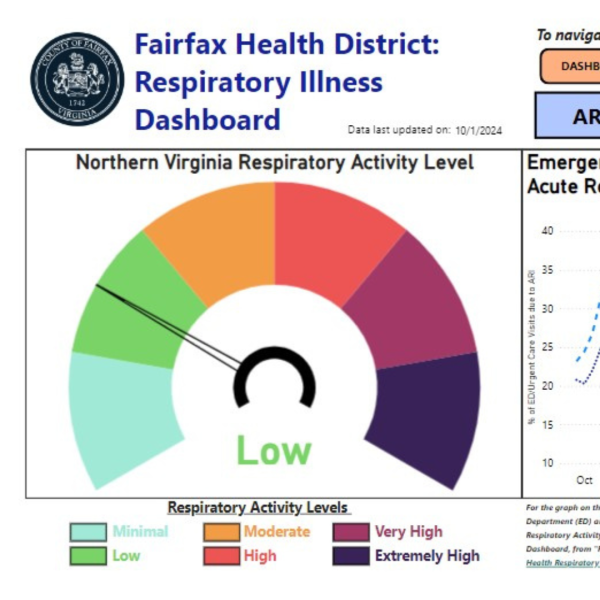
The Fairfax County Health Department has published a new Respiratory Illness Dashboard to help residents stay informed about the prevalence and trends of respiratory viruses in the Fairfax Health District. This tool offers real-time updates and data on various respiratory illnesses such as flu, COVID-19, and RSV.
The dashboard provides an accessible, easy to use platform where users can track local respiratory illness activity, compare data across multiple weeks, and view charts that display outbreaks and emergency department and urgent care visits related to respiratory diseases. Outbreaks are reported by facility type, including child care, schools, long-term care facilities, and other settings. Emergency department and urgent care visits are broken down by age group.
In addition to data on the dashboard, the Health Department highlights ways everyone can reduce their risk of getting or spreading a respiratory infection.
The dashboard comes at a critical time as October 1 marked the start of the CDC-defined respiratory disease season. Residents are encouraged to visit the Respiratory Illness Dashboard regularly to stay updated on respiratory illness activity as well as prevention strategies.
We urge everyone to build healthy habits to prevent respiratory illnesses now as we look ahead to the fall and winter months:
Visit our webpage and follow us on social media for updates on this and other health topics.