

Written by Chandler Crumlin, Energy Analyst, Office of Environmental and Energy Coordination
Energy audits are an essential first step to identify inefficiencies in facility performance, leading to operational changes and investments for long-term energy savings that support the county’s Operational Energy Strategy (OES).
Adopted in 2021, the OES set ambitious targets to reduce energy consumption by 25% by 2030 and 50% by 2040, while also cutting greenhouse gas emissions by half by 2030 and achieving carbon neutrality by 2040. Energy audits directly support these goals by identifying opportunities to lower energy use and enhance efficiency across county facilities, reducing environmental impacts and saving operational costs.
The Office of Environmental and Energy Coordination (OEEC) partners with other agencies to identify and prioritize buildings for energy audits and upgrades. Read on to learn more about the process!
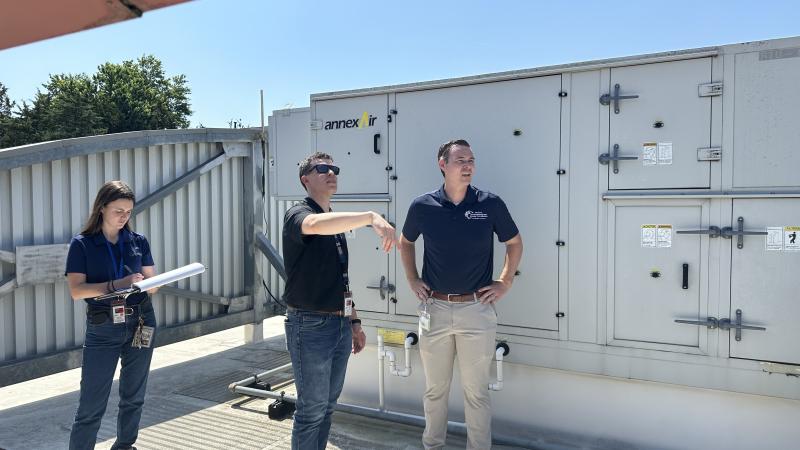
Identifying Energy Projects
OEEC works with county agencies to identify which of Fairfax County's 200-plus buildings are best suited for energy upgrades. To determine the buildings that will receive an energy audit, we apply the RAC method:
- Research – Review facility information and engage staff for suggestions.
- Analysis – Analyze energy data and compare it to similar types of buildings.
- Collaboration – Collaborate with coworkers, onsite staff, and partner agencies to find buildings that may be suitable for an energy project.
Once a priority list of buildings is created, OEEC brings in an energy services company (ESCO) to perform the energy audits.
Performing an Energy Audit
The audit (sometimes referred to as an energy assessment) includes a walking tour of the building and interviews with facility staff and users to better understand how the building operates and where there may be opportunities for improvement. Energy use data for the facility helps identify the equipment that may have the greatest impact on energy consumption and waste. Aging equipment tends to require more energy than newer equipment with up-to-date technology.
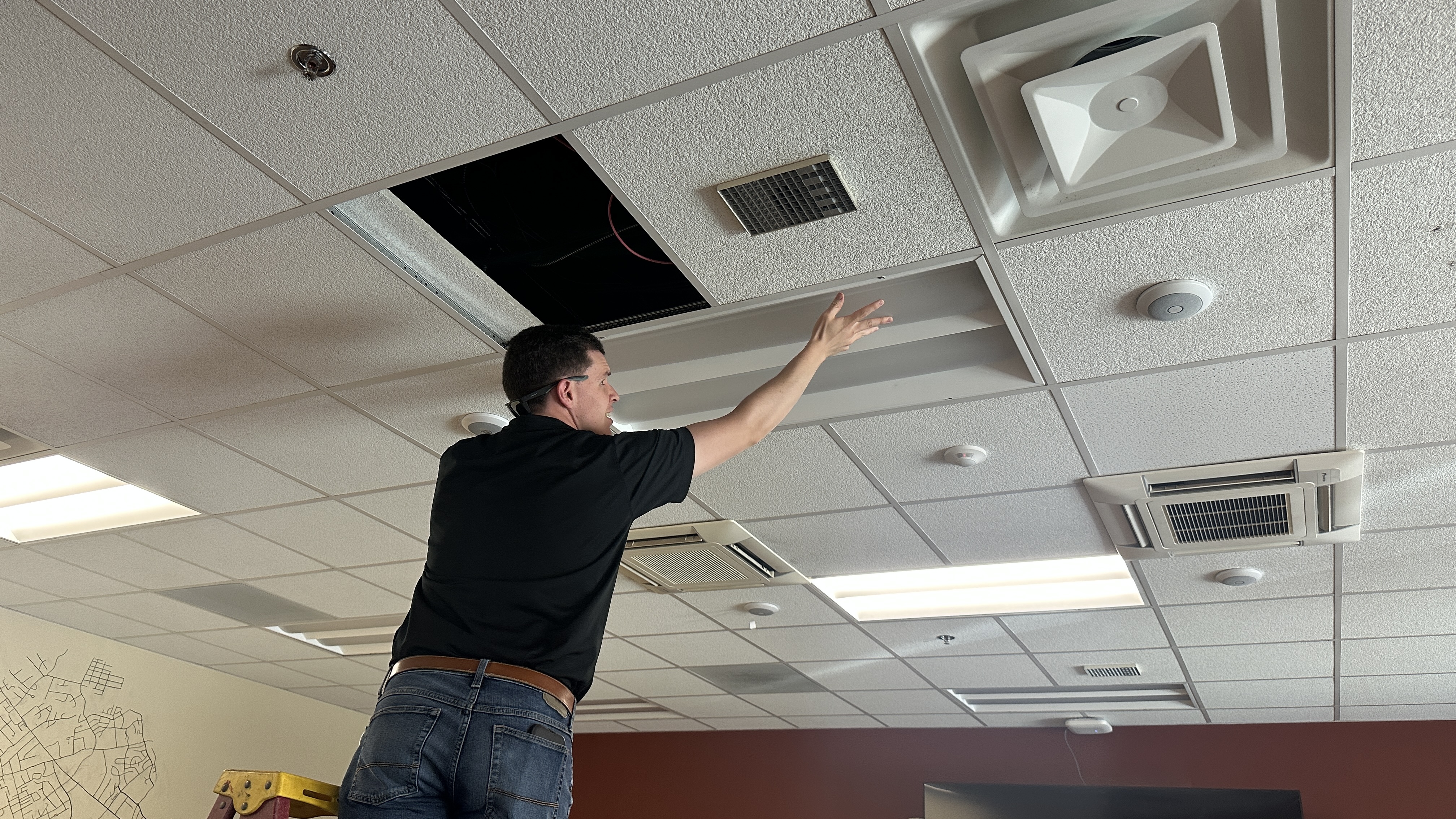
Below is a list of the most common improvements and equipment that are investigated during an energy audit:
- Lighting – Replacing fluorescent fixtures with energy efficient light-emitting diode (LED) technology
- Heating, ventilating, and air conditioning (HVAC) systems – Upgrading older equipment with new high-efficiency models often yields substantial savings
- Building envelope – Sealing windows and doors, adding insulation, or replacing aging roofs to better protect against outdoor weather
- Water heating and plumbing – Fixing leaks, installing low-flow aerators, and upgrading equipment for greater efficiency
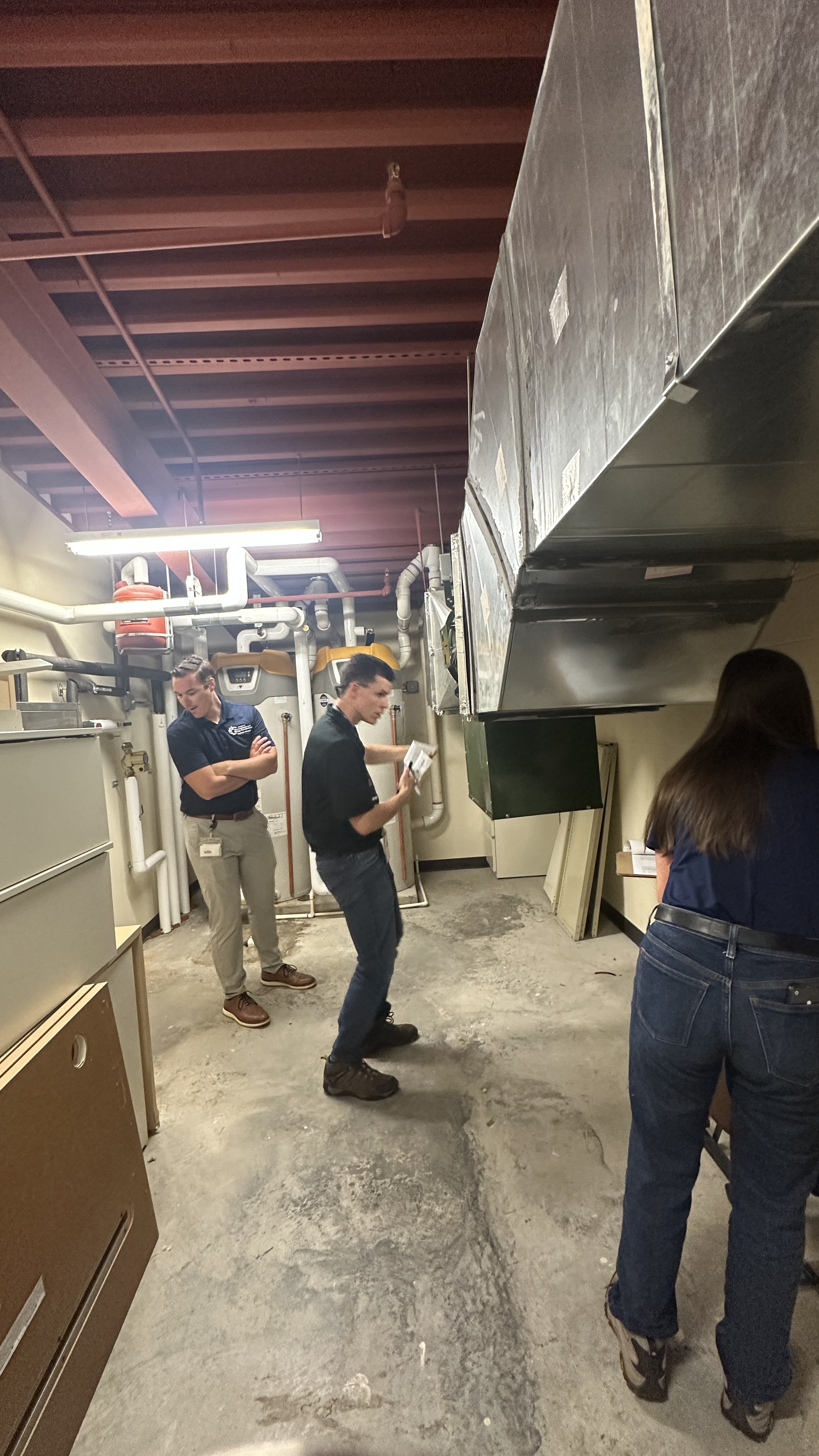
After the audits are complete, the ESCO generates a report that provides a breakdown of the equipment and areas that need updates, with an initial estimate of the cost for the upgrades OEEC collaborates with the building’s agency staff to decide which upgrades to pursue.
Making Energy Upgrades
Consideration is given to which upgrades will bring the most reduction in energy consumption, are economically sound, and will increase or continue to provide comfort to county employees and visitors to the buildings. The report provides the energy usage of the older equipment, as well as the estimated consumption after the upgrades. The old and new energy consumption is compared and the difference between the two is the energy savings.
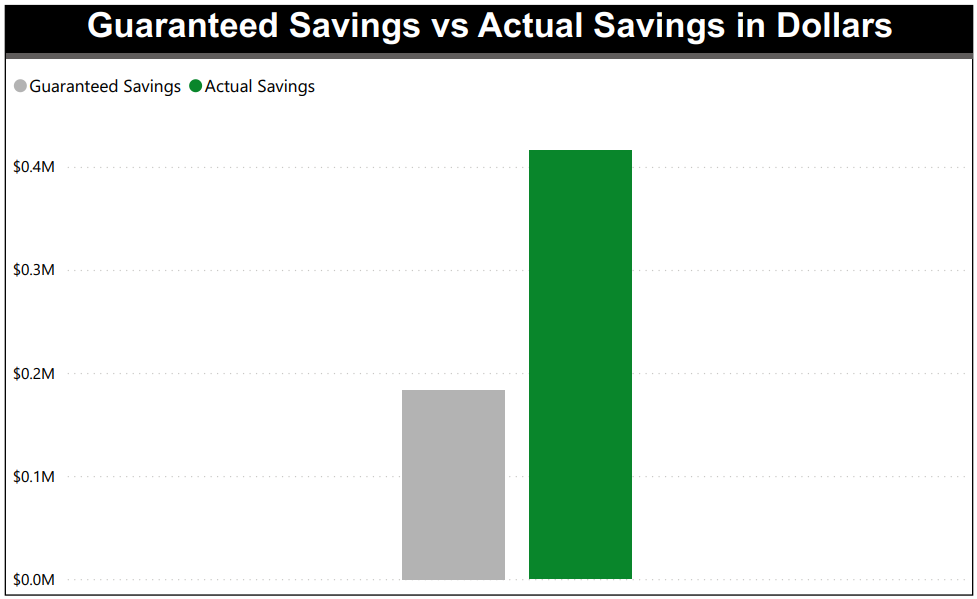
Along with the reduction in consumption, the ESCO estimates the reduced operating and maintenance costs. The ESCO’s performance contract guarantees reduction in energy consumption and monetary savings. So far, individual county projects have shown actual savings between 45% and 200-plus% larger than the guaranteed savings.
Coordinating with Agencies and Partners
The next phase of the project involves coordination between OEEC, facility staff, and the ESCO. The ESCO will design the upgrades for the project, create a project timeline, get pricing on the work, and coordinate onsite work with building staff. The coordination ensures that county services are not interrupted and the project moves forward smoothly until completion. After completion of the project, OEEC and the ESCO measure consumption to make sure that energy guarantee is met (in fact, all of our projects have exceeded their energy guarantees!).
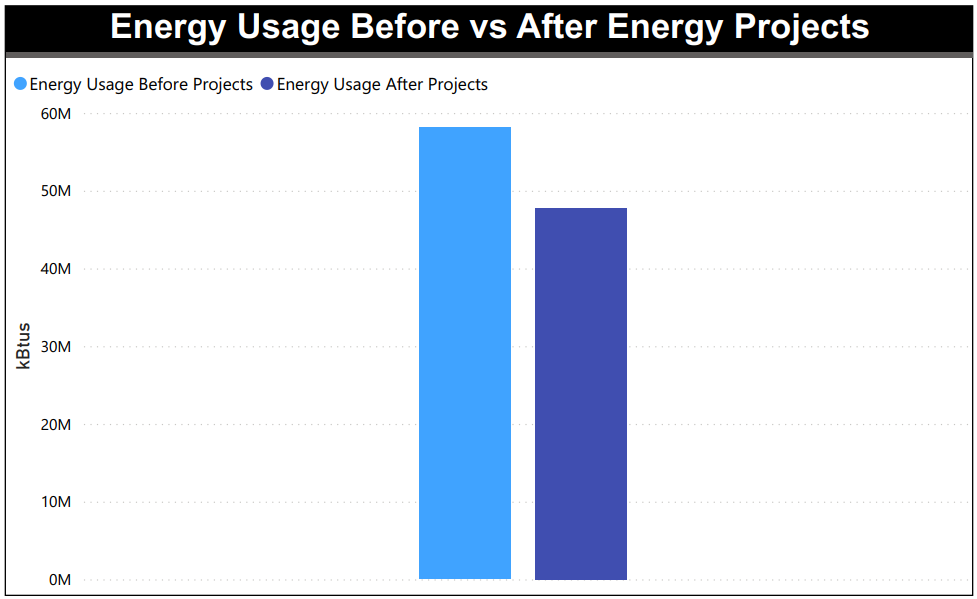
Through coordination and goal setting, implementing recommendations from energy audits bring the county closer to our OES goals. On average, our energy performance projects save 20% in energy consumption. The chart below shows combined energy usage in six county buildings before energy projects were completed, compared to their energy usage after energy upgrades were made. So far, the energy savings from the county’s energy efficiency projects is enough energy to power 430 homes for a year!
Enjoy the Savings
Savings from energy efficiency projects don’t just represent tangible progress toward Fairfax County’s ambitious energy and climate goals – they are good for the budget too. Below, you’ll find a chart showing the total first year savings for the county’s six completed energy projects. The savings are even larger than the reduction in energy might suggest because energy prices have risen compared to the baseline period.
Considering a Home Energy Audit?
Do you want to cut energy costs at home? Address an area of your home that is uncomfortable? Do you want the satisfaction of helping to lower greenhouse gas emissions? If you answer yes to any of these, consider scheduling an energy audit for your home from a reputable energy audit contractor.
If an audit seems like a daunting task, it may be easier than you think. The new Fairfax Energy Compass program is a resource for connecting people with qualified contractors and getting questions answered about home energy audits and upgrades. In addition, Dominion Energy can connect its customers with a contractor and provide information on financial incentives.
There are also simple steps you can take in your own time to help lower energy costs and lower greenhouse gas emissions:
- Installing LED bulbs, using water aerators, and changing HVAC filters regularly.
- Setting your thermostat and water heater to the recommended temperature settings.
- Investing in a smart thermostat to increase efficiency by letting you control the temperature of your home while you’re away.
An energy audit coupled with some of these actionable steps bring you closer to maximizing energy efficiency and doing your part to help our environment.
 Chandler has been serving as an Energy Analyst for the Office of Environmental and Energy Coordination since 2023. In this role, he contributes to advancing the county’s mission to address the causes of climate change by supporting cost-effective energy projects and fostering a culture of energy consciousness within the community. With a degree in accounting, Chandler combines analytical expertise with a passion for sustainability to drive impactful initiatives that align with Fairfax County’s climate goals.
Climate Matters is the blog of Fairfax County’s Office of Environmental and Energy Coordination, where we share stories, insights and information related to climate change and environmental sustainability. Posts are written by knowledgeable and passionate OEEC staff members and guest authors. To read all blog posts, visit Climate Matters.