


(Posted 2026 April)
This article is by Garfield Lindo.
I began the foster-to-adopt process in 2003 by attending a training session with approximately seven other families. At the outset, I was told that finding the right placement could take time. I anticipated that it might take a year or so; however, I did not realize that the process would ultimately span six years.

Initially, I indicated that I was open to adopting one child between the ages of newborn and ten years old. I didn’t have a preference regarding gender. My primary hope was to bring home a generally healthy child.
Prior to beginning training, I had purchased a home in Herndon, Virginia. I was employed as a computer programmer, and about a year after completing training, I was in a stable relationship with the man who would later become my husband. Together, we were financially secure and emotionally prepared to provide a stable, loving home for a child or children.
We explored adoption listings across the country and requested consideration for several children. However, as a same-sex couple, we encountered what appeared to be significant barriers. Many agencies did not seem open to placing children with same-sex couples.
In some cases, children we had inquired about remained with agencies for extended periods, even after we were not selected. While no explicit explanations were provided, it became difficult not to question whether our sexual orientation influenced those decisions.
Throughout this period, we continued working with Fairfax County in the hope of eventually finding a suitable match. There were two or three occasions when we were finalists but were ultimately not selected. Despite these disappointments, we remained committed to the process.
In 2009, we finally were called about a placement for a sibling pair—a four-and-a-half-year-old boy and his three-year-old sister. The children were delightful and endearing; however, they had experienced significant trauma and instability prior to joining our family. Recognizing the complexity of the transition, the county provided strong support services, including weekly in-home therapy.
A compassionate and skilled therapist worked closely with our family, helping us process our experiences and offering practical guidance. Her presence was invaluable. The transition from having no children to parenting two young children was profound for all of us, and professional support made a meaningful difference.
We enrolled the children in a nearby Montessori school soon after placement. It quickly became apparent that our son was significantly delayed in several developmental areas. These challenges manifested in behavioral difficulties both at school and at home. We again sought assistance from the county, which arranged additional therapeutic services, including a structured play therapy group where he could interact with peers facing similar struggles. These interventions provided essential support during a critical period of adjustment.
In 2010, we relocated to the Seattle area. Fortunately, the transition was smooth. We moved into a welcoming neighborhood with many young families. Living in a small cul-de-sac provided a safe environment where the children could play freely outdoors, develop friendships, and walk to school with neighborhood peers.
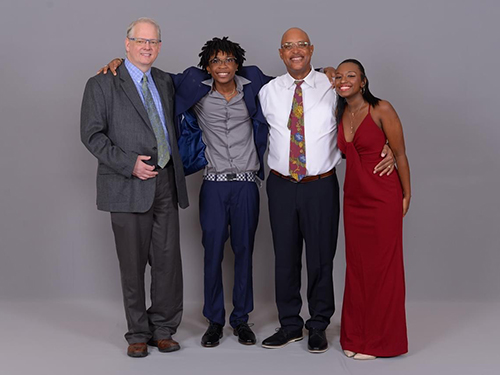
The sense of community contributed positively to their continued growth and stability. As the children matured, we encountered the expected challenges of adolescence, including periods of rebellion and emotional turbulence. Once again, we reached out for support, and the county consistently responded with guidance and services.
In 2021, during the COVID-19 pandemic, I approached my employer about the possibility of working remotely from our vacation home in Costa Rica. The company approved the arrangement, allowing our family to relocate. We saw this as an opportunity not only for flexibility during a global crisis, but also as a chance for our children to experience life in another country and culture. What began as a temporary adjustment evolved into a transformative chapter for our family. Both children enrolled in and ultimately graduated from an international school in Costa Rica.
Following their graduation, they pursued higher education in Europe. Our son is currently studying computer engineering and robotics in Ireland, and our daughter is studying psychology in Spain. Watching them chart their own paths has been deeply meaningful. Like all parents, we hope they will successfully complete their degrees and build lives that are happy, healthy, and productive.
Reflecting on our foster-to-adopt journey, it has required patience, resilience, and a willingness to seek support when needed. The six-year wait tested our resolve, and the years that followed demanded adaptability and perseverance. Yet with sustained professional services, a stable home environment, and strong community connections, our family has grown together through each stage of challenge and change. What began as a hope to provide a loving home ultimately became a shared journey of growth, opportunity, and enduring commitment.

This article posting is part of the Foster Family News monthly newsletter designed to keep foster parents informed about all the new and notable happenings in Fairfax County.
Learn about what the Foster Care and Adoption program has planned for foster families - stay on top of trends, participate in trainings and learn about policy changes.