EVENTS CENTRAL

Monthly Foster Care Information Meeting
Tuesday, October 13
5:30-7 p.m.
12022 Government Center Parkway (Room 200)
Fairfax, VA 22035
Are you curious about becoming a foster parent? Are you or someone close to you ready for the next step to help children that need a temporary home? We need more foster parents, and information meetings are one of the ways we get to know prospective parents. To attend the meeting first complete a short interest form to help us get to know you better, and you will be contacted promptly by one of our specialists. The full annual meeting schedule and additional information are available online. Check it out and share it with others who might be interested.
Foster Care 101
Saturday, October 24, 2026
2 – 3 p.m.
John Marshall Library (Meeting Room 1&2)
6209 Rose Hill Drive
Alexandria, VA, 22310-6299
Are you interested in adoption or would like to learn more about the foster care system? Join DFS staff for an informative session on foster care and the vital role that foster families play. Come and learn more about the process, who can foster, and community support! Register online beginning Oct. 10
 The Department of Family Services supports families and county residents of all ages and stages of life – and that definitely includes foster parents and families! Like and Follow @FairfaxCountyFamilyServices for news, events, tips, stories, training opportunities and more.
SUPPORT GROUPS
A variety of organizations offer support to adoptive, foster, and kinship care families in our region. Register online for a preferred support group.
Various dates, 6:30-8 p.m. – Foster the Family Support Groups for foster, kinship, and adoptive moms throughout the region. Support group attendance may count towards training and recertification hours. Child care registration is limited. Learn more about changes to their services in the DC area. Maryland Support Groups.
Thursday, Oct. 1, 7-8:30 p.m. – C.A.S.E. Adult Adoptee Support Group fosters an environment where participants will be able to voice some of the challenges, triumphs, and identity work unique to adult adoptees.
Sunday, Oct. 4, 7:30-9 p.m. – Formed Families Forward Virtual Peer Support Groups for foster, adoptive, and kinship families.
Monday, Oct. 5 & 26, 6:30-8 p.m. – Community Caring & Learning: A Support Group for Fairfax County Resource Parents. CCL Groups are an in-person supportive community for foster, adoptive and kinship parents offering an environment of camaraderie, a space to discuss topics related to foster care and adoption as well as learn tips and skills from other resource parents. All sessions are facilitated by seasoned resource parents. Register for childcare. In-service training hours will be provided.
Tuesday, Oct. 6, 7:30-8:30 p.m. – C.A.S.E. Ask An Adoptee Support Group fosters meaningful dialogue and connection for individuals impacted by adoption, foster care, and kinship care. Certain months will focus on specific audiences — including adoptees, those with foster care or kinship care experience, adoptive parents, and partners of adoptees creating supportive spaces to connect, learn, and grow together. Meets monthly on the first Tuesday.
Back to top
Each newsletter will include this section to help answer questions, spotlight the people who support foster families, highlight the donors and sponsors who generously give to foster care programs and activities and friendly reminders for foster families to sign-up for trainings.
FREQUENTLY ASKED QUESTIONS
 What is the Foster Parent Support Line and how and when do I access it?
Answer: The Foster Parent Support Line is an answering service available to Fairfax County foster parents, residential facilities, and group homes after-hours emergencies seven days a week. The phone number, 703-257-3974, is written on the Foster Parent Code of Ethics. Families can also obtain the number from their resource specialist, foster care and adoption specialist, or placement coordinator. The Foster Parent Support Line is always monitored by a live person. Once a call is received, the individual from the support line will either patch the foster parent directly through to the resource specialist or placement coordinator on call, or take a message so the family can be called back. The Foster Parent Support Line is a conduit for the foster parent to pass on important information about the children in their home regarding a medical need or emergency, behavior challenges or changes, or to seek advice and reassurance.
The Child Protective Services (CPS) Hotline is a number used by a caller concerning the maltreatment of a child. Foster parents, along with other community members, are mandated reporters. The CPS Hotline is a 24-hour hotline. During business hours Monday through Friday, callers may call the Fairfax County CPS Hotline at 703-324-7400. After business hours and on the weekends, calls are rolled over to the Virginia Department of Social Services hotline in Richmond, Virginia.
Check out other frequently asked questions and answers from past issues.




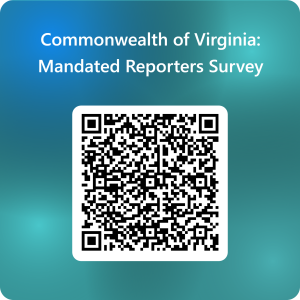

 What do you want to see in Foster Family News?