Health Department Alert:
The 2025 Atlantic hurricane season officially began June 1, and experts are predicting an active season with about 13-19 named storms expected. Hurricanes and tropical storms can pose serious risks to your health, from injuries to illness caused by flooding, power outages, and unsafe conditions. Taking steps to prepare now can help you and your loved ones stay safe and health before, during, and after a storm.
1. Prepare for Your Household's Health Needs
Talk with your household about your emergency plan. Make sure everyone knows how to communicate during the storm and what to do if you get separated. Remember to include any pets or service animals in your plan. Plan for:
2. Build an Emergency Kit
Your emergency kit should include essentials to help you weather the storm by maintaining your health and safety:
3. Protect Your Home
Flooding and storm damage can lead to mold, contaminated water, and injury hazards. Prepare your home by:
4. Stay Informed
Keep up with weather updates and official emergency alerts so you can act quickly. Sign up for Fairfax Alerts to get free, timely emergency updates. If the power goes out, use battery-powered or hand-crank radios to stay informed. Pay close attention to public health notices about any boil water advisories, food safety, or shelter guidance.
5. Support Vulnerable Loved Ones
Older adults, people with disabilities, pregnant individuals, and those with chronic illnesses may need extra support during emergencies. Plan for:
Learn more about public health emergency preparedness at fairfaxcounty.gov/health/emergency

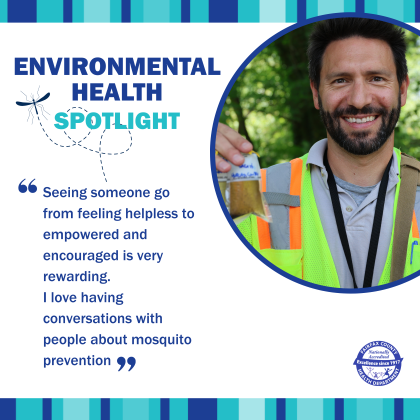 Today, we spotlight our Environmental Health Specialist, Andy Lima, who has spent over 11 years perfecting the science of mosquito source elimination in Fairfax County yards and properties.
When residents find themselves unable to enjoy their outdoor spaces due to mosquito problems, Andy steps in with detective-like precision. He specializes in identifying breeding sources for Tiger mosquitoes – an invasive daytime biting species that can turn any water-holding container into a nursery for young mosquitoes.
“Seeing someone go from feeling helpless or anxious to being empowered and encouraged is very rewarding. I love having conversations with people about mosquito prevention and helping them understand that there is hope."
Remember to eliminate standing water around your house, as it can become a breeding ground for mosquitoes.
Making a difference one inspection at a time, Andy helps families enjoy their outdoor spaces safely through education and practical solutions.
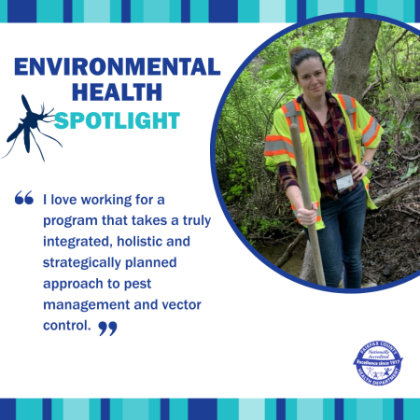
_0.png) Rachel, a senior environmental specialist, focuses on larval mosquito surveillance, which incorporates over 1,400 county-maintained stormwater facilities (which are structures designed to control rainwater runoff). When these structures malfunction, they can become a home for thousands of mosquitoes. Fortunately, Rachel and her colleagues can step in with environmentally friendly treatments and coordinate infrastructure repairs to prevent this from happening.
Rachel, a senior environmental specialist, focuses on larval mosquito surveillance, which incorporates over 1,400 county-maintained stormwater facilities (which are structures designed to control rainwater runoff). When these structures malfunction, they can become a home for thousands of mosquitoes. Fortunately, Rachel and her colleagues can step in with environmentally friendly treatments and coordinate infrastructure repairs to prevent this from happening.
"I love working for a program that takes a truly integrated, holistic, and strategically planned approach to pest management and vector control."
While people often blame nearby ponds for mosquito problems, the real culprits are usually much smaller and closer to home.
After the rainstorms, Rachel encourages residents to watch their flowerpot saucers or corrugated downspouts, birdbaths, tires, buckets, grill covers and tarps that can hold water for a week or longer. Don’t forget to tip & toss this summer!
Make a habit of emptying standing water containers regularly. Mosquitoes can be very creative about their nurseries!
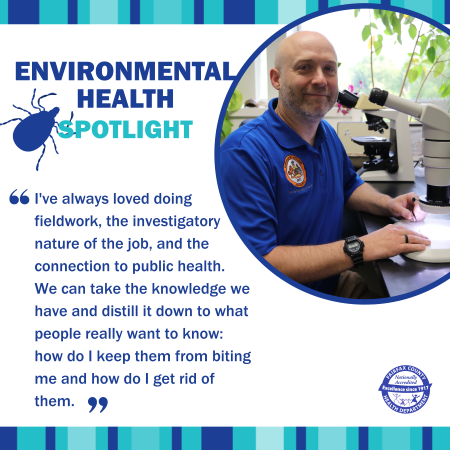 Today the spotlight shines on Environmental Health Supervisor Joshua Smith, who has dedicated over 17 years to researching, handling, and educating the community on issues surrounding disease-carrying insects in Fairfax County.
As the supervisor of the County’s Disease Carrying Insects Program, Josh combines investigative work with public health science. Each day, Josh and his team pose essential questions: Where are the mosquitoes and ticks coming from? How are they affecting our community? And most importantly, what can we do about it?
"Since I started in this field, I've always loved doing fieldwork, the investigatory nature of the job, and the connection to public health. We can take the knowledge we have and distill it down to what people really want to know: how do I keep them from biting me and how do I get rid of them?"
Through direct community interactions, such as tick identifications and yard inspections, our disease carrying insects program staff translate complex entomology into practical solutions tailored to each resident's specific situation.
We can all do our part to help prevent disease-carrying insects in our communities. Check your yard/property for standing water (tip and toss when you see it), examine yourself/loved ones for ticks after outdoor activities, and use repellent to prevent insect bites.
Ticks are out in “full force” in springtime. Anyone finding a tick on themselves or their loved ones may take a photo, send it to the Health Department and a staff member will identify it and let the inquirer know what type of tick bit them. This is helpful in case the person experiences symptoms and must tell a doctor the precise type of tick bite they suspect since different types of ticks carry different diseases.
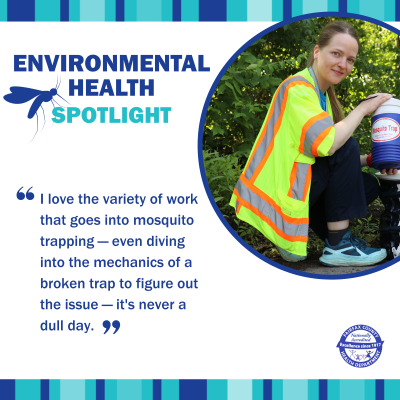 From May to October, for the past decade, Environmental Health Specialist Tilde Hoff has been setting roughly 4,000 mosquito traps across 75 locations throughout the county.
"I love the variety of work that goes into mosquito trapping, it's never a dull day! I love diving into the mechanics of the broken traps to figure out the issues."
Her daily work goes well beyond the placement of the traps. When the equipment breaks down or malfunctions from environmental exposure, Hoff and her colleagues dive into the mechanics, repairing everything from stuck fans and worn fabric to full motor replacements and rewiring.
This hands-on work keeps the Fairfax County Disease Carrying Insect Program’s surveillance system running smoothly. Tilde's role enables the Health Department to monitor for potential diseases such as West Nile Virus, track mosquito populations, and provide the community with vital education about mosquito-borne illnesses and how they can be prevented.
These traps are placed all over Fairfax County so if you spot one (they are clearly labeled and look like toolboxes or small trash cans under tarps), please don't disturb them. They, and Tilde are working hard to keep our community safe!
Learn more about our Environmental Health Department and Fight the Bite!
The Fairfax County Health Department hosted a graduation ceremony on May 31 to honor 151 local high school students who completed the Public Health Youth Ambassador Program (PHYAP).
 PHYAP is a free initiative that equips students in grades 10 through 12 with vital knowledge and skills in public health, including opioid use prevention, teen mental health support, and community health work. Participants earn nationally recognized certifications from Morehouse College and George Mason University while growing as community leaders through hands-on project development, mentorship, and interactive coursework.
This year’s graduation, held at Carl Sandburg Middle School, was themed “Celebrating Our Rising Stars.” Dr. Daniel Rodriguez, assistant principal at Justice High School, delivered an inspiring keynote address. Student speakers Ahmad Sargand, San Fred Traore, and Deema Osman reflected on the program’s personal and community impact.
Graduates were also invited to join the Youth Ambassador Alumni Program, which offers advanced learning experiences and ongoing mentorship opportunities. Many alumni have gone on to pursue secondary school studies and career pursuits in public health and health care-related industries, continuing to serve and uplift their communities.
By helping students understand the root causes of health disparities and giving them the tools to make a difference, PHYAP is empowering a new generation of public health and health care leaders. As students proudly accepted their graduation certificates and looked ahead, it was clear these rising stars are not just the future — they are already leading the way.
Learn more about PHYAP and how to submit an application.

As warmer weather returns, so do mosquitoes and ticks — and with them, the risk of several serious illnesses. The Fairfax County Health Department joins other public health agencies in urging the public to take extra precautions this spring and summer to avoid bites and protect themselves and their families from illnesses spread by ticks, mosquitoes and other pests.
Staff members from the Health Department’s Disease Carrying Insect program work year-round to educate the community about the precautions one can take to protect themselves from being bitten, and actions that can help reduce the insect populations. From exhibiting at community events to disseminating fun and informative educational materials, the central message is that it’s important to actively reduce the chances of contracting an illness from insect bites.
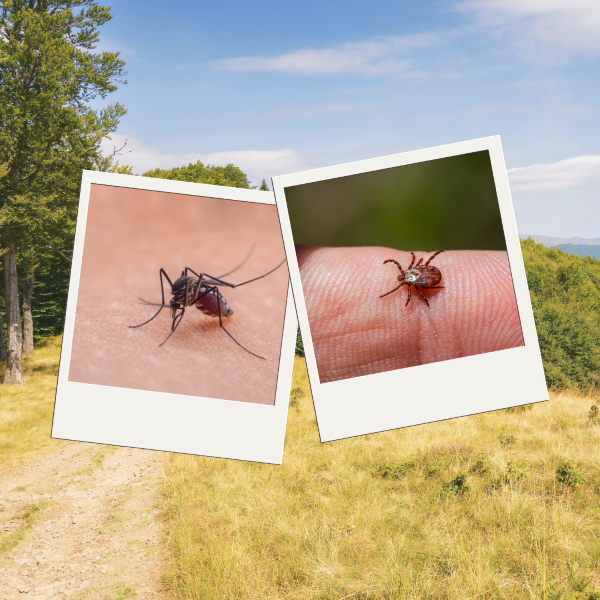
Mosquitoes are known carriers of diseases like West Nile virus, Zika virus, dengue and Chikungunya, while ticks can transmit Lyme disease, ehrlichiosis and Rocky Mountain spotted fever. Experts warn that as climate patterns shift, these pests are appearing earlier in the season and in greater numbers.
To minimize the risk of bites, the Centers for Disease Control and Prevention (CDC) recommend the following tips:
Staying vigilant and taking preventive measures can help ensure a safer and more enjoyable spring season. If you develop symptoms like fever, rash, or unusual fatigue after a bite, health experts urge you to seek medical attention promptly.
Learn more about the Health Department’s Disease Carrying Insect program and how to protect yourself and your family on the county website, and view available information and education materials.
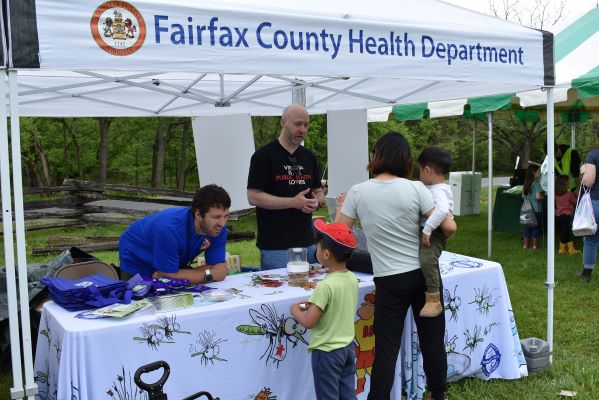
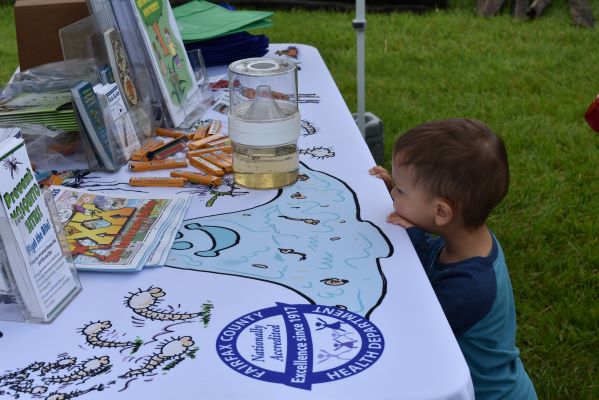
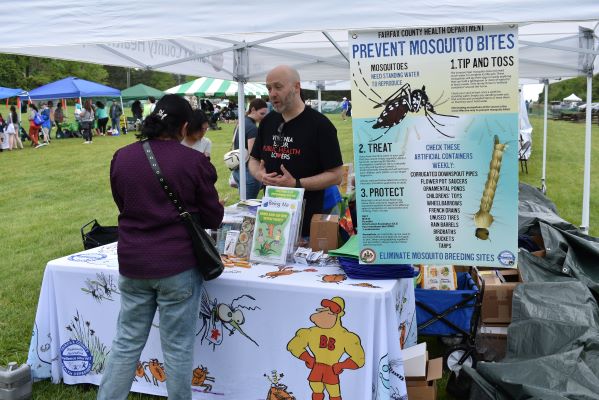
Attendees at the Fairfax County Earth Day celebration learn about preventing illnesses from mosquito and tick bites.
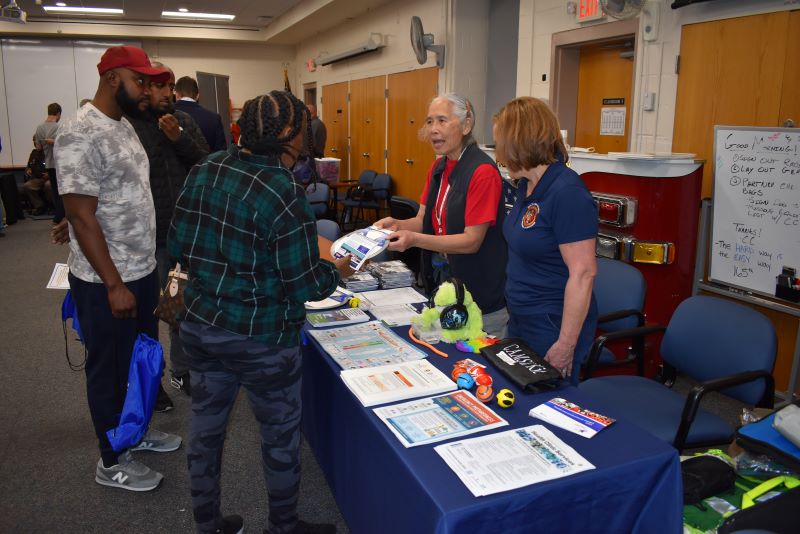
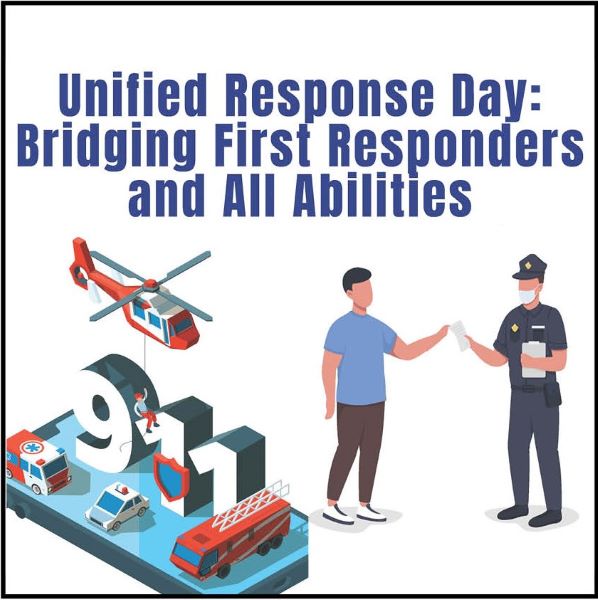
Eleven county agencies and local nonprofit organizations gathered at the Fairfax County Fire and Rescue Academy on Saturday for the annual Unified Response Day. Representing the Health Department at the event were Jody Gamber from the Emergency Preparedness and Response division, and Peggy Plunkett, a Medical Response Corps volunteer. Together they spoke with attendees on the importance of considering medical needs when creating a supplies kit or preparing for a disaster.
“No one like to think about floods or tornadoes, but the reality is that the ability to survive and recover from such events depends on preparation,” said Gamber. “We’re encouraging people to think about their health needs in the context of an emergency. Things like medications, special dietary needs, assistive devices, and even supplemental power for anything that runs on electricity or needs recharged. What actions would you take if the things you rely on day-to-day to maintain your health are not available? It’s so important to make a plan and build your disaster kit.”

Unified Response Day is an opportunity for people with disabilities to interact with first responders and learn about other available safety resources. It’s a hands-on event where people with disabilities and their families can connect with first responders in a safe, low-pressure setting. This interactive experience lets participants practice real-world scenarios like traffic stops, car accidents, medical emergencies, and fire rescues.
Additional information about emergency preparedness, including how to build a kit and make a plan is available on the Health Department website.
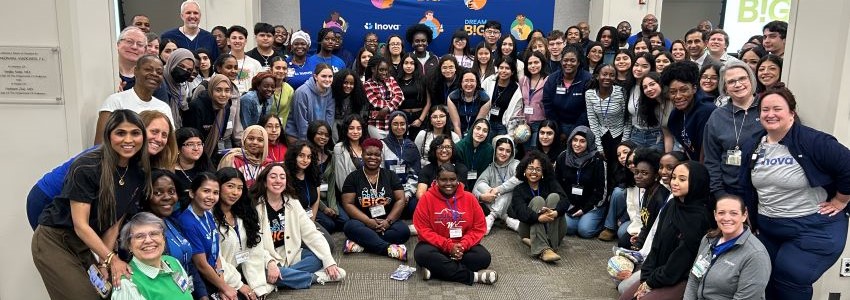
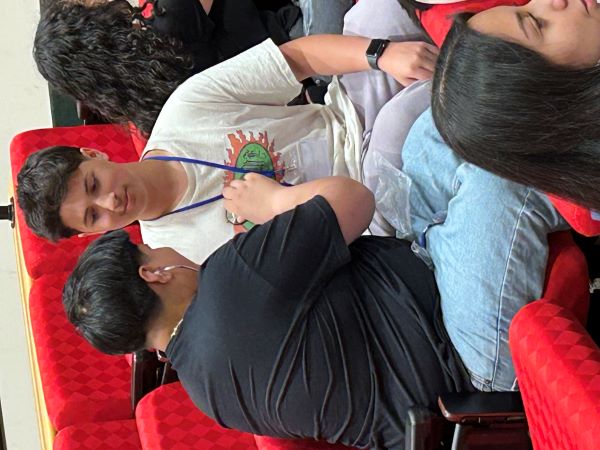
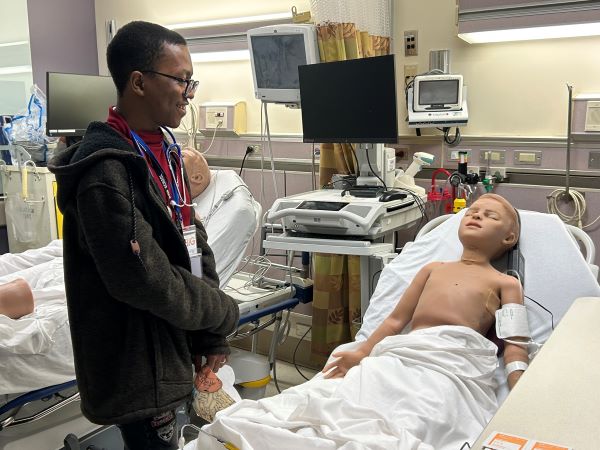
Seventy-four high schoolers enrolled in the Health Department’s Public Health Youth Ambassadors Program (PHYAP) spent a day at the Inova Fairfax medical campus last week. Students interacted with healthcare professionals, and explored the vast world of career opportunities in the fields of medicine and healthcare. The students attend Justice and Mount Vernon high schools and were provided the opportunity as part of Inova Fairfax Hospital’s “Dream B!G” program.
By offering opportunities for youth and adults to explore healthcare career paths, Dream B!G hopes to inspire young people to pursue healthcare careers. Dream B!g is aligned with the PHYAP program goals of increasing student awareness of the broad range of opportunities within the field of public health, as well as broadening students’ knowledge around the multiple ways our world is influenced and connected by healthcare-related activities.
“The partnership between the Dream Big and PHYAP programs illustrates a shared belief that when students can engage with professionals in the field, we increase the chances that they’ll pursue these types of careers,” said Scott Folks, Program director for the Public Health Youth Ambassador Program. “In discovering the ways medicine aligns with technology, research, engineering, and community service outreach, students develop a more complete sense of the range of opportunities that are available to them.”
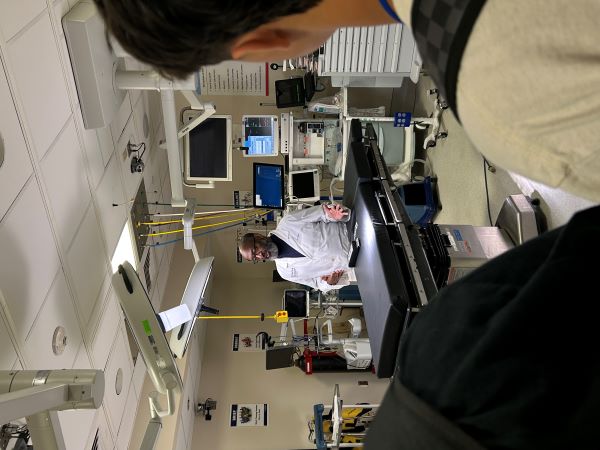
Dr. Tiffany Latham, DNP, ANP-BC, Chair of Inova APP Professional Development at Inova Schar Heart and Vascular Institute, welcomed the students to the INOVA campus and laid out the plans and goals for the day. Inova Fairfax’s Chief Nursing Officer Dr. Dina Dent spoke of the personal rewards and sense of gratification gained from a career in healthcare, while Nathan Mart from the Workforce Development team showed the students opportunities for a healthcare-related jobs that go beyond physician and nursing.
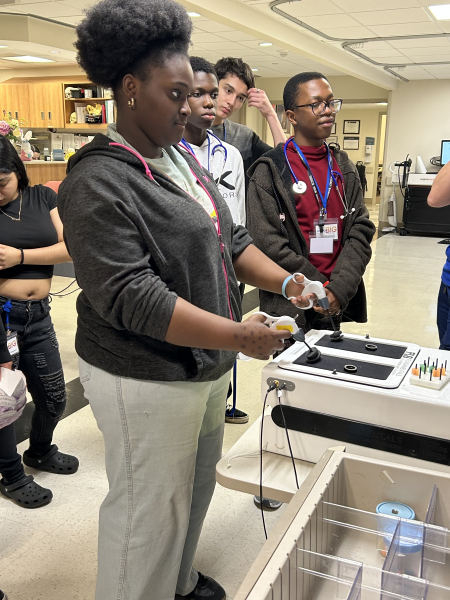
Dream B!G activities are designed for students to explore a future in healthcare, learning about multiple career paths while engaging with Inova healthcare team members and University of Virginia (UVA) medical students. The students were divided into groups and explored diverse career paths through four different rotations. Activities included:
The event concluded with conversations with medical professionals, who provided advice and guidance, and lessons-learned as they shared their own career and life experiences. Closing remarks were provided by Dr. Steve Narang, President of the Inova Fairfax Medical Campus and President of Pediatric Services.
We need your help! The Partnership for a Healthier Fairfax, with support from the Fairfax County Health Department, is developing a new Community Health Improvement Plan (CHIP). The CHIP is a community-centered action plan for addressing the most important health issues in the Fairfax Health District.
We invite you to participate in Root Cause Analysis sessions to identify and understand why there are challenges on topics such as eating healthy, physical activity, accessing healthcare, mental health, and substance use. Your input will help inform the goals and strategies of the next CHIP.
Community sessions will be held on:
Please join us and make your voice heard!
If you have any questions, please contact Carrie Cannon, Health Promotion Coordinator, at Carrie.Cannon@fairfaxcounty.gov or 571-585-7392.