

Fairfax County, Virginia
Fairfax County Virginia

FFX Global Navigation

    • Soil and Water Conservation District Homepage
    • About NVSWCD
      • About the Soil and Water Conservation District
      • Board of Directors and Staff
      • Careers and Internships
      • Our Partners
      • Policy Positions and Legislative Letters
    • Addressing Conservation Problems
    • Urban Agriculture and Community Gardens
    • CAP/VCAP Cost-share
    • Flood Mitigation Assistance Program (FMAP)
    • Community Programs and Presentations
    • Volunteering with NVSWCD
    • Youth and Student Programs
    • Newsletter
  • Residents
    • Animals & Pets
      • Adoptions
      • Animal Control & Regulations
      • Guide to Dogs
      • Lost & Found Pets
      • Shelter Support & Supplies
      • Wildlife
      • More
      Courts & Legal
      • Case Information
      • Circuit Court Docket
      • Jury Duty
      • Land Records
      • Magistrate
      • Public Law Library
      • Self-Help Resources
      • Traffic Court
      • Vital Records
      • More
      Environment & Energy
      • Invasive Species
      • Litter
      • Recycle, Trash & Compost
      • Sustain Fairfax
      • Trees
      • Watersheds
      • More
      Health & Human Services
      • Basic Needs & Assistance
      • Disability Services
      • Diseases & Conditions
      • Domestic & Sexual Violence
      • Health Clinics
      • Mental Health
      • Opioids
      • More
      Individuals & Families
      • Children & Youth
      • Federal Workforce
      • Immigrants
      • Military & Veterans
      • New Residents
      • Older Adults
      • Parents
      • People with Disabilities
      • Volunteers
      • More
      Land Use & Planning
      • Comprehensive Plan
      • County Capital Projects
      • Land Records
      • Parks Planning
      • Planning Projects
      • Research Tools
      • Transportation Projects
      • Urban Centers
      • More
      Library & Education
      • Adult Education
      • Early Childhood Programs
      • Library Branches
      • Library Catalog Search
      • Public Schools
      • More
      Parks & Recreation
      • Arts
      • Athletic Fields
      • Camps
      • Community Centers
      • Parktakes Classes
      • Rec Centers
      • Senior Centers
      • Teen Centers
      • Trails
      • More
      Permits & Licenses
      • Birth & Death Certificates
      • Building
      • Child Care
      • Dogs
      • Health
      • Marriage
      • Park Use
      • Solicitors
      • More
      Property & Housing
      • Affordable Housing
      • Code & Zoning
      • Neighborhoods
      • Real Estate Values
      • Recycling & Trash
      • Tenant Landlord Issues
      • Utilities
      • More
      Public Safety & Emergencies
      • 9-1-1
      • Emergency Preparedness
      • Fire & Rescue
      • Gun Violence Prevention
      • Police
      • Scams
      • Sheriff
      • Storm Center
      • More
      Roads & Commuting
      • Bike & Walk
      • Connector Bus
      • Metrobus & Metrorail
      • Park & Ride
      • Pedestrian Safety
      • Road Maintenance/VDOT
      • Street Parking
      • Toll Roads
      • Transportation Projects
      • More
      Taxes & Fees
      • Car Taxes
      • Park Fees
      • Real Estate Taxes
      • Tax Relief
      • Trash Disposal Fees
      • More
      Voting & Elections
      • Absentee Voting
      • Early Voting
      • Election Results
      • Polling Places
      • Voter Registration
      • More
      Weather & Climate
      • Air Quality
      • Climate Action Dashboard
      • Extreme Heat
      • Floods
      • Ready Fairfax
      • Resilient Fairfax
      • Snow
      • Tornadoes
      • More
  • Business
    • Business & Construction
      • Building Permits
      • Code & Zoning
      • Land Use
      • More
      Business Services
      • Business Emergency Preparedness
      • Business Taxes
      • Consumer Services
      • Employer Transportation Service
      • Green Business Partners Program
      • Home-Based Business
      • Regulation & Licensing
      • Small Business
      • Starting a Business
      • Workplace Issues
      • More
      Doing Business with Fairfax
      • Contracting and Procurement
      • Current Solicitations
      • Permits
      • Vendor Pitch Portal
      • More
  • Government
    • About
      • Codes & Standards
      • Countywide Strategic Plan
      • Facilities & Locations
      • History of Fairfax County
      • Operating Status
      • More
      Board of Supervisors
      • Auditor
      • Board Members
      • Boards, Authorities & Commissions
      • Clerk Services
      • Committees
      • Meetings & Agendas
      • More
      Budget & Finance
      • Bonds
      • Budget
      • Financial Transparency
      • Unclaimed Money
      • More
      Departments & Agencies
      Jobs & Employment
      • Full-Time Openings
      • Internships
      • Seasonal & Non-Merit
      Maps & Data
      • Countywide Data Analytics
      • Demographics
      • Geographic Information Systems
      • Interactive Data Tools
      • More
      One Fairfax
      • Digital Equity
      • Inclusive Engagement
      • Trust Policy
  • Fairfax County Virginia
  • Services
    • Find
      • Animal Services
      • Health Clinics
      • Jobs
      • Library Resources
      • Lost or Found Pet
      • Mental Health Support
      • Park Classes
      • Real Estate Values
      • Recycling & Trash
      • Volunteer Opportunities
      • More
      Pay
      • Business Taxes
      • Car Taxes
      • Dog Licenses
      • Driving & Parking Fines
      • False Alarm Fees
      • Real Estate/Property Taxes
      • SACC Payments
      • More
      Register/Apply
      • Basic Needs & Assistance
      • Building Inspections
      • Car Registration
      • Fairfax Alerts
      • Permits & Licenses
      • Tax Relief
      • Vote
      • More
      Report
      • Animal Control Issues
      • Consumer Complaints
      • Crime
      • Domestic Violence
      • Financial Crimes
      • Neighborhood Complaints
      • Road Issues to VDOT
      • Street Light Outages
      • More
  • Connect
    • Alerts, Emails & Apps
      • Email Subscriptions
      • Fairfax Alerts
      • Mobile App
      • More
      Community Engagement
      • Surveys & Projects
      Contact
      • Directory
      • Hotlines & Emergency Numbers
      • VDOT
      • VFOIA Requests
      • More
      News & Events
      • Daily Headlines
      • Emergency Information Blog
      • Events Calendar
      • NewsCenter
      • NotiCentro (Spanish)
      • Public Meetings Calendar
      • More
      Social Media
      • Comments Policy
      • Directory of Accounts
      • More
      TV, Video & Podcasts
      • Channel 16
      • Podcasts & Radio
      • YouTube
      • More
  • TRANSLATE
    • Language Selection

      To change the language of this website, click the drop-down list and select the desired language. The Fairfax County Web site is being translated through "machine translation" powered by Google Translate. Disclaimer

Northern Virginia Soil and Water Conservation District

  1. Home
  2. Northern Virginia Soil and Water Conservation District
  3. Dogwoods: Can Eastern Forests Function Without Them?

Northern Virginia Soil and Water Conservation District Alert:

703-324-1460 TTY 711
ConservationDistrict@fairfaxcounty.gov
12055 Government Center Parkway
Suite 905, Fairfax, VA 22035
nvswcd
Willie Woode
Executive Director

Department Resources

  • Soil and Water Conservation District Homepage
  • About NVSWCD
    • About the Soil and Water Conservation District
    • Board of Directors and Staff
    • Careers and Internships
    • Our Partners
    • Policy Positions and Legislative Letters
  • Addressing Conservation Problems
  • Urban Agriculture and Community Gardens
  • CAP/VCAP Cost-share
  • Flood Mitigation Assistance Program (FMAP)
  • Community Programs and Presentations
  • Volunteering with NVSWCD
  • Youth and Student Programs
  • Newsletter
  • facebook
  • instagram

Dogwoods: Can Eastern Forests Function Without Them?

by Jim McGlone, Urban Forest Conservationist, Virginia Department of Forestry
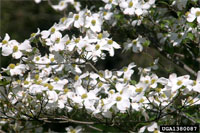
Flowering Dogwood in bloomIt’s spring again and the flowers are blooming. But one important harbinger of spring is increasingly absent from our Virginia woodlands — the flowering dogwood (Cornus florida). These beautiful native trees are succumbing to the dogwood anthracnose fungus (Discula destructiva), a non-native fungus that has killed over 95 percent of the dogwoods in some areas.

While the loss of the dogwood’s delicate spring blooms and deep purple fall foliage is upsetting, the loss of ecological function is cause for serious concern. Dogwoods are an important food source for wildlife and a significant component of the calcium cycle in eastern forests.

Dogwood seeds, fruit, flowers, twigs, bark, and leaves are used as food by various animals. The USDA Forest Service reports that at least 36 species of birds eat the dogwood’s high fat-content berries. They are also enjoyed by mammals from chipmunks to bear. Deer and rabbits browse on the twigs, leaves and bark. In the fall, the rapidly decomposing leaves are food to many detrivores (organisms that process decomposing organic matter) from bacteria to land snails.

In addition to being a source of food for many animals, dogwoods also play a key role in the calcium cycle of the forest. Calcium is an essential nutrient for both plants and animals, and dogwood leaves are 2 to 3.5 percent calcium by weight. Dogwoods, unlike most other trees and plants, have the ability to ‘mine’ calcium from soil and rocks. The trees concentrate the mineral in their leaves and wood; when the leaves fall in autumn, that calcium becomes available to the rest of the plants and animals in the forest.

The relationship between dogwood trees, land snails and perching bird populations provides just one example of the dogwood’s invaluable role in the forest nutrient cycle, and the larger forest ecosystem. Land snails, attracted by the calcium in the leaf litter, are more prevalent under dogwood trees than under other trees in the forest. Scientists studying forest dynamics have been able to link decreases in the population of these land snails to similar decreases in perching bird populations. As dogwoods have become fewer due to anthracnose, scientists believe that perching birds have begun suffering from calcium deficiency, which is limiting their ability to produce eggshells. Thus, the loss of these beautiful trees can have wide-ranging implications for our eastern forest ecosystems.
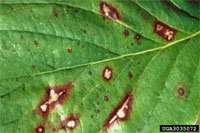
Dogwood anthracnose splotches on a leafDogwood anthracnose first appeared in New York and Connecticut in 1978 and has since spread up and down the east coast. Anthracnose infection appears as splotches with tan centers and purple edges on the upper leaf surface, with black spots on the underside. Infection usually proceeds from the leaves to the twigs and branches, but can start in new shoots. Infected branches have tan cankers with black spots. Diseased trees lose branches from the bottom of the tree up. Sick trees may try to compensate by producing sprouts along the trunk, which are easily infected and introduce the fungus to the trunk.

The best way to protect your dogwoods from anthracnose is to keep them healthy. In the wild, drought stressed trees and those growing in moist, shady woods seem especially at risk. During dry periods, water your trees at ground level with a soaker hose (wetting the leaves and branches may encourage the fungus). Give your dogwood a little sun and a 2- to 3-inch mulch bed extending at least to the drip line of the tree. Lightly fertilize as necessary with a low-nitrogen fertilizer to avoid rapid growth of susceptible shoots. Remove water sprouts from the trunk, and monitor and prune out infected leaves and branches. Finally, plant anthracnose resistant trees like the ‘Appalachian Spring’ cultivar developed from survivors of an anthracnose outbreak in Maryland.

You can also help restore calcium to the forest. Instead of throwing out your egg shells, sterilize them by toasting in the oven or zapping in the microwave. Then crush them up and mix them with the seed in your bird feeder or scatter them in your yard or garden. The snails, birds and squirrels will do the rest.

Photo top left: Chris Evans, River to River CWMA, download from www.forestryimages.org.
Photo right: R.L. Anderson, USDA Forest Service, download from www.forestryimages.org

Recent Interactions

    Ask Fairfax

    Terms & Conditions
    Live chat available Search our site
    • facebook
    • instagram
    • Translate
    • Awards
    • Site Feedback
    • PRIVACY POLICY & COPYRIGHT
    Main Address

    12000 Government Center Pkwy
    Fairfax, VA 22035

    Phone

    703-324-7329

    TTY 711

    Site Tools
    • Website Accessibility
    • Translate
    • Download Mobile App
    Support
    • ADA Accessibility
    • FOIA Requests
    • Website Administrator
    Additional Resources
    • Fairfax County Public Schools
    • Economic Development Authority
    • Visit Fairfax
    • Council of Governments
    • Commonwealth of Virginia
    • USA.gov
    • Calendar
    • Channel 16
    • Mail
    • Security
    • WIFI
    • Facebook
    • Twitter
    • Instagram
    • YouTube
    • Mobile

    The Official Site of Fairfax County