

Written by Emily Bohr, Outreach Specialist, OEEC
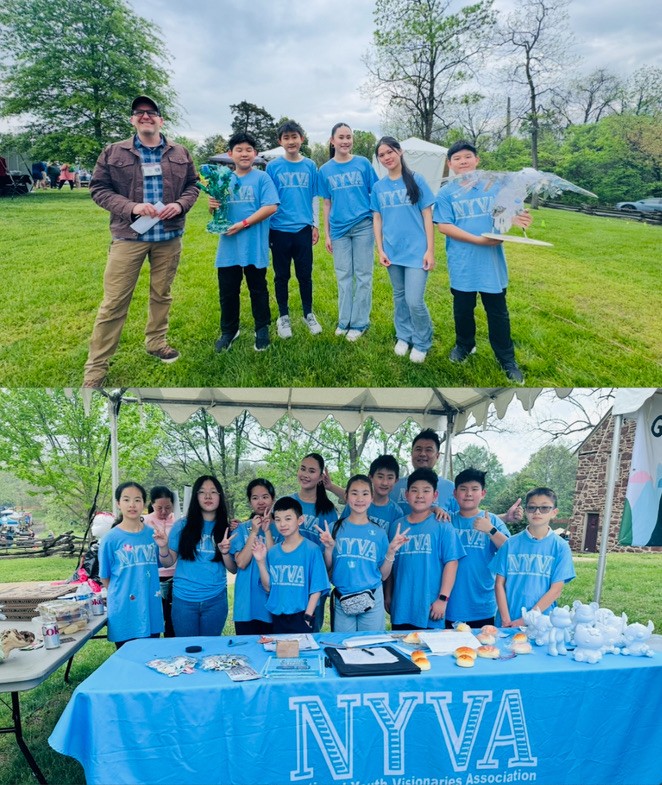 National Youth Visionaries Association began as a simple idea from a passionate Fairfax County student: use art to bring people together. What started as a creative platform for her peers has since grown into a youth-led movement at the intersection of art and environmental stewardship.
In this interview, we talked with NYVA’s founder, Yingxi Zhao, about how her love for creativity evolved into an environmental movement — one project, one community and one piece of art at a time.
What school do you go to and what inspired you to create the National Youth Visionaries Association (NYVA)? Was there a specific moment or experience that sparked the idea?
I am currently attending McLean High School. I didn’t create NYVA from one sudden moment. It’s something I’ve wanted since I was young. Coming from a family of immigrants from China, I know how hard it can be to find belonging in a new place. I grew up hiking through nature, spending weekends in art museums and developing a deep love for the beach especially as I became more aware of ocean pollution, which inspired projects like Everyday Heroes, which aims to address the issue of soft and stretchy plastics that aren't accepted by regular recycling programs. I wanted to share that love and create a community where anyone, not just artists, could express themselves. Over time, NYVA grew into empowering students as leaders using art and creativity to drive real change in our communities.
What is the NYVA’s mission, and how do you think that mission has evolved over time?
NYVA’s mission has always been to connect communities through art, leadership and a shared sense of purpose. In the beginning, it was about giving students a platform to express themselves creatively. As we grew, we realized environmental stewardship is deeply intertwined with that mission. From tackling plastic pollution to inspiring sustainable action, NYVA evolved to use art not only as a form of expression but as a tool to inspire environmental change. Now, we’re not just connecting people artistically, we're building a movement where young leaders use their creativity to protect the environment, locally and globally.
Are there particular environmental themes, like plastic pollution, climate change, or conservation, that the NYVA tends to highlight through art most often?
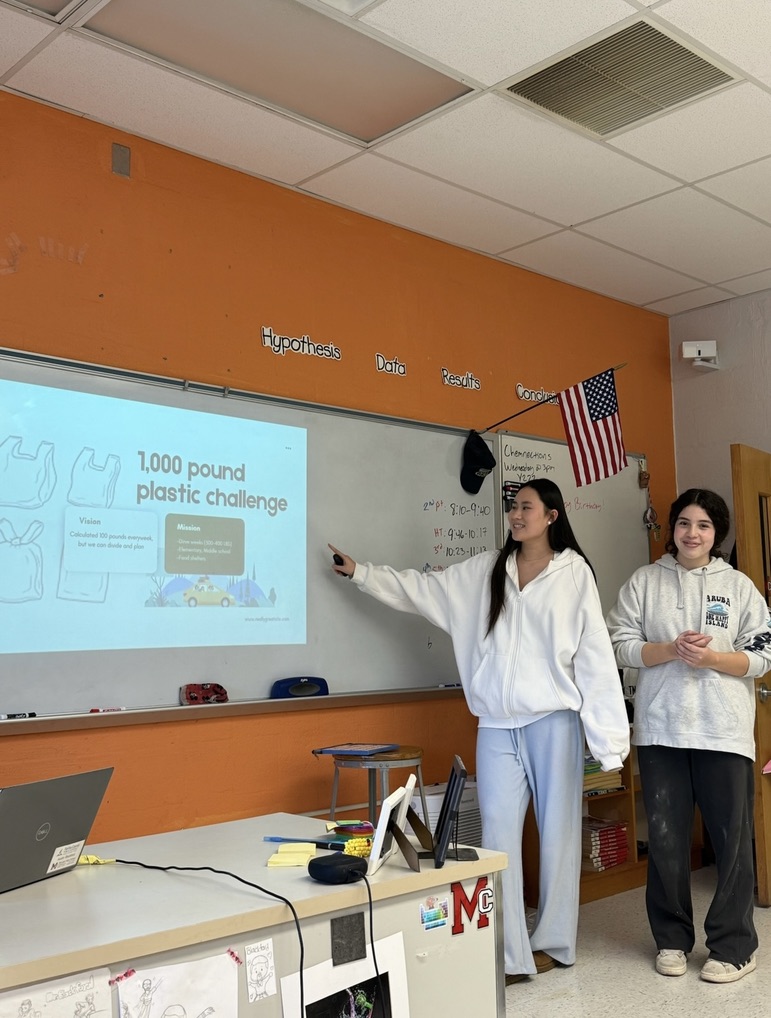
Yes, a key theme we focus on is plastic pollution whether in oceans, forests, or during our park cleanups. We often use recyclable trash in our art, but we specifically focus on soft, stretchy plastics. In Virginia, typical recycling programs don’t process these. Even if placed in the recycling bin, they often end up in landfills or oceans. It’s vital we highlight this issue. Plastics like cling wrap, storage bags, or food packaging release microplastics into the air, water, and even our bodies. Most people don’t realize the severity of this impact on human health, ecosystems, and beyond so it’s something we emphasize strongly.
How did the “Trash to Treasure” project begin, and what are you hoping students get out of it?
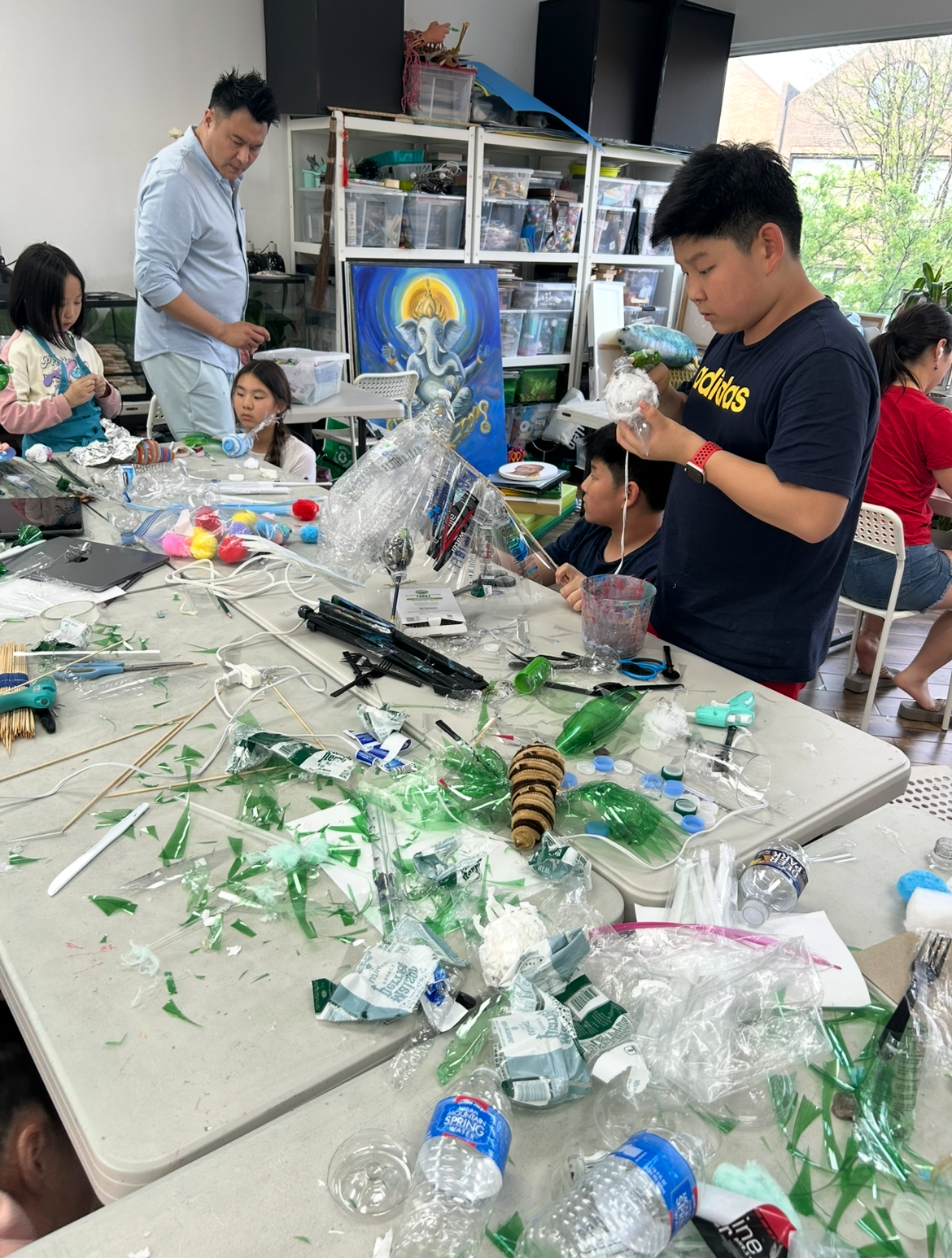
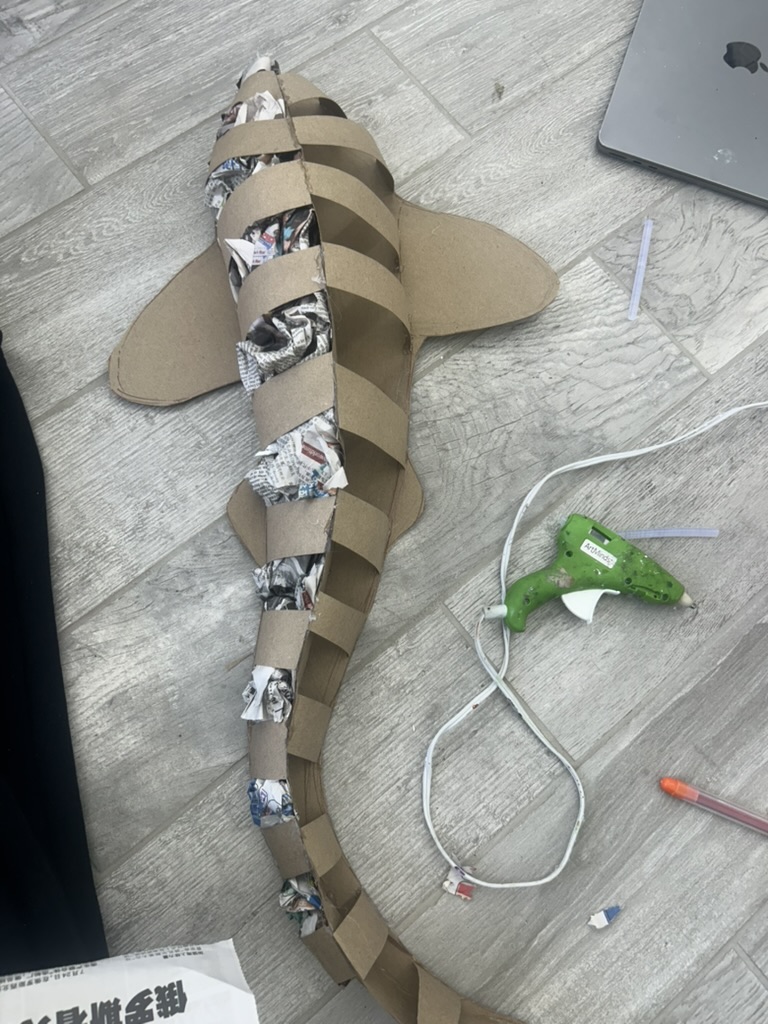
Trash to Treasure was inspired by a couple of moments. One year, I went to the beach, and instead of seashells, the shore was covered in plastic bottle caps and waste. People just walked past it. Then, after visiting a museum with exhibits of underwater life made entirely from plastic and seeing a bird filled with plastic it mistook for food, I knew we needed to act. For example, in Trash to Treasure, students collect their plastic waste and turn it into artwork like animals. The goal is to raise awareness of plastic’s impact, but also to offer a new perspective. By giving waste a second life, we show that anyone can transform something harmful into something meaningful.
What role do you think art can play in changing people’s attitudes about waste and environmental issues?
Art plays a huge role in shifting attitudes about waste and environmental issues. While people admire art, they often ignore trash or overlook environmental problems if it doesn’t affect them directly. Art, however, captures attention. When communities turn trash into art like repurposing plastic into meaningful pieces, it makes people pause. I’ve seen it happen firsthand. When I introduced this project to friends, some initially thought, “It’s just trash, what difference will it make?” But as they turned waste into meaningful art, it sparked conversations and inspired others. The more communities turn trash into treasure, the more attention we bring to environmental issues. Art definitely plays a big part in that shift.
Many students may not see themselves as “artists.” How do you make your art projects welcoming to everyone, regardless of skill level?
That’s the beauty of art. No one needs to be a professional or “artist”. Whether you’re a beginner or new to art, you can still create something meaningful. That’s why I love art so much, it’s universal. Our projects welcome everyone, no matter their skill or background. You express your feelings, there's no strict formula. If you collect plastic and feel inspired to create a forest or an ecosystem, that’s art. It’s hands-on and about creative thinking. That’s what makes these projects open to all because anyone can express and create.
What advice would you give to a student who cares deeply about the environment but doesn’t know where to start?
I want to start by saying that I completely relate. I’ve cared about the environment for as long as I can remember, and at the start, I felt unsure too. The first step is to simply observe. Go to a local park, walk around your neighborhood, or just sit in nature and notice what stands out. Maybe there’s litter; maybe there’s a lack of green spaces. That observation will show you where you can make a difference. Once you see it, act. Start small, organize a mini cleanup with friends or even just pick up trash yourself. You can also join existing groups. When I started, I joined local restoration efforts like removing invasive plants. Over time, you might even start something bigger. But the most important part is this: caring is the first step, and taking that first action, however small, will lead to more opportunities. The environment doesn’t need perfection; it just needs you to start.
Can you share your favorite experience with the NYVA? 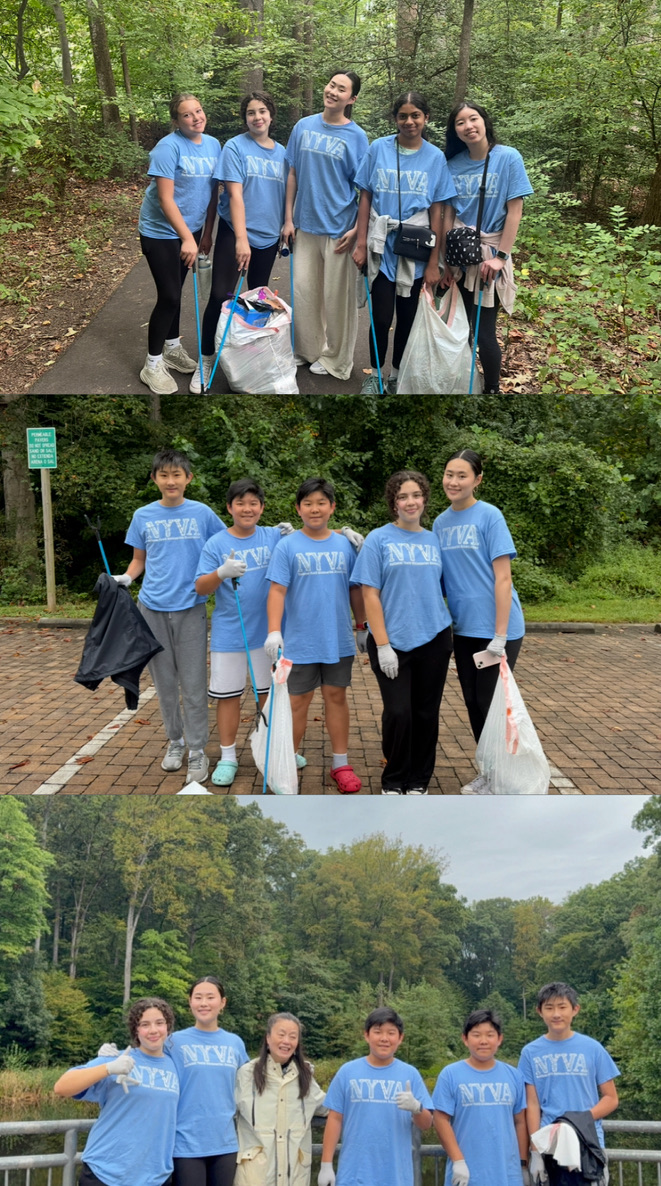
My favorite experience with the NYVA is the first ever park clean-up. I remember that first summer park cleanup vividly. I made the flyers, reached out to friends, but I honestly wasn’t sure if anyone would show up. On the day, when over 20 volunteers came, it was incredible. It wasn’t just about picking up trash, it turned into a shared experience where people laughed, shared stories, and realized they weren’t alone in their passion. Seeing students, families, and even strangers bond over making a difference made me think this is what NYVA is all about. That day showed me that when people come together for something bigger than themselves, it creates lasting connections and that’s what keeps me inspired every day.
Is there anything else you’d like to share?
I started NYVA back in middle school, and now, in high school, I’ve expanded that vision by founding the Everyday Heroes Club at McLean High. The club is for anyone who cares about the environment and wants to make a difference. We call it Everyday Heroes because heroes today don’t wear capes and don’t need superpowers. If you pick up trash, help someone in need, or make small positive changes, you’re an everyday hero. In our club, we organize fun projects, like turning trash into treasure through art, educating each other on issues like soft plastics, and even having fun contests and holiday events. Recently, the club has taken action with two successful park cleanups this year. Step by step, we’re building that everyday impact.
Also, I’m publishing a book — “Everyday Heroes,” about plastic pollution. The inspiration came from a day at the beach where I saw birds trying to eat plastic left behind by people and washing ashore. That’s when it hit me, this wasn’t the beach I remembered as a kid. That moment sparked me to write the book, a story to help children, and really anyone, understand that small actions matter. With this book, I want to spark conversations and help everyone realize they can be an everyday hero. And I’m really excited because the book is now so close to publishing! I’ve finished the draft, and now I’m finalizing everything, and I’m very excited to share it with the world very soon!

Emily Bohr has served as OEEC's outreach specialist since 2022, supporting the office’s digital communications and community outreach efforts. She earned a degree in Environmental Studies from George Mason University and completed NASA's Earth to Sky course, gaining a deeper knowledge of climate change communication.
Climate Matters is the blog of Fairfax County’s Office of Environmental and Energy Coordination, where we share stories, insights and information related to climate change and environmental sustainability. Posts are written by knowledgeable and passionate OEEC staff members and guest authors. To read all blog posts, visit Climate Matters.