

Written by Deborah Arenstein, Solar Program Manager, Local Energy Alliance Program
Editor's Note: The deadline to sign up for the Solarize Virginia program has been extended to August 15, 2026.
Today I’d like to share why solar leases are an affordable and energy-efficient way to adopt solar for your home without the upfront cost for outright purchases or financing, which average about $28,000 for a home installation. Through the Solarize Virginia program, leases are now available as an option for eligible homeowners who sign up, adding another pathway alongside traditional purchase and loan financing.
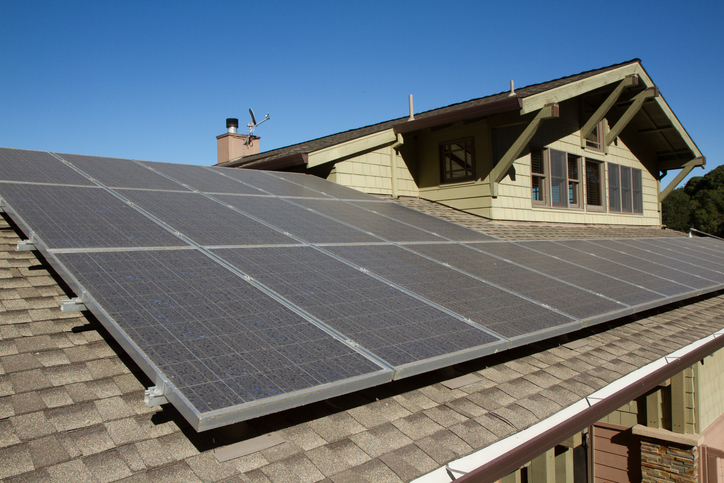
As you may know, Dominion Energy’s prices have increased 47% in the past five years. Other electric providers in Virginia have raised their rates as well as increasing the riders, or add on charges, that consumers absorb. Electric prices are not going down, so installing solar means you can “lock in” at their current rates.
For little or no upfront cost, a solar lease allows you to:
- Begin enjoying reduced energy bills right away
- Expect predictable monthly lease bills
- Leave the maintenance and repairs to the leasing company
- Lock in to current electricity rates
- Generate your own energy using solar panels
- Benefit from the net metering* rate for Dominion customers (other providers may have different net metering rates)
- Increase the value of your home if you choose to sell during the leasing period
- Easily transfer the lease to the buyer of your home
Solar leases offer a simple entry point into solar for homeowners with little or no upfront costs, a predictable monthly lease payment and a decrease in your electric bill. Depending on your solar exposure, you might cover most of your electricity bill using solar. Your lease will have an escalation clause, stated upfront, but that rate is predictable and less than the annual electric bill increases. And you don’t have to maintain or repair your panels — since they are an asset of the leasing company, they take responsibility for any work that needs to be done.
 Buying electricity is a given for all of us — it’s a matter of whether we pay for it in perpetuity with no ability to control price increases, or we adopt solar with a solar lease, which allows for a predictable portion of that expense. Homeowners are no longer able to claim the 30% federal tax credit for solar, but solar leasing companies are. The solar company captures those credits and passes some of the value to you through lower monthly rates. Their tax credit is currently available until Dec. 31, 2027.
Solarize Virginia has carefully vetted our installers, not only for their equipment, pricing and service provision, but also by reviewing their solar lease providers and their escalation clauses, lease terms, and other factors. If you are interested in learning more about solar leases — or simply want to learn more about your options — sign up at solarizeva.org. You can also review our educational webinars, which include information about solar leases, at solarizeva.org/videos
Questions? You can reach me at info@solarizeva.org - I look forward to hearing from you!
* Net metering allows individuals to reserve excess electricity produced for future use. When you produce more energy than you need, the excess will be recorded by your meter as it flows back to the grid and credited to your account for future use. This “bank” resets annually. In a win for ratepayers, in April 2026, the Virginia State Corporation Commission (SCC) rejected a proposal by Dominion Energy that would have cut net metering benefits and devalued the electricity solar owners produce. This ruling protects full retail compensation for Dominion customers at a 1:1 ratio. If you are not a Dominion customer, your installer can let you know net metering rates, as they vary by provider.
About Solarize Virginia
Solarize Virginia is a no-cost, no obligation program administered by a nonprofit organization, Local Energy Alliance Program (LEAP), that reduces the cost and complexity of going solar. The program runs through July 15, 2026 and residents are encouraged to sign up for a free, no obligation, assessment and learn what going solar might mean for you — and your wallet — in the coming years.

Deborah Arenstein is the Solar Program Manager at the Local Energy Alliance Program. Based in Charlottesville, Deborah has helped homeowners navigate the process of going solar for the past three years. She has been a part of the nonprofit sector for over 30 years and understands the critical role non-profit organizations play in improving the life of community members, as well as addressing larger social issues such as climate change, environmental justice, and public health.
Climate Matters is the blog of Fairfax County’s Office of Environmental and Energy Coordination, where we share stories, insights and information related to climate change and environmental sustainability. Posts are written by knowledgeable and passionate OEEC staff members and guest authors. To read all blog posts, visit Climate Matters.