Fairfax County resident (Seven Corners) | Solarize Virginia participant in 2024
Why Jim Went Solar
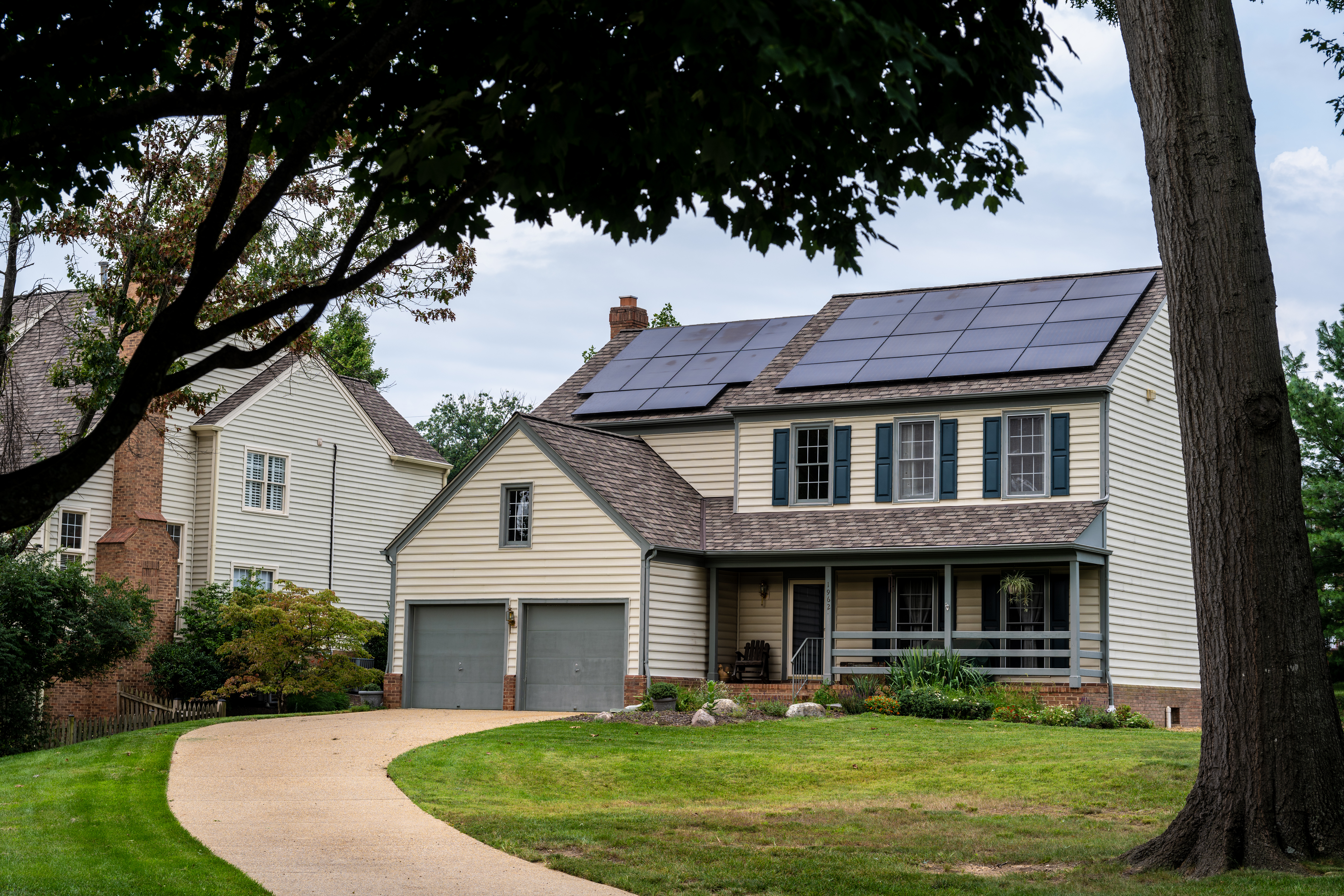
I’ve had solar on my to‑do list for years—I even used to work on solar power systems for spacecraft. What pushed me to move forward in 2024 was the uncertainty around Dominion’s full net‑metering beyond the end of 2024.
I found Solarize Virginia through Fairfax County’s website, along with another solar ‘matchmaker’ service. I chose Solarize Virginia because they connected me with installers without requiring a deposit just to have a conversation.
His Solarize Virginia Experience
Because my house is older and has a complex roof, I knew I didn’t want a discount, door‑to‑door type installer. Through Solarize Virginia, I was matched with a vetted commercial vendor who turned out to be excellent.
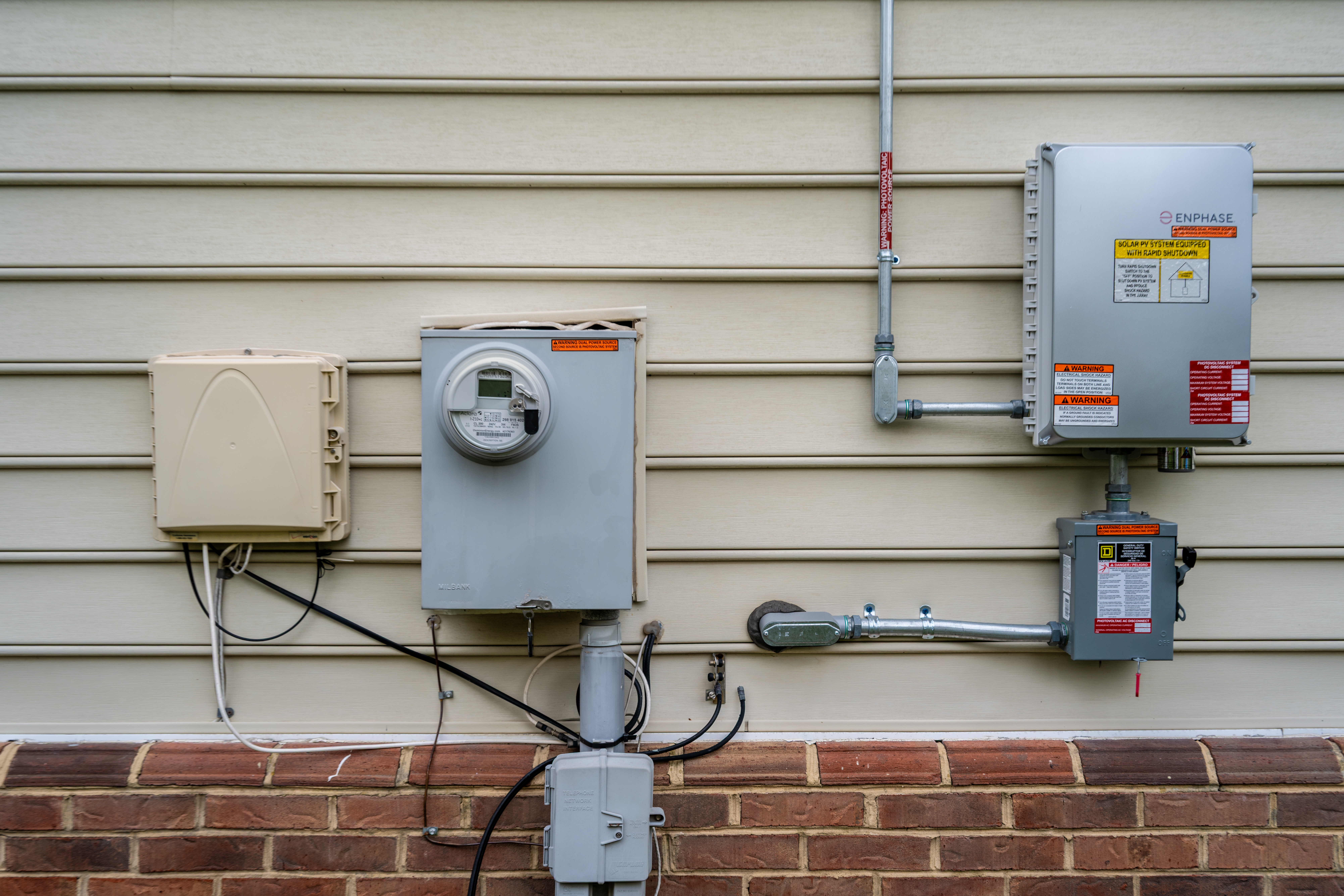
The installer was responsive but not pushy, and they took my technical questions seriously. The crew kept me informed and asked for my input on critical decisions—like where to route the power line through the house. They did a great job bringing 21st‑century technology to a very 20th‑century home.
Results on Bills and Comfort
Between the solar panels and my geothermal heat pump, my summer electric bill is now about half of what it used to be. The utility savings from solar and geothermal are similar, but the solar installation costs a lot less.
There’s a neat synergy: the panels intercept sunlight and convert it to electricity, which powers the heat pump. The heat pump then pulls the remaining heat out of the house and sends it underground. By coincidence, my annual solar generation is about the same as my HVAC usage, so in a sense ‘comfort is free’—I mainly pay for my other appliances.
Living with Solar and a Battery
I added a battery when the tax credit was sunsetting in 2025, and it’s been a major quality‑of‑life improvement. When the grid goes down, the power just blinks for a moment and the battery kicks in. I don’t have to worry about the fridge, cooking, or resetting everything—my home simply keeps running.
It’s quiet, unlike a generator, and it can also shift usage away from expensive times of day by charging when power is cheaper. It’s been a great complement to the solar panels.
Jim’s Advice for Other Residents
Of all the upgrades I’ve done or plan to do, solar has the best bang for the buck. It tackles the root of the problem—high energy costs—by letting you generate electricity on site, mostly with equipment that’s added to the outside of the house rather than requiring extensive demolition or construction.
My house isn’t perfectly suited for solar: trees and dormers mean my system only delivers about 60% of what the same number of panels could do on a clear, flat, south‑facing roof. I’m a little jealous of a neighbor whose summer bill dropped to $15. Even so, my system is on track to pay for itself in about 10 years on a service life of roughly 30 years.
Other Steps Toward Efficiency and Sustainability
Beyond solar, I’ve already added a battery and upgraded my HVAC to geothermal. I’m in the process of replacing old siding, roofing, and insulation, and when the time comes I plan to move to an EV, a heat pump water heater, and an induction cooktop.