

Written by Bob Soule, Fairfax County Resident
As we celebrate Energy Efficiency Week in Fairfax County, we’re putting a spotlight on a local resident whose long-term electrification journey offers useful lessons for anyone considering similar upgrades.
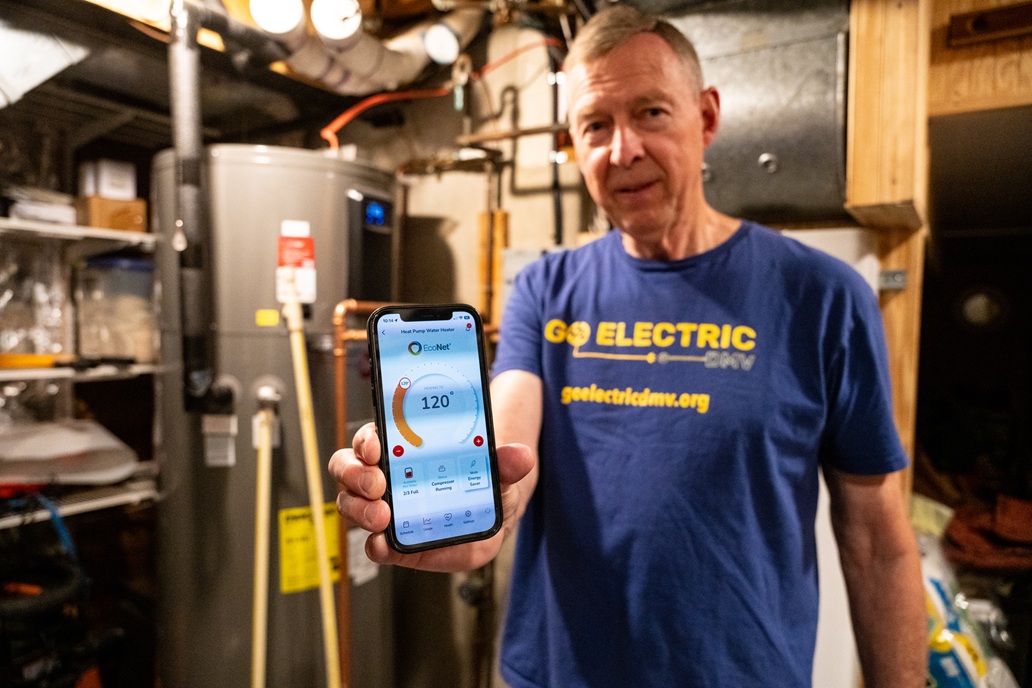
Bob Soule has transformed his Alexandria-area home through a series of major electrification upgrades — replacing aging gas appliances with high efficiency electric systems, improving comfort, and cutting emissions along the way. In this Q&A, Bob walks through his electrification journey and offers practical insights for anyone considering similar improvements.
What motivated you to start electrification upgrades, and how did you decide what to tackle first?
I’ve been concerned about climate change for years and wanted to be part of the solution. Even with electric vehicles, solar panels, and efficient gas systems, I learned through Rewiring America’s electric coach course just how much household choices impact energy use and emissions. I was especially surprised to learn water heating is the second-highest energy use in a home, and my 19-year-old gas water heater was overdue for replacement. That made it the natural first step. After that, upgrading the central AC and gas furnace to an electric heat pump was next.
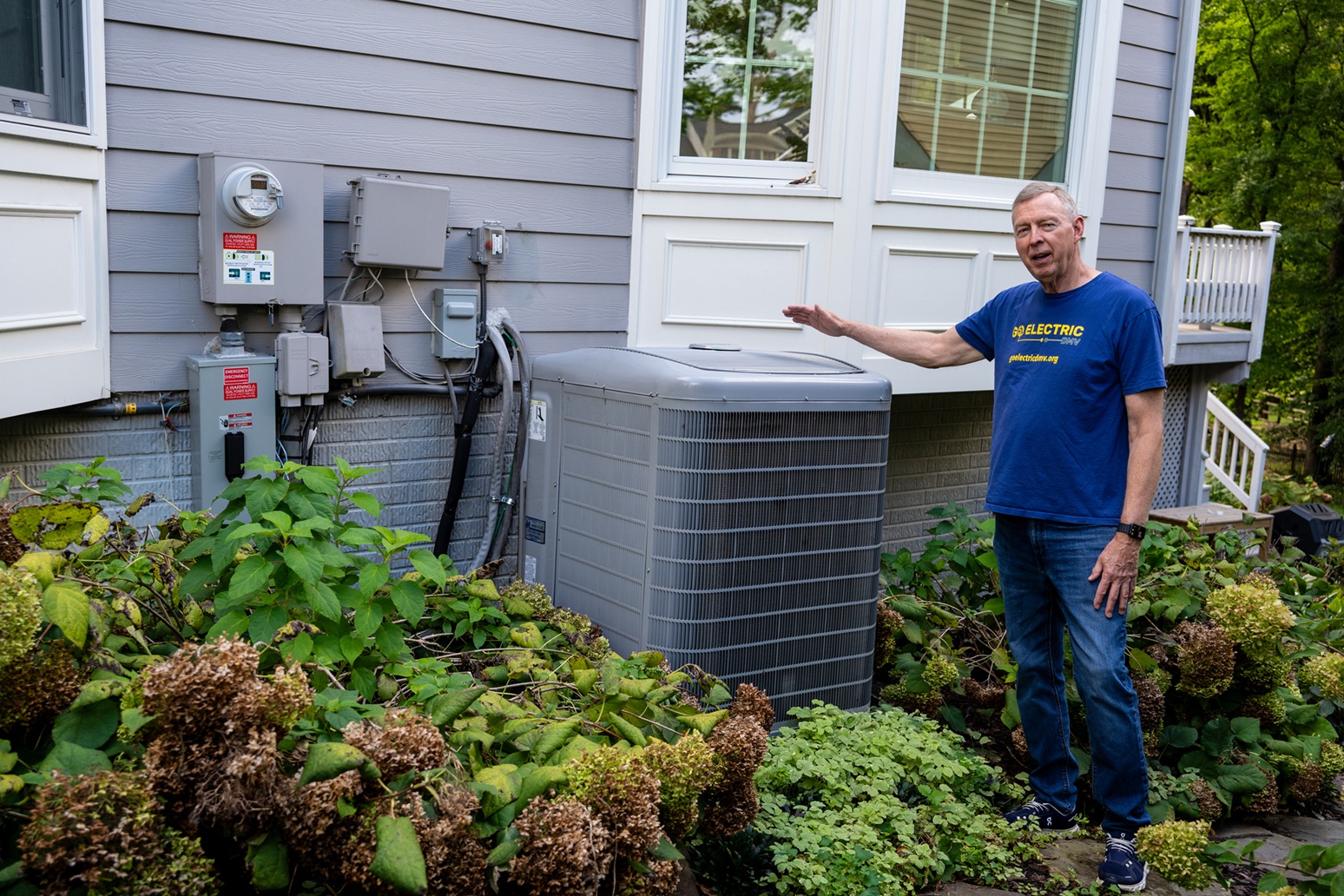
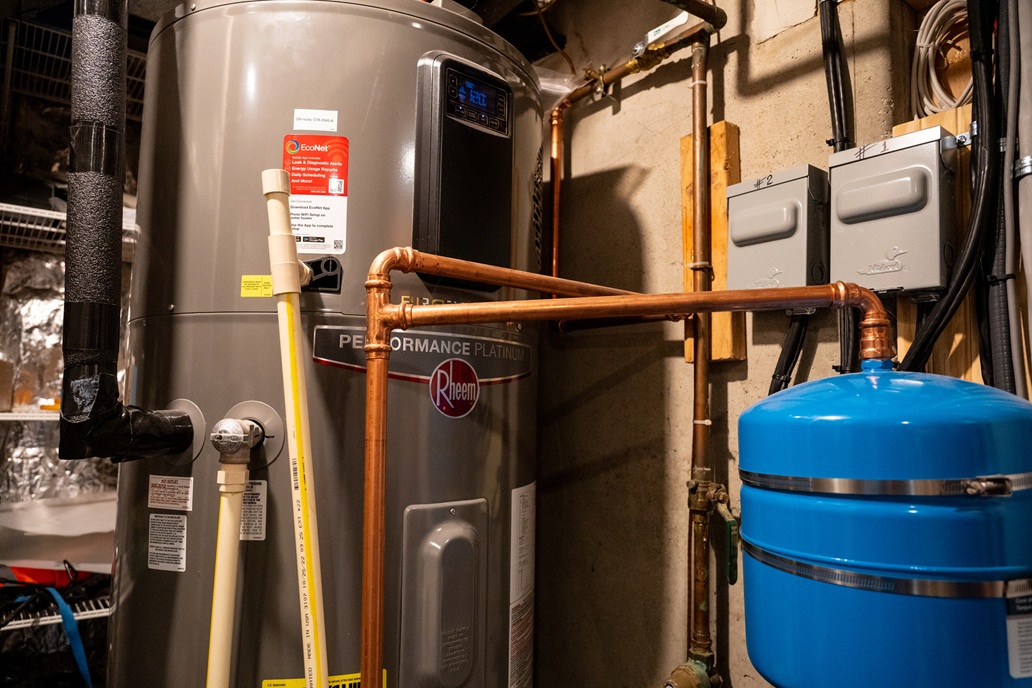
What was the installation process like for the heat pump and heat pump water heater? Any surprises?
For the water heater, I chose a Rheem hybrid model and sought multiple quotes. A plumber tried to discourage me, but I went ahead, and I haven’t regretted it. I chose a hybrid model that combines the heat pump with a conventional electric heating element for backup. The biggest surprise was the need for a 240 volt, 30 amp circuit for the supplemental heating element, though adding the wiring was simple. Installation took under two hours, and aside from a long first heat-up cycle, the system has performed exactly as advertised. The app that tracks energy use and allows mode changes has been a great bonus.
For the heat pump, I contacted several dealers. Pricing varied widely, and some gave outdated information, insisting I needed a gas furnace. Two dealers understood the capabilities of modern inverter-driven heat pumps, and one provided the best mix of price and expertise. I later learned I could have asked better questions about sizing and auxiliary heat, but even so, the system works well. We probably only overspent modestly.
What resources or programs were most helpful?
Early on, resources like Rewiring America and Electrify Now were invaluable, as were conversations with local contractors who install these high-efficiency, all-electric systems. That experience — and the confusion many homeowners face — led us to found Go Electric DMV, where volunteer coaches help neighbors become informed consumers. At the time, federal tax credits helped offset costs. Those credits have since ended, but good local rebates for heat pumps and heat pump water heaters remain for residents in Maryland and DC.
What did you learn that might help other residents?
The biggest lesson is to plan ahead, especially for electrical work. Heat pumps, heat pump water heaters, and induction ranges often need new circuits, and addressing this upfront avoids delays and extra costs. Another key takeaway: don’t wait for equipment to fail. Replacing aging systems before they break gave me time to research, compare installers, and choose the best options. Finally, every home is different. There’s almost always a workable solution, but finding it may require research and, in some cases, guidance from someone with experience.
How have these upgrades changed your comfort, energy use, and daily routines?
We have all the hot water we need, at lower cost, and without needing to burn fuel inside the home, resulting in a safer and healthier home. Our heat pump has increased comfort, especially after an energy audit and weatherization. It cools extremely well in summer for under $100/month (which is covered by our solar panels) and handled the unusually cold January 2026 weather smoothly with minimal auxiliary heat use. The more consistent, gentle heating also means we no longer need winter humidification.
What’s next? Any other projects planned?
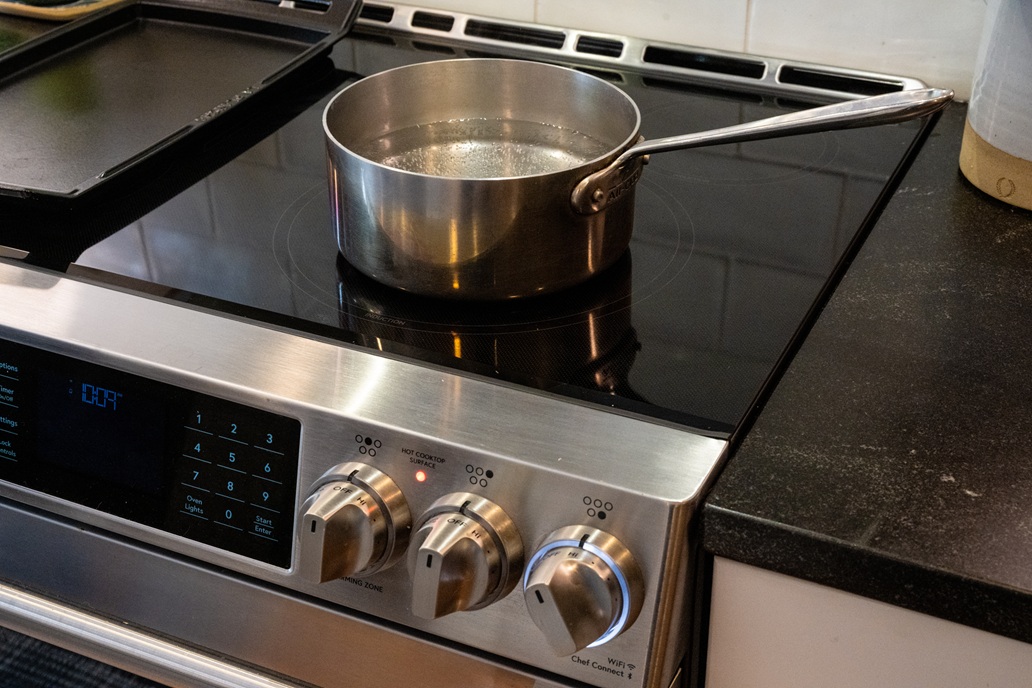
After replacing the water heater and furnace with electric heat pumps, our last gas appliance was the range. After testing a portable induction cooktop, we switched completely and closed the gas line for good. The induction stove has been the biggest performance upgrade. We found that it was just as responsive as gas, but faster, safer, and much easier to clean. The same was true years ago when we switched to an electric mower which cuts the grass just as well without the noise or nasty fumes. We had the same experience when we bought our first EV 12 years ago. These upgrades reinforced a realization: electric systems aren’t just better for the environment, they’re better to live with.
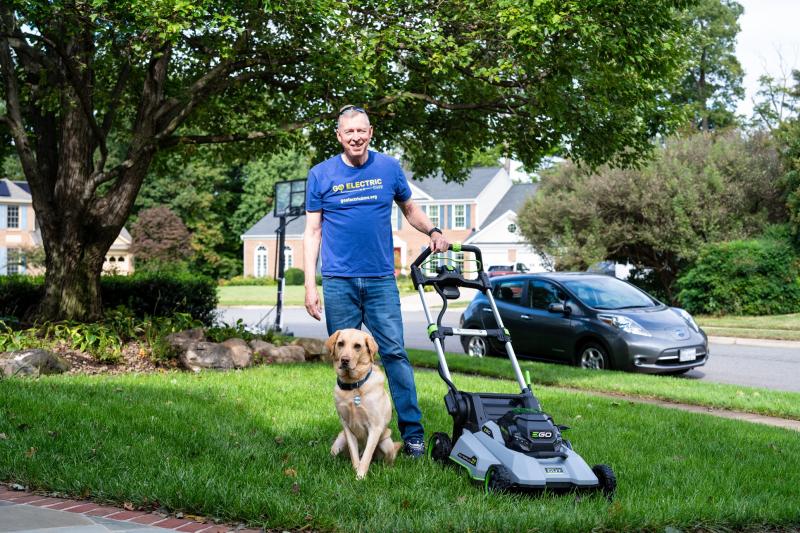

Bob Soule is a 36-year resident of Fairfax County who currently lives in the Alexandria area of the county with his wife Kathy and their dog Brewster. He formed Go Electric DMV in 2024 with other volunteer energy coaches to share his home electrification experiences, help neighbors navigate options, and encourage informed decisions.
Climate Matters is the blog of Fairfax County’s Office of Environmental and Energy Coordination, where we share stories, insights and information related to climate change and environmental sustainability. Posts are written by knowledgeable and passionate OEEC staff members and guest authors. To read all blog posts, visit Climate Matters.