

Written by Kelly Zitzer, Administrative Assistant, OEEC
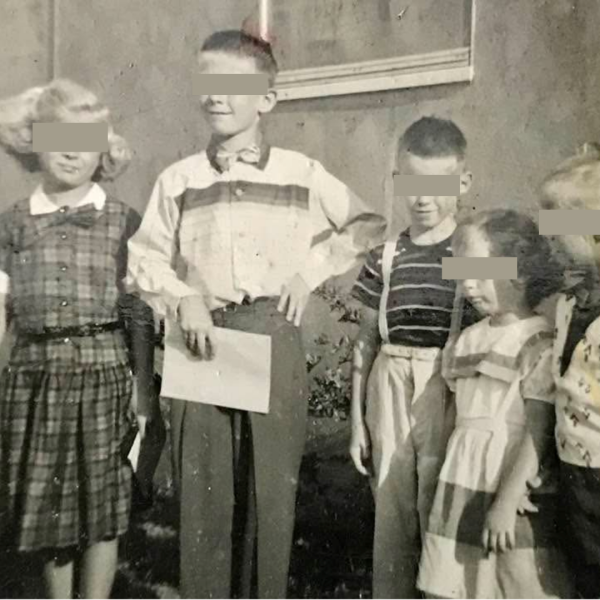
My understanding of environmental justice began long before I knew the term. It began with my uncle. Middle-aged, he struggled with obesity like many other Americans but was otherwise healthy. What was not typical was the rare, aggressive pancreatic cancer that would quickly take his life. Over the next decade, rare and aggressive cancer plagued my family, taking four of my mother’s siblings, her fifth sibling suffering from liver failure despite otherwise good health and very limited alcohol intake. Doctors could never find an explanation. My mother is the only surviving child of a family of seven.
Understanding Environmental Justice Through Lived Experience
Driven by hope and faith, our family did not have time to worry about the causes and connections of this shared nightmare. Overwhelmed by grief, we made plans, prayers,and funeral arrangements. But eventually, grief gave way to anger, and anger to determination. I began looking into cancer clusters in places where my family had lived.
It was my last search, my least suspected location, where I found the words that I had hoped never to find — “cancer”, “cluster”, “baby boomers”, “poisoned town water” in a suburb of Boston. The poison was in their water. The poison was in their hometown.
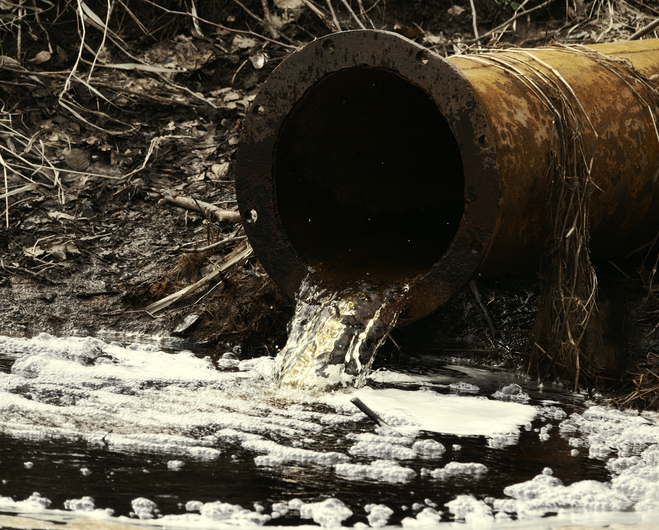 The story is not unique. Across the country, communities have been left to deal with the consequences of pollution from industries that put profit above people. In too many places, residents saw or smelled warning signs. In too many places, government agencies lacked the tools, resources, or will to intervene. Environmental justice is built on the acknowledgement that every community deserves protection, and that we must learn from the harms of the past to prevent them in the future.
My family’s story is one reason I work for Fairfax County’s Office of Environmental and Energy Coordination and why I decided to pursue a degree in environmental justice. Our work is grounded in the Board of Supervisors' Environmental Vision, its three climate plans, and the One Fairfax racial and social equity policy. My colleagues in the office may not have had a tragic story like mine to lead them to this work, but what unites us is a shared commitment to creating a healthy, resilient and sustainable future for all residents.
Why Equitable Climate Action is Essential for Healthier Communities
Climate change does not affect everyone equally. Across the nation and here at home, extreme heat, flooding and air pollution disproportionately harm vulnerable communities, including low‑income residents, older adults and people with chronic health conditions. Environmental justice means ensuring that all people — regardless of race, income, age or ZIP code — receive equal protection from environmental harm and equal access to environmental benefits.
At the local level, this requires thoughtful policies, transparent decision‑making, and direct engagement with communities. OEEC works to center equity in its programs, including partnerships with a variety of agencies and community organizations that help meet urgent needs.
Environmental justice is not only about preventing harm, but also about expanding opportunity. Initiatives such as renewable energy projects, urban tree planting, affordable housing near clean transit, and community‑led conservation efforts help build healthier and more resilient neighborhoods. When equity is placed at the heart of environmental action, the benefits extend across the entire community: improved public health, stronger local economies and a more sustainable future for everyone.
What happened to my family cannot be undone, but it has shaped the purpose that guides me every day. Environmental protection is not abstract policy; it is the quiet safeguard of countless families who may never know the dangers they’ve been spared. My work is a promise to them — and to the ones I lost — that their story matters.
Learn More
- International Day of Environmental Justice
- Fairfax County Climate Action Plans and Policies
- One Fairfax Racial and Social Equity Policy
- Agency for Toxic Substances and Disease Registry Environmental Justice Index

Kelly Zitzer has a bachelor’s degree in environmental justice policy and communication from George Mason University. She has been with the Office of Environmental and Energy Coordination since 2023.