Health Department Alert:
 The Joseph Willard Health Center will temporarily close on October 1, 2025, to allow for the construction of the Willard-Sherwood Health and Community Center Project, which is scheduled to open in September 2028.
The Joseph Willard Health Center will be demolished and replaced with a new health and community center.
During construction, services will be available at other Health Department locations.
Clinic Services
Residents seeking clinical services – including immunizations, maternity services, pregnancy testing, tuberculosis testing, sexually transmitted infections testing and treatment, HIV testing and newcomer health screenings – can schedule an appointment at any Health Department clinic location, including the Franconia-Springfield Public Health Center, opening in October 2025.
To make an appointment for clinic services, please call 703-246-7100, TTY 711.
Speech & Hearing
The Speech and Hearing Services program helps children and adults communicate more clearly with speech, hearing and reading services. Services at the Joseph Willard Health Center will temporarily end in October 2025.
Residents can schedule an appointment at the following locations:
To schedule an appointment, please call 703-246-7120, TTY 711 or complete the service request form.
Vital Records
The Fairfax County Health Department’s Vital Records offices provides certified copies of birth, death, marriage and divorce certificates for a fee.
The vital records office located at the Joseph Willard Health Center will temporarily close in October 2025. Services will continue at the following locations:
Vital record services are available Monday – Friday, 8:00 AM – 4:00 PM for walk-in service only (appointments are not available).
Save time by downloading Vital Records application form before your visit.
Woman, Infants, and Children (WIC) Program
The Fairfax County Health Department administers the WIC program in the Fairfax Health District. The program provides nutritional support to pregnant, postpartum and breastfeeding women; infants; and children under five years of age. The Joseph Willard Health Center's WIC services transitioned to other Health Department WIC locations in December 2024.
For a full list of sites offering WIC services, please visit the WIC web page. While the majority of services provided are in-person, limited remote appointments may be available. To schedule an appointment, please call the WIC appointment line at 703-246-5599, TTY 711.
Find updated dates, times, and locations of potential exposure sites below.
Virginia Department of Health is Working to Identify People Who Are at Risk
From the Virginia Department of Health (VDH)
The Virginia Department of Health (VDH) was notified of two additional confirmed cases of measles that traveled through Northern Virginia Wednesday, March 5 and Friday, March 14. Both people are Maryland residents who recently traveled together internationally. Health officials are coordinating an effort to identify people who might have been exposed, including contacting potentially exposed passengers on specific flights.
Listed below are the dates, times, and locations of the potential exposure sites in Virginia:
| Location | Date and Time |
|---|---|
|
Dulles International Airport (IAD) Concourse A, on transportation to the International Arrivals Building (IAB) and in the baggage claim area |
Between 8 a.m. and 12:30 p.m. on Wednesday, March 5 |
|
Dulles International Airport (IAD) Concourse A, on transportation to the main terminal and in the baggage claim area |
Between 4 p.m. and 9 p.m. on Wednesday, March 5. (Previously reported March 9 and unrelated to this new exposure.) |
|
Ronald Reagan National Airport (DCA) Terminal Shuttle Bus |
Between 12 p.m. and 2:30 p.m. on Friday, March 14 |
|
Washington Area Metro on Friday, March 14: Yellow Line Train from Ronald Reagan Washington National Airport station transferring at the L’Enfant Plaza station to the Silver Line Train heading towards the Downtown Largo station |
Between 12:15 p.m. and 3:15 p.m. on Friday, March 14 |
Any additional exposure sites identified in Virginia will be posted to the VDH Measles website. Additional exposure sites have been identified in Maryland and DC.
Virginia has not had any reported cases of measles in 2025.
What should you do if you were at the above locations on the day and time specified?
Measles is a highly contagious illness that can spread easily through the air when an infected person breathes, coughs, or sneezes. Measles symptoms usually appear in two stages. In the first stage, most people have a fever of greater than 101 degrees, runny nose, watery red eyes, and a cough. These symptoms usually start seven to fourteen days after being exposed. The second stage starts three to five days after symptoms start, when a rash begins to appear on the face and spread to the rest of the body. People with measles are contagious from four days before the rash appears through four days after the rash appeared.
Measles is preventable through a safe and effective MMR vaccine. Two doses of the vaccine are given to provide lifetime protection. Virginia has high measles vaccination rates, with approximately 95% of kindergarteners fully vaccinated against measles. However, infants who are too young to be vaccinated, and others who are not vaccinated, are very susceptible to infection if they are exposed to measles. Infants six months through 11 months of age who will be traveling internationally, or to an outbreak setting, should receive one dose of MMR vaccine prior to travel. Talk to your healthcare provider if you have questions about the MMR vaccine.
To check your immunization status, call your healthcare provider or request records from the VDH Immunization Record Request Form. For additional information, contact your local health department.
Virginia residents with additional questions about their potential exposure can call VDH at (804) 363-2704 or email epi_response@vdh.virginia.gov. For more information about measles visit www.vdh.virginia.gov/measles/
Related: Two cases of measles confirmed in Maryland residents with recent international travel

Measles is a highly contagious disease caused by a virus. In the past few months, over 280 people in the United States have become ill with measles and two people have died. This includes a large and growing outbreak in Texas and New Mexico. In this outbreak, more than 19 of every 20 people who got measles were unvaccinated or did not know their vaccine status. Measles outbreaks also are common in other parts of the world.
How contagious is measles?
Measles is so contagious that if one person becomes infected, 9 out of 10 people close to that person who are unvaccinated or not immune will also become infected. It is spread easily through the air when an infected person breathes, coughs or sneezes. This can include on airplanes, in classrooms, stores, or other areas where people share space.
Is measles serious?
Measles can cause serious health issues. The Centers for Disease Control and Prevention (CDC) reports that about 1 in 5 people who get measles end up in the hospital. Measles can cause severe complications like a lung infection (pneumonia), brain inflammation (encephalitis), and possibly death, even with medical care.
What are symptoms of measles?
Symptoms of measles typically include:
How can I prevent measles?
The best way to protect a child from measles is by getting the combination measles-mumps-rubella (MMR) vaccine. Two doses of the MMR vaccine are highly effective at preventing measles. The first dose of MMR is routinely given between 12-15 months, and the second dose is given at 4 to 6 years of age.
Can getting measles vaccine also protect my community?
The MMR vaccine not only protects you or your child, but it also helps protect others who cannot be vaccinated. If the measles virus comes into a community where measles vaccination uptake reaches 95% or greater, it is unable to spread. This is called “community immunity” and helps protect infants who are too young to be vaccinated or people with weakened immune systems due to illness or medications.
International travel plans?
If you plan to travel abroad or to an area with a measles outbreak, check with your healthcare provider before leaving for your trip to ensure all travelers who are able to be vaccinated have been vaccinated. Infants 6 to 11 months old should receive 1 dose of measles vaccine before traveling. Children 12 months and older should receive 2 doses before traveling.
Am I fully vaccinated?
If you and/or your family members are unsure of your vaccination status, talk to your healthcare provider. They can help determine if you or your loved ones need additional doses, including adults who may have been vaccinated between 1963 and 1967 with a vaccine that was not as effective as the current one. If you are from Virginia, you can also request your Virginia immunization records through the VDH Immunization Record Request form.

 National Nutrition Month is observed each year in March to help people learn how to make informed food choices and develop healthful eating and physical activity habits. This year’s theme from the Academy of Nutrition and Dietetics is “Food Connects Us.”
Food is a universal language that has long played an important role in social gatherings, cultural practices, and celebrations. In addition to providing sustenance and supporting overall health, food connects us to culture, community, family and friends, and our planet. This National Nutrition Month, celebrate by exploring the ways you connect with food.
What are some traditional dishes from your culture? How have these dishes changed over time?
Try making one of these dishes and see how it compares to other cuisines. Do they contain similar ingredients?
Rice, potatoes, and pasta are three of the most common food items used in meals throughout the globe. While these items might be used in different ways, they represent a connection of food across cultures.
Activity: Host a Global Potluck. Invite friends or family to bring dishes from different cultures. It’s a fun way to explore new flavors and share stories about the dishes.
Everyone needs access to food, which is why getting connected with community food resources is so important. Find where you can donate food, including fresh produce from the Fairfax Food Council. Several non-profits, faith communities, and other organizations hold regular food drives to ensure people can access food.
The Fairfax County Health Department Women, Infants, and Children (WIC) program provides services and assistance aimed at improving the health of pregnant, postpartum and breastfeeding women, infants, and children under five years of age.
The Supplemental Nutrition Assistance Program (SNAP) provides a monthly amount of money to help purchase food to ensure adults and families have nutritious meals. SNAP is accepted at most grocery stores. Five Fairfax County farmers markets accept SNAP and provide up to $40 in matching dollars for fruits and vegetables.
Family meals strengthen family bonds and encourage better nutrition. Cook a special family dish. While shopping for ingredients, take the opportunity to consider the nutritional value of the meal. Is there a lower sodium version of any ingredients? Does the meal incorporate all the food groups? Visit MyPlate to learn more food nutrition.
Food production, processing and packaging may impact the environment through emissions in several ways. You can consider lessening stress on natural resources by taking some of these steps:
Activity: Farm-to-table. Embrace locally sourced ingredients to create meals that not only connect you with your community but also support sustainability.
Food brings people together, shapes cultures and environments, and supports overall health and well-being. Nutrition isn’t just what’s on our plate – it's about the connections we build through food.
Hear from a Community Public Health Nutritionist on more ways connect with food in these National Nutrition Month 2025 videos.
Virginia Department of Health is Working to Identify People Who Are at Risk
From the Virginia Department of Health
The Virginia Department of Health (VDH) was notified of a confirmed case of measles at Washington Dulles International Airport on Wednesday, March 5, 2025. The confirmed case was an individual who was returning from international travel. Health officials are coordinating an effort to identify people who might have been exposed, including contacting personally exposed passengers on specific flights.
Listed below is the date, time, and location of the potential exposure site:
| Location | Date and Time |
|---|---|
|
Dulles International Airport (IAD) Terminal A, on transportation to the main terminal and in the baggage claim area |
Between 4 p.m.-9 p.m. on Wednesday, March 5, 2025 |
Measles is a highly contagious illness that can spread easily through the air when an infected person breathes, coughs, or sneezes. Measles symptoms usually appear in two stages. In the first stage, most people have a fever of greater than 101 degrees, runny nose, watery red eyes, and a cough. These symptoms usually start seven to 14 days after being exposed. The second stage starts three to five days after symptoms start, when a rash begins to appear on the face and spread to the rest of the body. People with measles are contagious from four days before the rash appears through four days after the rash appeared.
What should you do if you were at the above location on the day and time specified?
Measles is preventable through a safe and effective MMR vaccine. Two doses of the vaccine are given to provide lifetime protection. Virginia has high measles vaccination rates, with approximately 95% of kindergartners fully vaccinated against measles. However, infants younger than 12 months of age are too young to be vaccinated. These infants, and others who are not vaccinated, are very susceptible to infection if they are exposed to someone with measles. If you or your child have not yet been vaccinated, call your health provider. To check your immunization status, call your healthcare provider or request records from the VDH Immunization Record Request Form. For additional information, contact your local health department.
Virginia residents with additional questions about their potential exposure can call VDH at (804) 363-2704 or email epi_response@vdh.virginia.gov. For more information about measles visit www.vdh.virginia.gov/measles/

.png) Emergencies can happen anytime, and a basic emergency kit can make all the difference. Fortunately, you don’t need to spend much to prepare. By using what you already have, gathering free supplies, and planning ahead, you can build a kit over time to keep you and your loved ones healthy and safe.
Emergencies can happen anytime, and a basic emergency kit can make all the difference. Fortunately, you don’t need to spend much to prepare. By using what you already have, gathering free supplies, and planning ahead, you can build a kit over time to keep you and your loved ones healthy and safe.
1. Use What You Have
Before buying anything, check your home for supplies you can set aside for emergencies. Extra canned goods, a flashlight, batteries, a first-aid kit, and an old backpack all work well. Gather these items in one place so they’re ready when needed.
Examples:
2. Save Extra Items
Everyday items can be useful in an emergency. Set aside plastic grocery bags for waste disposal, food containers for water storage, and napkins, utensils, and condiment packets from takeout meals. These small items add up over time.
Examples:
3. Buy a Little at a Time
Instead of buying everything at once, pick up one or two extra supplies during routine shopping trips. This approach spreads out costs and prevents budget strain.
Examples:
4. Connect With Your Community
A strong support network makes emergencies easier to manage. Build relationships with neighbors and local groups to share resources and supplies.
Examples:
5. Take Advantage of Free Resources
Local governments, emergency agencies, and nonprofits offer free preparedness materials and sometimes emergency supplies at community events. Check the County’s website regularly for information on upcoming events.
Examples:

Original article printed in Fairfax County's Golden Gazette.
Hearing loss is a common condition that affects millions of older adults worldwide. As we age, changes in our hearing can significantly impact our quality of life, yet it often goes undetected and untreated. Understanding the signs of hearing impairment and the importance of regular hearing screenings can help individuals maintain their overall health and well-being.
Hearing loss often develops gradually, making it difficult for individuals to notice the early signs. If you’re wondering whether you might have hearing impairment, consider the following questions:
If you answered "yes" to one or more of these questions, you might be experiencing hearing loss. It’s important to seek a professional evaluation to determine the extent of the issue and explore potential solutions.
Regular hearing screenings are essential, especially for older adults. According to the National Institute on Deafness and Other Communication Disorders (NIDCD), nearly one in three people between the ages of 65 and 74 experiences hearing loss, and the prevalence increases to nearly half for those over 75. Despite this, many individuals delay seeking help for years, often due to stigma or the misconception that hearing loss is a minor inconvenience.
Here are some reasons why hearing screening is vital:
A hearing screening is a quick and painless process conducted by an audiologist or hearing care professional. It typically involves:
If hearing loss is detected, your provider will discuss treatment options, which may include hearing aids, cochlear implants, or lifestyle changes to protect your remaining hearing.
If you suspect hearing loss or haven’t had your hearing checked in several years, schedule a screening with a qualified professional. Addressing hearing loss not only improves your ability to communicate but also supports your overall health and well-being.
The Fairfax County Health Department conducts hearing tests at its clinics in Alexandria, Fairfax and Reston. Evaluations are completed by licensed audiologists who are certified through the American Speech-Language-Hearing Association and involve using a soundproof booth and testing technology that is non-invasive. This information can then be used to develop a care plan, which might include a hearing aid or other treatment. Hearing services at the clinics are offered on a sliding fee scale based on household income.
For more information on variety of types of services offered, specific pricing information, or to request
an appointment, contact the Health Department at 703-246-7120 (TTY 711) or request services online at bit.ly/ffx-intake-form.
Remember, hearing is a vital part of staying connected to the world around you. Don’t wait to take the first step toward better hearing and a better quality of life.
The Fairfax County Health Department provides Speech and Hearing Services; get more information: Speech and Hearing Services for Children and Adults

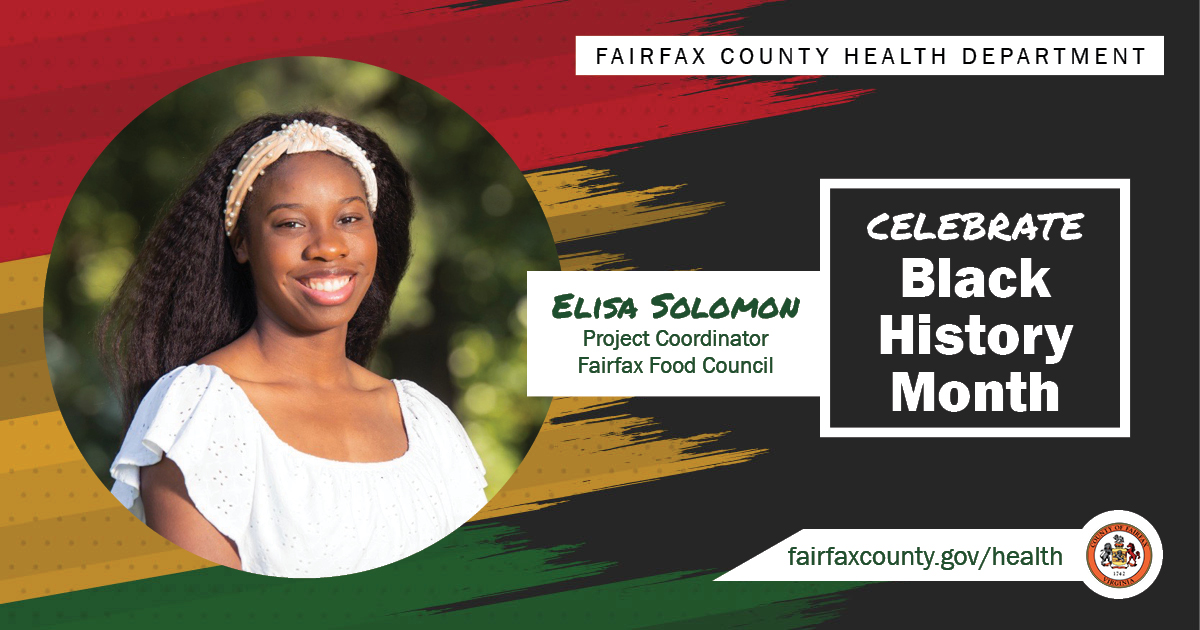
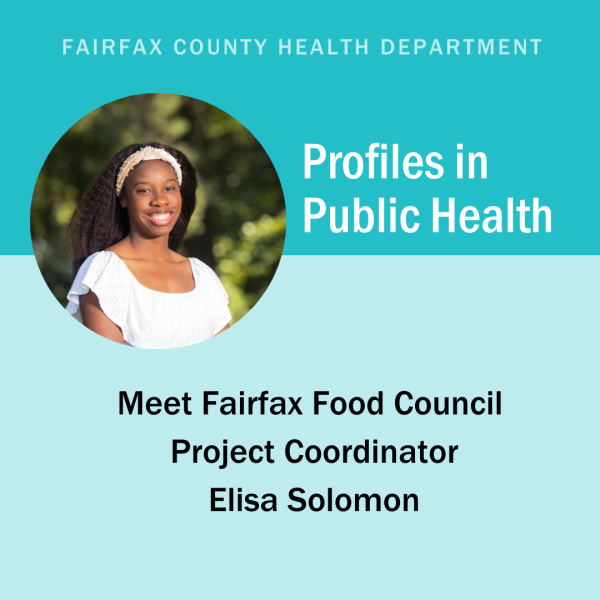
What is your role at the Fairfax County Health Department?
I am the Project Coordinator at the Fairfax Food Council. I maintain and forge new partnerships and facilitate collaboration among multi-sector stakeholders and volunteers throughout Fairfax County.
The Fairfax Food Council (FFC) was established by the Partnership for a Healthier Fairfax in 2015 with a vision of an equitable and sustainable food system where food is valued as a basic human right. Its mission is to advocate for an equitable local food system that produces and provides access to nutritious, sustainable, and affordable food for everyone.
What inspired you to work in public health?
I have a passion for systems thinking and a comprehensive understanding of the interrelatedness of public health, nutrition, the environment, equity, economics, and society. As a Certified Exercise Physiologist with a master's degree in Public Health in Food Security and Nutrition, the Fairfax Food Council is a perfect fit for me. The Fairfax Food Council serves as a food system hub, enabling community members, non-profits, faith partners, county agencies, and businesses to convene, share knowledge and resources, and advocate for an equitable local food system that produces and provides access to nutritious, sustainable, and affordable food for everyone. So much of what I enjoy is combined here in one place.
What motivates you?
My motivation stems from knowing that the food system can and should be improved. There is a lot of great work being done in the food space and that should be celebrated. But there is also so much more that can be done to benefit Fairfax communities, especially underserved communities.
What is something you’d like people to know about the Food Council?
Community participation is an essential part of the Fairfax Food Council. If you’d like to learn more about how the Fairfax Food Council is improving the food system and how you can get involved, visit https://www.fairfaxcounty.gov/food-council/.
What is bird flu?
Bird flu is a disease caused by avian influenza A viruses that typically spread between birds, not people.
What is happening with bird flu in the U.S. right now?
Avian influenza virus A (H5) virus is spreading among wild birds and causing outbreaks in U.S. poultry and dairy cows. There have also been instances of infection in mammals and in rare cases, humans. Human cases have mostly occurred in poultry and dairy farm workers after working with infected animals. There has been no evidence of human-to-human spread in the current outbreak.
Should I be worried about bird flu?
The Centers for Disease Control and Prevention (CDC) report the risk of H5 bird flu for the public remains low. There are enhanced precautions recommended for those who might be at greater risk if they have job-related or recreational exposure to birds or infected animals. To keep you and your family safe, do not handle sick or dead wildlife and do not consume raw or unpasteurized animal products.
What should I do if I find sick or dead wild birds on my property?
The Virginia Department of Wildlife Resources (DWR) has guidelines for when to report sick or dead wild birds. Any unusual poultry illnesses or deaths in Virginia backyard flocks should be reported to the State Veterinarian’s Office at 804-692-0601.
What should I do if I am experiencing flu-like symptoms?
If you are experiencing flu-like symptoms (e.g., fever, cough, sore throat, etc.), contact your primary care physician. Stay home and away with others until you feel better and practice other respiratory prevention strategies like using good hand washing and covering your coughs and sneezes. If you have had recent contact with sick or dead birds or are a poultry or dairy farm worker, contact your healthcare provider and tell them about your exposure.
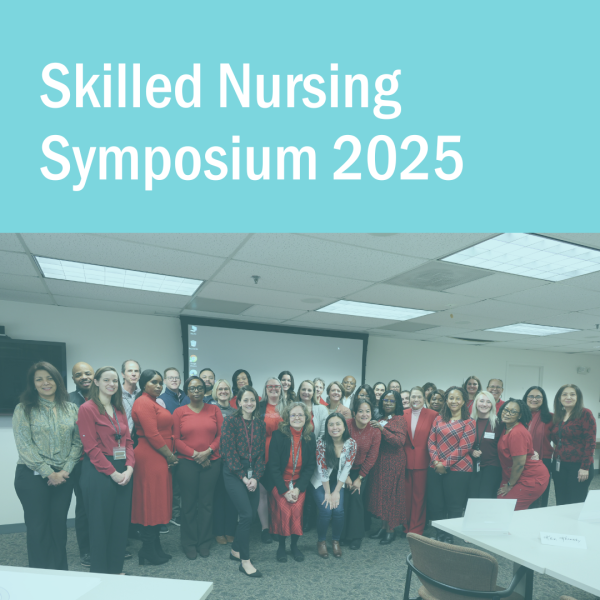
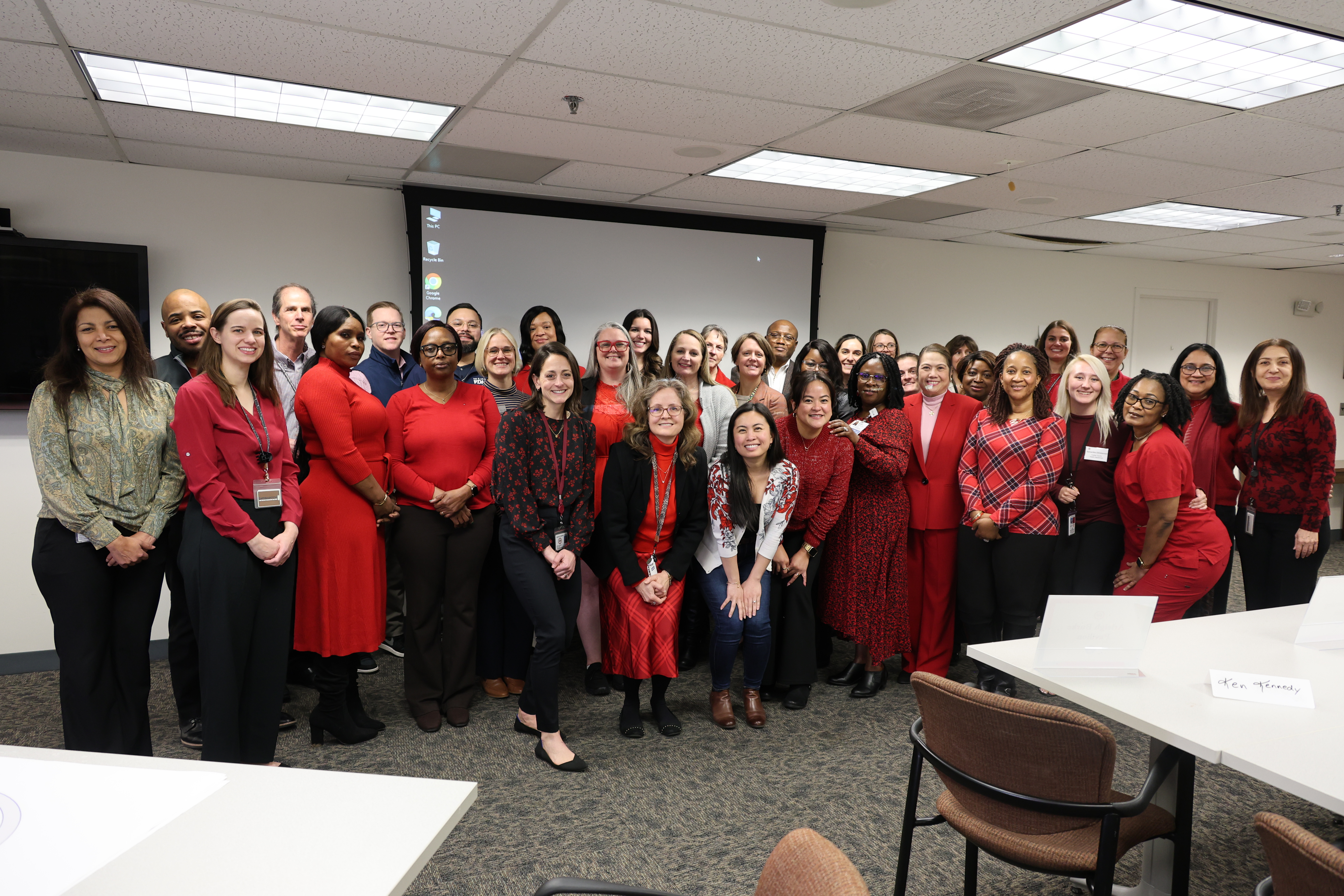 On Feb. 7, 2025, the Fairfax County Health Department welcomed partners from local skilled nursing facilities (SNFs) to its annual Skilled Nursing Facility Symposium. This full-day event provided an opportunity for healthcare professionals to enhance their infection prevention and control (IPC) skills, exchange best practices, and strengthen regional collaboration.
“The symposium, and the health department’s collaboration with SNFs throughout the year, reflect the value we and our partners place on protecting some of the county’s most vulnerable residents from seasonal threats like flu and ongoing challenges such as multidrug-resistant organisms (MDROs),” said Dr. Benjamin Schwartz, Fairfax County Health Department’s director of epidemiology. “It’s been great to see relationships continue to deepen and participation in the symposium grow each year.”
Since its inception in 2018, the symposium has served as a key resource for SNF staff, offering expert-led sessions on emerging public health concerns, regulatory compliance, and quality improvement initiatives. This year’s event focused on pressing issues such as respiratory illness updates, antimicrobial stewardship, and improving hospital-SNF communication.
Attendees engaged in discussions on COVID-19 vaccination compliance, laboratory specimen collection, and strategies for managing multidrug-resistant organisms (MDROs). Other highlights included sessions on Candida auris prevention, enhanced barrier precautions, and the importance of education in infection control.
The Fairfax County Health Department extends its gratitude to all speakers and participants for making the 2025 Skilled Nursing Facility Symposium a success. We look forward to continuing this tradition of learning, collaboration, and innovation in the years to come.
Learn more about local public health and the Fairfax County Health Department.