

Article by Maria Loh, Fairfax Area Agency on Aging
(Posted 2026 August)

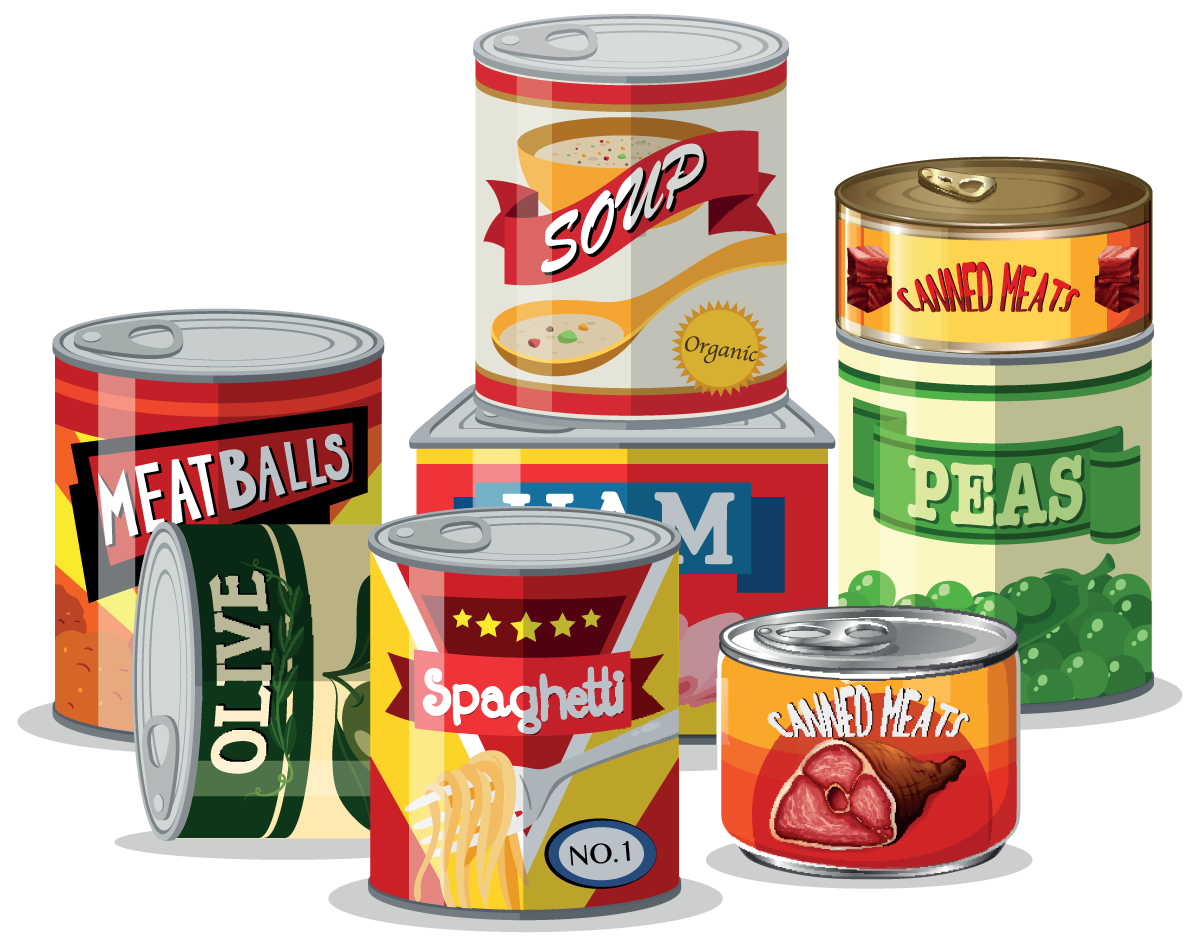
While safe food storage is important for people of all ages, it is especially important for older adults. This is because older adults are at higher risk for foodborne illness. As we age, our immune system becomes less effective at fighting infections, and we may be more vulnerable due to chronic conditions such as diabetes or heart disease. Additionally, our bodies produce less stomach acid, so we are less able to kill harmful germs that enter through food.
The Centers for Disease Control and Prevention (CDC) estimates that about 48 million people in the U.S. get sick from foodborne illness each year. Safe food storage can help lower this risk.
Refrigerator and Freezer Temperatures
Keep refrigerators and freezers at safe temperatures:
- Refrigerator: Set between 35°F and 38°F so it stays at or below 40°F at all times.
- Freezer: Set at 0°F or below.
Additional tips:
- Use refrigerator and freezer thermometers to check temperatures at least once a week.
- Clean regularly. Throw away items that are out-of-date, spoiled, or moldy. Wipe up spills right away.
Refrigerate or Freeze Perishable Items Right Away
- All perishable foods from the grocery store should be placed in the refrigerator or freezer immediately when you get home.
- Refrigerated foods should be kept at or below 40°F.
- Eat refrigerated ready-to-eat foods (lunchmeats, salads, sandwiches) as soon as possible.
- Thaw/marinate foods in the refrigerator, not on the counter at room temperature.
Where to Store Foods in the Refrigerator
Organize your refrigerator to prevent cross-contamination and keep raw meats and poultry from dripping on other foods:
- Top shelf: Ready-to-eat foods (leftovers, cooked foods, sandwiches, dairy).
- Second shelf: Washed fruits and vegetables.
- Third shelf: Raw eggs, fish, beef, and pork.
- Fourth shelf: Raw ground meats.
- Bottom shelf: Raw poultry.
First In, First Out (FIFO) Storage
The FIFO method helps you use older items first:
- Place new foods behind older foods in the refrigerator and pantry.
- Example: Put new milk, fruit, and meals behind the older ones.
- Do the same with cereals and canned goods in the pantry.
- Always check dates.
- If an item is expired, throw it away.
- FIFO is for non-expired foods and helps reduce waste by using the oldest safe foods first.
Safe Food Storage During a Power Outage
During a power outage:
- Keep refrigerator and freezer doors closed as much as possible.
- An unopened refrigerator will keep food cold for about four hours.
- An unopened, full freezer will keep food cold for up to 48 hours.
After the power comes back on:
- If you have a freezer thermometer:
- If the freezer is at or below 40°F, the food is safe and may be refrozen.
- If you do not have a thermometer:
- Check each food item. If it still has ice crystals, it may be cooked or refrozen.
- When in doubt, throw it out.
- If perishable foods (poultry, eggs, meat, leftovers, fish, or dairy) have been above 40°F for more than four hours, they should be discarded.
Pantry Storage
Check canned foods. Discard any that are:
- Leaking
- Badly dented
- Swollen or bulging
Keep food away from chemicals.
- Do not store pantry foods next to cleaning supplies or other chemicals.
- Do not use old food containers or bottles to store chemicals.
Sources: Are You Storing Food Safely? FDA, CDC
This article is part of the Golden Gazette monthly newsletter which covers a variety of topics and community news concerning older adults and caregivers in Fairfax County. Are you new to the Golden Gazette? Don’t miss out on future newsletters! Subscribe to get the electronic or free printed version mailed to you. Have a suggestion for a topic? Share it in an email or call 703-324-GOLD (4653).