

Article by Caroline Coscia, Fairfax-Falls Church Community Services Board
(Posted 2026 September)

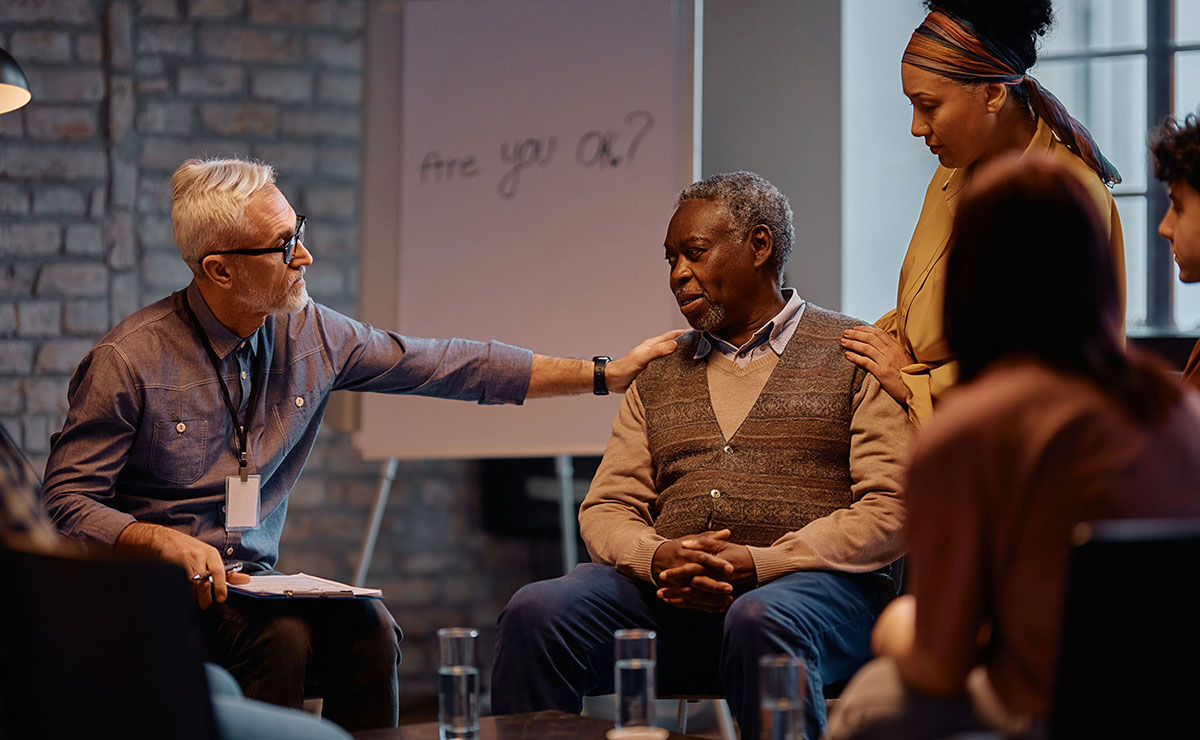
National Recovery Month, celebrated every September, shines a light on the progress made in the world of substance recovery and mental health. It’s a moment to celebrate people in recovery and the recovery community, and to show appreciation to the providers and supporters who show up every day to make recovery possible.
Recovery is a process of change through which people with substance use disorders improve their health and wellness, live self-directed lives and strive to reach their full potential. As people age, life can present new challenges that affect mental health and sometimes lead to drug or alcohol use. Support is available and recovery is possible at any age. What matters most is finding the approaches that help you or your loved one feel grounded, hopeful, and moving forward.
Practical Ways to Move Forward in Recovery
- Make a Plan and Build a Support Team
Recovery is more successful when a person leans on the people who lift them up – family, friends, peers, support groups. If you or your loved one feels professional help is needed, counseling or medication assisted treatment can make a big difference. - Physical Health
Changes to a person’s physical health can also impact their mental health and lead to substance misuse. Visit doctors regularly to address health issues, and talk about mental health, drug, or alcohol issues as well as physical health. - Counseling and Peer Support
Counseling can be individual or group-based, and it can educate people about addiction’s effects, provide support in managing grief, and set recovery goals. Peer Support Specialists are trained professionals who use their own lived experience to support people working on their substance use or mental health recovery. - Structure and Routines
Identify the people, places, and things that could trigger cravings, and build new routines to stay focused in recovery. Long-term, set clear goals, manage time wisely, strengthen relationships, and learn to detect relapse triggers.
As we honor National Recovery Month, it’s a reminder that recovery is possible, personal, and something worth celebrating. Families and friends play a key role in a person’s recovery, and loved ones can take many helpful actions to support them. No matter what a person’s age, where they are on the journey, or how many times they’ve had to restart, there is always room for progress towards recovery.
Substance Recovery and Mental Health Resources
- If you or someone you know is experiencing a substance use crisis, call the Fairfax Detoxification Center 24/7 at 703-502-7000, TTY 703-322-9080.
- To access Peer Support, call the CSB Peer Outreach Response Team at 703-559-3199, Monday through Friday, 9 a.m. to 5 p.m. You can also walk in during these times at the Sharon Bulova Center for Community Health and ask to speak with a peer.
- The Chris Atwood Foundation is a peer-run community organization supporting recovery. Call or text 703-653-4221.
- The Addiction Medicine Clinic (AMC) provides medication for addiction treatment to ease withdrawal symptoms and reduce cravings. For more information or to talk with AMC staff, call 703-559-3188.
- For CSB Non-Emergency Behavioral Health Services, call CSB Entry & Referral at 703-383-8500 TTY 771, Monday-Thursday, 8:30 a.m. to 5 p.m., and Friday, 10 a.m. to 5 p.m.
This article is part of the Golden Gazette monthly newsletter which covers a variety of topics and community news concerning older adults and caregivers in Fairfax County. Are you new to the Golden Gazette? Don’t miss out on future newsletters! Subscribe to get the electronic or free printed version mailed to you. Have a suggestion for a topic? Share it in an email or call 703-324-GOLD (4653).