

Division of Emergency Preparedness and Response

CONTACT INFORMATION: Our administration office at 10777 Main Street in Fairfax is open during regular business hours 8 a.m. - 4:30 p.m., Monday - Friday. Clinic services are not offered at this location.
703-246-8700 TTY 711
10777 Main Street, Suite 115
Fairfax, VA 22030
Jesse Habourn
Public Health Emergency Management Coordinator

Climate Health

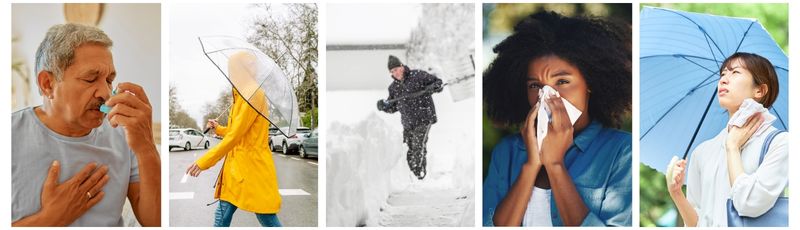
Five images of people experiencing different climate hazards including sneezing, taking an inhaler, using an umbrella, shoveling snow, and using a wet towel to cool down.


The Health Department’s Climate Health program works to reduce health impacts from climate-related hazards. This ongoing initiative monitors hazards, evaluates health trends, and promotes emergency preparedness to build community resilience, address disparities, and protect public health. 

This effort is aligned with the implementation of the county’s climate plans, which are led by the Fairfax County Office of Environmental and Energy Coordination (OEEC) and involve over 25 county agencies.  

Climate Hazards and Risks

Extreme heat is the number one cause of weather-related deaths in the United States. This risk is increasing over time as temperatures rise. Fairfax County activates its heat response plan when the National Weather Service (NWS) issues a heat advisory, watch, or warning, which occurs usually about 24 hours in advance. These alerts are based on the heat index, which combines temperature and humidity to reflect how hot it actually feels outside.  

  1. Heat Advisory: Dangerous heat is expected. Take precautions to stay cool and hydrated.  
  2. Extreme Heat Watch: Hazardous heat is possible. Reschedule outdoor activities, and make sure children, older adults, pets, and service animals have access to cool shelter.  
  3. Extreme Heat Warning: Dangerous heat is happening or about to happen. Avoid strenuous activity, stay indoors, drink plenty of fluids, and check on loved ones, pets, and service animals.   

Health Impacts

  • Heat-related illnesses can come on quickly, so it’s important to know the signs:
    • Heat Stroke: Confusion, slurred speech, body temp above 103°F, red or dry skin, rapid pulse, fainting.
    • Heat Exhaustion: Heavy sweating, weakness, dizziness, nausea, cool or clammy skin, headache, muscle cramps.
    • Dehydration: Dry mouth, fatigue, dizziness, dark-colored urine, muscle cramps.
    • Heat Rash: Clusters of red blisters in sweaty areas.
    • Heat Cramps: Painful muscle cramps in the legs or abdomen, heavy sweating.
    • Sunburns: Red, painful skin that feels hot to the touch.
  • Medication Problems: Some medications, such as antidepressants, certain heart medicines, and antihistamines can make it harder for your body to cool down. Other medications, such as insulin, can be damaged by heat and lose their effectiveness.
  • Worsening of Other Existing Conditions: Heat puts added strain on the body and can worsen existing conditions such as heart disease, kidney disease, respiratory illness, and high blood pressure.
  • Mental Health Impacts: Heat can increase stress, anxiety, irritability, aggression, and other negative feelings and behaviors.
  • Indirect Impacts: Extreme heat can worsen air quality, lengthen pollen seasons, and increase mold growth, which can harm respiratory health. In addition, warmer waters can lead to harmful algae growth that can cause illness or infection in people who drink, touch, or swim in affected water. Extreme heat also leads to people spending more time indoors in enclosed spaces, which can increase the spread of communicable diseases.

Ways to Protect Your Health

  • Stay inside during the hottest part of the day (usually 10 a.m. to 4 p.m.). If you must be outside, take regular breaks (at least every hour) to cool down in shade or air conditioning. Wear loose, light-colored clothing, a wide-brimmed hat, and sunscreen with SPF 30 or higher when outside.  
  • Don’t rely only on fans to keep you cool – they move air but do not cool the air or lower body temperature. Use air conditioning if you can, or take a cool bath and place a cold, wet towel on your neck or head to cool down. Know the locations of the county's Cooling Centers.   
  • Drink plenty of water and add electrolytes if recommended by your healthcare provider. Don’t wait until you’re thirsty. If available, opt for cold or cool beverages rather than room temperature or warm ones. Avoid alcohol, caffeine, and sugary drinks that contribute to dehydration.
  • When outside, take water, electrolytes, and a small cloth that can be used as a cooling towel when wet, in case you need to cool down quickly.
  • Talk to a healthcare provider about how heat may affect your medications and health conditions.  

Additional Resources

Winter weather and cold temperatures increase risk of injury and illness. They can knock out heat, power, and communication services. Cold weather can also worsen existing medical conditions like heart disease and respiratory illness.  

Health Impacts

  • Hypothermia: Hypothermia occurs when the body’s temperature drops below 95°F, which can damage the heart, brain, and other organs. Signs include shivering, numbness or weakness, confusion, memory loss, slurred speech, or drowsiness. Hypothermia is a medical emergency.
  • Frostbite: Frostbite is the freezing of body parts such as fingers, toes, nose, or earlobes. Signs include waxy or unusually firm skin, numbness, or discolored skin (white, gray, or red).
  • Other Injuries: Shoveling snow, exercising, or performing other strenuous activity in the cold can increase the risk of heart attack, stroke, or cardiac arrest, even for people with no known heart conditions. Injuries can also occur from vehicle accidents, slips, and falls due to wet or icy roads and walkways. Additionally, improper use of generators and camping stoves can cause carbon monoxide poisoning.
  • Worsening of Chronic Medical Conditions: Extreme cold can raise blood pressure and strain the heart, increasing risk for people with heart conditions. It can also irritate the airways and make breathing more difficult, especially for people with asthma, emphysema, or chronic obstructive pulmonary disease (COPD).  
  • Difficulty Accessing Healthcare: Power outages and unsafe travel conditions can disrupt healthcare services and delay medical care.

Ways to Protect Your Health

  • Dress in layers, including thermal undergarments, sweaters, and waterproof outerwear. Cover your head, hands, and feet with hats, gloves, and thick socks.
  • Seek medical attention immediately for signs of hypothermia or frostbite.  
  • When shoveling snow, avoid overexertion by taking frequent breaks, lifting with your legs (not your back), and hydrating.  
  • If you or a family member has medical equipment requiring electricity, have a backup power source and contact your utility company in advance to register for priority service in power outages.
  • Stay indoors during winter storms and keep an emergency kit with flashlights and batteries, non-perishable foods, extra medications, a first aid kit, and other essentials for your household. 

Additional Resources

Air quality can be affected by pollen, wildfires, dust, vehicle emissions, and other pollutants. Poor air quality can contribute to more severe or frequent allergy symptoms, asthma attacks, and worsening of chronic lung disease and other existing conditions.  

Health Impacts

  • Respiratory Illness: Poor air quality can worsen asthma, lung disease, and other respiratory conditions.
  • Allergies: Pollen and other substances in the air can cause or worsen allergy symptoms, such as red or itchy eyes, congestion, and headaches.
  • Worsening of Other Existing Conditions: Poor air quality can worsen symptoms of heart disease, kidney disease, high blood pressure, and more.

Ways to Protect Your Health

  • Check your local air quality at www.AirNow.gov and keep an eye on local pollen forecasts using a weather app or trusted news source.
  • When outdoor air quality is poor, stay inside as much as possible and keep windows and doors closed.
  • Wash your hands, take a shower, and change your clothes to remove pollen and other substances from your hair, skin, and clothing after being outside.
  • Use an air conditioner, air purifiers, and/or box fans at home, and change filters regularly.
  • Make sure prescribed breathing aids, such as inhalers and oxygen, are accessible and working correctly. 

Additional Resources

Severe storms can cause strong winds, heavy rain, lightning, and flooding, which can disrupt access to healthcare and emergency services, cause utility outages and property damage, and create unsafe conditions. Storms are increasing over time and can come on quickly.  

Health Impacts

  • Injuries and Drowning: High winds, heavy rain, and flooding can increase the risk of accidents or injuries. It only takes 12 inches of water to sweep away most cars, and only six inches of water to knock over an adult, which can lead to drowning. Injuries can also occur from vehicle accidents, debris, and downed trees or power lines.  
  • Illness and Infection: Severe storms and flooding can contaminate water and leave behind bacteria, mold, chemicals, and debris. Eating, drinking, breathing in, or touching contaminated items can make you sick. Storms can also disrupt sanitation and wastewater systems, which can increase water-borne illness.  
  • Disruptions to Medical Devices and Medication: Power outages can result in damage to refrigerated medicine like insulin and can interfere with powered medical equipment like oxygen concentrators and ventilators.
  • Difficulty Accessing Healthcare: Severe storms can disrupt healthcare services by closing clinics, damaging facilities, disrupting transportation, and delaying emergency response.

Ways to Protect Your Health

  • Turn around, don’t drown! Avoid driving or walking in floodwater. Most drownings occur in cars. Water pressure can make it nearly impossible to open car doors, so keep a small window breaker in your vehicle in case you get caught in a flood.
  • If your home floods, disinfect walls, hard floors, and other surfaces with water and soap or bleach. Wear a mask while cleaning. Throw away items that cannot be disinfected, like cloth furniture and rugs.
  • Use gas-powered generators, propane tanks, and camping stoves outside only to prevent carbon monoxide poisoning.
  • Identify alternative power sources for electric medical equipment.
  • Throw away all perishable foods (including meat, poultry, fish, eggs, and leftovers) in your refrigerator when the power has been off for four hours or more. Food from the freezer can be safely refrozen or cooked if it still contains ice crystals and feels as cold as if refrigerated.  

Additional Resources

Drought can occur when there is below-normal rainfall over a long period, often combined with high heat and heavy water use. This can strain water supply and affect water quality. Drought also dries out soil and vegetation, which can increase the risk of wildfires and worsen air quality.  

Health Impacts

  • Illness & Infection: As water levels drop and temperatures rise, the concentration of germs and pollutants in water can increase. People can get sick or develop infections if they swallow, breathe in, or come into direct contact with contaminated water.
  • Respiratory Illness: Dry conditions can worsen asthma, lung disease, COPD, and other respiratory conditions. Drought can also make wildfires more common. Wildfire smoke and associated air pollution can travel long distances and increase respiratory illness in communities far from the fire itself.
  • Mental Health Impacts: Long-lasting drought can cause depression, anxiety, and stress in farming communities due to financial strain and loss of livelihood.

Ways to Protect Your Health

  • Monitor for local drought watches and warnings on the Virginia Department of Environmental Quality’s (VDEQ) website.
  • During drought advisories, cut back on unnecessary household water use such as lawn watering and car washing.  
  • Follow local drinking water advisories and seek medical care if you experience signs of illness after drinking, using, or swimming in water that may be contaminated.
  • Do not enter water that looks discolored, has scum, or smells bad.
  • Inside your home or business, repair leaking and dripping fixtures to reduce water waste.  

Additional Resources

Mosquitoes and ticks can spread diseases that make people sick. These pests are called vectors, and the illnesses they transmit are known as vector-borne diseases. Warmer, wetter climate conditions could make vectors and their diseases more common, with some being found in places where they haven’t been seen before.  

Health Impacts

  • Vector-Borne Illness: Vector-borne diseases seen in Fairfax County include Lyme disease, West Nile virus, and alpha-gal syndrome. Other vector-borne diseases include dengue, malaria, and chikungunya. Symptoms can range from mild to severe and can include fever, rash, headache, fatigue, and muscle or joint pain.  

Ways to Protect Your Health

  • Preventing bug bites is the best defense against diseases carried by mosquitoes and ticks. Use EPA-registered repellent with CDC-recommended active ingredients like DEET or picaridin. Apply repellent after sunscreen.
  • Wear long, loose, light-colored clothing outside to reduce your risk of being bitten.
  • Check your body for ticks after spending time in wooded or brushy areas. Also inspect clothing, equipment, and pets for ticks.
  • If you find a tick on your body, remove it promptly and safely with tweezers.
  • Get rid of standing water in your yard to help prevent mosquitoes from moving in. Empty standing water weekly from tarps, flowerpots, and other containers. 

Additional Resources

Mental Health Impacts

Climate change can affect mental health in several ways. Extreme weather events like heat waves, floods, and severe storms can lead to stress, anxiety, or depression, especially for people who experience the loss of loved ones or property. Disruptions to routine, such as having to evacuate, stay in a shelter, or be isolated from social networks, can be stressful or traumatic and can make existing mental health conditions worse. Additionally, worrying about the future and their health can make people feel anxious, overwhelmed, or hopeless.   


Who is Most at Risk?

Everyone can be affected by climate change, but some groups are more at risk than others, including:  

  • Older adults, children, and people who are pregnant, because their bodies are more sensitive to climate hazards and may take longer to recover.  
  • People of color, due to higher rates of heart disease, asthma, and COPD, higher chance of living in hotter or heavily polluted areas, and higher rates of outdoor employment.  
  • People with chronic medical conditions, such as heart disease, lung disease, or asthma, because climate hazards can worsen symptoms and increase strain on the body.
  • People with disabilities or access and functional needs, who may be more reliant on caregivers, have ongoing medical needs, or use medical equipment needing power or maintenance.
  • Socially or economically disadvantaged communities that have less access to quality housing, transportation, and healthcare, and are less able to adapt to pollution, flooding, and other hazards.
  • People experiencing homelessness, because they spend a lot of time outside and typically have less access to heating/cooling, healthcare, and transportation.
  • People who work outside, such as construction workers, landscapers, and emergency responders, because they often perform strenuous activity while outdoors.
  • People without social networks, who may lack support systems to help them prepare for and recover from disasters and may have anxiety or depression from isolation.
  • Immigrants and refugees, who may have trouble accessing culturally and linguistically appropriate healthcare, have higher rates of chronic medical conditions, and lack social networks. 

What Affects Vulnerability?

Vulnerability is affected by several factors, including:

  • Exposure to climate hazards, such as by working or exercising outdoors in extreme temperatures or living in a flood-prone area.
  • Sensitivity, or how much someone is affected by climate hazards. For example, young children have a harder time keeping cool and recovering from heat exposure since their bodies are still developing.  
  • Ability to adapt by taking action to lower one’s risk, often related to economic or social resources. For example, installing an in-home HVAC system or taking time off from outdoor work during heat waves are ways that some people can lower their risk, though others may not have these options.  

While all people face risk from climate hazards, these factors cause some people to feel the effects earlier, longer, and/or more severely.   

To see a detailed analysis of climate vulnerability and risk in Fairfax County, please see the Resilient Fairfax Vulnerability and Risk Assessment (VRA). For more information on the county’s efforts to address climate vulnerabilities, please see the Resilient Fairfax webpage

To see more Fairfax County community preparedness resources, visit Ready Fairfax


Fairfax Virtual Assistant