
Fairfax County, Virginia
Fairfax County Virginia

FFX Global Navigation

  • Residents
    • Animals & Pets
      • Adoptions
      • Animal Control & Regulations
      • Guide to Dogs
      • Lost & Found Pets
      • Shelter Support & Supplies
      • Wildlife
      • More
      Courts & Legal
      • Case Information
      • Circuit Court Docket
      • Jury Duty
      • Land Records
      • Magistrate
      • Public Law Library
      • Self-Help Resources
      • Traffic Court
      • Vital Records
      • More
      Environment & Energy
      • Invasive Species
      • Litter
      • Recycle, Trash & Compost
      • Sustain Fairfax
      • Trees
      • Watersheds
      • More
      Health & Human Services
      • Basic Needs & Assistance
      • Disability Services
      • Diseases & Conditions
      • Domestic & Sexual Violence
      • Health Clinics
      • Mental Health
      • Opioids
      • More
      Individuals & Families
      • Children & Youth
      • Federal Workforce
      • Immigrants
      • Military & Veterans
      • New Residents
      • Older Adults
      • Parents
      • People with Disabilities
      • Volunteers
      • More
      Land Use & Planning
      • Comprehensive Plan
      • County Capital Projects
      • Data Centers
      • Land Records
      • Parks Planning
      • Planning Projects
      • Research Tools
      • Transportation Projects
      • Urban Centers
      • More
      Library & Education
      • Adult Education
      • Early Childhood Programs
      • Library Branches
      • Library Catalog Search
      • Public Schools
      • More
      Parks & Recreation
      • Arts
      • Athletic Fields
      • Camps
      • Community Centers
      • Parktakes Classes
      • Rec Centers
      • Senior Centers
      • Teen Centers
      • Trails
      • More
      Permits & Licenses
      • Birth & Death Certificates
      • Building
      • Child Care
      • Dogs
      • Health
      • Marriage
      • Park Use
      • Solicitors
      • More
      Property & Housing
      • Affordable Housing
      • Code & Zoning
      • Neighborhoods
      • Real Estate Values
      • Recycling & Trash
      • Tenant Landlord Issues
      • Utilities
      • More
      Public Safety & Emergencies
      • 9-1-1
      • Emergency Preparedness
      • Fire & Rescue
      • Gun Violence Prevention
      • Police
      • Scams
      • Sheriff
      • Storm Center
      • More
      Roads & Commuting
      • Bike & Walk
      • Connector Bus
      • Metrobus & Metrorail
      • Park & Ride
      • Pedestrian Safety
      • Road Maintenance/VDOT
      • Street Parking
      • Toll Roads
      • Transportation Projects
      • More
      Taxes & Fees
      • Car Taxes
      • Park Fees
      • Real Estate Taxes
      • Tax Relief
      • Trash Disposal Fees
      • More
      Voting & Elections
      • Absentee Voting
      • Early Voting
      • Election Results
      • Polling Places
      • Voter Registration
      • More
      Weather & Climate
      • Air Quality
      • Climate Action Dashboard
      • Extreme Heat
      • Floods
      • Ready Fairfax
      • Resilient Fairfax
      • Snow
      • Tornadoes
      • More
  • Business
    • Business & Construction
      • Building Permits
      • Code & Zoning
      • Land Use
      • More
      Business Services
      • Business Emergency Preparedness
      • Business Taxes
      • Consumer Services
      • Employer Transportation Service
      • Green Business Partners Program
      • Home-Based Business
      • Regulation & Licensing
      • Small Business
      • Starting a Business
      • Workplace Issues
      • More
      Doing Business with Fairfax
      • Contracting and Procurement
      • Current Solicitations
      • Permits
      • Vendor Pitch Portal
      • More
  • Government
    • About
      • Codes & Standards
      • Countywide Strategic Plan
      • Facilities & Locations
      • History of Fairfax County
      • Operating Status
      • More
      Board of Supervisors
      • Auditor
      • Board Members
      • Boards, Authorities & Commissions
      • Clerk Services
      • Committees
      • Meetings & Agendas
      • More
      Budget & Finance
      • Bonds
      • Budget
      • Financial Transparency
      • Unclaimed Money
      • More
      Departments & Agencies
      Jobs & Employment
      • Full-Time Openings
      • Internships
      • Seasonal & Non-Merit
      Maps & Data
      • Countywide Data Analytics
      • Demographics
      • Geographic Information Systems
      • Interactive Data Tools
      • More
      One Fairfax
      • Digital Equity
      • Inclusive Engagement
      • Trust Policy
  • Fairfax County Virginia
  • Services
    • Find
      • Animal Services
      • Health Clinics
      • Jobs
      • Library Resources
      • Lost or Found Pet
      • Mental Health Support
      • Park Classes
      • Real Estate Values
      • Recycling & Trash
      • Volunteer Opportunities
      • More
      Pay
      • Business Taxes
      • Car Taxes
      • Dog Licenses
      • Driving & Parking Fines
      • False Alarm Fees
      • Real Estate/Property Taxes
      • SACC Payments
      • More
      Register/Apply
      • Basic Needs & Assistance
      • Building Inspections
      • Car Registration
      • Fairfax Alerts
      • Permits & Licenses
      • Tax Relief
      • Vote
      • More
      Report
      • Animal Control Issues
      • Consumer Complaints
      • Crime
      • Domestic Violence
      • Financial Crimes
      • Neighborhood Complaints
      • Road Issues to VDOT
      • Street Light Outages
      • More
  • Connect
    • Alerts, Emails & Apps
      • Email Subscriptions
      • Fairfax Alerts
      • Mobile App
      • More
      Community Engagement
      • Surveys & Projects
      Contact
      • Directory
      • Hotlines & Emergency Numbers
      • VDOT
      • VFOIA Requests
      • More
      News & Events
      • Daily Headlines
      • Emergency Information Blog
      • Events Calendar
      • NewsCenter
      • NotiCentro (Spanish)
      • Public Meetings Calendar
      • More
      Social Media
      • Comments Policy
      • Directory of Accounts
      • More
      TV, Video & Podcasts
      • Channel 16
      • Podcasts & Radio
      • YouTube
      • More
  • TRANSLATE
    • Language Selection

      To change the language of this website, click the drop-down list and select the desired language. The Fairfax County Web site is being translated through "machine translation" powered by Google Translate. Disclaimer

Health Department

  1. Home
  2. Health
  3. News

Health Department Alert:

CONTACT INFORMATION: Our administration office at 10777 Main Street in Fairfax is open during regular business hours 8 a.m. - 4:30 p.m., Monday - Friday. Clinic services are not offered at this location.
703-246-2411 TTY 711
health@fairfaxcounty.gov
10777 Main Street
Fairfax, VA 22030
Gloria Addo-Ayensu, M.D., M.P.H.
Director of Health
  1. 2026-2027 Respiratory Illness Season: How to Protect Against Flu, COVID-19 and RSV

    Now that fall has arrived, respiratory season is here and the number of people getting sick with a respiratory illness is expected to increase. Although germs will be circulating over the next few months, there are many ways to stay healthy and protect yourself from flu, COVID-19, and respiratory syncytial virus (RSV).

    Remember, vaccination is your first line of defense against respiratory diseases.
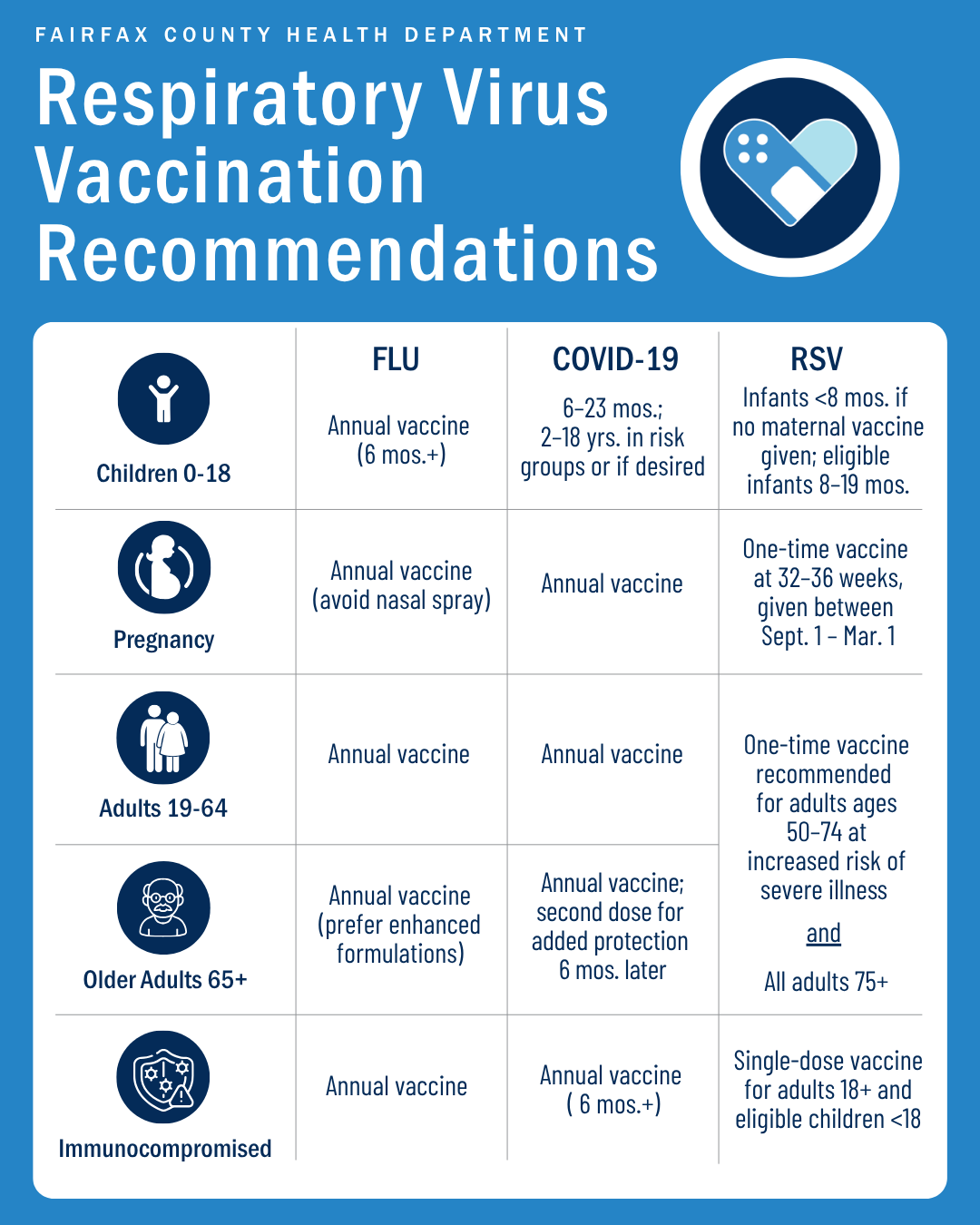
    Vaccine Recommendations for 2026-2027 Respiratory Illness Season:

    • Children (6 months–18 years): Annual flu shot for all; annual COVID-19 for ages 6–23 months and for ages 2–18 in certain risk groups (optional otherwise); RSV vaccine for infants under 8 months if the mother was not vaccinated in pregnancy, and for ages 8–19 months in certain risk groups.
    • Healthy adults (19–64 years): Annual flu and COVID-19 vaccines for all; one-time RSV vaccine for adults 50–74 at increased risk, in consultation with a healthcare provider.
    • Pregnant women: Annual flu (no nasal spray) and updated COVID-19 vaccines; RSV vaccine at 32–36 weeks’ gestation (Sept 1–March 1) each pregnancy to protect newborns.
    • Older adults (65+ years): Annual high-dose flu vaccine and annual COVID-19 vaccine plus a booster after 6 months; one-time RSV vaccine for all adults 75 and older.
    • Immunocompromised (6 months+): Annual flu (no nasal spray) and COVID-19 vaccines; RSV vaccine considered on a case‑by‑case basis with a healthcare provider. 
       
    See the extended lternative text at the bottom of the page


    Influenza (Flu)

    Everyone 6 months and older, with rare exceptions, should get a flu vaccine every year.

    When to get it: The ideal time is by the end of October, but you can still get vaccinated later in the season. Flu viruses usually start increasing in early October, peak in January or February, and can circulate through late May.

    What’s in the vaccine: The current flu shot protects against three flu virus strains, including the influenza A(H3N2) subclade K virus that spread widely during the 2025–2026 season.

    COVID-19

    COVID-19 vaccines are available for everyone 6 months and older.

    Who especially needs it: Older adults, infants, and people who are pregnant are strongly encouraged to be vaccinated because they are at higher risk of severe illness.

    Why an updated dose matters: Protection from COVID-19 vaccines decreases over time, so getting an updated dose (if you are eligible) helps restore and maintain protection.

    Respiratory Syncytial Virus (RSV)

    Adults:

    All adults 75 years and older should receive a single dose of an RSV vaccine.

    Adults aged 50–74 with certain health conditions should talk with their healthcare provider to decide if the RSV vaccine is appropriate, as some conditions increase the risk of severe RSV.

    Babies and Pregnancy:

    All babies should be protected from severe RSV using one of two options:

    • A maternal RSV vaccine given during pregnancy, or
    • An RSV monoclonal antibody given directly to the baby.

    These options significantly reduce the risk of hospitalization for infants during their first RSV season.

    Pregnant people and parents of newborns should talk with their healthcare providers about the best RSV protection for their baby.

    Stay Healthy

    Practicing healthy habits can help you reduce the chances of getting and spreading respiratory viruses like flu, RSV, and COVID-19. 

    • Get vaccinated against respiratory illnesses. Talk with your health care provider for details.  
    • Wash hands often with soap and water for 20 seconds, especially after coughing or sneezing.  
    • Cover coughs and sneezes with a tissue or your elbow.  
    • Stay home if you are sick with respiratory illness to prevent spreading it to others. Return to normal activity when your symptoms have improved, and you are fever free for 24 hours.  
    • Keep a distance from others when possible.  
    • Improve air quality by bringing in fresh air from outside (opening doors or windows or using exhaust fans), purifying air indoors, or gathering outdoors.

    Help spread the message about respiratory illness. Share Respiratory Illness Resources with your friends, family, school, or health clinic.
    Additional Resources:

    • https://www.fairfaxcounty.gov/health/respiratory-illnesses/
    • https://www.fairfaxcounty.gov/health/prevent-respiratory-viruses
    • https://www.fairfaxcounty.gov/health/respiratory-illnesses/resources  
    • https://www.fairfaxcounty.gov/health/prevent-respiratory-viruses/dashboard 
    2026-2027 Respiratory Illness Season  How to Protect Against Flu, COVID-19 and RSV
  2. High Blood Pressure: Beating the “Silent Killer”

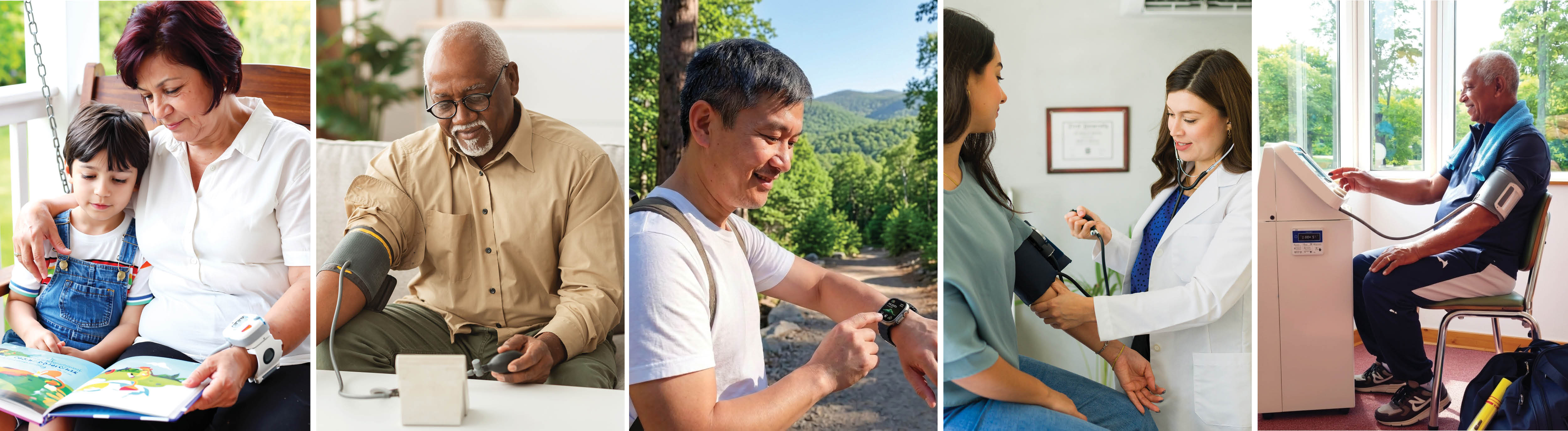
    photo strip of 5 people having their blood pressure checked


    Did you know: high blood pressure is one of the most common—and most preventable—threats to our health? High blood pressure, also known as hypertension, is often called the "silent killer" because it usually has no warning signs or symptoms, but puts extra strain on the heart and blood vessels.

    Do you know: high blood pressure can raise the risk of serious problems, including heart disease, stroke, kidney disease, dementia, and vision loss?

    And do you know: the good news is that high blood pressure can be controlled with medication, healthier eating, regular physical activity, and other healthy habits?

    Then you should know: that before you can take steps to control high blood pressure, you have to know your numbers.

    • Nearly half of adults in the United States (47%) have high blood pressure
    • Yet only about 1 in 5 have it under control
    • Even more concerning, many people who have high blood pressure don't know they have it.
    • Just 59% of adults living with the condition are aware of it, and
    • Awareness is especially low among younger and middle-aged adults. 

    Because high blood pressure usually doesn't cause noticeable symptoms, you can't rely on how you feel to know whether your blood pressure is too high. The only way to know is to have it measured. That's why routine blood pressure checks are recommended for adults age 18 and older and why knowing your numbers can be one of the simplest, most important steps you can take for your health.

    To help address the growing number of adults living with uncontrolled high blood pressure, the Fairfax County Health Department is launching Know Your Numbers, Own Your Future, a year-long public health campaign focused on a simple but important step: knowing your blood pressure numbers.

    The campaign will give Fairfax County residents practical information they can use to better understand their blood pressure and make informed decisions about their health. The campaign will focus on three key actions: 

    1. understanding the risks of high blood pressure,
    2. learning how to check blood pressure correctly and what the numbers mean, and
    3. taking action when blood pressure is too high.

    For people who have high blood pressure, knowing the numbers is only the beginning. The campaign will encourage residents to talk with their health care provider about their readings and learn what they can do to manage their blood pressure. Taking prescribed medication, eating a healthier diet, getting regular physical activity, and making other healthy lifestyle changes can help lower blood pressure and reduce the risk of serious health problems.

    Residents can find additional information and resources on the Health Department website that will provide information about blood pressure screening, treatment, lifestyle changes, and ongoing blood pressure management. The site will also feature local programs, community resources, tools, and events and will be updated throughout the year.

    Everyone can play a role in spreading the word. Share campaign information with family, friends, neighbors, coworkers, and community groups. Encourage the people in your life to check their blood pressure and know their numbers. For those with high blood pressure, encourage them to follow up with a health care provider and take steps to manage it.

    The goal is straightforward: to make sure people across the Fairfax Health District have the information, resources, and support they need to know their blood pressure numbers and take action to protect their health.

     

    photo of a child and grandmother on a porch swing, grandma wears a wristband style heart monitor
  3. National Preparedness Month: How to Build Preparedness

    September is National Preparedness Month, a chance to take practical steps to get ready for emergencies. By learning local hazards, creating a communication plan, building an emergency kit, preparing for medical needs, and practicing your plan, you can strengthen your ability to respond and recover.

    1. Learn Your Risk

    Learn which emergencies occur in your community and how they might affect your health, transportation, and daily needs. Consider the needs of children, older adults, people with disabilities, and others who may require extra support. Understanding these risks helps you make relevant, realistic emergency plans.

    To get started:

    • Explore the Fairfax County Community Emergency Response Guide (CERG) to learn which hazards are most likely to occur in this area. Consider how each hazard may impact you.
    • Think about what you will need if an emergency occurs at home, at work, or at other places you frequent.

    2. Create a Household Communication Plan

    Deciding how you’ll communicate with loved ones before a disaster helps you stay in touch after one. It’s also important to identify how you’ll receive emergency alerts and updates, such as through the news, radio, or text alerts.

    Together with your loved ones, discuss:

    • A safe meeting place where you can regroup if you have to evacuate or can’t go home. This could be a local store, place of worship, or other central location you can all access.
    • How you will communicate if cellular or internet service is disrupted.
    • Signing everyone up for free text and email alerts from Fairfax Alerts at bit.ly/FFXAlerts.

    3. Build an Emergency Kit

    Keep your emergency supplies in one easy-to-access place so that you can grab and go during an emergency. Include medications, medical supplies, important health information, and any other items your family may need. 

    Remember these health essentials:

    • Medications and medication information
    • A list of medications, doctors and their contact information, and copies of prescriptions
    • Backup batteries or other power alternatives for powered medical equipment

    4. Prepare for Medical Needs

    Having a plan for managing medical needs during an emergency helps prevent interruptions in treatment. If you or a loved one has chronic conditions, mobility considerations, medical equipment, or other health needs, think about how to incorporate those into your emergency plan.

    You should:

    • Talk with your healthcare provider about your medical needs and how to manage them during an emergency.
    • Coordinate with any caregivers you or loved ones have to discuss how to continue care if an emergency limits transportation or access.

    5. Practice Your Plan

    Put your plans into action by practicing evacuation routes, regularly updating contact information and copies of medical records, and conducting drills for various emergency scenarios.

    To practice, you can:

    • Pretend you have to evacuate your home. Practice grabbing your emergency kit and meeting at the gathering place you identified.
    • Regularly review and update your household communication plan, including meeting locations, contact information, and alert subscriptions, to make sure everything is current.

    Related Resources

    • Fairfax County Department of Emergency Management and Security
    • Fairfax County Health Department | Community Preparedness
    • Fairfax County Health Department | Climate Health
    National Preparedness Month
  4. Health Officials Investigating a Potential Measles Exposure in Northern Virginia

    From Virginia Department of Health (VDH)

    The Virginia Department of Health was notified of a confirmed measles case involving a person who traveled through Northern Virginia Sunday, August 16, while infectious. The person is a resident of another state. To protect the patient’s privacy, VDH will not release additional information. Health officials are working to identify and notify people who may have been exposed.

    Listed below are the dates, times, and locations of the potential exposure sites in Virginia:

    • Sheraton Reston Hotel, located at 11810 Sunrise Valley Drive in Reston, Sunday, August 16.
    • MOTW Coffee and Pastries, located at 11830 Sunrise Valley Drive, Suite 200 in Reston, Sunday, August 16.
    • 7-Eleven, located at 11854 Sunrise Valley Drive in Reston, Sunday, August 16.
    • Barber & Men’s Spa, located at 11830 Sunrise Valley Dr, Unit 900 in Reston, between 4:30 p.m. and 5 p.m. Sunday, August 16.

    Any additional exposure sites identified in Virginia will be posted to the VDH Measles website.

    What to Do If You Have Been Exposed to Measles

    Most people in Virginia have immunity to measles through vaccination, so the risk to the general public is low. However, anyone who was at the potential exposure sites at the times listed should:

    • Report your exposure to VDH by completing this short survey. Public health officials will follow up with respondents if additional actions are needed.
    • Find out if you have been vaccinated for measles or have had measles previously. Make sure you are up to date with the recommended number of measles (MMR) vaccinations.
      • To check your immunization status, call your healthcare provider or request records through the VDH Record Request Portal.
      • If you have received two doses of a measles-containing vaccine, or were born before 1957, you are considered protected and do not need to seek post-exposure treatment at this time.
    • People who are not fully vaccinated or otherwise immune to measles should contact their healthcare provider or call their local health department promptly to discuss any questions they might have. If you have already completed the above survey, your local health department will reach out to you to provide recommendations if additional actions are needed.
    • Watch for symptoms of measles for 21 days after the potential exposure. Monitoring for symptoms is especially important for people who are not fully vaccinated or otherwise immune to measles.
      • If you notice symptoms of measles, immediately isolate yourself by staying home. Contact your healthcare provider right away. If you need to seek healthcare, call ahead before going to your healthcare provider’s office or the emergency room to notify them that you may have been exposed to measles and ask them to call the local health department. This call will help protect other patients and staff.
      • The most likely time you would become sick would be between August 23 and September 6.
      • Contact your local health department or email epi_response@vdh.virginia.gov to discuss any additional recommendations.

    General Measles Information

    Measles is a highly contagious illness that can spread easily through the air when an infected person breathes, coughs, or sneezes. Measles symptoms usually appear in two stages. In the first stage, most people have a fever of greater than 101 degrees, runny nose, watery red eyes, and a cough. These symptoms usually start seven to 14 days after being exposed. The second stage starts three to five days after symptoms start, when a rash begins to appear on the face and spreads to the rest of the body. People with measles are contagious from four days before the rash appears through four days after the rash appeared.

    Measles is preventable through a safe and effective MMR vaccine. Two doses of the vaccine are given to provide lifetime protection. Virginia has high measles vaccination rates, with approximately 95% of kindergarteners fully vaccinated against measles. However, infants who are too young to be vaccinated, and others who are not vaccinated, are at high risk of developing measles if they are exposed. Infants six months through 11 months of age who will be traveling internationally, or to an outbreak setting, should receive one dose of MMR vaccine prior to travel. Talk to your healthcare provider if you have questions about the MMR vaccine.

    To date in 2026, Virginia has 179 reported cases of measles. For more information about measles visit www.vdh.virginia.gov/measles/.
    Public Health Officials Investigating a Potential Measles Exposure in Northern Virginia
  5. Fairfax WIC Honored with Distinguished Award During Breastfeeding Awareness Month

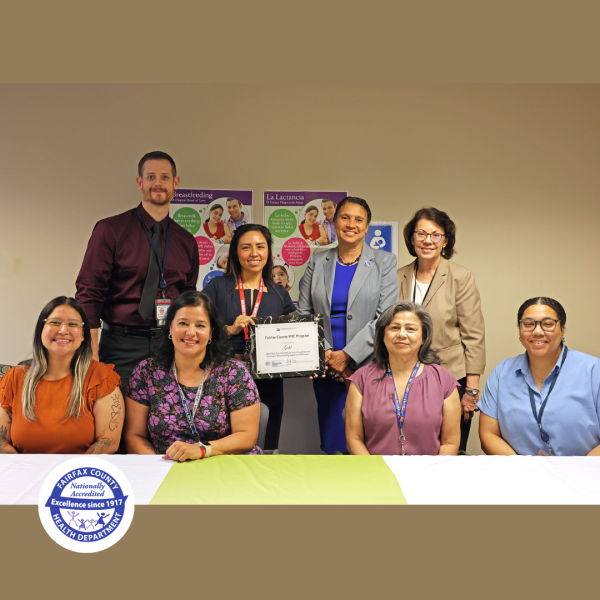
    The Fairfax County Health Department’s Women, Infants and Children (WIC) program is the recipient of the U.S. Department of Agriculture’s 2026 Gold Breastfeeding Award of Excellence. The award recognizes Fairfax County’s WIC program for demonstrating excellence in breastfeeding support practices and for its commitment in promoting breastfeeding through education, advocacy and its successful peer counseling program. 

    The award was presented during a virtual awards ceremony with the USDA and the Virginia Department of Health on August 18, coinciding with Breastfeeding Awareness Month.  
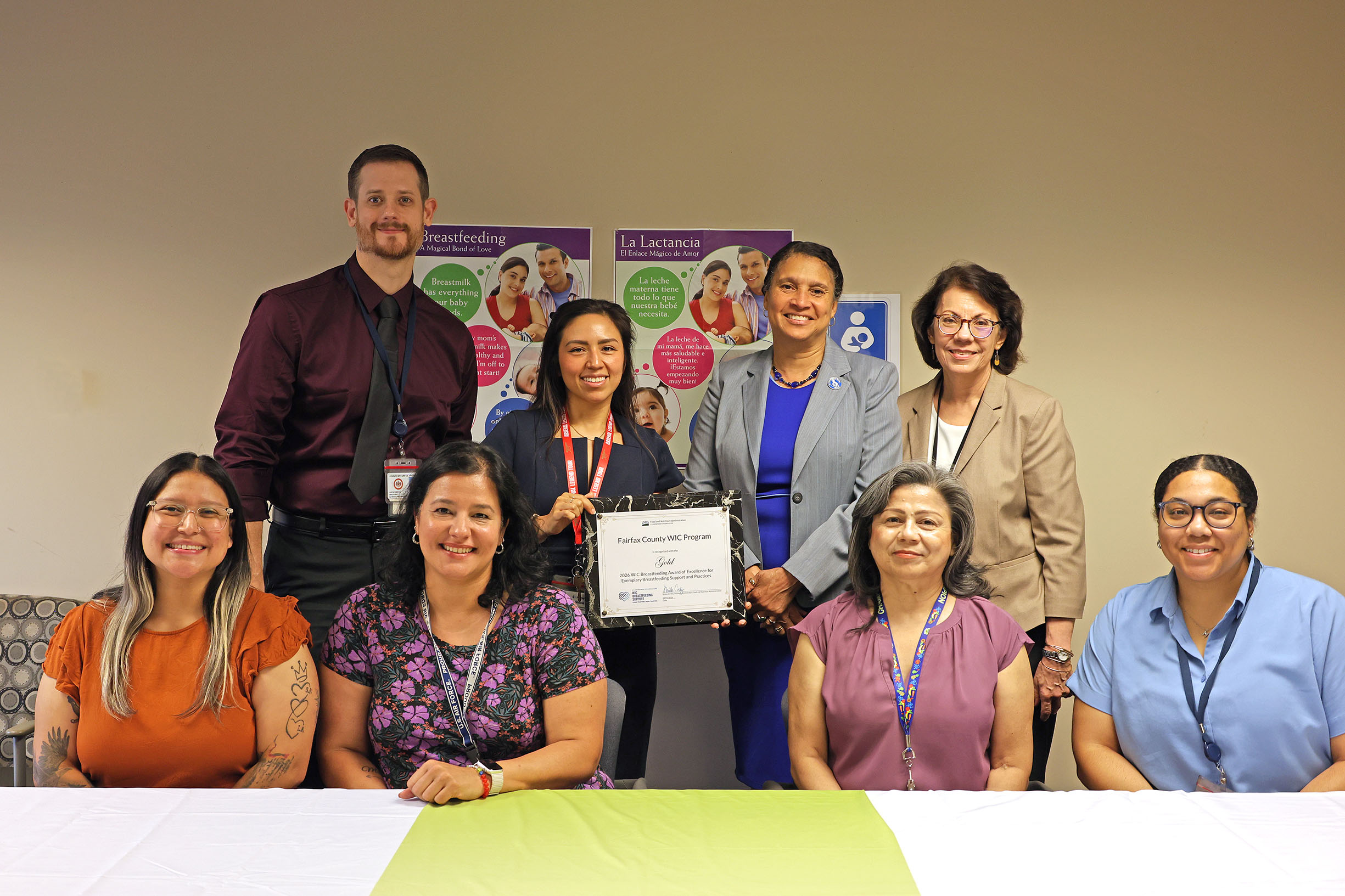
    WIC peer counselors receive USDA award

    Fairfax County’s WIC program is being honored for its leadership in assisting WIC participants breastfeed successfully. Peer counselors receive specialized training and offer practical tips, encouragement and guidance to help families navigate breastfeeding challenges. 

    “Our peer counselors form a trusted network of dedicated individuals who offer guidance, understanding and lived experience,” said Gloria Lobato, Breastfeeding Coordinator with the Fairfax County WIC program. “Their support is central to helping families thrive and reach their breastfeeding goals.”

    The Fairfax County Health Department administers the WIC program in the Fairfax Health District. The program provides nutritional support to pregnant, postpartum and breastfeeding women; infants; and children up to age five. WIC staff provide nutrition education, breastfeeding support, access to healthy food benefits, and referrals to county resources for eligible individuals.

    Fairfax County WIC Program by the Numbers 

    • 11,100 WIC participants in May 2026
    • Seventy-nine percent of WIC postpartum clients breastfeed
    • Fairfax county operates 5 WIC sites open Monday - Friday, and 2 satellite clinics 

    The USDA’s WIC Breastfeeding Award of Excellence program recognizes local agencies that demonstrate outstanding achievement in promoting and supporting breastfeeding. USDA offers three Award categories: Gold, Premier and Elite. The WIC Breastfeeding Model for Peer Counseling is an evidence-based program framework designed to improve breastfeeding initiation and duration among program participants.

    The Virginia Department of Health recommends that infants breastfeed exclusively for the first six months of life, with a gradual introduction of solid foods. It is also recommended that infants continue to be breastfed for two years and beyond, as long as mutually desired.

    For more information about the WIC program and to see the full list of Fairfax County WIC locations, please visit the WIC webpage.
     

    WIC peer counselors receive USDA award
  6. Applications Open for Fall 2026 Public Health Youth Ambassadors Program

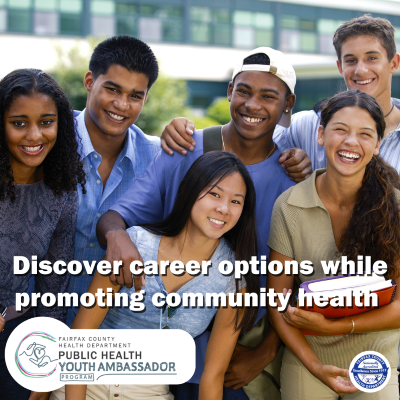
    six high school students outside a school building, with text that reads Discover career options while promoting community health superimposed over the photo

    Applications are now open for the Fall 2026 cohort of the Public Health Youth Ambassador Program (PHYAP), offering high school age students across Fairfax County a flexible and meaningful way to build real-world skills and connections in health care and community health.

    The program’s Evening and Weekend option, held at the Fairfax County Government Center, is open to all 10th–12th grade students who live in Fairfax County—whether they attend public, private, faith-based, or home schools. This flexible schedule is ideal for teens with full daytime calendars, extracurricular activities, or part-time jobs, and gives families multiple ways to make the program work. Evening sessions run Monday through Thursday, and a weekend class meets each Saturday morning. Students can choose between two hands-on tracks: the High School & Young Adult Opioid Reduction Training Program or the Young Adult Mental Health Worker Program. Both options help students develop practical skills they can use right away in their schools and communities while strengthening college and career readiness.

    PHYAP also continues to offer daytime programs through its long-standing partnerships with John R. Lewis High School, Justice High School, and Mount Vernon High School. At these schools, eligible students participate in Community Health Worker training during their advisory periods three days a week, gaining experience through lessons and hands-on activities led by trained facilitators.

    Public Health Youth Ambassadors Promotion with several kids
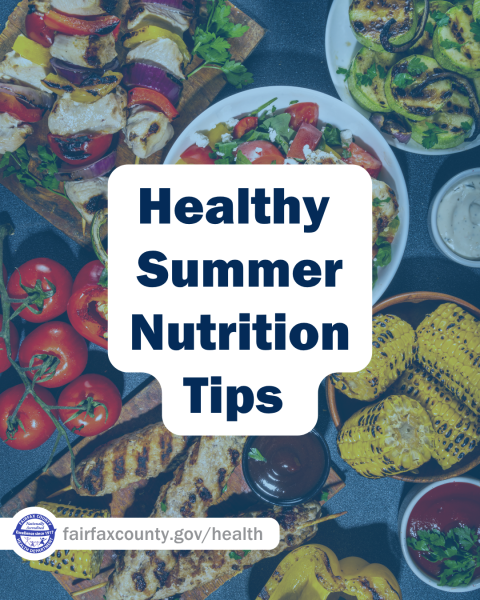
  7. Summer Nutrition Tips for Healthy Eating

    As summer heat rises, many people notice they are less hungry. That is because digesting and storing food creates heat in the body. While your body may not want more heat, it still needs fuel and fluids to stay healthy and hydrated.

    Healthy eating and drinking can help prevent heat-related illness, especially for older adults.

    Summer superfoods

    Summer brings some of the most powerful foods of the year — fresh, colorful produce packed with nutrients that protect your memory, muscles and heart. Sun-ripened fruits and vegetables often have more flavor and antioxidants, and light, refreshing meals fit many people’s smaller appetites in hot weather.

    Berries such as blueberries, strawberries and raspberries can support brain health, memory and gut health. They are easy to add to oatmeal, yogurt, smoothies and salads. Tomatoes are rich in lycopene, which supports heart health and may help protect against some cancers. Enjoy them sliced, in a caprese salad or in fresh salsa. Corn, fresh or frozen, provides fiber and supports eye health. It can be added to salads, soups or mixed with beans.

    Hydrate

    Your brain needs water to work well. Even small amounts of extra hydration can improve memory. Do not wait until you are thirsty to drink water. The Local Health District recommends drinking about 8 ounces every 15 to 20 minutes when you are working or playing outside in the heat. It is better to drink small amounts often than to chug a large amount at once. Do not drink more than 48 ounces in an hour.

    Good hydration does not come only from the tap or a bottle. Many fruits and vegetables are mostly water and can help you stay hydrated. These include:

    • Watermelon
    • Strawberries
    • Cantaloupe
    • Peaches
    • Oranges
    • Grapefruit
    • Cucumbers
    • Lettuce
    • Celery
    • Zucchini and squash
    • Tomatoes
    • Bell peppers

    Your daily goal is 6 to 8 cups of fluid from water, tea, soup, fruit or flavored water. Using a water bottle can help you remember to drink.

    Restore electrolytes

    When you sweat, your body loses important minerals such as sodium and potassium. This can lead to muscle cramps and tiredness. Bananas, leafy greens and coconut water can help replace these minerals. Adding these foods and drinks to your day can support muscle function and overall energy.

    Drinks to avoid or limit

    Some drinks can make dehydration worse. The Local Health District advises people to avoid alcohol and energy drinks, especially in hot weather. These beverages can dehydrate you and add stress to the heart.

    Coffee, tea and other caffeinated drinks should be enjoyed in moderation. Balance them with plenty of water and hydrating foods.

    Eat smaller, more frequent meals

    Heavy, greasy or fried foods slow digestion and can make you feel hotter and more sluggish. Lighter foods are easier to digest and can help keep your body cooler. Salads, yogurt and smoothies are good choices in hot weather. They are light, refreshing and often include fruits and vegetables that add water and nutrients.

    The Women, Infants and Children (WIC) program supports pregnant, breastfeeding and postpartum women, infants and children up to age 5. It provides healthy foods, nutrition education and breastfeeding support.

    Most importantly, never forget to wash the fruits and vegetables!
    Summer nutrition tips
  8. Cyclosporiasis on the Rise across the U.S.

    Cyclosporiasis cases are on the rise in some parts of the country. Most outbreaks of cyclosporiasis, an illness characterized by watery diarrhea, nausea, vomiting, and low-grade fever, are linked to fresh produce grown with water contaminated by the Cyclospora parasite.

    Virginia sees cases of cyclosporiasis every year, mostly in the spring and summer. All laboratory-confirmed cases are reported to their local Health Department, where a full investigation, including a detailed food history, is conducted. The most recent case counts can be found on the Virginia Department of Health’s dashboard. 

    The Health Department recommends that everyone:

    • Wash fruits and vegetables
    • Wash your hands thoroughly
    • Avoid eating uncooked fruits and vegetables when traveling

     Learn more at VDH Fact Sheet. 


    Cyclosporiasis cases are on the rise
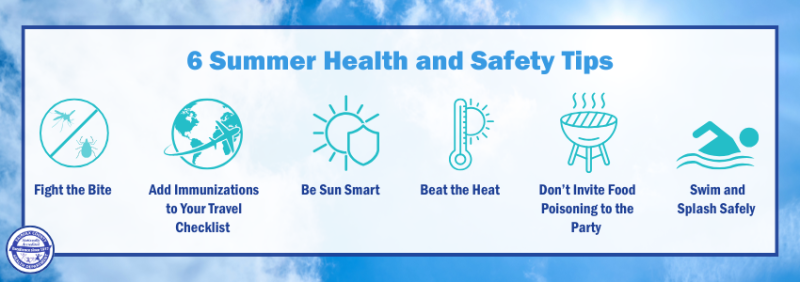
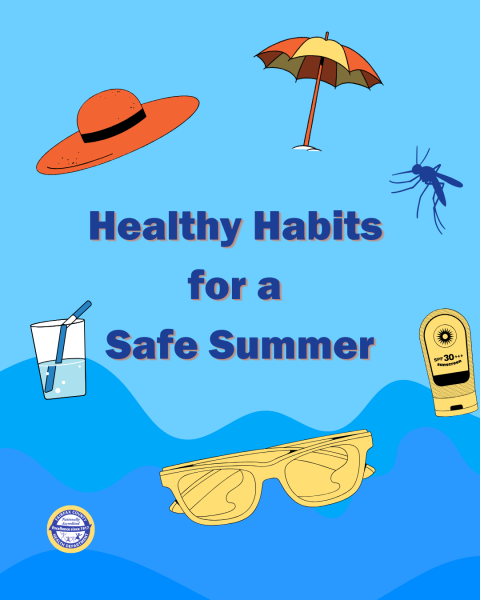
  9. 6 Healthy Habits to Remember for a Safe Summer

    6 Summer Healthy Habits

    Summer is here! Make the most of it with these six reminders for a healthy and safe summer.

    Fight the Bite

    Mosquitoes and ticks can ruin outdoor fun. Their bites are more than annoying — sometimes they transmit diseases. West Nile virus and Lyme disease are two of the vector-borne diseases transmitted by mosquitoes and ticks, respectively, in our region. Get in the habit of taking these simple prevention measures when you go outside:

    • Use insect repellents that contain EPA-registered active ingredients like DEET or picaridin.
    • Wear long, loose, light-colored clothing when outdoors.
    • Shower soon after outdoor activities; perform tick checks (on yourself, family members, and pets) after spending time outside.

    Find more ways to fight the bite, including how to control mosquitoes and ticks.

    Add Immunizations to Your Travel Checklist

    International travel increases your chances of getting and spreading diseases that are rare or not found in the United States. If your summer plans including traveling outside the country, check to see what immunizations are recommended for the area you are visiting. Prior to traveling, you should also make sure you are up to date on all of your routine vaccines.

    See what immunizations you need before traveling and where to get them.

    Don’t Invite Food Poisoning to the Party

    Food poisoning peaks in the summer months when warmer temperatures cause foodborne germs to flourish. From burgers at barbeques to potato salad at potlucks, there are steps you can take to prevent foodborne illness, such as cooking food to the correct temperature and storing it properly. Get more food safety tips.

    Beat the Heat

    Extreme heat is a period of high heat and humidity with temperatures above 90 degrees for multiple days. Extreme heat can be dangerous for everyone, but can be especially dangerous for older adults, infants and young children, and people with chronic medical conditions.

    • Learn to recognize warning signs and symptoms of heat-related illness, such as heat stroke and heat exhaustion.
    • Stay cool and stay hydrated.
    • Stay informed by paying attention to local weather. You can also follow us on social media and sign up for alerts from Fairfax County.

    Be Sun Smart

    Enjoy the outdoors without raising your risk of skin cancer by protecting your skin from the sun. UV rays damage the skin which leads to wrinkles and increases your risk of skin cancer. Remember, you can be exposed to ultraviolet (UV) light even on cloudy and cool days. Layer up on your protection to be sun safe.

    • Choose a broad-spectrum sunscreen that filters out both UVA and UVB rays with an SPF of 30 or higher and reapply regularly.
    • Wear protective layers like a wide-brimmed hat, sunglasses that block UVA and UVB rays, and protective clothing.
    • Whenever possible, find shade and avoid being in the sun when UV rays tend to be strongest — between 10 a.m. and 4 p.m. daylight saving time.

    Swim and Splash Safely

    Swimming, and other water-based activities, are a great way to be active while staying cool.  Everyone should take steps to prevent illness and injury every time they are in and around the water.

    Recreational water illnesses are caused by swallowing, breathing in mist, and having contact with contaminated water. Healthy swimming habits, like not swallowing water, can lower your chance of getting sick. It is also important to stay out of the water if you are sick with diarrhea, to rinse off before getting into pools, splash pads, and hot tubs, and to take young children on bathroom breaks and check diapers (away from the water) every hour.

    Drowning often occurs quickly and silently. Follow these drowning prevention tips to keep you and your family safe while swimming:

    • Provide active supervision when children are in the water
    • Learn basic swimming skills
    • Learn CPR
    • Avoid swimming after dark
    • Watch for swimming hazards like rip currents and rough waters
    • Observe any advisories and listen to lifeguards
    • “Floaties,” arm bands, and water wings are toys, not safety devices
    • Ensure pools have proper safety features

    It is also important to know what drowning looks like and how to prevent it.
    Summer Safety tips with icons
  10. Ways to Keep Cool Without Air Conditioning

    When outdoor temperatures reach dangerous levels, staying in air-conditioned spaces is the best way to stay cool. If you don’t have air conditioning, or if a power outage limits your access, there are still steps you can take to keep yourself cool and reduce your risk of heat-related illness.  

    Seek medical care immediately if you or someone else has symptoms of heat-related illness like dizziness, confusion, nausea, or vomiting.
    • Cooling Centers: Fairfax County operates cooling centers during operating hours when the county’s Extreme Heat Plan is activated. These locations provide free, air‑conditioned relief for anyone who needs it. Hours and availability vary, so confirm the facility is open before you visit.  
    • Utilize Public Indoor Spaces: In addition to cooling centers, you can also visit other indoor public places with air conditioning. Consider walking inside a mall, enjoying a meal at a restaurant, having an iced drink at a café, or going to see a movie. Even spending a few hours in air conditioning can help lower your body temperature.
    • Freeze Water Bottles and Ice Packs: Freeze bottled water to use as a cold compress by wrapping it in a towel and placing it against your body. You can also drink the cold water as it melts. Fill sealable plastic bags with water and freeze them for use as ice packs, always wrapping them in a towel before placing them on your skin.
    • Hydrate Now: Begin increasing your water intake before temperatures rise. Eat foods with a high water content to help keep you hydrated, such as watermelon, strawberries, oranges, cucumbers, tomatoes, celery, and lettuce. If your healthcare provider has advised you to limit fluids due to a medical condition, follow their guidance and contact them with any concerns about staying safe in extreme heat.
    • Take Cool Baths and Showers: Cool baths and showers can quickly lower your body temperature.
    • Use Cooling Towels: Wet cloths or towels with cool water and place them on your head or neck to cool down. If you need to go out, bring a small cloth with you that you can wet in case you need to cool down quickly.  
    • Drink Cold Beverages: Regularly drink cold water or other non‑alcoholic, non‑caffeinated beverages to help cool your body from the inside.
    • Prepare Your Home: Limit the use of heat‑producing appliances, such as ovens or stovetops. Keep blinds and curtains closed during the day to block out sunlight and reduce indoor temperatures.
    • Make a Misting Fan: Spray cold water into a fan while it is running to lightly mist your skin and create evaporative cooling.  
    • Check On Others: Use a buddy system with friends, family, and neighbors. Check on people regularly, especially those who are older, living alone, or medically vulnerable, and ask them to check in on you.
    • Don’t Rely Only on Fans: When temperatures are extremely high, electric fans may make you feel more comfortable but will not prevent heat‑related illness. Use fans along with other cooling strategies.
    • Dress for the Heat: Wear lightweight, loose‑fitting and light‑colored clothing to stay cooler. Wear a wide-brimmed hat to keep your face and neck shaded.

    Learn more about extreme heat and preventing heat-related illness:  

    • Fairfax County Health Department | Climate Health
    • Fairfax County | Extreme Heat Resources
    • Stay Safe in the Heat: Tips for Older Adults
    • Beat the Heat: Protect Yourself During Extreme Temperatures
    Ways to Keep Cool Without Air Conditioning

Pagination

  • Current page 1
  • Page 2
  • Page 3
  • Page 4
  • Page 5
  • Page 6
  • Page 7
  • Page 8
  • Page 9
  • Next page Next ›
  • Last page Last »

Recent Interactions

    Ask Fairfax

    Terms & Conditions
    Live chat available Search our site
    • Translate
    • Awards
    • Site Feedback
    • PRIVACY POLICY & COPYRIGHT
    Main Address

    12000 Government Center Pkwy
    Fairfax, VA 22035

    Phone

    703-324-7329

    TTY 711

    Site Tools
    • Website Accessibility
    • Translate
    • Download Mobile App
    Support
    • ADA Accessibility
    • FOIA Requests
    • Website Administrator
    Additional Resources
    • Fairfax County Public Schools
    • Economic Development Authority
    • Visit Fairfax
    • Council of Governments
    • Commonwealth of Virginia
    • USA.gov
    • Calendar
    • Channel 16
    • Mail
    • Security
    • WIFI
    • Facebook
    • Twitter
    • Instagram
    • YouTube
    • Mobile

    The Official Site of Fairfax County