
Health Department Alert:
Members of the community are invited to attend a World AIDS Day Commemoration to recognize the impact and progress surrounding HIV/AIDS in Northern Virginia.
World AIDS Day is honored globally to remember those who have been lost due to HIV and acquired immunodeficiency syndrome (AIDS) and to celebrate progress being made for people living with HIV/AIDS or at risk of future infection.
This year, organizations from across Northern Virginia will join together to host a World AIDS Day Commemoration on Monday, December 1, from 6:30-8:30 p.m. at the Nannie J. Lee Recreation Center (1108 Jefferson Street, Alexandria, VA 22314).
City of Alexandria Mayor Alyia Gaskins will read a commemorative proclamation and a panel featuring people living with HIV and health experts will discuss their experiences and vision for the future. The event will include entertainment from local musician Tony Craddock and the Northern Virginia World AIDS Day Choir.
Attendees are encouraged to attend to remember those lost, learn about local services and find ways to get involved. Gift cards will be given to the first 30 attendees, and the event hosts will provide light refreshments and raffles. Attendees may wear holiday attire and a red ribbon, provided at the event, in memory of those lost to HIV-related illnesses.
The event will be hosted by the Alexandria Health Department, Fairfax County Health Department, local chapters of the National Council of Negro Women, local chapters of Delta Sigma Theta Sorority, Incorporated, and the Northern Virginia Business and Professional Women’s Club.
Over 32 million people have died of AIDS and HIV-related illnesses worldwide. As of 2023, over 2,000 Virginians are living with HIV. Anyone can get HIV and develop AIDS, but due to systemic racism and barriers to care, HIV disproportionately affects people who identify as Black and people who identify as Hispanic in Virginia.
However, around the world, progress is being made. As access to treatment has improved, people with AIDS are living longer, healthier lives.
Further, people around the world take steps every day to prevent future HIV infections by educating themselves on HIV and AIDS, practicing safe sex, and receiving pre-exposure prophylaxis, also known as PrEP. Additionally, through medical treatment, people with HIV can lower the amount of HIV in their body so much that it is untransmissible to others through sex.
The best way for an individual to help prevent AIDS and take charge of their own health is by getting tested for HIV. Affordable, confidential HIV testing is available in Northern Virginia all year. Visit our sexually transmitted infections page to learn about local, free and affordable options.
To learn more about this event, visit the City of Alexandria website.

Namrata Khanal, a nurse from the Fairfax County Health Department’s Maternal and Child Health (MCH) unit, was recognized by the Virginia Neonatal Perinatal Collaborative (VNPC) at their annual meeting in Roanoke on Monday, October 20. Namrata was presented with the Joan Williamson Wonder Nurse Award, awarded to a nurse who goes “above and beyond” to provide excellent care, works as a team player, and serves the community.
Namrata’s role helps families facing difficult challenges by providing them with high-quality care that goes beyond basic medical needs. She also connects families with resources in the community that support their long-term health and well-being. These resources include mental health support for mothers during and after pregnancy, as Namrata firmly believes that when parents are healthy, their babies have a better chance to be healthy too.
“I feel very honored and humbled to be recognized,” Namrata said. “I’m so grateful to my coworkers for always supporting me, our MCH team, and the leadership at the health department for making this program possible.” She also thanked the families she works with, saying, “I truly appreciate the clients and families who trust us and allow us into their homes to take care of them.”
The VNPC’s mission is to make sure every pregnant woman, new mom, and baby in Virginia gets the best care possible. The Wonder Nurse Award is named after Joan Williamson, a respected OB nurse and one of the founders of VNPC.
Get more information about Maternal and Child Health services or learn more about public health nursing in Fairfax County.

In 2025, 36% of households—or 1.5 million people—in the DMV (DC-Maryland-Virginia) reported experiencing food insecurity within the past year. Food insecurity, defined as limited or uncertain access to nutritious food, can have a significant impact on one's mental and physical health, including an increased risk of obesity and chronic disease, such as heart disease, diabetes and stroke.
Addressing food insecurity requires collaboration at every level, from the individuals growing fresh produce to organizations distributing it to the community.
On Wednesday, October 8, the Fairfax Food Council and the Emergency Food Strategy Team, which is led by the Food Access Program, hosted a meeting between fresh food producers and emergency food distributors. Representatives from 25 organizations across the DMV are gathered at the Fairfax County Government Center to discuss opportunities and challenges involved in receiving, storing, and distributing fresh food donations. Attendees also brainstormed practical solutions to improve collaboration, sharing what each could offer and how they could fill gaps in the food system. "This joint meeting fostered an insightful exchange between fresh food producers and emergency food providers. It surfaced real challenges and generated actionable solutions that will strengthen our local food system, from transportation and storage to donor education and community engagement," said Elisa Solomon, community health specialist with the Fairfax Food Council.
This meeting aimed to strengthen partnerships and find ways to make fresh food at food pantries more accessible to the community. "This marked an important step toward stronger coordination between fresh food producers and emergency food providers, with the potential to reshape how food reaches our communities," said Elisa. "This is just the beginning. We're excited to build on this momentum and welcome partners from across the food system to help turn shared insights into action and lasting change."
The Fairfax Food Council currently partners with 75 community organizations across Fairfax County and its surrounding areas. Learn more about the Fairfax Food Council and how you can get involved.
Subscribe to the Food Council newsletter (found under the Health and Human Services section) to receive updates about food access and literacy, donation opportunities, urban gardening and activities and resources from around Fairfax County.
The Fairfax County Health Department is pleased to announce that the Franconia-Springfield Public Health Center, located at 6564 Loisdale Court in Springfield, is officially opened.
The state-of-the-art facility provides a wide array of public health services, including immunizations, maternity services, HIV & STI testing, assistance with navigating county resources, vital records, as well as the Women, Infants & Children (WIC) nutrition program.
The Franconia-Springfield Public Health Center offers a flexible space designed for families and is easily accessible to the Franconia-Springfield Metro station and several bus lines.
Services are available by appointment and during walk-in hours. For walk-in hours, please visit the Franconia-Springfield Public Health Center web page. To make an appointment for clinical services, please call 703-246-7100. For WIC services, call 703-246-5599.
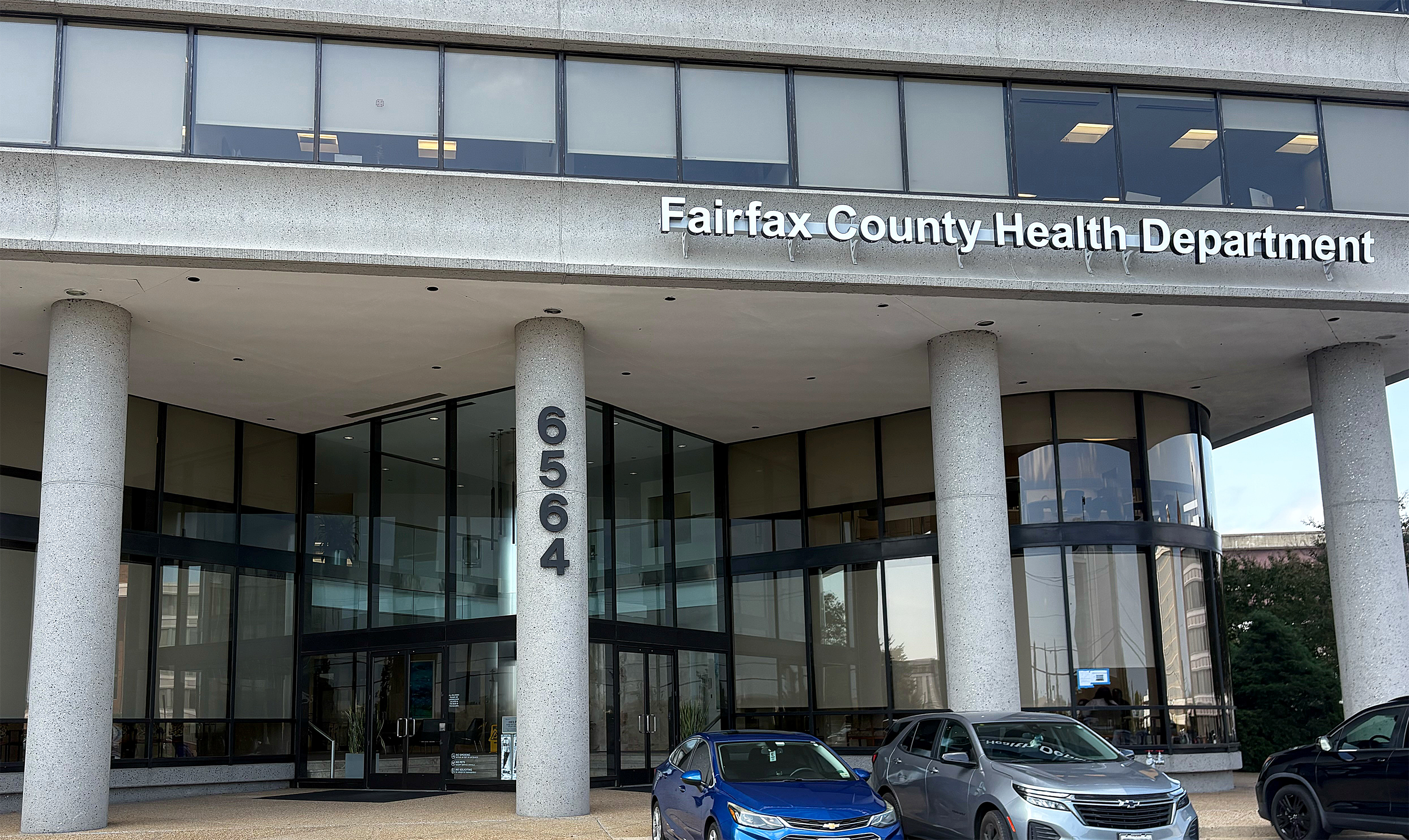
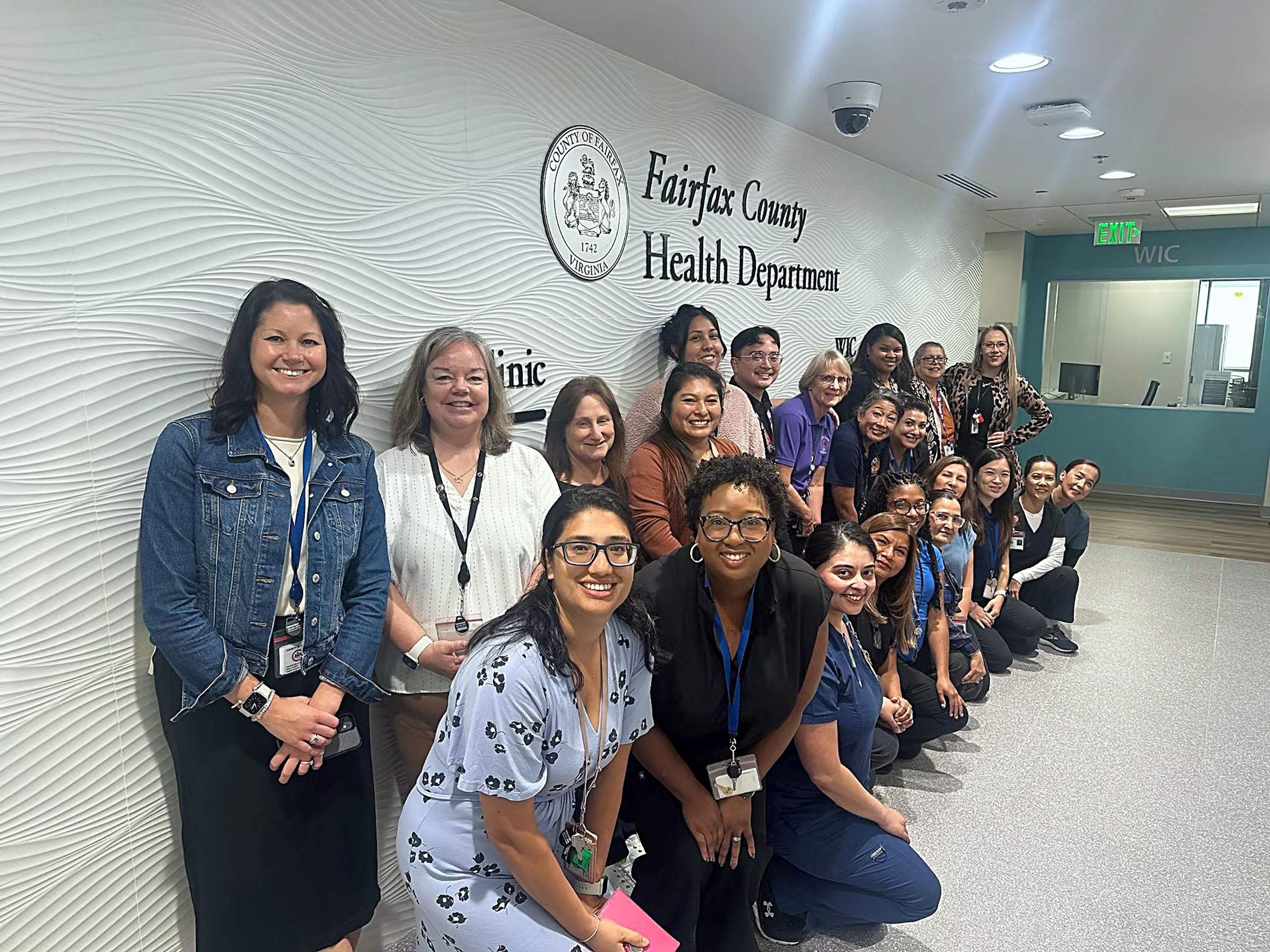

The Fairfax County Health Department announced the grand opening of its new public health center located at 6564 Loisdale Court, Springfield, on Tuesday, October 7, 2025. The state-of-the-art facility expands services and welcomes residents who faced transportation challenges.
The Franconia-Springfield Public Health Center provides a wide array of public health services, including immunizations, maternity services, HIV & STI testing, assistance with navigating county resources, vital records, as well as the Women, Infants & Children (WIC) nutrition program. Services will be available by appointment and during walk-in hours.
The new facility, located on the fourth floor, offers a flexible space and is designed for families with diverse health needs. Features include nine patient-centric exam rooms, two with negative air pressure (to service residents with infectious diseases, including tuberculosis), and one with a barrier-free bariatric exam table allowing families and individuals of all sizes and abilities to be cared for together. In addition, the site includes seven WIC consultation rooms providing private, comfortable spaces for new moms to breastfeed and who are supported by specially trained staff.
At a ribbon-cutting ceremony held on Sept. 26, Fairfax County Board of Supervisors Chairman Jeffrey McKay, Supervisor for the Franconia District Rodney Lusk, along with Fairfax County’s Director of Health Dr. Gloria Addo-Ayensu and Deputy Director for Medical Services Dr. Parham Jaberi provided remarks.

“The Franconia-Springfield Public Health Center is a great addition to our community, providing expanded access to essential health services and supporting the wellness of all Fairfax County residents, said Chairman Jeffrey McKay. “With modern facilities and a dedicated team, it will help ensure that everyone has the care they need, close to home.”
Dr. Gloria Addo-Ayensu commented that public health is the cornerstone of strong communities and conveyed the new site demonstrates the county’s commitment to residents’ equitable access to healthcare. Dr. Jaberi shared that some 47 public health staff will provide services to multilingual clients with diverse health needs by collaborating across multiple county programs in a welcoming environment.

“The opening of the Franconia-Springfield Public Health Center represents a significant milestone in Fairfax County’s ongoing commitment to improving the health and well-being of the community, said Supervisor Lusk. “Families and individuals in our community will more easily be able to obtain essential services like immunizations, nutritional support, tuberculosis treatment and many other critical public health resources.”
“This health center is not only comprehensive in the services it offers, but also easily accessible. Its location near the Franconia-Springfield Metro station and several bus lines ensures that public transit users have a direct path to care. This is an important step in reducing barriers to obtaining quality health care here in Fairfax County,” continued Supervisor Lusk.
To make an appointment for clinical services, please call 703-246-2411. For WIC services, call 703-246-5599.
Following the temporary closure of the Joseph Willard Health Center on October 1, the Franconia-Springfield site will be one of five public health centers serving county residents who need preventative services and other important health and nutrition services.
For more information about Health Department services, please visit the clinics page.
For photos of the ribbon-cutting ceremony visit Fairfax County’s Flickr page.
As we transition from summer to fall, we also head into flu season. So, as you dust off those boots and jackets, take some time to go over these five simple strategies you can use to protect yourself and those around you.
1. Get your annual flu shot
The flu vaccine is the best protection against the flu. It reduces your chance of getting sick and helps to protect others around you who cannot be vaccinated. Even if you do get sick, being vaccinated significantly reduces the severity of the illness. Everyone ages 6 months and older should get the annual flu shot. The ideal time to get a flu vaccine is September-October. This makes sure that you are protected during the height of flu season. However, if you are unable to get a flu shot until later in the year, you are still encouraged to do so. Talk to your doctor or visit a pharmacy to get vaccinated.
To find where you can receive a flu vaccine, visit VDH's Vaccine Provider Locator.
2. Wash your hands often
Washing your hands regularly is one of the best and simplest ways to prevent yourself from getting sick. Wash your hands with soap and warm water for at least 20 seconds. If there is no soap or water available, use an alcohol-based hand sanitizer. Learn when you should wash your hands.
Learn when you should wash your hands.
3. Cover your coughs and sneezes
Coughing and sneezing can spread germs to others. Always cover coughs and sneezes with your elbow or a tissue, not with your hands. Make sure to throw out tissues and wash your hands immediately after.
4. Clean surfaces regularly and avoid touching your face
When you touch your eyes, nose and mouth germs on your hands can enter your body and make you sick. Clean frequently touched surfaces such as countertops, handrails and doorknobs regularly. Make sure to wash your hands at key times, like before touching your face, putting in contacts and eating.
5. Stay home when sick
Staying home when sick is important in preventing illness from spreading to others. Stay home and away from others until at least 24 hours after both:
When you return to your normal activities take extra care to not spread illness to others, as you could still be contagious. Consider wearing a mask when around others indoors or keeping a distance from others for the next 5 days.
While flu might feel like a simple cold for some people, it can cause serious illness, especially for young children, older adults and people with chronic health conditions. If you are in one of these high-risk groups, speak to your healthcare provider to determine if treatment is right for you.
Don’t let flu get in the way of your fall plans. Get vaccinated and practice these prevention strategies to protect yourself and your loved ones.

The Fairfax Food Council (FFC) is a coalition of community members, nonprofits, faith partners, county agencies, and businesses that advocate for and promote food system and policy changes benefitting Fairfax communities, especially underserved communities, to promote and ensure equitable access to healthy food.
In an effort to engage and incorporate the perspective of youth in Fairfax County, the FFC is seeking a Youth Representative to serve on its Advisory Council. The Advisory Council serves as a resource to the FFC on diverse food system issues, offering perspective, facts, and guidance. As a member of the Advisory Council, the Youth Representative will:
The Youth Representative position is considered a volunteer position. This position is only open to high school and college undergraduate students who live and/or attend school in Fairfax County, Fairfax City, or Falls Church.
Questions? Email the Fairfax Food Council at FairfaxFoodCouncil@fairfaxcounty.gov.
Applications are open from September 15, 2025, through October 24, 2025.
 The Fairfax County Health Department is recognizing the important work of its Public Health Laboratory as part of Public Health Laboratory Appreciation Month. The observance shines a light on the highly skilled scientists and staff who play a critical role in protecting the community’s health every day. While much of their work happens behind the scenes, the results directly impact the safety and well-being of county residents.
The laboratory conducts a wide range of testing to identify diseases, track outbreaks, and ensure the safety of food, water, and the environment. From detecting cases of tuberculosis, flu, and COVID-19 to monitoring for rabies and other public health threats, the lab is often the first line of defense. Their quick and accurate testing provides the information doctors, hospitals, and public health teams need to act fast and prevent illness from spreading.
Beyond emergency response, the laboratory’s work helps maintain the daily health of the community. Routine testing supports restaurant inspections, monitors mosquito and tick-borne diseases, and ensures that residents have safe drinking water. This behind-the-scenes support often goes unnoticed, but it is essential to preventing outbreaks and protecting vulnerable populations across Fairfax County.
Director of Laboratory Services Deborah Severson, points out how Fairfax County is truly fortunate to have its own local public health laboratory right here in the community, and credits her dedicated and highly trained scientists. Deborah says, "Every day, their expertise and commitment provide the critical information that guides nearly 70% of medical diagnoses and treatment decisions, strengthens outbreak response, and protects the health of our residents. While much of their work happens behind the scenes, its impact is felt everywhere. I want to say 'Thank you' for the professionalism, care, and excellence they bring to this vital mission. Fairfax County is stronger, safer, and healthier because of them."
Public Health Laboratory Appreciation Month is an opportunity to thank the dedicated staff whose expertise keeps the community safe. Their commitment, especially during public health emergencies, has saved lives and strengthened the county’s ability to respond to new challenges.

Written by Liza Sabine and Josh Smith
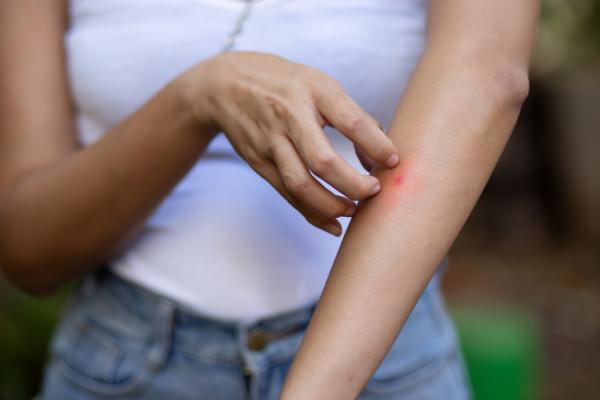
Mosquitoes and ticks can spread diseases that make people sick – and bites can happen anywhere, including your own backyard. Experts predict that warmer, wetter conditions brought on by climate change could make these pests and the pathogens they transmit more common. (See CDC's Vector-Borne Diseases page for more info).
Preparedness and personal protection are key for preventing vector-borne diseases. Read on to learn how to protect yourself from bites and find out about free Health Department services.
What are Vector-Borne Diseases?
Mosquitoes and ticks that can spread disease are called vectors. The illnesses they transmit are known as vector-borne diseases.
Vector-borne diseases seen in Fairfax County include Lyme disease, West Nile virus, ehrlichiosis, and alpha-gal syndrome. Other important vector-borne diseases include dengue, malaria, and chikungunya. Vector-borne diseases are becoming more common in some parts of the world, and some are now being found in places where they haven’t been seen before.
August 20 is World Mosquito Day, which recognizes the day that British medical doctor Sir Ronald Ross discovered that mosquitoes transmitted malaria. This day raises awareness of the impact mosquitoes have on public health and encourages community education on disease prevention.
How To Stay Safe
1. Preventing bug bites is the best defense against diseases carried by mosquitoes and ticks. When outside:

2. After being outside:
3. Keep mosquitoes and ticks out of your yard:
4. Stay informed:
What the Fairfax County Health Department is Doing 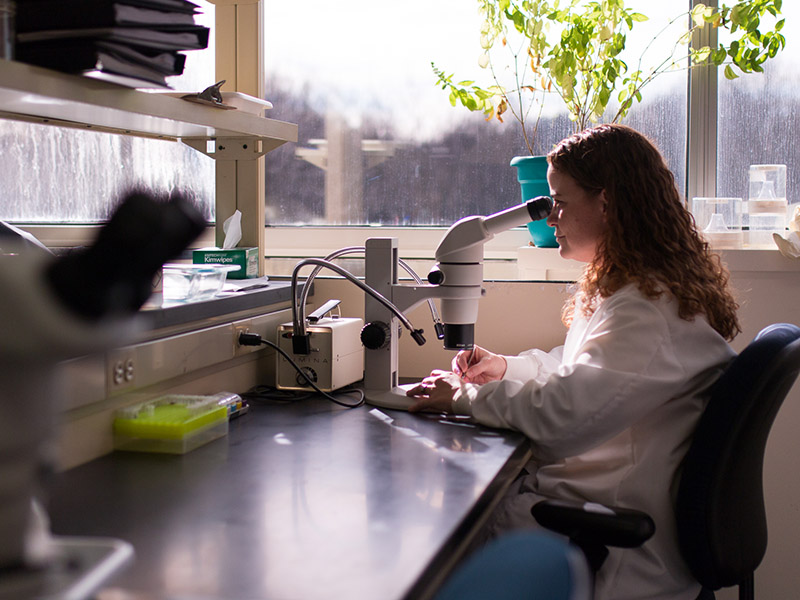
The Health Department uses an integrated approach to help protect people from diseases spread by mosquitoes and ticks. This includes collecting and analyzing mosquitoes and ticks, monitoring human cases of illness, and community education. County residents can also access these free services:
More Resources:
From Climate Matters, the blog of Fairfax County’s Office of Environmental and Energy Coordination.

From the Virginia Department of Health (VDH)
The Virginia Department of Health (VDH) was notified of a confirmed case of measles that traveled through Washington Dulles International Airport Tuesday, August 12. The confirmed case is a resident of another state. Health officials are coordinating an effort to identify people who might have been exposed, including contacting potentially exposed passengers on specific flights.
Listed below is the date, time, and location of the potential exposure sites in Virginia:
What should you do if you were at the above locations on the day and time specified?
Measles is a highly contagious illness that can spread easily through the air when an infected person breathes, coughs, or sneezes. Measles symptoms usually appear in two stages. In the first stage, most people have a fever of greater than 101 degrees, runny nose, watery red eyes, and a cough. These symptoms usually start seven to fourteen days after being exposed. The second stage starts three to five days after symptoms start, when a rash begins to appear on the face and spreads to the rest of the body. People with measles are contagious from four days before the rash appears through four days after the rash appeared.
Measles is preventable through a safe and effective MMR vaccine. Two doses of the vaccine are given to provide lifetime protection. Virginia has high measles vaccination rates, with approximately 95% of kindergarteners fully vaccinated against measles. However, infants who are too young to be vaccinated, and others who are not vaccinated, are very susceptible to infection if they are exposed to measles. Infants six months through 11 months of age who will be traveling internationally, or to an outbreak setting, should receive one dose of MMR vaccine prior to travel. Talk to your healthcare provider if you have questions about the MMR vaccine.
To check your immunization status, call your healthcare provider or request your vaccination records using the VDH Immunization Record Request Form. Virginia residents with additional questions about their potential exposure can email epi_response@vdh.virginia.gov or contact their local health department.
To date in 2025, Virginia has three reported cases of measles. For the latest information on measles cases and exposures in Virginia, please visit the VDH Measles website.