

Written by Patricia Greenberg, Invasive Plant Program Manager, Fairfax County Park Authority
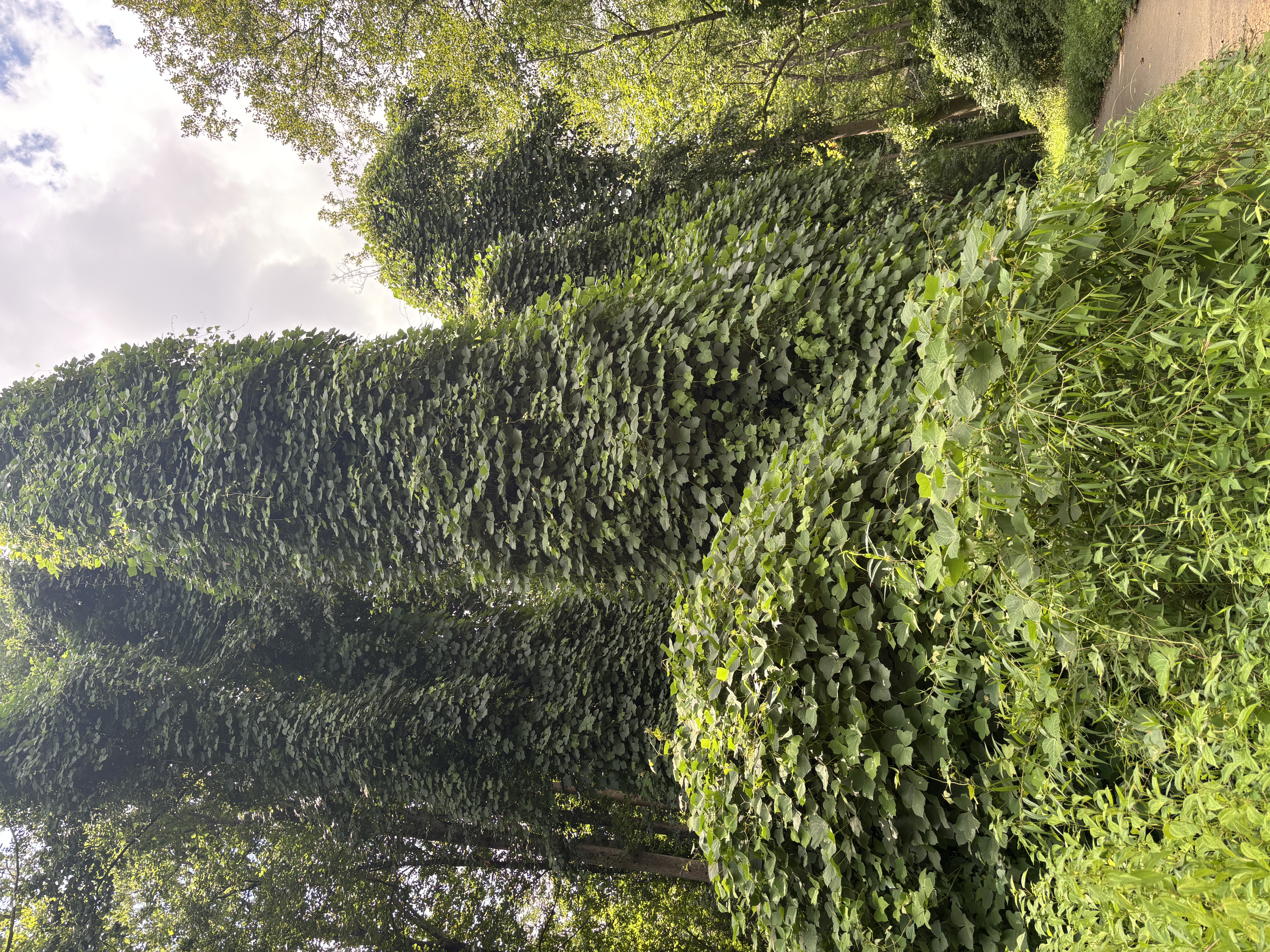
Have you ever driven down a highway and seen a thick wall of green plants along the road? Maybe it looks like curtains or even a big green sculpture. Many people see all that green and think, “That must be good!” and don’t think about it again.
But often, that green wall is not a healthy forest. It can be a mix of vines and other non-native invasive plants that are taking over and harming trees and forests.
What Are Invasive Plants?
Invasive plants are species that did not originally grow in this area. Humans brought them here, sometimes on purpose and sometimes by accident.
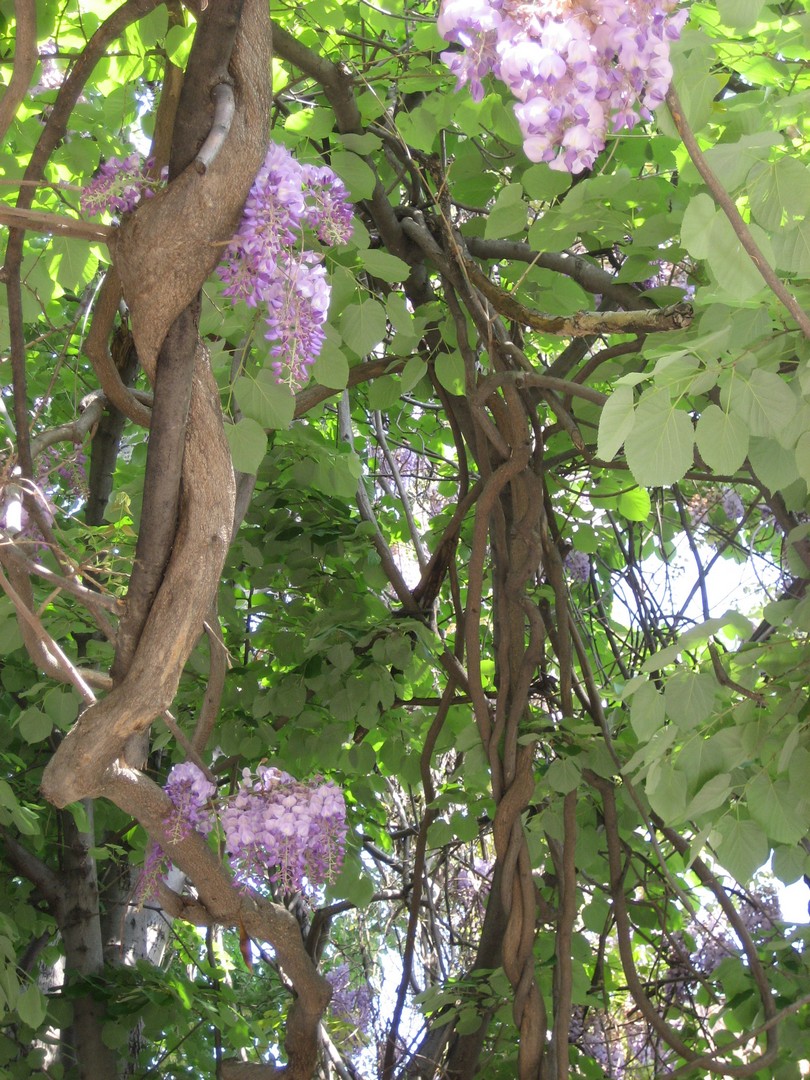
Some were planted because they look beautiful, like wisteria with its hanging purple flowers. Some were planted by the government as erosion control or bird food. Others arrived hidden in the soil of plant pots or in packing materials.
In their new homes, invasive plants usually don’t have natural enemies (like insects or animals that eat them). They can spread very fast, produce lots of seeds or roots, and push out the native plants that provide healthy food and safe shelter for wildlife.
Why Are Invasive Plants a Problem?
Invasive plants are popular for landscaping because they are cheap, easy to grow and able to survive in many different conditions. But many people do not realize they are planting invasive species. Landscapers may not know either, and they might not see what happens later in nearby forests and parks.
The effects are serious:
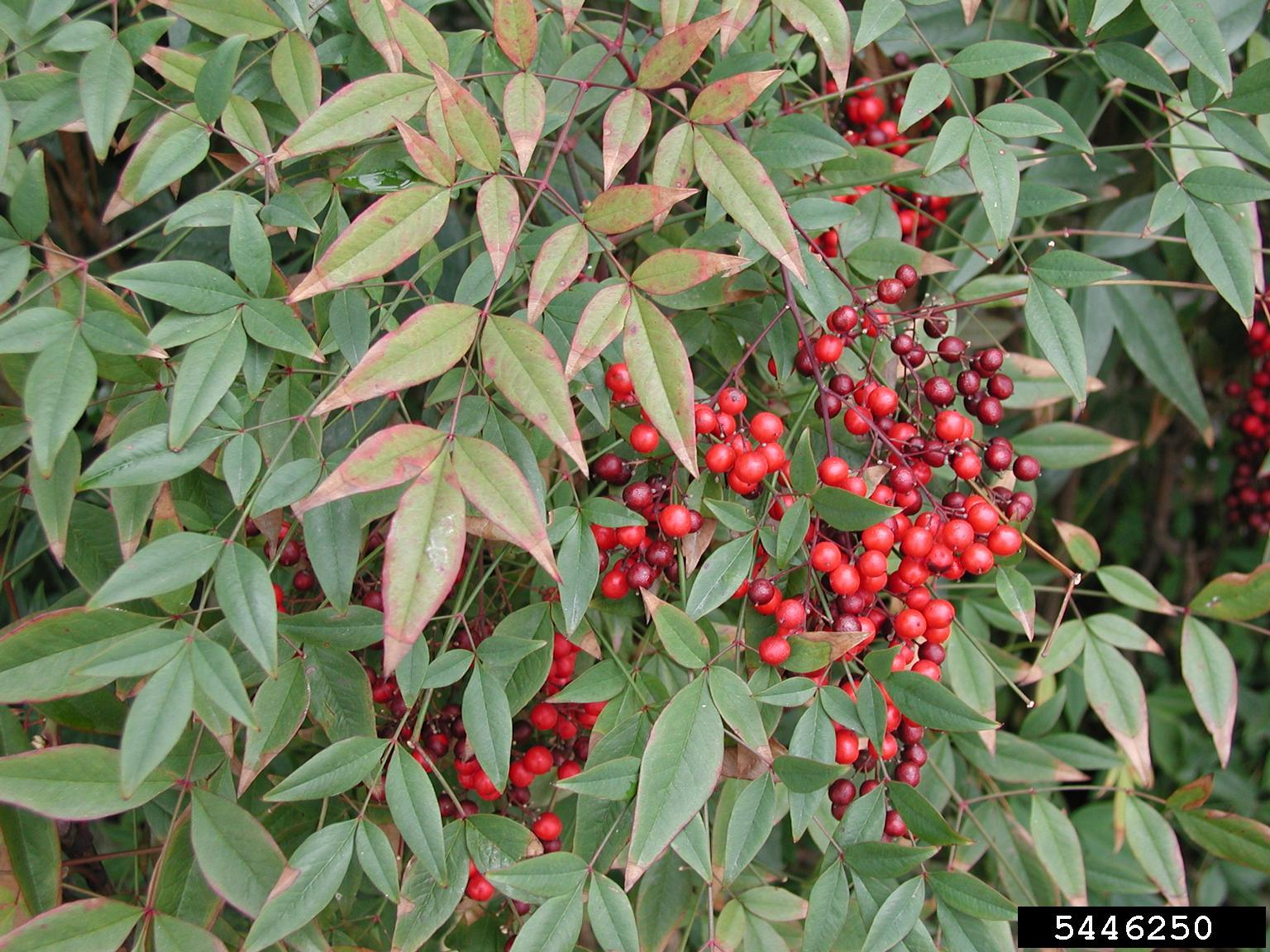
- Loss of songbirds – Scientists have found that the berries from many invasive plants are like junk food for birds and some like sacred bamboo can be toxic. They fill birds up but don’t give them the nutrients they need for migration.
- More Lyme disease – Areas full of invasive plants increase habitat for ticks, which can increase the risk of Lyme disease and other diseases spread by ticks.
- Loss of trees – Vines can climb up trees and smother them, blocking sunlight and adding heavy weight.
- Fewer native flora and fauna – When invasive plants spread, there are fewer native plants. That means fewer birds, fewer pollinators like bees and butterflies, and even fewer bats, which rely on insects that live on native plants. Bats may not eat plants, but they depend on the insects that live on native plants. When we lose native plants, we lose those insects, and bats lose their food.
What Can You Do?
Identify: First, you need to know what plants you have. You can use an app like iNaturalist to help identify plants in your yard, in your neighborhood or in nearby woods. If you find invasive plants on public land, you can report them to land managers such as the Fairfax County Park Authority (the largest landowner in the county). To report invasives spreading from Fairfax County parkland to your property, you can email parkmail@fairfaxcounty.gov
Remove: Once you know which plants are invasive, you can start removing them. Follow the step-by-step guides on the county’s Managing Invasive Species webpage. Learn safe ways to pull, cut or treat invasive plants so they don’t grow back. You need permission before removing non-native invasive plants in a protected area called the Resource Protection Area (RPA), which is usually near a stream or waterway. This rule applies no matter how small the area is.
Plant Natives: Replacing invasive plants with native plants helps restore balance. Native plants are the species that naturally grow in this region. They provide healthy food and shelter for wildlife, including birds, pollinators, and insects throughout the year. You can find native plants at many nurseries and large stores. Earth Sangha, a nonprofit partner of Fairfax County, is a great source for local native plants.
Volunteer: If you want to learn more and help with managing invasive plants, the Park Authority offers a great opportunity to volunteer with training and tools included. In 2026, the Invasive Management Area Volunteer Program celebrates 20 years of volunteering to help restore healthy wildlife habitat through the removal of invasives and the planting of natives. Join the IMA Program in the second annual Tree Rescue Extravaganza. Tree rescues will take place all around the county from October 3 - November 1, 2026.
Restore: The Park Authority also runs programs like Helping Our Land Heal and Landscape Legacy and Stewardship to improve parkland. These programs remove invasive plants, plant native trees, shrubs, and groundcovers like wildflowers, which restore wildlife habitat so native species can return and thrive.
Homeowners and homeowners' associations can also restore their own land. Organizations like Fairfax Tree Rescuers PRISM offer grants for community groups to help them get started on removing invasive plants. By working with community groups and using available resources, neighborhoods can help build a healthier environment for everyone.
We share this planet with many other living beings. When we protect native plants and remove invasive ones, we support birds, insects, mammals, and people too.
If you have questions or want to report invasive plants spreading from Fairfax County Park Authority land, email: FCPAInvasiveManagement@fairfaxcounty.gov
Patricia Pearl Greenberg is the Ecologist III/Invasive Plant Management Program Manager for the Fairfax County Park Authority. She holds a master’s degree from George Mason University in environmental science and policy with a focus on urban forestry and ecological restoration. Patricia’s experience in Peace Corps, Panama increased her passion for sustainable, community-based ecosystem management and protecting the global forest. She is an ISA Certified Arborist, Wildland Firefighter for prescribed burns, and a Certified Pesticide Applicator. Patricia loves hanging out outdoors with her son.
Climate Matters is the blog of Fairfax County’s Office of Environmental and Energy Coordination, where we share stories, insights and information related to climate change and environmental sustainability. Posts are written by knowledgeable and passionate OEEC staff members and guest authors. To read all blog posts, visit Climate Matters.