
Written by Prabhjot Usmani, Sustainability Analyst, Solid Waste Management Program
This blog post kicks off a continuing series highlighting programs and initiatives supported by the Plastic Bag Tax, a five-cent fee on disposable bags designed to reduce plastic pollution. Over 7 million fewer plastic bags have been used since the tax took effect in January 2022. Revenue from the tax helps fund community-based litter clean-up efforts and environmental education initiatives like this one.
This summer marked the launch of the county’s first-ever Zero Waste Ambassadors program, an exciting new teen engagement and empowerment initiative developed by the Solid Waste Management Program (SWMP) at Department of Public Works and Environmental Services, in partnership with Neighborhood and Community Services (NCS). Over 10 weeks, high school students explored how recycling and solid waste systems work behind the scenes and learned how to help their communities recycle right.
Below, Prabhjot Usmani with SWMP shares more about how the program came together and what the inaugural cohort experienced.
For those hearing about it for the first time — what is the Zero Waste Ambassadors program?
This is a 10-week teen engagement and empowerment program hosted through the NCS Teens in Action summer program. We teach teen participants the basics of recycling, general solid waste processes, and zero waste practices. The goal is to empower them to educate their peers and community members on how to recycle correctly. After completing a final project, the teens receive a certificate recognizing them as Zero Waste Ambassadors, along with a stipend.
How did this partnership with Neighborhood and Community Services (NCS) come about?
When SWMP initially applied for plastic bag tax funding, the plan was to partner with local nonprofits along Route 1 that engage youth. Those partnerships unfortunately fell through due to extenuating circumstances. We reached out to Herb Williams, Assistant Director for Adult and Family Programs at Lorton Community Center, to see if the curriculum could be offered through community centers instead, and he helped us reshape the program to fit NCS’s needs. NCS staff have been, and continue to be, dedicated and wonderful partners.
Where did the program take place, and who participated?
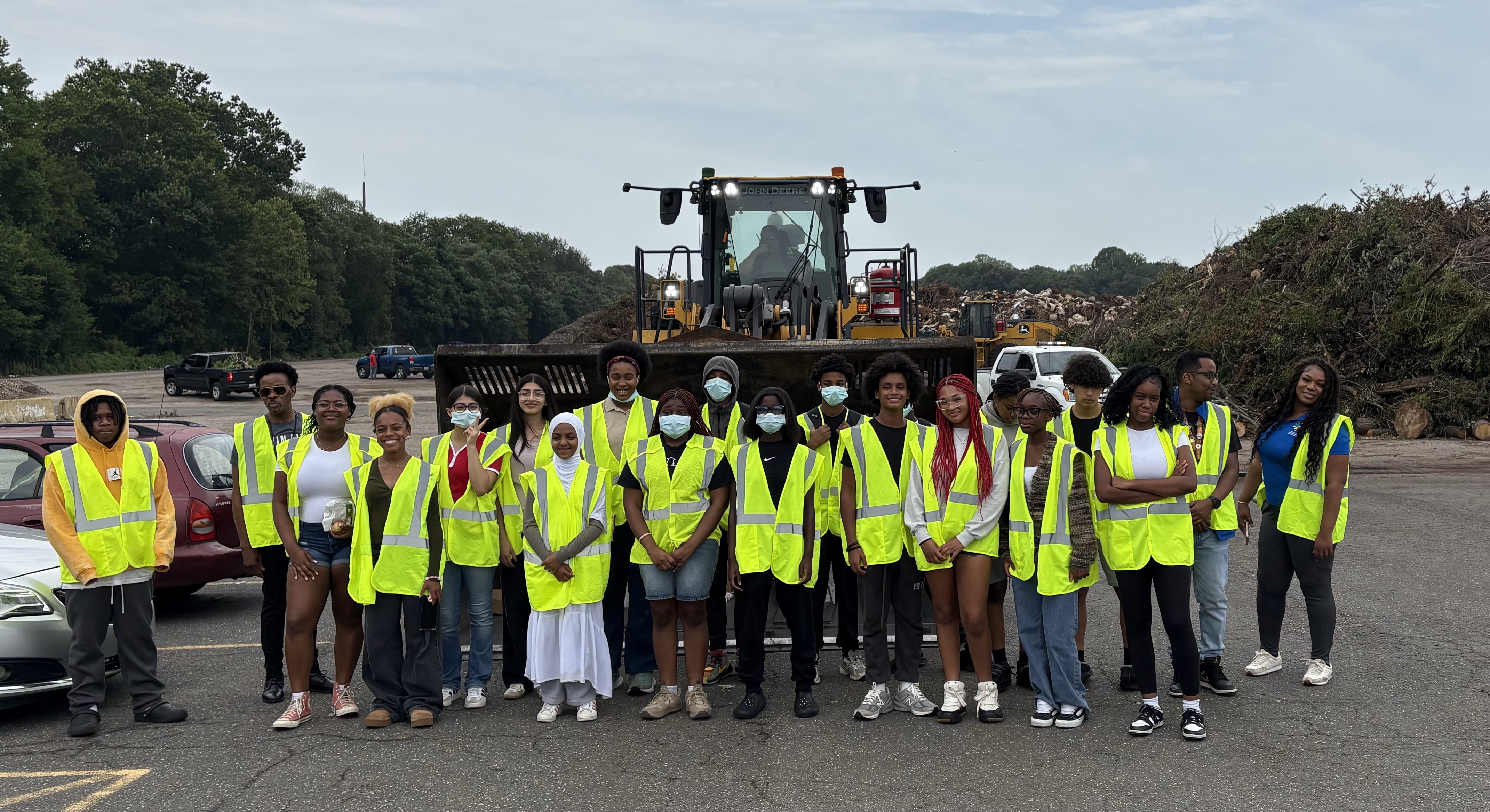
The program was offered at three community centers this summer: Lorton, Gum Springs, and Hybla Valley. This year’s cohort included 42 participants. Participants range across high school grade levels, with the youngest having just finished their freshman year when the program started in June 2026. Teens come from schools across the county, not just the neighborhoods surrounding the centers. For some, it was their first time visiting a community center; others were already familiar faces.
What were the class sessions like for the students?
Students met weekly to explore different recycling and solid waste topics. Some sessions focused on the basics of the three waste streams — garbage, recycling and compost — while others covered the various solid waste processing facilities owned or operated by the county and beyond. We tried to keep sessions interactive, leading live “Kahoot!” quizzes and hands-on sorting games so teens can practice identifying which items belong in which waste stream.
What kinds of hands-on experiences are built into the program?
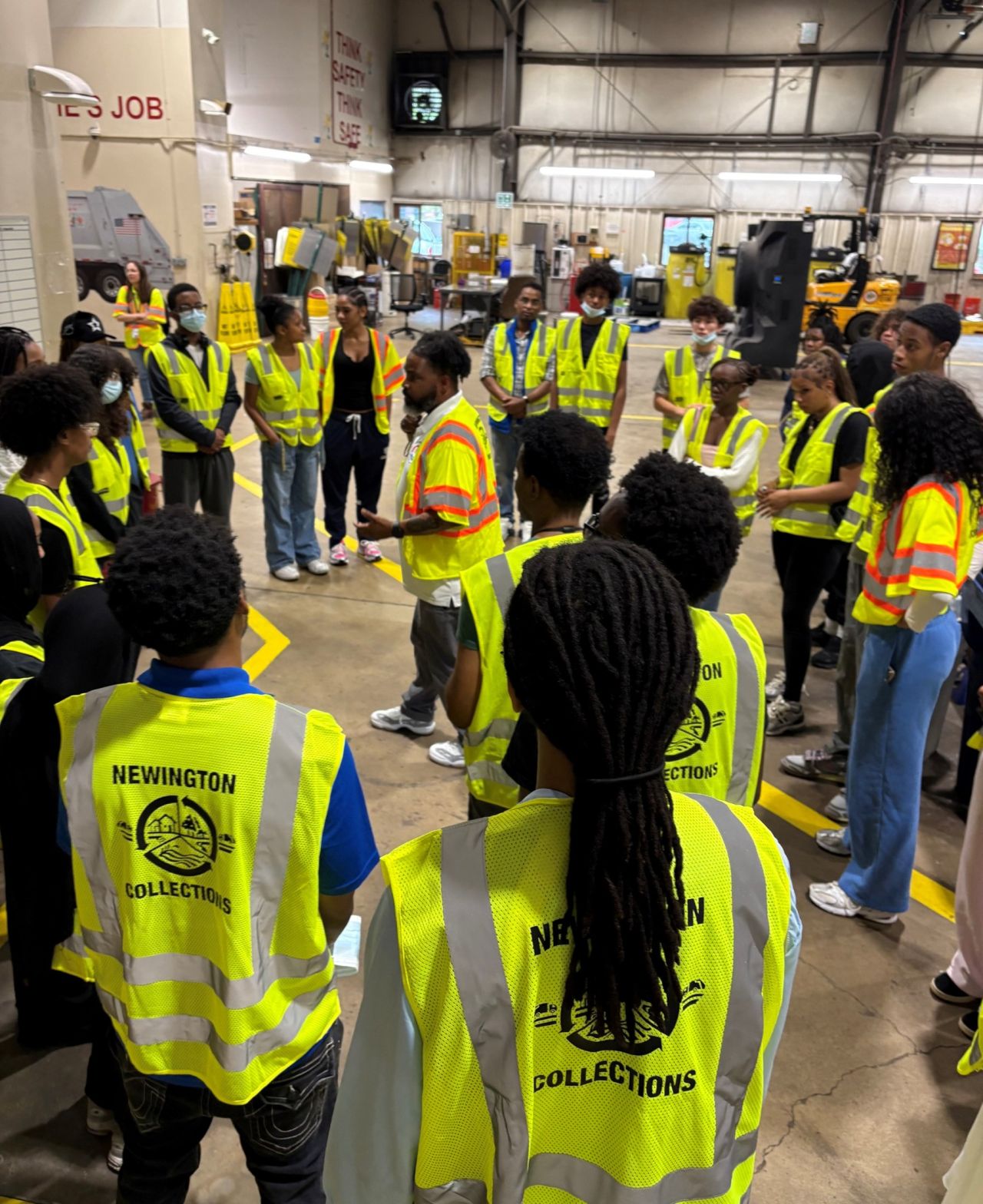
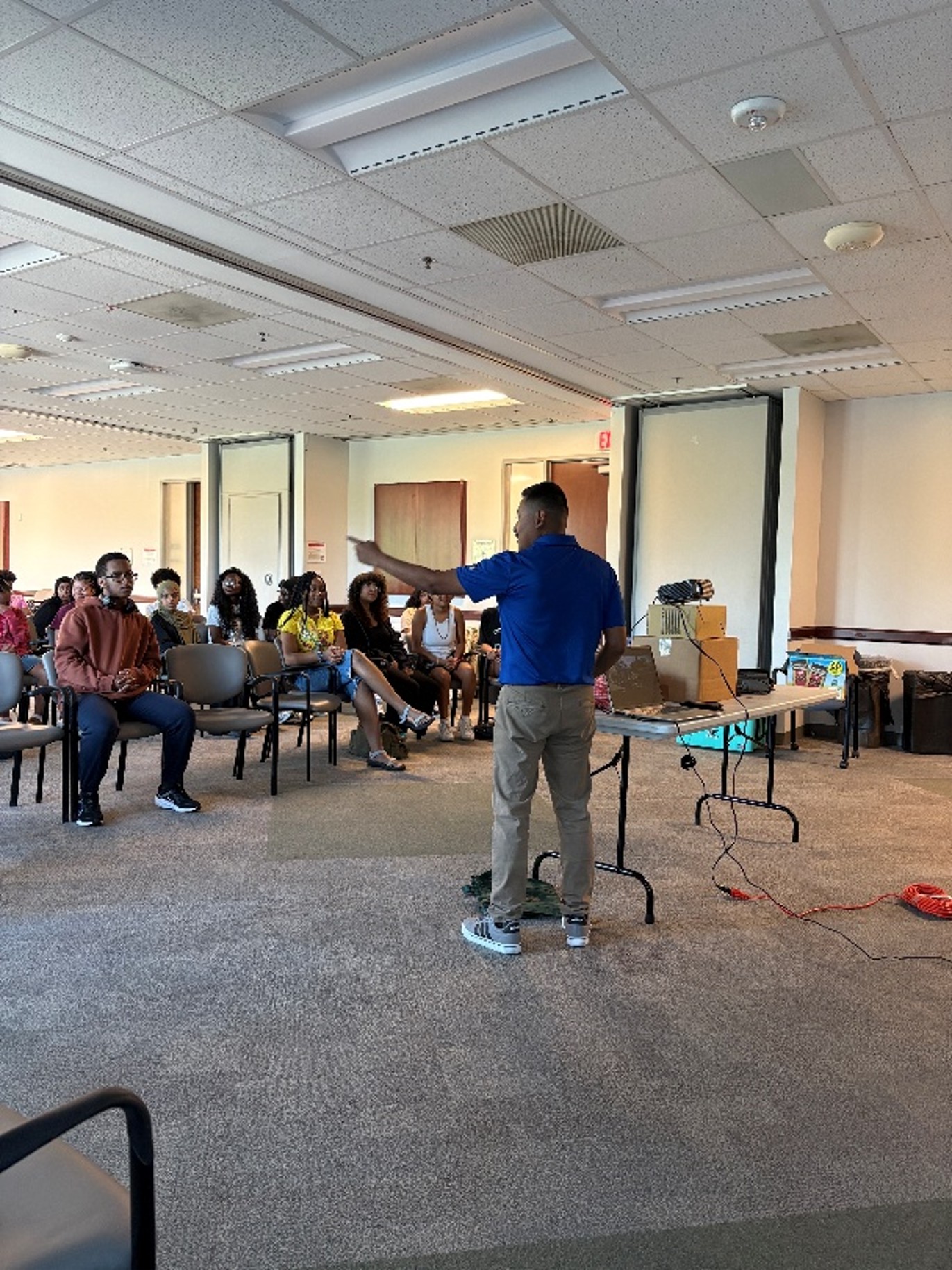
A key part of the program is showing teens that recycling and solid waste don’t end at the curbside bin. To illustrate this, we invited Arturo Campos from the American Recycling Center materials recovery facility to explain how recycling is processed. The teens also took field trips to the SWMP Newington Facility, where operations staff explained everything from equipment maintenance and landfill management to routing technology and accounting. Additional trips to the Prince George’s County Materials Recovery Facility and Composting Facility helped drive home the importance of proper recycling.
During class sessions, students sorted bags of clean waste into the correct streams. Their final project was a waste audit of their community center, an applied, hands-on team project requiring them to use what they’ve learned to propose solutions that improve recycling and reduce contamination.
Can you tell us more about the student art projects and the collaboration with ArtsFairfax?
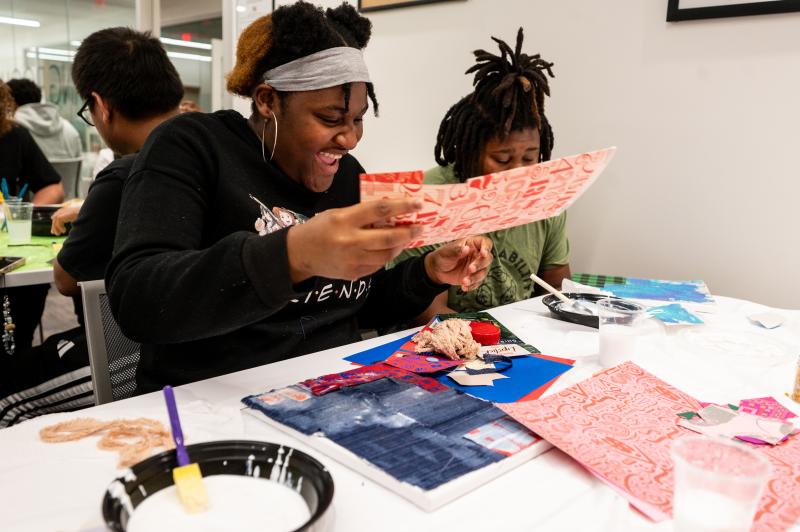
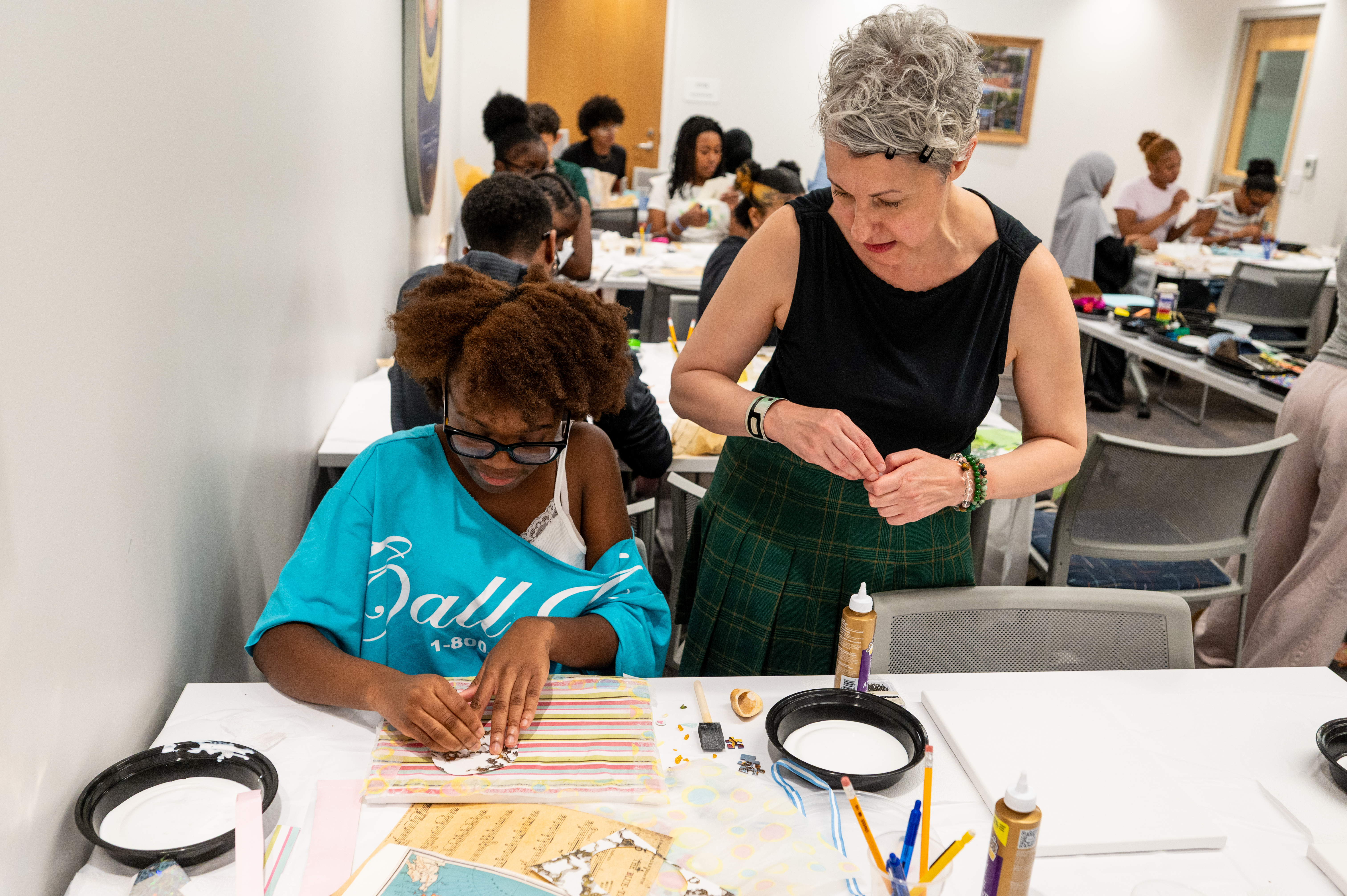
SWMP worked with ArtsFairfax in 2025 on the Solid Waste Truck Art Design Contest, where Fairfax County students submitted artwork to be featured on collection trucks. It was a great experience, and I knew I wanted to continue that collaboration. I approached ArtsFairfax about a one-day art project that would use reused materials —something the teens could create and take home — but I wasn’t sure where to begin. I wanted to weave art into the program so the teens could experience zero waste through a more creative lens.
ArtsFairfax and SWMP ultimately co hosted a one day workshop led by local mixed media artist Eleftheria Easley, who guided the teens in making collages on canvas using supplies from a local second hand art store. The participants told staff during and after the workshop that they enjoyed the relaxed setting, the chance to create something personal, and the opportunity to connect with their cohort through art.
Beyond solid waste knowledge, what other skills are students developing?
The final project builds students’ analysis and evaluation skills. For example, they examined where waste bins are placed and evaluated whether those locations affect the waste stream contents and contamination levels. Through field trips, we also highlight that solid waste management relies on many different talents, skills and educational backgrounds. There are many possible career paths, like mechanics, accountants, environmental scientists and more!
What surprised you or stood out during this first summer?
I was surprised by how disconnected teens were from the waste stream once they throw something into a bin. I knew the field trips would help, but I underestimated their impact. At one facility, several students exclaimed, “EWWW, it smells awful!” and I responded, “Well, this is your garbage!” Their facial expressions were priceless, and it showed just how eye-opening this experience was for them.
What’s next for the program?
As we were wrapping up this summer’s session, I was already thinking about how to strengthen the program next year. I’ve been blown away by the support and recognition it has received from county departments and partners, including OEEC. I’m brainstorming ways to expand the curriculum to better connect zero waste principles with concepts like ecological restoration, climate change and more.
Our partnership with NCS will continue, and the next session will launch in spring/summer 2027. In the meantime, SWMP is working with ArtsFairfax on a longer-term art project that will engage the first cohort of Zero Waste Ambassadors in a deeper creative exploration of sustainability.
Prabhjot Usmani joined the Solid Waste Management Program as a Sustainability Analyst in 2024 and manages the ZW Ambassadors program, composting pilot projects, and assists in waste reduction programs. Prabhjot has worked in the solid waste industry for 7 years. She graduated from Syracuse University in 2018 with degrees in International Relations and Energy & Its Impacts and she began her career recycling and solid waste management where she worked for the County of San Mateo and City of San Jose in California.
Climate Matters is the blog of Fairfax County’s Office of Environmental and Energy Coordination, where we share stories, insights and information related to climate change and environmental sustainability. Posts are written by knowledgeable and passionate OEEC staff members and guest authors. To read all blog posts, visit Climate Matters.