Fairfax County, Virginia
Fairfax County Virginia

FFX Global Navigation

    • Stormwater Management Home
    • Report a Problem
    • Flooding
    • Storm Drainage System
    • Plans, Projects and Restorations
    • On My Property
    • Maintenance and Inspections
    • Water Quality
    • Pollution Prevention and Reporting
    • Watershed Education and Outreach
    • Maps, Publications and Reports
    • News, Videos and Podcasts
    • Stormwater FAQs
    • Public Works & Environmental Services
      • Public Works Homepage
      • Contact Us
      • Report a Problem
      • Capital Projects
      • Recycling and Trash
      • Stormwater Management
      • Trees and Urban Forest Management
      • Wastewater Management
      • Educational Resources for Teachers and Students
      • News
      • Jobs
      • Volunteering
  • Residents
    • Animals & Pets
      • Adoptions
      • Animal Control & Regulations
      • Guide to Dogs
      • Lost & Found Pets
      • Shelter Support & Supplies
      • Wildlife
      • More
      Courts & Legal
      • Case Information
      • Circuit Court Docket
      • Jury Duty
      • Land Records
      • Magistrate
      • Public Law Library
      • Self-Help Resources
      • Traffic Court
      • Vital Records
      • More
      Environment & Energy
      • Invasive Species
      • Litter
      • Recycle, Trash & Compost
      • Sustain Fairfax
      • Trees
      • Watersheds
      • More
      Health & Human Services
      • Basic Needs & Assistance
      • Disability Services
      • Diseases & Conditions
      • Domestic & Sexual Violence
      • Health Clinics
      • Mental Health
      • Opioids
      • More
      Individuals & Families
      • Children & Youth
      • Federal Workforce
      • Immigrants
      • Military & Veterans
      • New Residents
      • Older Adults
      • Parents
      • People with Disabilities
      • Volunteers
      • More
      Land Use & Planning
      • Comprehensive Plan
      • County Capital Projects
      • Land Records
      • Parks Planning
      • Planning Projects
      • Research Tools
      • Transportation Projects
      • Urban Centers
      • More
      Library & Education
      • Adult Education
      • Early Childhood Programs
      • Library Branches
      • Library Catalog Search
      • Public Schools
      • More
      Parks & Recreation
      • Arts
      • Athletic Fields
      • Camps
      • Community Centers
      • Parktakes Classes
      • Rec Centers
      • Senior Centers
      • Teen Centers
      • Trails
      • More
      Permits & Licenses
      • Birth & Death Certificates
      • Building
      • Child Care
      • Dogs
      • Health
      • Marriage
      • Park Use
      • Solicitors
      • More
      Property & Housing
      • Affordable Housing
      • Code & Zoning
      • Neighborhoods
      • Real Estate Values
      • Recycling & Trash
      • Tenant Landlord Issues
      • Utilities
      • More
      Public Safety & Emergencies
      • 9-1-1
      • Emergency Preparedness
      • Fire & Rescue
      • Gun Violence Prevention
      • Police
      • Scams
      • Sheriff
      • Storm Center
      • More
      Roads & Commuting
      • Bike & Walk
      • Connector Bus
      • Metrobus & Metrorail
      • Park & Ride
      • Pedestrian Safety
      • Road Maintenance/VDOT
      • Street Parking
      • Toll Roads
      • Transportation Projects
      • More
      Taxes & Fees
      • Car Taxes
      • Park Fees
      • Real Estate Taxes
      • Tax Relief
      • Trash Disposal Fees
      • More
      Voting & Elections
      • Absentee Voting
      • Early Voting
      • Election Results
      • Polling Places
      • Voter Registration
      • More
      Weather & Climate
      • Air Quality
      • Climate Action Dashboard
      • Extreme Heat
      • Floods
      • Ready Fairfax
      • Resilient Fairfax
      • Snow
      • Tornadoes
      • More
  • Business
    • Business & Construction
      • Building Permits
      • Code & Zoning
      • Land Use
      • More
      Business Services
      • Business Emergency Preparedness
      • Business Taxes
      • Consumer Services
      • Employer Transportation Service
      • Green Business Partners Program
      • Home-Based Business
      • Regulation & Licensing
      • Small Business
      • Starting a Business
      • Workplace Issues
      • More
      Doing Business with Fairfax
      • Contracting and Procurement
      • Current Solicitations
      • Permits
      • Vendor Pitch Portal
      • More
  • Government
    • About
      • Codes & Standards
      • Countywide Strategic Plan
      • Facilities & Locations
      • History of Fairfax County
      • Operating Status
      • More
      Board of Supervisors
      • Auditor
      • Board Members
      • Boards, Authorities & Commissions
      • Clerk Services
      • Committees
      • Meetings & Agendas
      • More
      Budget & Finance
      • Bonds
      • Budget
      • Financial Transparency
      • Unclaimed Money
      • More
      Departments & Agencies
      Jobs & Employment
      • Full-Time Openings
      • Internships
      • Seasonal & Non-Merit
      Maps & Data
      • Countywide Data Analytics
      • Demographics
      • Geographic Information Systems
      • Interactive Data Tools
      • More
      One Fairfax
      • Digital Equity
      • Inclusive Engagement
      • Trust Policy
  • Fairfax County Virginia
  • Services
    • Find
      • Animal Services
      • Health Clinics
      • Jobs
      • Library Resources
      • Lost or Found Pet
      • Mental Health Support
      • Park Classes
      • Real Estate Values
      • Recycling & Trash
      • Volunteer Opportunities
      • More
      Pay
      • Business Taxes
      • Car Taxes
      • Dog Licenses
      • Driving & Parking Fines
      • False Alarm Fees
      • Real Estate/Property Taxes
      • SACC Payments
      • More
      Register/Apply
      • Basic Needs & Assistance
      • Building Inspections
      • Car Registration
      • Fairfax Alerts
      • Permits & Licenses
      • Tax Relief
      • Vote
      • More
      Report
      • Animal Control Issues
      • Consumer Complaints
      • Crime
      • Domestic Violence
      • Financial Crimes
      • Neighborhood Complaints
      • Road Issues to VDOT
      • Street Light Outages
      • More
  • Connect
    • Alerts, Emails & Apps
      • Email Subscriptions
      • Fairfax Alerts
      • Mobile App
      • More
      Community Engagement
      • Surveys & Projects
      Contact
      • Directory
      • Hotlines & Emergency Numbers
      • VDOT
      • VFOIA Requests
      • More
      News & Events
      • Daily Headlines
      • Emergency Information Blog
      • Events Calendar
      • NewsCenter
      • NotiCentro (Spanish)
      • Public Meetings Calendar
      • More
      Social Media
      • Comments Policy
      • Directory of Accounts
      • More
      TV, Video & Podcasts
      • Channel 16
      • Podcasts & Radio
      • YouTube
      • More
  • TRANSLATE
    • Language Selection

      To change the language of this website, click the drop-down list and select the desired language. The Fairfax County Web site is being translated through "machine translation" powered by Google Translate. Disclaimer

Public Works and Environmental Services

  1. Home
  2. Public Works and Environmental Services
  3. How is Stream Restoration Done?

Public Works and Environmental Services Alert:

CONTACT INFORMATION: Our offices are open to the public by appointment only at this time. Please call or email 8 a.m. - 4:30 p.m., Monday - Friday
703-324-5033 TTY 711
wwwdpwes@fairfaxcounty.gov
12000 Government Center Parkway
Suite 448 Fairfax, VA 22035
@ffxPublicWorks
Christopher S. Herrington
Director

Department Resources

  • Stormwater Management Home
  • Report a Problem
  • Flooding
  • Storm Drainage System
  • Plans, Projects and Restorations
  • On My Property
  • Maintenance and Inspections
  • Water Quality
  • Pollution Prevention and Reporting
  • Watershed Education and Outreach
  • Maps, Publications and Reports
  • News, Videos and Podcasts
  • Stormwater FAQs
  • Public Works & Environmental Services
    • Public Works Homepage
    • Contact Us
    • Report a Problem
    • Capital Projects
    • Recycling and Trash
    • Stormwater Management
    • Trees and Urban Forest Management
    • Wastewater Management
    • Educational Resources for Teachers and Students
    • News
    • Jobs
    • Volunteering

Related Resources

  • Interactive Maps
    • FEMA Special Flood Hazard Areas
    • Flood Risk Awareness
    • Leaf Collection Areas
    • Stormwater Infrastructure
    • Stormwater Capital Projects
    • Walkway Maintenance
    • Watersheds
    • Does Fairfax County Pick Up My Trash?
  • DPWES Forms
  • Road Maintenance
  • Sidewalks and Trails
  • Storm Drains/Sewers
  • Streetlights
  • facebook
  • twitter
  • instagram
  • youtube
  • linkedin

How is Stream Restoration Done?

Accotink Creek @ Wakefield Park Stream Restoration
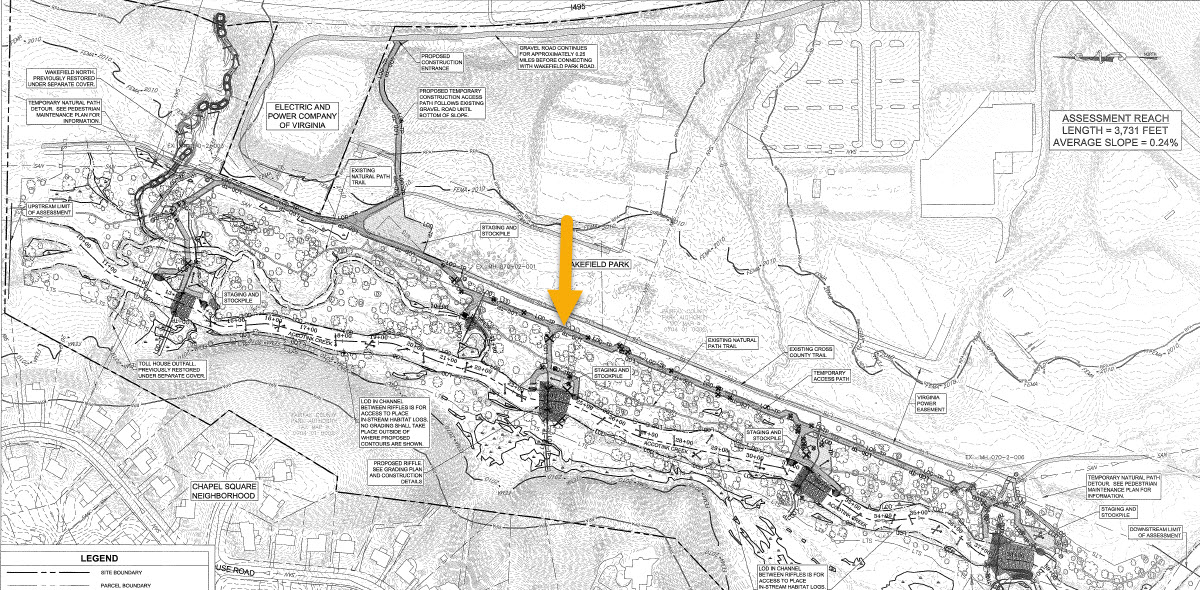
Accotink Creek @ Wakefield Park Stream Restoration

Vegetative Community Inventory
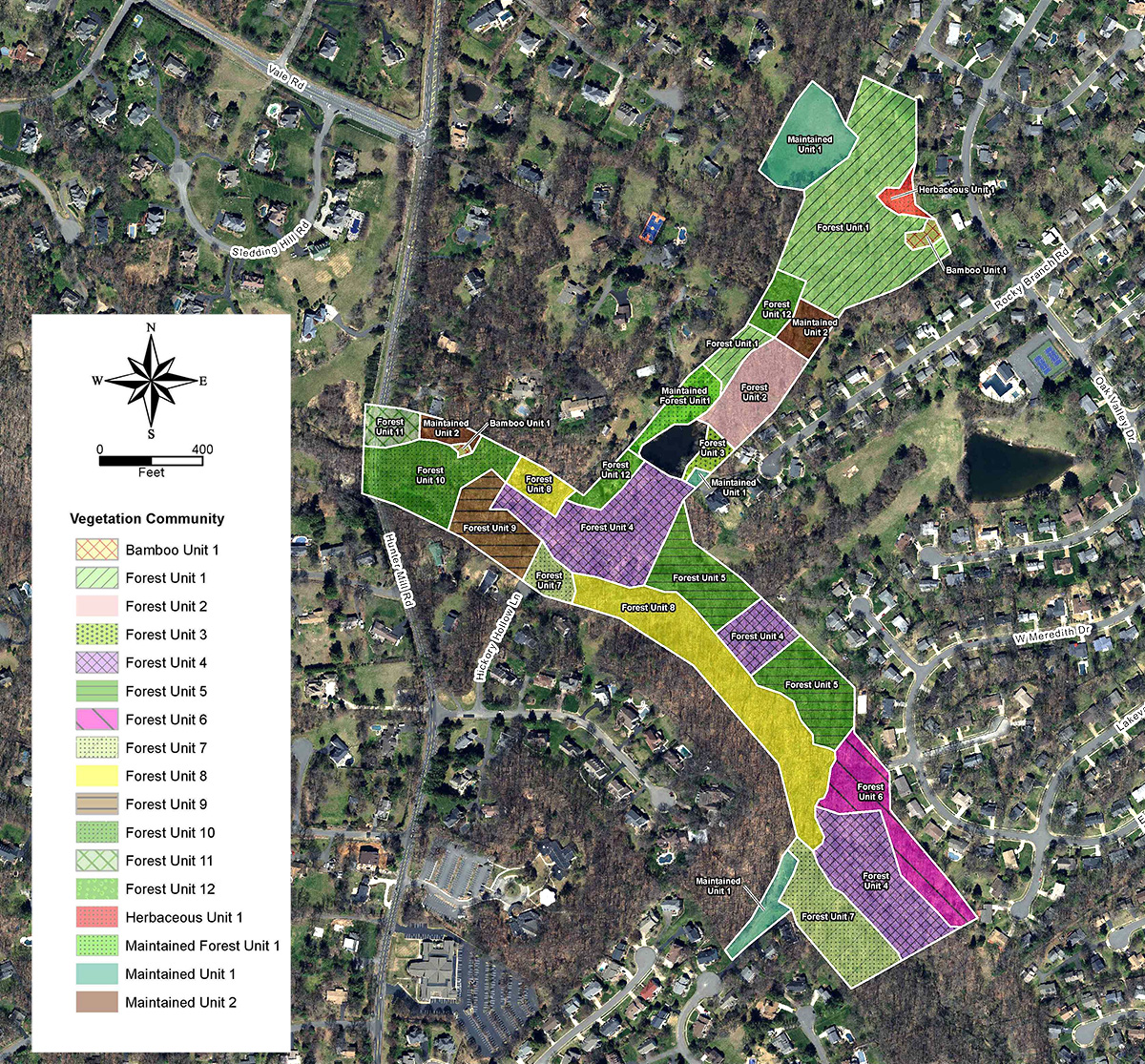
Vegetative Community Inventory

Stream Restoration Categories

Stream restoration methods can be divided into two main categories:

  1. Functions-Based Restoration - This approach aims to make the stream healthier without changing its shape.
  2. Form-Based Restoration - This approach changes the shape of the stream to better handle storm flows and sediment.

Deciding whether to use a Functions-Based or Form-Based approach depends on several factors, including the project's location, the amount of development around the stream, how much runoff the stream gets, the condition of the forest around the stream, the needs of the people who live nearby, and the project's goals.

Methods to fix damaged stream channels

Fairfax County uses different methods to fix damaged stream channels. Like many places in the mid-Atlantic region, stream restorations here often use Natural Channel Design. This method creates a stable stream channel that can handle heavy storm flows and protect roads, bridges, and other infrastructure without eroding. It effectively reduces sediment and nutrients in the stream and usually needs little to no maintenance when it's built well.

Restoration methods include:

Method Type
Natural Channel Design Form-Based
Newbury Riffles Functions-Based
Regenerative Stormwater Conveyance Form-Based
Beaverdam Analog Functions-Based
Stage Zero Form-Based
Large Woody Debris Jams Functions-Based

Stream Functions Pyramid, 2012

Stream Functions Pyramid - 1 Hydrology, 2 Hydraulic, 3 Geomorphology, 4 Physicochemical, 5 Biology

The Stream Functions Pyramid is a tool that experts use to understand what happens in streams. They look at how much water flows through the stream and if it's causing erosion. They also check what types of soil and rocks are there, if the water is clean or polluted, and what kinds of animals live there and their habitats. By measuring these things beforehand, they can make a plan to improve the stream and later see if their plan worked.

Functions-Based Restoration

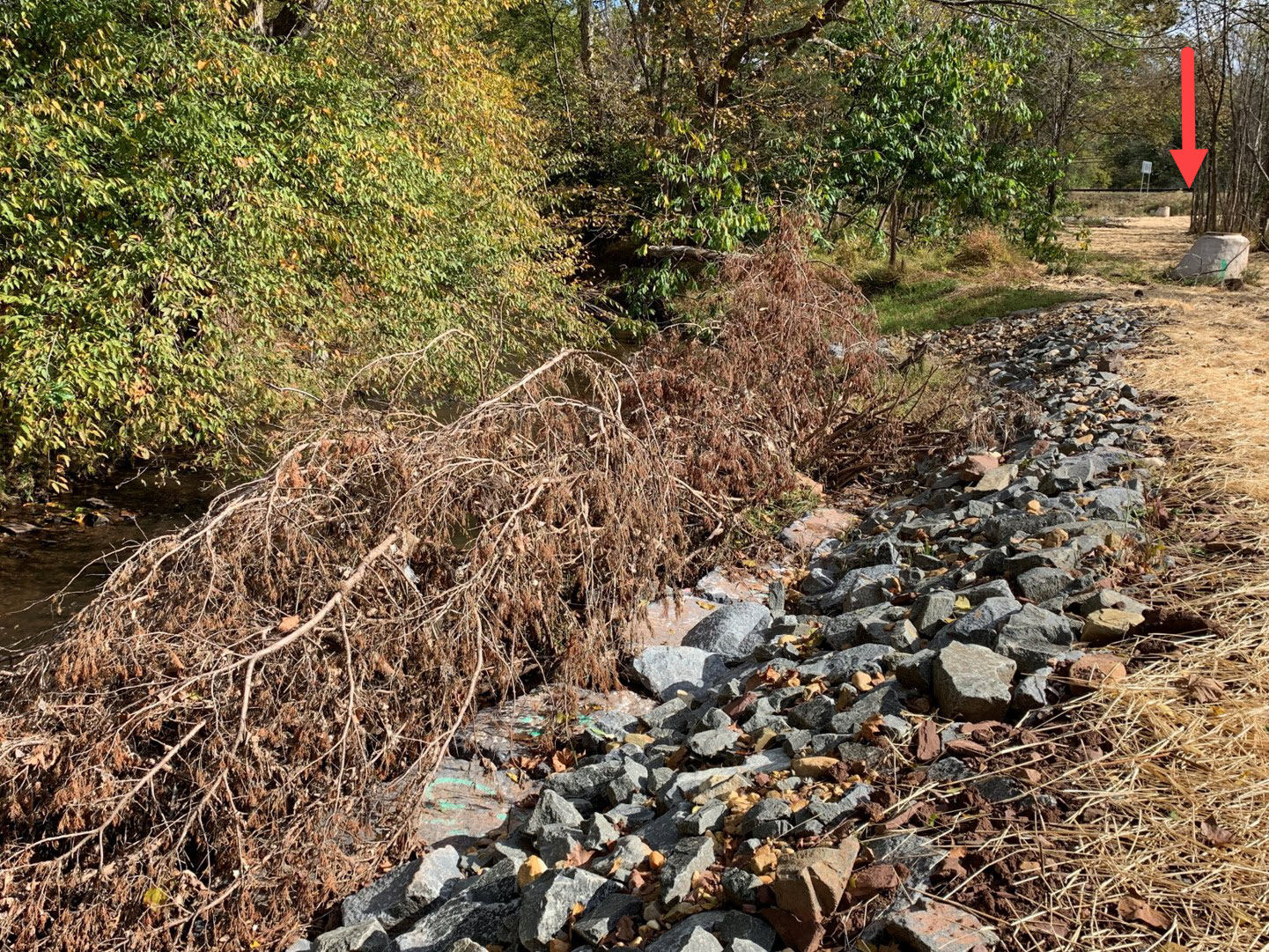
Accotink Creek @ Wakefield Park Stream Restoration

Project Overview:

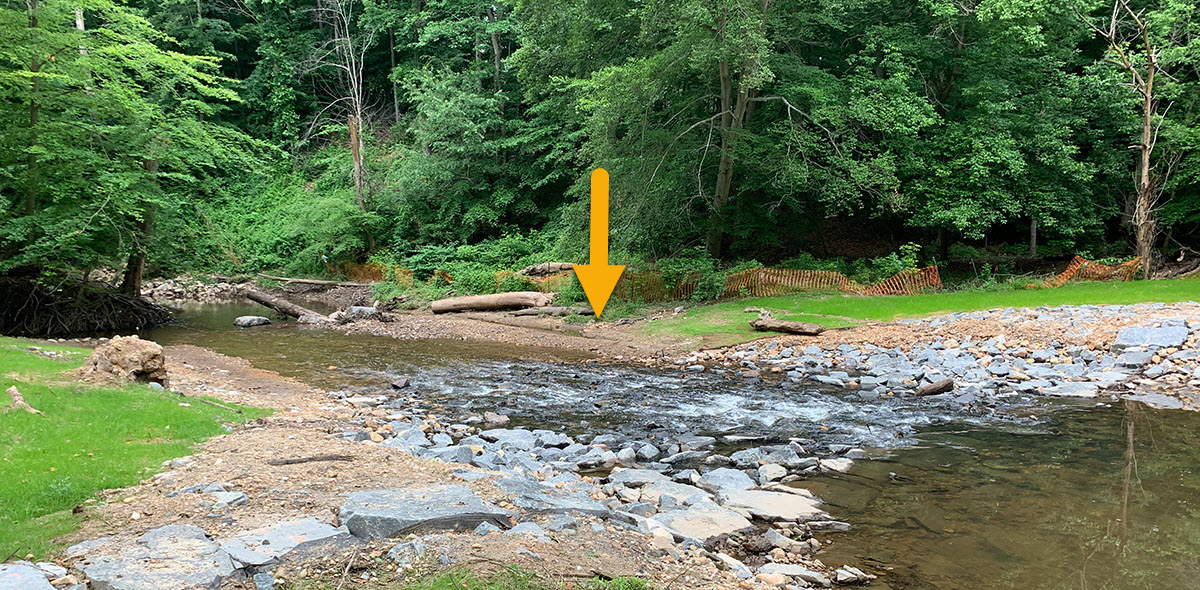
  • Project uses 4 Newbury Riffles to stabilize about 1 mile of stream
  • Significantly lower tree loss and land disturbance
  • Preservation of good quality habitat both in stream and floodplain
  • Much lower project costs
Accotink Creek @ Wakefield Park Stream Restoration map showing Newbury Riffles
Accotink Creek @ Wakefield Park Stream Restoration map showing Newbury Riffles.
Click image to enlarge.
Newbury Riffles
Newbury Riffles
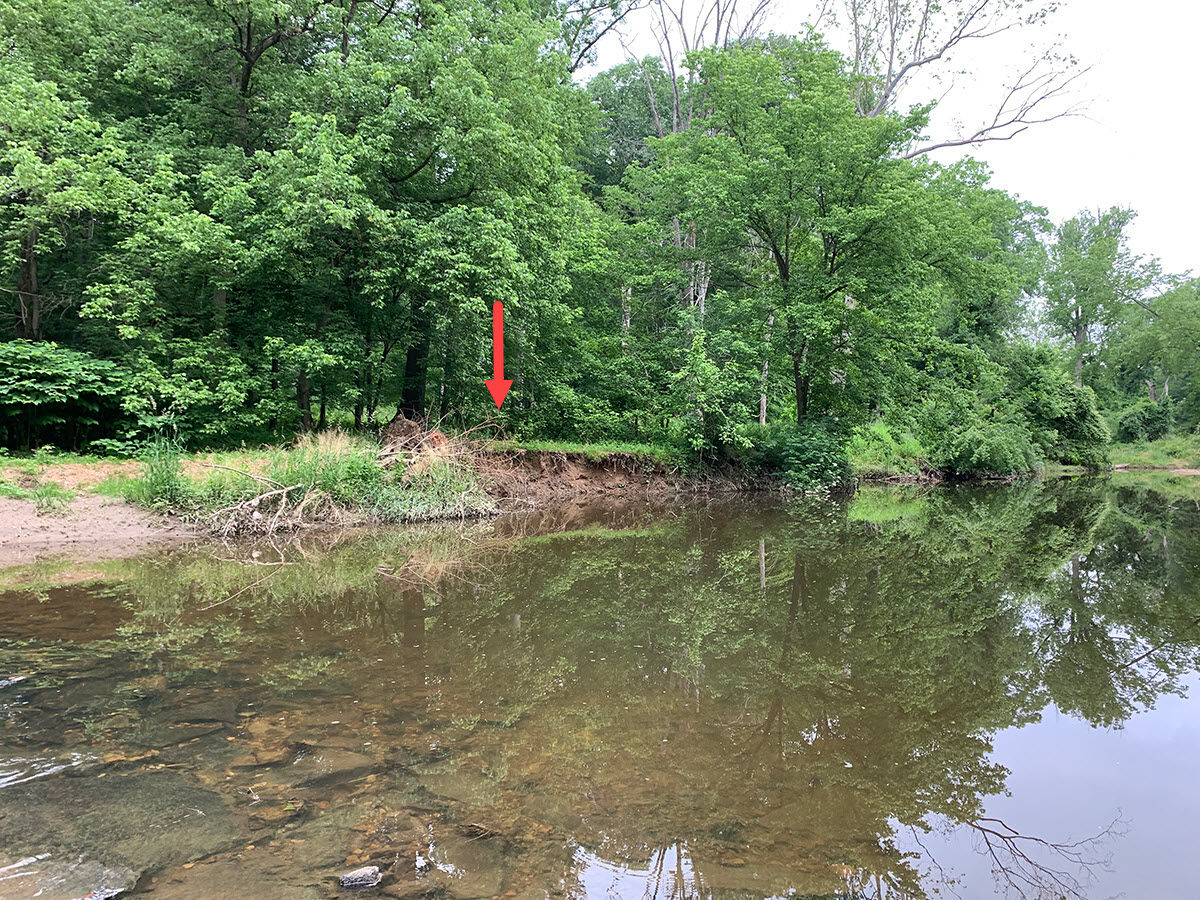
Eroding bank before construction
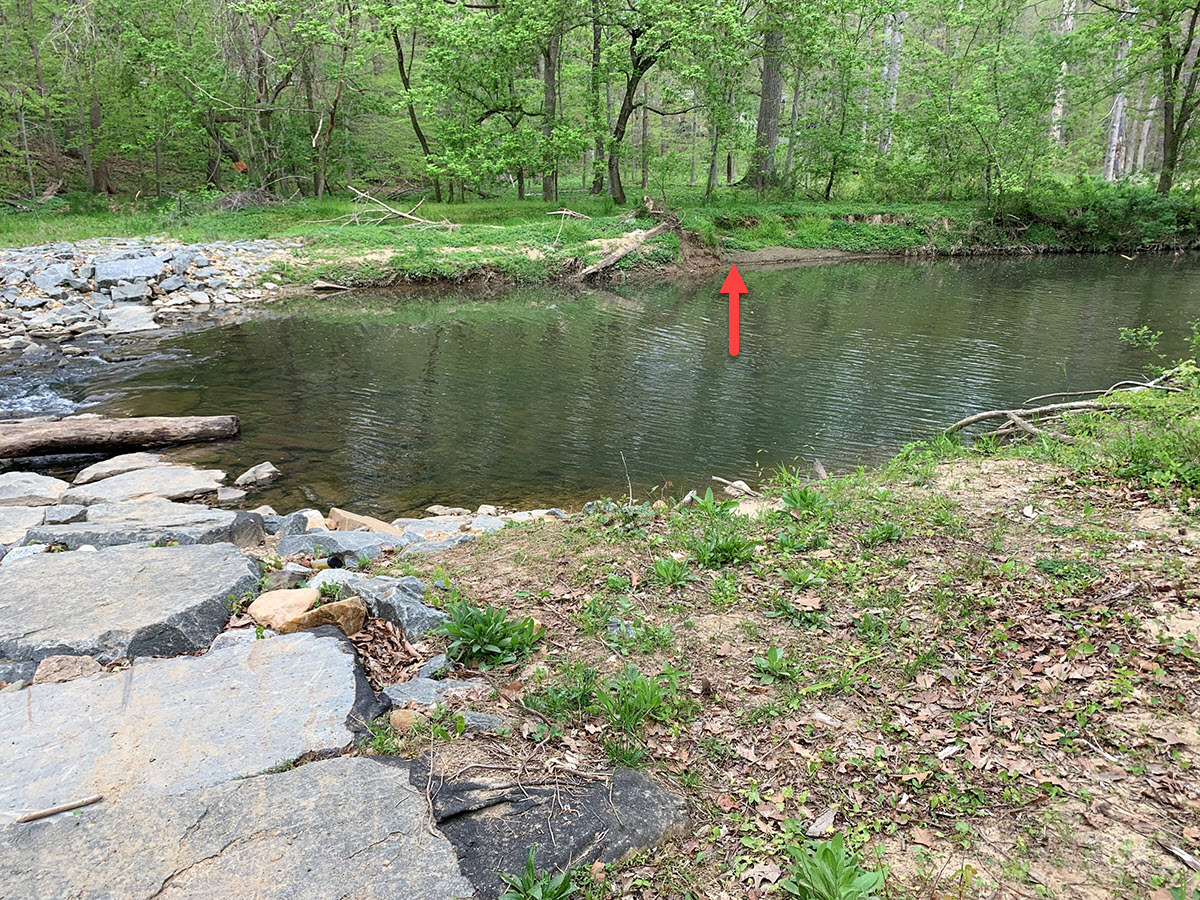
Same bank healing after construction

Form-Based Restoration

Natural Channel Design: Crook Branch @ Mantua Elementary School Stream Restoration

Changing the stream’s form often requires more room to create a stable meandering channel and more potential tree loss.

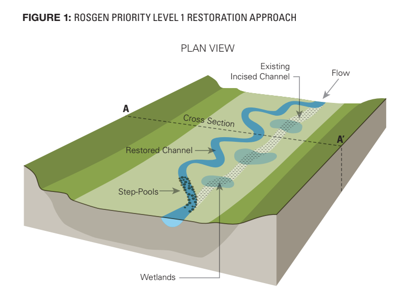
Rosgen priority level 1 restoration approach
Rosgen priority level 1 restoration approach. Plan View. Existing Incised Channel. Flow. Cross Section. Restored Channel. Step-Pools. Wetlands. Source: Natural Channel Design Review Checklist, Stream Mechanics and US Fish & Wildlife Service
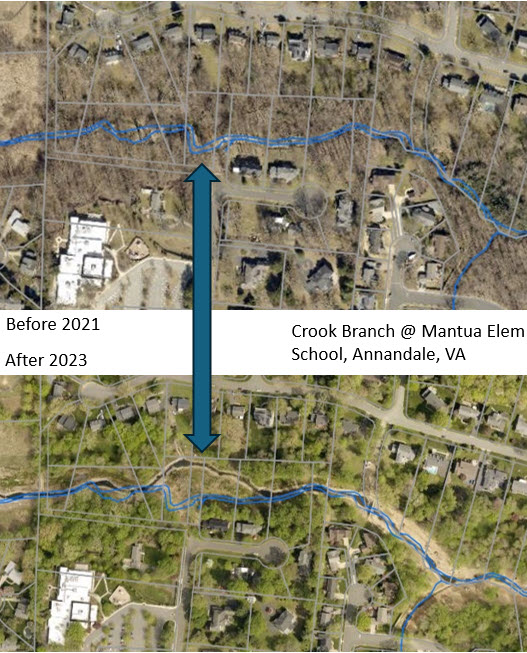
Crook Branch at Mantua Elementary School, Annandale, VA Before 2021 and After 2023
Crook Branch @ Mantua Elementary School Before
Crook Branch @ Mantua Elementary School before restoration
Crook Branch @ Mantua Elementary School after
Crook Branch @ Mantua Elementary School after restoration

Combination Function/Form-Based Restoration

Flatlick Branch Phase III Chantilly, VA

At Flatlick Phase III stream restoration:

  • Areas with stable banks were preserved.
  • Large woody debris was added to improve habitat.
  • Some areas of stream were moved or armoring was installed to protect sewer and water lines.
Looking upstream through tree save area
Looking downstream through tree save area.
Sewer line easement
Bank protection with rock and wood to protect sewer line

Stage Zero and Beaver Dam Analogs

Two stream restoration methods that have become popular in recent years are Stage Zero and Beaver Dam Analogs. These methods can offer great benefits but have specific requirements and can't be used everywhere.

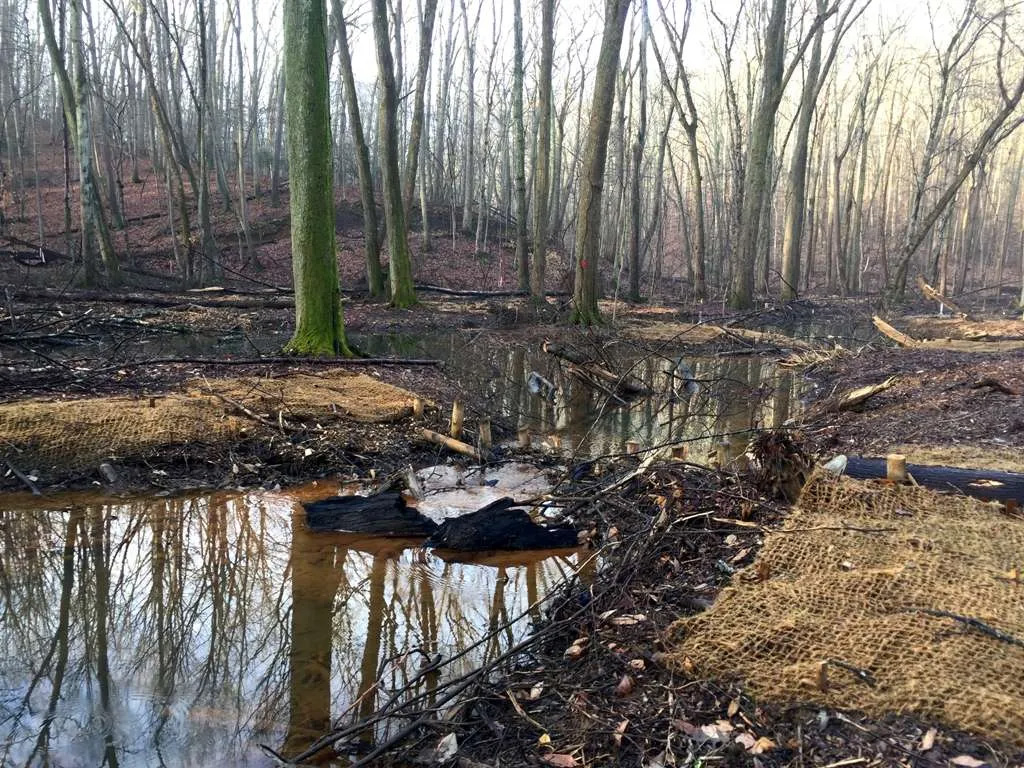
  • Stage Zero is a form-based restoration method that often requires significant changes to the floodplain to create a diverse wetland complex. The benefits include restoring wetlands, reducing flood impact, and significantly reducing pollutants. However, the major impact on trees and the creation of wetlands near homes can make it challenging to use in urban areas.
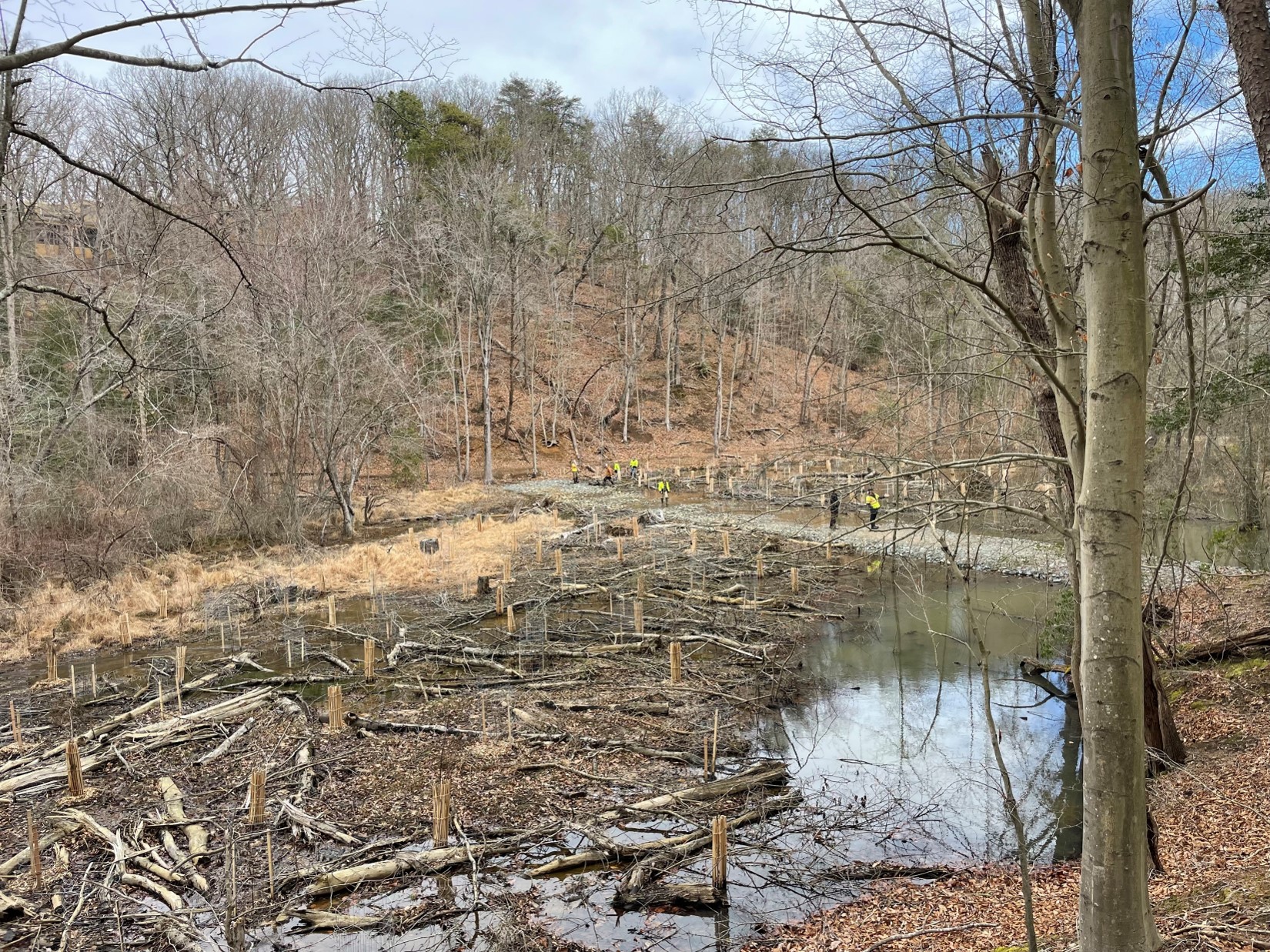
  • Beaver Dam Analogs are a functions-based restoration approach that uses a series of engineered wood and earthen blockages, similar to those built by beavers. The benefits can include lower overall construction impacts and reduced costs. However, this method requires the removal of about 25% of the trees and is usually only effective where stormwater flows are less intense, the stream valleys are gently sloped, and there is a floodplain that can hold water during storm events.
“Stage Zero” Form-based stream valley restoration – Anne Arundel County, MD - photo by C. Smith
“Stage Zero” Form-based stream valley restoration – Anne Arundel County, MD
- photo by C. Smith
Beaver Dam Analog (BDA) Functions-based restoration -  Bacon Ridge, Anne Arundel Co, MD Restoration by Biohabitats
Beaver Dam Analog (BDA) Functions-based restoration -  Bacon Ridge, Anne Arundel Co, MD
Restoration by Biohabitats

Reduce Impacts and Improve Ecosystems

Stream restoration often involves construction work that can remove or damage trees and cause a lot of disruption in areas near the stream. To reduce these impacts and improve the ecosystems in the stream valleys, we have developed several methods to assess and restore natural resources.

  • We inventory all plant communities and focus work in poor quality areas and avoid good ones.
  • Restoration design with native plant species and careful inspections for quality and installation.
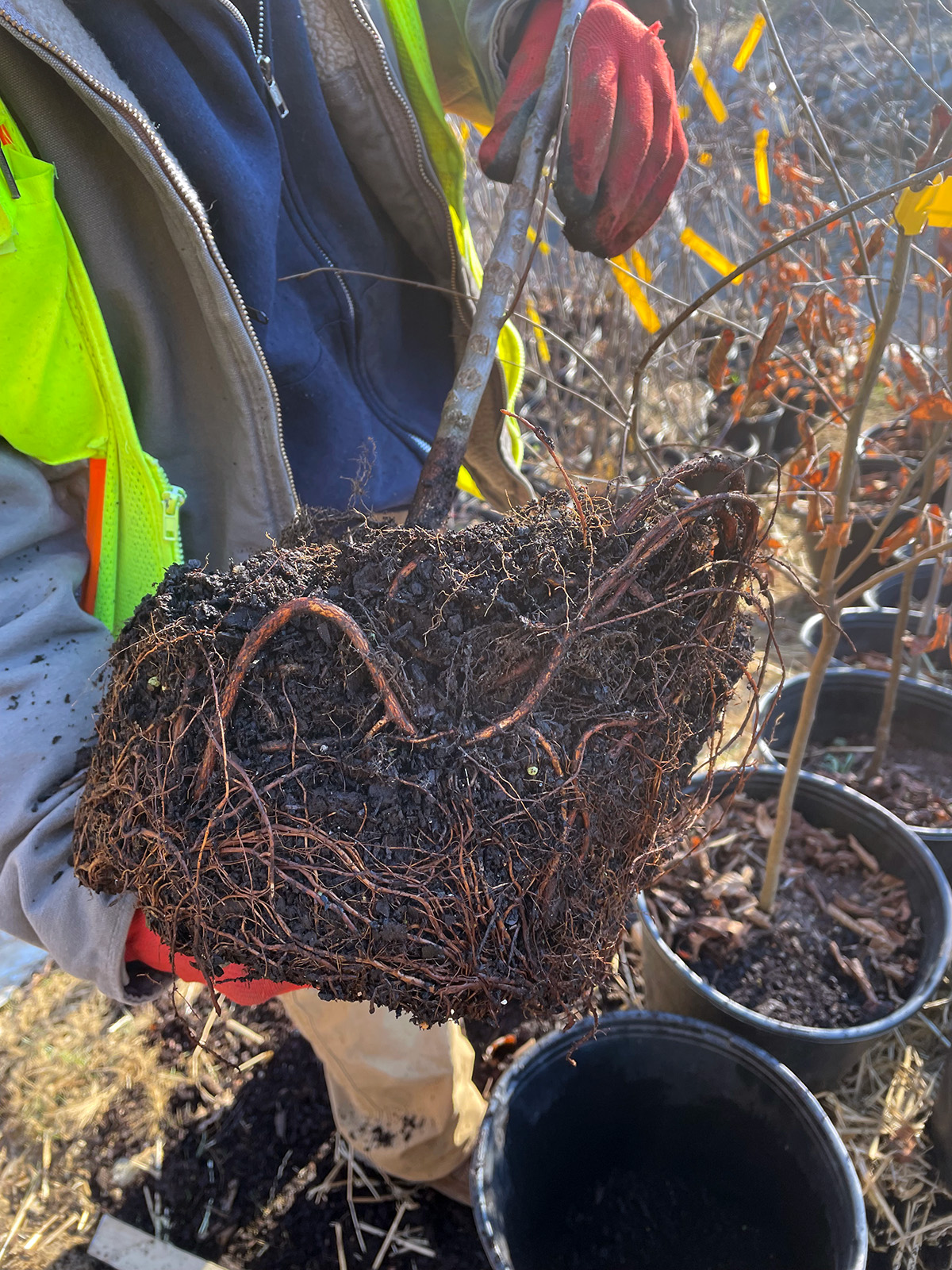
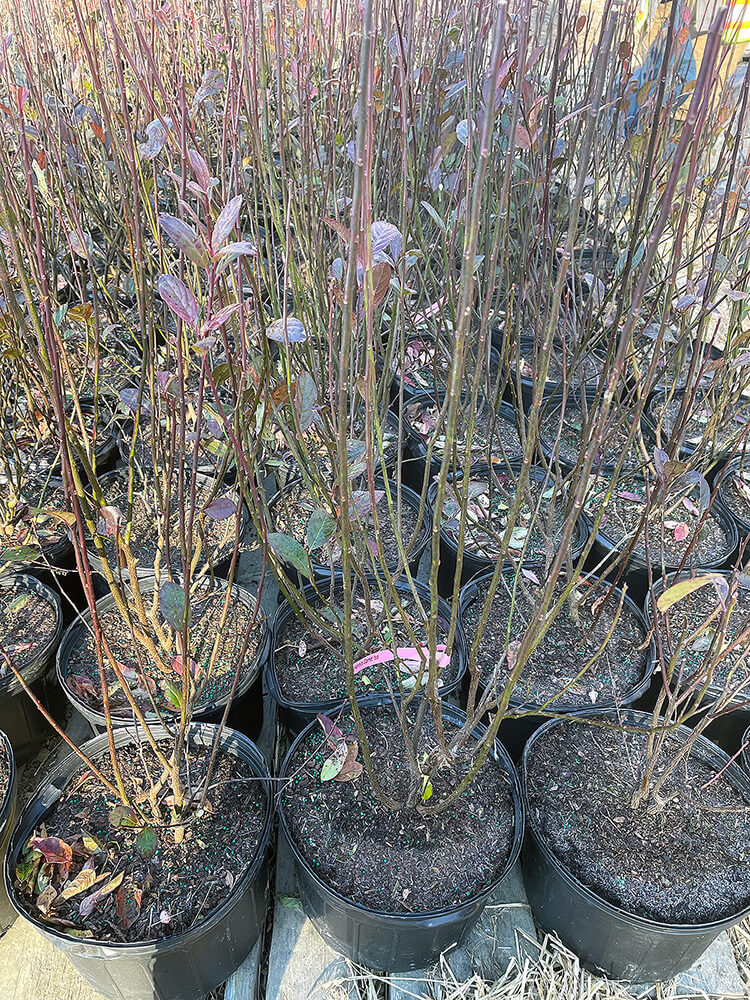
  • Poor quality plants are rejected.
  • Control invasive plant species before, during and after restoration.
  • Monitoring and maintenance of restoration sites for three years.
Vegegation Community
Inventories help us see what kinds of plant groups are in a certain area, where these plants are located, and how healthy they are.
Click image to enlarge.
Poor quality plants are rejected.
Restoration design with native plant species and careful inspections for quality and installation.
Right after construction
3 years later
3 years later


More About Stream Restoration

Stream Restoration Home
What is stream restoration?
How is stream restoration done?
How is the community involved?
What happens after stream restoration?
Frequently Asked Questions
More About Stormwater Management

Topics

Stormwater Home
Flooding
Storm Drainage System
Watershed Plans, Projects and Restorations
On My Property
Maintenance and Inspections
Water Quality
Pollution Prevention and Reporting

Services

Report A Problem
Storm Drainage Maintenance Request
Report Litter
Report Polluted Runoff
Book an Education or Outreach Program or Speaker

Resources

News, Videos, Podcasts
Stormwater FAQs
Maps and Publications
Forms
Jobs
Volunteer
Advisories
Invasive Species

Recent Interactions

    Ask Fairfax

    Terms & Conditions
    Live chat available Search our site

    Related Resources

    • Interactive Maps
      • FEMA Special Flood Hazard Areas
      • Flood Risk Awareness
      • Leaf Collection Areas
      • Stormwater Infrastructure
      • Stormwater Capital Projects
      • Walkway Maintenance
      • Watersheds
      • Does Fairfax County Pick Up My Trash?
    • DPWES Forms
    • Road Maintenance
    • Sidewalks and Trails
    • Storm Drains/Sewers
    • Streetlights
    • facebook
    • twitter
    • instagram
    • youtube
    • linkedin
    • Translate
    • Awards
    • Site Feedback
    • PRIVACY POLICY & COPYRIGHT
    Main Address

    12000 Government Center Pkwy
    Fairfax, VA 22035

    Phone

    703-324-7329

    TTY 711

    Site Tools
    • Website Accessibility
    • Translate
    • Download Mobile App
    Support
    • ADA Accessibility
    • FOIA Requests
    • Website Administrator
    Additional Resources
    • Fairfax County Public Schools
    • Economic Development Authority
    • Visit Fairfax
    • Council of Governments
    • Commonwealth of Virginia
    • USA.gov
    • Calendar
    • Channel 16
    • Mail
    • Security
    • WIFI
    • Facebook
    • Twitter
    • Instagram
    • YouTube
    • Mobile

    The Official Site of Fairfax County