

Managing Invasive Species

One example of an invasive species is Running Bamboo. This plant spreads quickly by its roots. It makes dense stands where nothing else can grow. If it crosses onto a neighbor’s property, it can create issues. Since January 2023, Fairfax County homeowners may be fined if bamboo is not removed or contained on their property.

Do not plant running bamboo. Learn how to spot, manage, and remove running bamboo to prevent issues for your yard and your neighbors. Information is available in multiple languages, including EnglishArabicChineseFarsiKoreanSpanishUrdu and Vietnamese.

Learn more about the damage it causes, how to contain, remove and dispose of Running Bamboo.

Highly Invasive Plants

Find tips to identify and control high-ranking species.
Early Detection and Rapid Response lists emerging invasive species in Fairfax County and where they have been found.

Invasive Plants Identification and Control Booklet

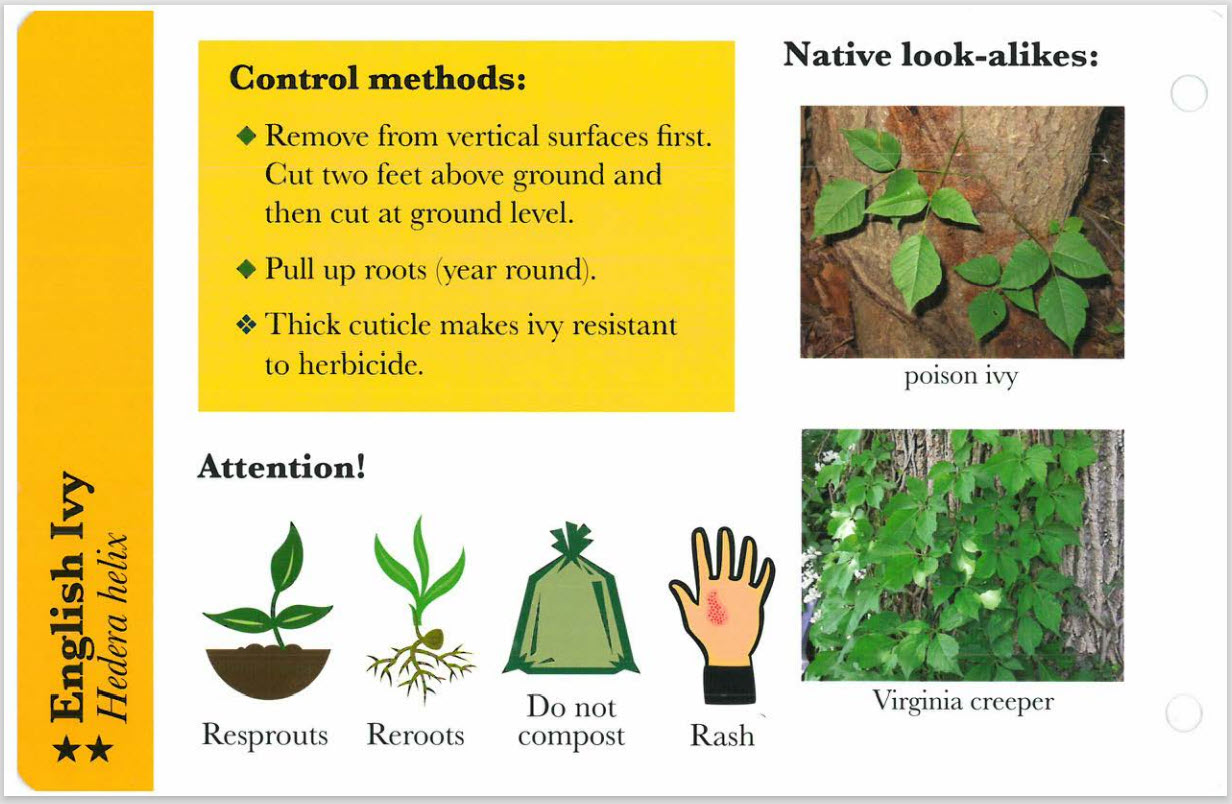
Cards give ways to identify these common plants, the threat they cause, methods to control them and some native look-alikes.
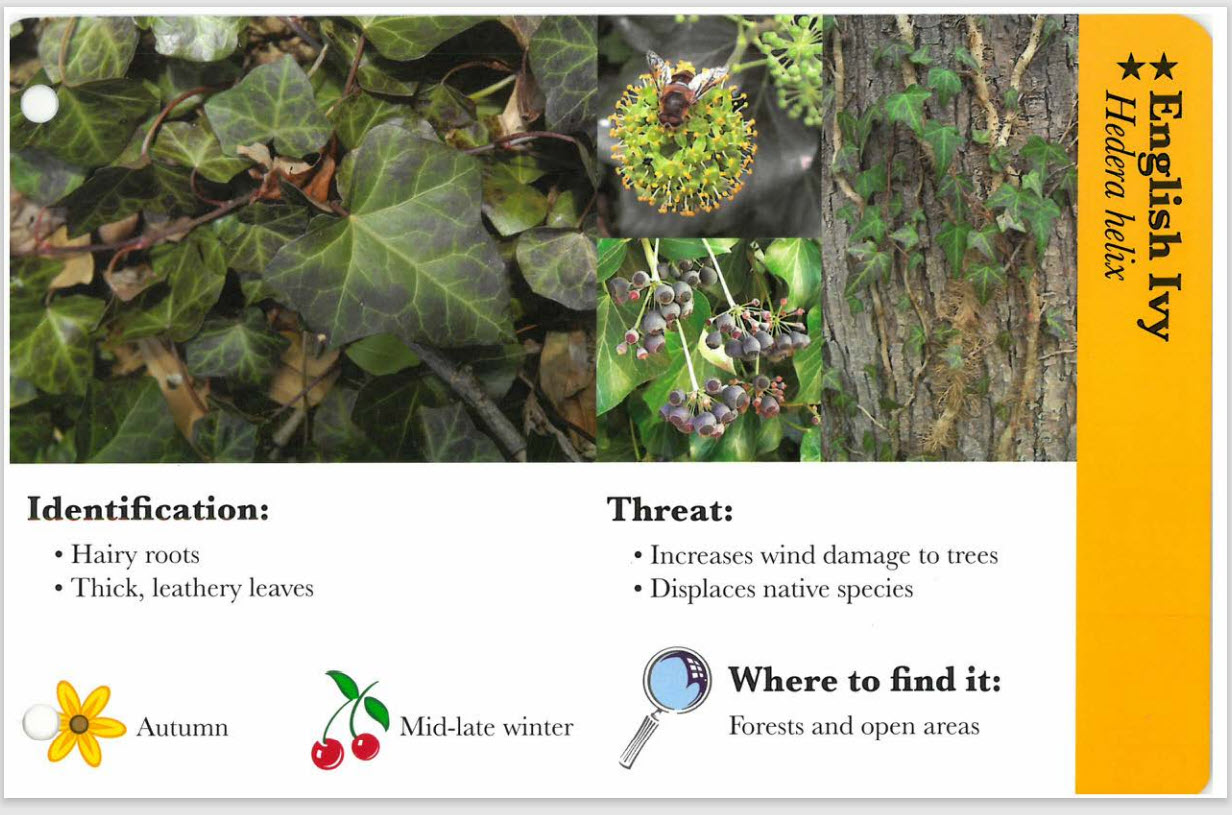
key card front
key card back

Stay Informed

plants

Plants

Managing invasive plants can feel overwhelming, but there are several methods you can use to control them. Success depends on the method chosen, how well it's applied, and the type of infestation. Often, combining different techniques works best. For personalized advice, consider hiring an invasive species management professional. You can also seek advice using the resources page. Remember to wear gloves, long pants, and long sleeves when handling the plants, and check for ticks afterward.

lifeCycle

Understanding a Plant's Life Cycle

Knowing a plant’s life cycle helps you decide the best time to act. Plants grow and reproduce in seasonal patterns, so focus on these key moments:

  • When it seeds: Prevent seed spread by acting early.
  • When it’s most vulnerable: Time your efforts for maximum impact.
  • Best time to pull: Remove plants when conditions are ideal. Avoid disturbing plants at certain times of the year, when some activities can make the problem worse.
  • When to bag debris: Proper disposal avoids further spread.
landDisturbance

Land Disturbance

Be aware of erosion and soil disturbance caused by clearing land. If removing the plant from the root will cause damage to other plants or increase erosion, other options include cutting/girdling, or chemical control.

  • Removing plants, grass, or groundcover, is considered land disturbance and is regulated by the state and county.
  • If you disturb more than 2,500 square feet, you must follow the Erosion and Stormwater Management Ordinance requirements. These are found in Chapter 124.1 of Fairfax County Code.
  • You need permission before removing non-native, invasive plants in a protected area called the Resource Protection Area (RPA). This rule applies no matter how small the area is.
  • Want to learn what land disturbance means? Visit Land Disturbance 101.
  • To find out how to get permission and learn more about RPAs, visit Chesapeake Bay Preservation Ordinance.
ima

Volunteer Programs in Fairfax County

You can join volunteer groups like the Invasive Management Area (IMA) program to remove invasive plants in parks and replace them with native ones. Even a few hours of help makes a difference!

Visit Invasive Management Area
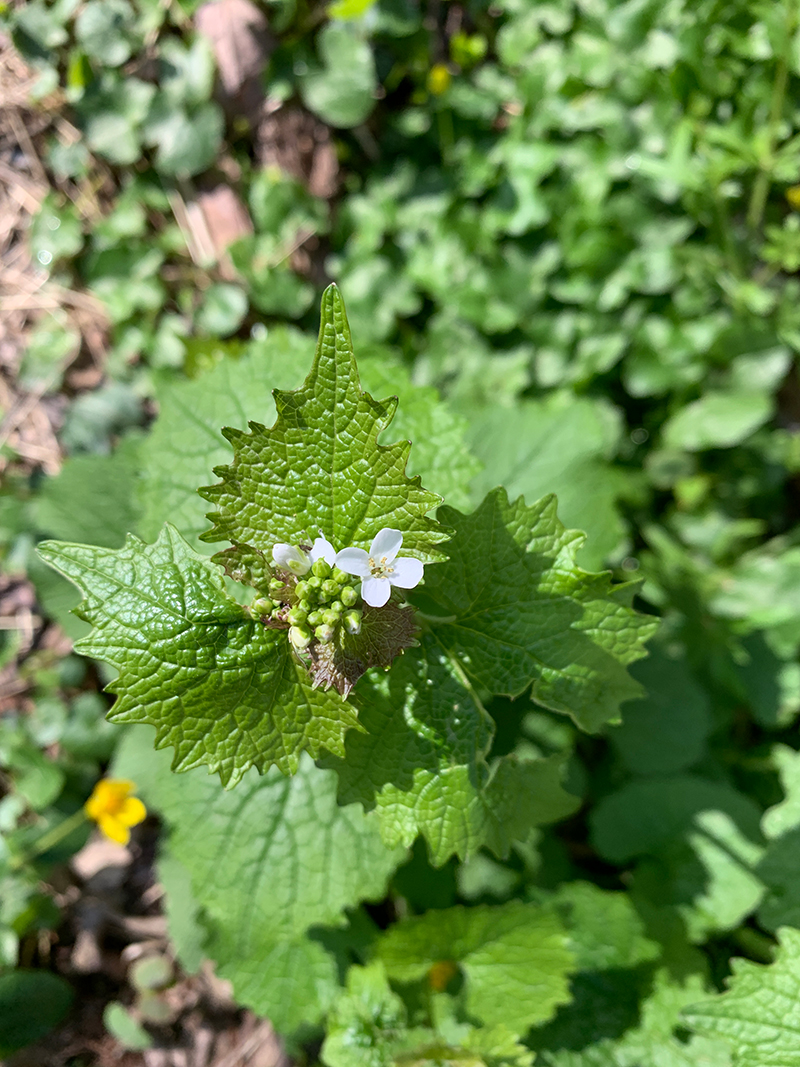
garlic mustard in flower
Garlic Mustard has a two-year life cycle. It produces white flowers and seed pods in the second year. This invasive plant quickly pushes out native plants, which makes early action important.
cultural

CULTURAL Practices

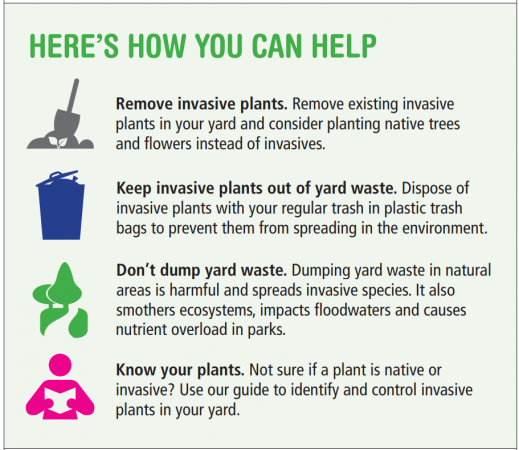
screenshot of flyer

Cultural practices involve simple habits to help stop invasive plants from spreading. Here’s how you can help:

  • Plant native instead of invasive plants.
  • Learn to identify invasive plants in your area and take action to manage them.
  • Buy locally grown plants to avoid bringing in new invasive plants and diseases.
  • Dispose of invasive plant debris in the trash to prevent spreading. Do not put in yard waste or compost.
  • If you use a lawn care service, ask them about their practices, like cleaning equipment between visits, to avoid spreading invasive plants to your yard or neighborhood.

Small changes like these can make a big difference in controlling invasive species in your community!

manual

MANUAL or MECHANICAL Practices

Manual or mechanical practices mean physically removing invasive plants. This includes cutting, pulling, digging, or smothering them. These methods work best for smaller infestations.

Keep in Mind:

  • Many invasive plants can grow back from root fragments left in the soil. Even if the pieces are very small.
  • Make sure to remove all parts of the plant for effective control.
  • Keep an eye on the area in future years to catch any re-growth early.

These hands-on methods are simple and effective when done properly!
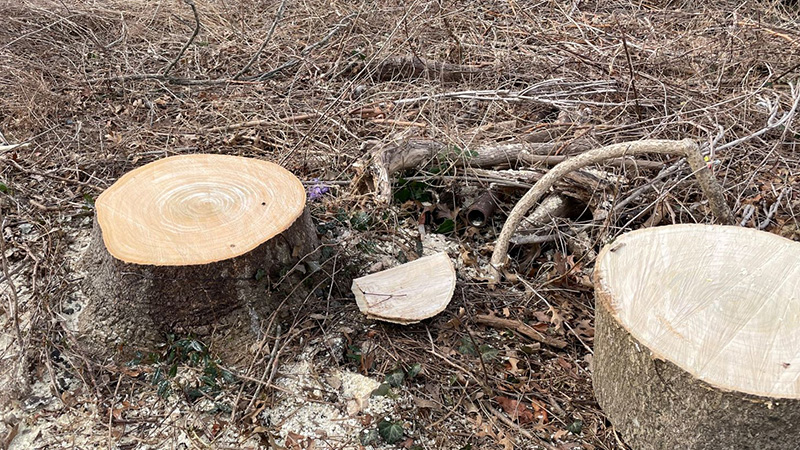
stumps of cut trees
Tree stumps after cutting

Cutting or girdling invasive trees, like the Tree-of-heaven, can often backfire as the tree produces many sprouts and suckers in response. Here’s how to manage invasive trees effectively:

Best Practices:

  • For small infestations, repeatedly cutting the sprouts over time can weaken the tree's energy reserves. This method works best in areas with heavy shade, but may take years to be effective.
  • Make the first cut in early summer when the tree’s root reserves are the lowest.
  • Removing large female trees that produce seeds can temporarily slow the spread.

Safety Tips for Removing Large Trees:

If the tree is near buildings, sidewalks, or play areas, consult an ISA-certified arborist to safely handle removal and avoid damage. For expert advice, contact Fairfax County's Urban and Community Forestry Division during regular hours at 703-324-1770, TTY 711, or email treemail@fairfaxcounty.gov.
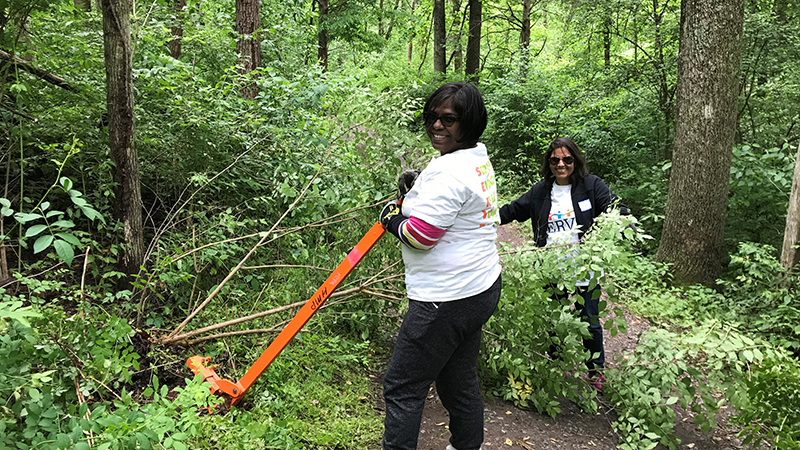
volunteer using weed wrench
Volunteers use weed wrench to uproot an invasive shrub

How to Manage Shrubs:

  • Manual Removal: Use tools like a weed wrench to pull out the shrub’s roots. Remove as much soil as possible from the roots, tamp down the hole, and cover it with leaves to reduce soil disturbance.
  • Cutting Method: Cut the shrub close to the ground and repeat the process until it stops growing back.
  • Chemicals: If the shrub continues to regrow, herbicides may be used as an alternative.

By reducing soil disturbance and properly disposing of debris, you can help prevent invasive shrubs from spreading further.
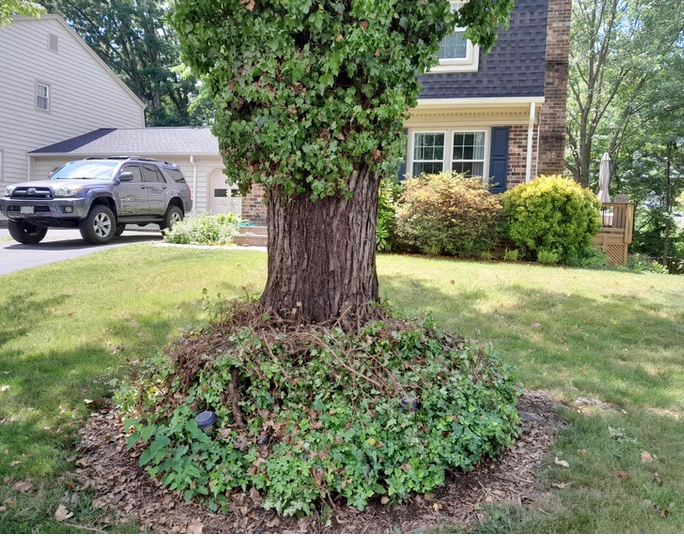
Rescued Tree from English Ivy after a neighbor dropped off our door hanger - courtesy of Plant Nova Natives
Rescued Tree from English Ivy - courtesy of Plant NOVA Natives

Manual Removal

Manual removal is precise and minimizes harm to nearby plants, but it can be slow and labor-intensive. This method is best for small, easy-to-reach infested areas.

Steps for Removal:

  • For Vines on the Gound:
    • Pull out the entire vine, including roots.
    • Pile the pulled vines on your property to dry, but monitor the area for regrowth.
    • For vines with fruits, put them in plastic trash bags and dispose of them with regular trash.
  • For Vines on Trees:
    • Cut the vine near the ground at a comfortable height to kill the upper sections and reduce strain on the host tree.
    • Do not pull vines that are tangled into the tree canopy as this can be dangerous.
    • Make a “window” by cutting the vine both high and low.
    • Use tools like pruning snips for small stems or a hand saw or chainsaw for thicker vines. Be careful not to damage the tree's bark.
    • Small vines can be pulled. Larger vines attached to trees can be repeatedly cut close to the ground until they stop growing. Herbicides can help make this process more effective.

Timing:

Hand-weeding is most effective early in the growing season (April-May) when roots are small and vines haven’t tangled with other plants. Monthly monitoring and removal will be needed until the infestation is eliminated.

Acting early and consistently will help manage invasive vines while protecting native trees and plants. Visit Rescuing Trees, Plant NOVA Natives for more information.

How to Remove Groundcover:

  • Timing Matters: Pull groundcover before it goes to seed and when the soil is soft for easier removal.
  • Remove Roots Completely: If roots are left behind, the plant may grow back, so repeated pulling may be needed.

For Larger Infestations:

  • Cut flowering stems at or near ground level to stop seed production. Cutting too high may cause new flowers to grow at the base.
  • If seedpods are present but seeds haven’t scattered yet, clip the stalks, bag them, and dispose of them in the trash to avoid spreading seeds. This can be done during summer months.

Prevent Soil Damage:

Be cautious of erosion and soil disturbance caused by removing plants and roots. Use methods carefully to avoid harming the surrounding environment.

By removing groundcover early and consistently, you can prevent it from spreading further and protect the soil from damage. See Land Disturbance.
chemical


CHEMICAL and BIOCONTROL Practices

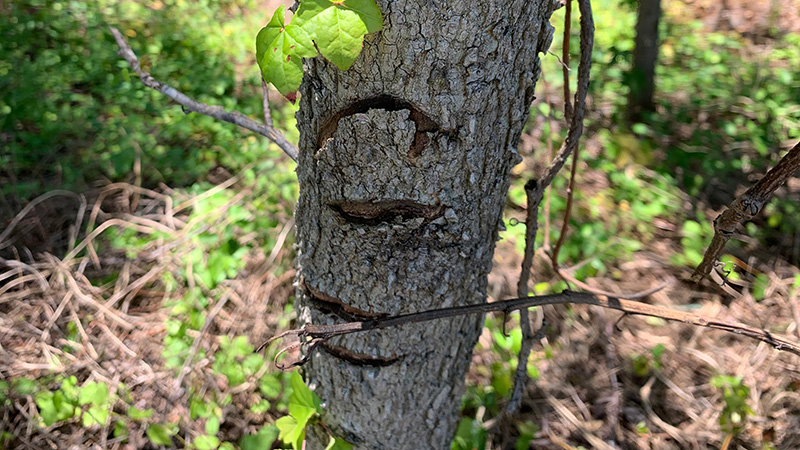
hack-n-squirt method of control
Hack-n-squirt method of chemical control

Herbicides

Herbicides can be used to manage invasive plants, especially those that are deeply rooted or well-established. This method is practical for large infestations but must be done safely and responsibly.

Key Tips for Safe Use:

  1. Read the Label: Always follow the herbicide label instructions. It’s essential for safety and effectiveness. The label is the law.
  2. Use the Right Chemical: Ensure the product targets the specific plant you want to remove.
  3. Apply Correctly: Use the recommended amount to avoid harming other plants or the environment.

Herbicides can be an effective tool for managing invasive plants when mechanical methods aren’t enough. Careful storage and use are critical to avoid unintended damage to the land and yourself.

Fairfax County and the Park Authority use herbicides and pesticides carefully as part of a broader invasive species management plan. When mechanical methods aren’t suitable, chemical treatments are applied following strict guidelines.

Key Points:

  • Herbicides are only used when necessary and are prescribed on a site-by-site basis.
  • Only certified professionals, registered with the Virginia Department of Agriculture and Consumer Services (VDACS), can apply herbicides on public lands.
  • Land managers assess each site, considering rare species, sensitive ecosystems, cultural resources, and specific goals to decide on appropriate treatments.

Regulations and Safety:

  • Herbicides are applied according to all Department of Environmental Quality (DEQ) and Environmental Protection Agency (EPA) standards written on the label.
  • Contractors post signs during treatments and remain onsite until the herbicide dries to ensure safety.

Herbicides are an essential tool for restoring habitats and protecting natural areas. Their use is always carefully managed to minimize risks and maximize effectiveness.

Stay Safe and Follow Guidelines:

  • Read the Label: Always follow the instructions on the herbicide label. The label is the law.
  • Check the Weather: Don’t apply herbicides if rain is expected. Rain can wash chemicals into unintended areas.
  • Avoid Sensitive Areas: Keep a safe distance from Resource Protection Areas (RPAs), bodies of water, and avoid areas prone to runoff.
  • Wear Protective Gear: Use closed-toe shoes, long pants, long sleeves, rubber gloves, safety glasses, and a face covering to protect yourself.
  • Clean Gear Separately: Wash protective equipment separately from regular laundry to avoid contamination.

For detailed instructions and resources, visit Blue Ridge PRISM Inc, or check the guide from the Department of Conservation and Recreation on Managing Invasive Plants. Safe chemical use ensures effective removal while protecting yourself and the environment!

  1. Foliar Application (Leaf Spray)
    Apply herbicide directly to the leaves of the plant. This is best for woody or herbaceous plants in early spring when native plants are dormant. You can also do this in late summer and fall when plants move nutrients to their roots.
    • Check the label for herbicide concentration based on the plant species.
    • Calibrate your sprayer and watch for wind to prevent herbicide drift.
    • Wet leaves thoroughly, stopping before the herbicide drips.
    • Use shields to protect nearby plants.
  2. Cut-Stem/Stump Treatment
    Ideal for woody plants with small infestations or areas where leaf application could harm other plants. Best done in fall when the plant is moving nutrients to its roots.
    • Use a high concentration herbicide (glyphosate or triclopyr), not typically found in store-bought products, and dilute according to label instructions.
    • Cut the plant close to the ground and apply herbicide immediately (within one minute) to cover the entire surface.
    • Dispose of cut debris in the trash.
  3. Basal Bark Treatment (Tree Base)
    This method works year-round for woody plants if the ground isn’t frozen.
    • Use a high concentration herbicide (glyphosate or triclopyr) and dilute based on label guidelines.
    • Apply the herbicide mixture to wet the base of the trunk from ground level to 12-18 inches up.
  4. Hack-and-Squirt
    Best for woody plants and works year-round (if the ground isn’t frozen).
    • Use a high-concentration herbicide (glyphosate or triclopyr) and dilute following the label.
    • Use a hatchet, axe, or cutting tool to cut sections of the bark, leaving some intact. Spray herbicide into the exposed cuts.
  5. Injection Method
    Precise method that reduces chemical use by injecting herbicide directly into a tree's bark or stem
    • Use a syringe or spot gun.
    • Drill or chisel small downward-angled holes into the bark, then inject the herbicide mixture immediately.
    • Don’t overfill holes.
    • Space them evenly around the trunk, leaving intact bark between each.

By choosing the correct method and following label instructions, you can safely and effectively use herbicides to manage invasive plants and trees.

Biocontrol uses living organisms to manage pest species naturally. It is an eco-friendly method of controlling invasive plants and pests without harsh chemicals.

Examples of Biocontrol:

  • Lady Beetles: Released to reduce aphids in gardens.
  • Marigolds: Help control soil pests like nematodes (worms).
  • Triploid Grass Carp: Used in lakes and ponds to manage invasive aquatic plants. These nonnative carp are sterile and cannot reproduce.

Important Information:

Fairfax County and the Park Authority work with state and federal agencies to carefully implement biocontrol strategies. Residents cannot release organisms into parkland without approval from Park Authority staff. Biocontrol can be highly effective while protecting the environment, but it must be carefully managed to ensure safety and success.

disposal


animals
diseases
Fairfax Virtual Assistant