
Office of Environmental and Energy Coordination

CONTACT INFORMATION: Our office is open to visitors by appointment only. Please call or email from 8:00 a.m. - 4:30 p.m., Monday through Friday.
703-324-7136 TTY 711
12000 Government Center Pkwy, Suite 533
Fairfax, VA 22035
John Morrill
Director

Resilience

test text

WARMER

In Fairfax County, we are seeing more extreme heat days per year, on average.  In addition to extreme heat, our average annual temperatures are increasing. For more information on these data and our vulnerabilities, please see the Climate Projections Report and the Vulnerability and Risk Assessment. To learn what we are doing to become more resilient to extreme heat, please see the see the Resilient Fairfax plan.
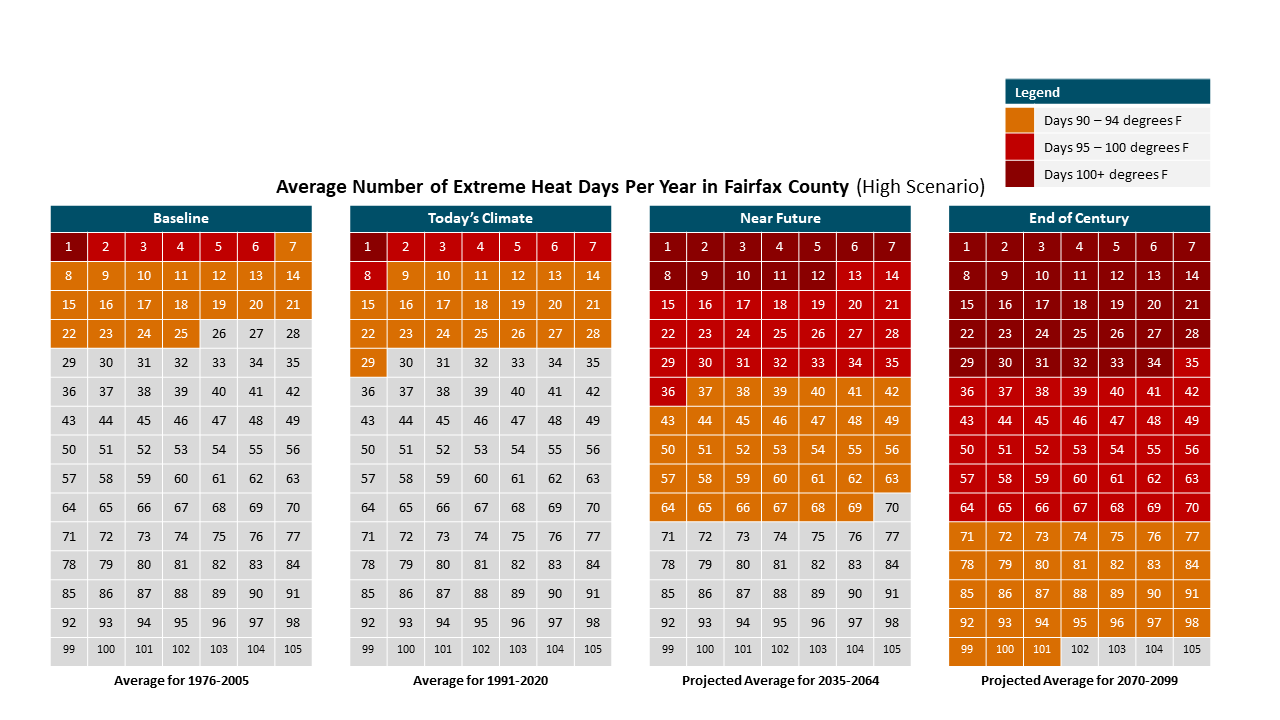
average number of extreme heat days per year in fairfax county

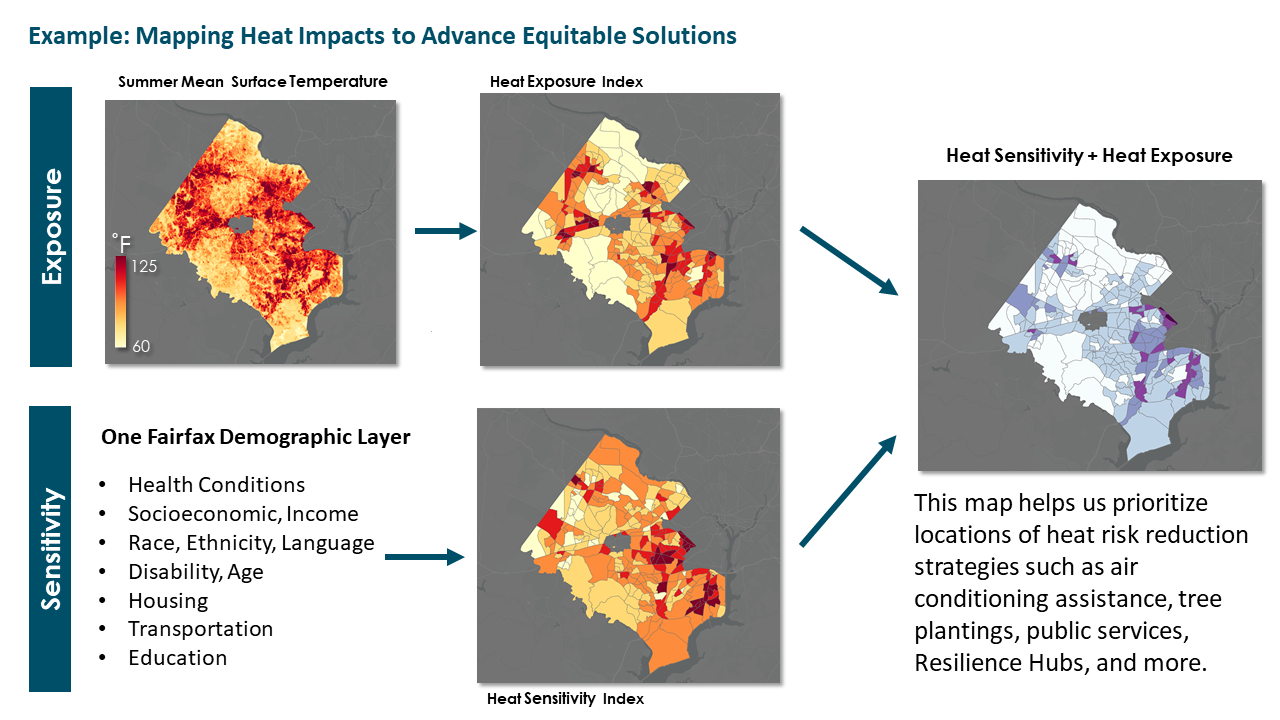
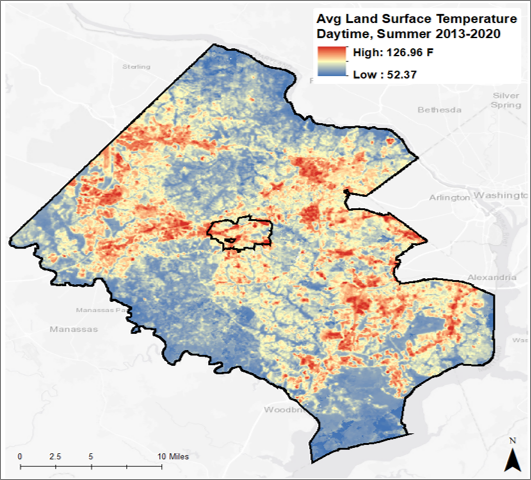
In addition to increasing average temperatures, we have "Urban Heat Islands" in Fairfax County. Urban Heat Islands are areas that are significantly hotter than other areas. This map shows the real average land surface temperatures during the day for the summers of 2013-2020. The areas in red have hotter temperatures on the ground than the areas in blue.  During extreme heat events, people in our Urban Heat Islands may need the most help. 

To see an interactive version of this map, please click this link. 

The good news is that there is a lot we can do to become more resilient to extreme heat! Please see the “Take Action” section below for quick tips or see the Resilient Fairfax plan to learn more.


WETTER

Fairfax County is experiencing "wetter" conditions (or more flooding) over time. Rainstorms in our area are becoming heavier or more intense. Intense rainfall leads to flooding because our stormwater systems are not designed to handle the intensity of rain we have recently been receiving. Many people assume they are only at risk of flooding if they live in a floodplain. However, did you know that most flooding issues in Fairfax County (97% of requests for help) are not in floodplains? Urban flooding is a more common issue in Fairfax County.  

test text

This map shows a variety of flooding types in Fairfax County. Floodplains are shown in light orange. Areas with a high flood score are shown in dark blue. As can be seen in the map, there are many areas with a high flood score that are not in floodplains. 

Why does this matter? It is important for you to protect your home from flooding, even if you are not in an official floodplain. Learn about Flood Insurance and other ways to protect your home at this DPWES webpage. 
 

WEIRDER

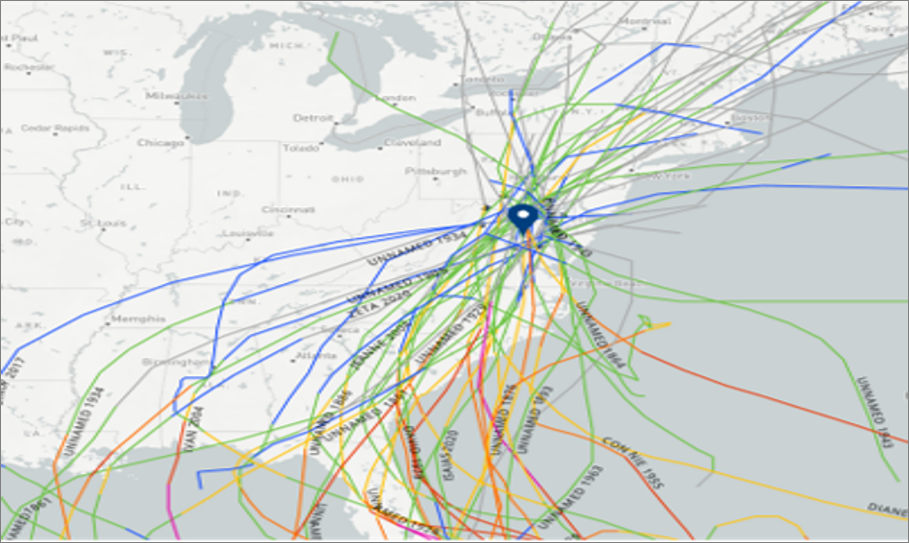
map showing NOAA hurricane tracks that have traveled near or over Fairfax CountyOver the past 40-50 years, extreme weather events and severe thunderstorms in Fairfax County have become more intense. This intensity is on track to continue increasing in the future, due to changes in temperature, humidity, and wind patterns. 

“Weirder” conditions also include erratic or unseasonal weather and unusual temperature fluctuations. 

The Resilient Fairfax plan was adopted in November 2022. Since then, many prioritized strategies have already started.
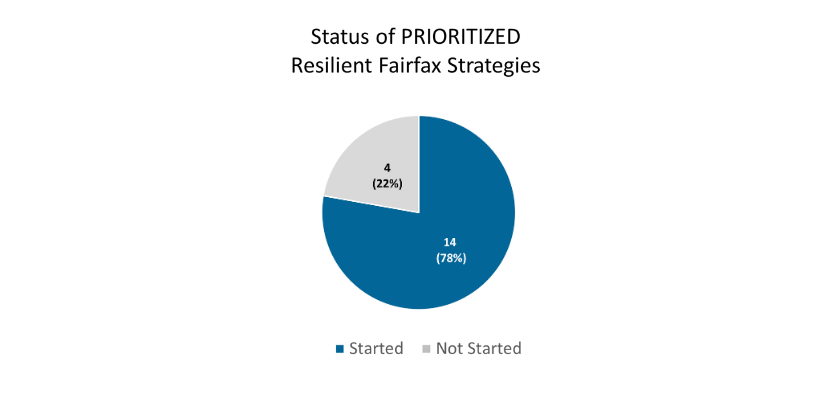
a pie chart that shows the status of the prioritized resilient fairfax strategies, with 4 or 22 percent as not started and 14 or 78 percent as started

See below for the status of specific strategies. (Last Updated April 2023)

list of prioritized strategies and their status as started or not started

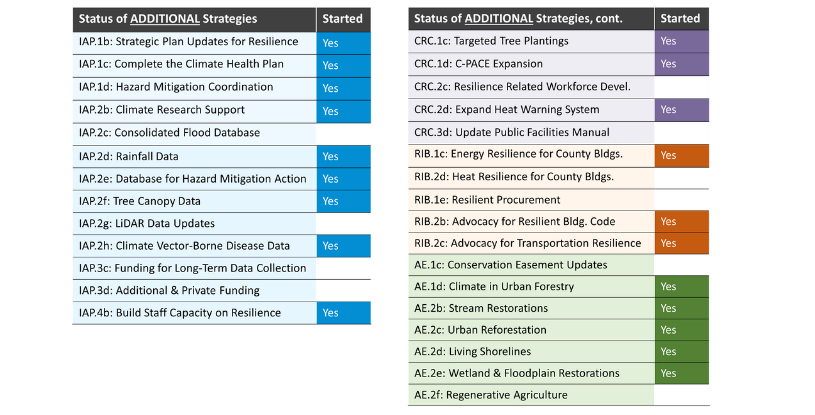
Many “Additional” (non-prioritized) Resilient Fairfax strategies have also started or are ongoing initiatives. 
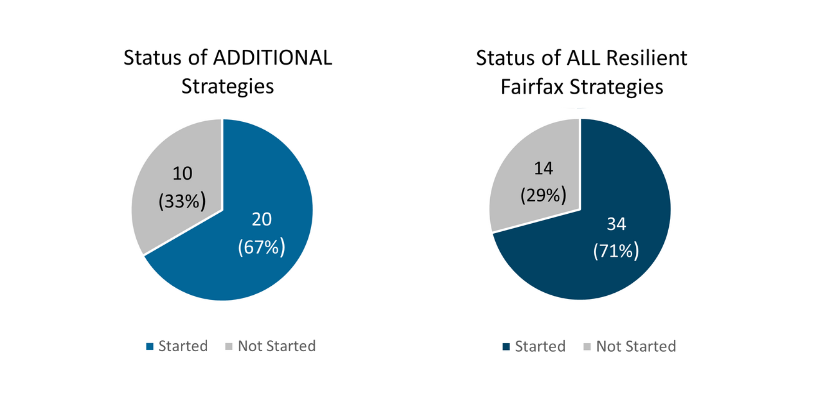
two pie charts, number one showing the additional strategies status as 10 or 33 percent not started and 20 or 67 percent started and two, the status of all resilient fairfax strategies which shows 14 or 29 percent as not started and 34 or 71 percent as startedlist of additional strategies and their listed status

For an accessible version of these strategies and their current status, click here. 

Climatic hazards often disproportionately harm certain populations, such as low-income, disabled, or elderly populations, communities of color, those experiencing homelessness, and outdoor workers, among others. In alignment with One Fairfax, Resilient Fairfax advances equity in the following ways:

test text

  • Inclusive partnership: Community representatives, advocacy organizations, and members of the public were involved throughout the Resilient Fairfax planning process. This engagement will continue and expand in the implementation phase. 
  • Equity-driven strategies: Resilient Fairfax strategies prioritize underserved populations and equitable implementation. Additionally, strategies such as Adaptation Action Areas, Community Aid and Services, and Resilience Hubs help us connect those who are most burdened by flooding, extreme heat, and severe storms with the help they need. Strategies can be found starting on page 39 of the Resilient Fairfax Plan.


There are many things you can do to boost your resilience to climate hazards.  Climate resilience involves a range of topics, county departments, and skillsets. The Resilient Fairfax interagency team is developing detailed guidance including a “Checklist” and resources for residents, which will be available soon. Actions you can take now are linked below. 

To get involved with Resilient Fairfax or to join our mailing list, please email ResilientFairfax@fairfaxcounty.gov
For general resilience to all climate hazards, including more severe storms:
ready fairfax logo

Ready Fairfax

Explore Ready Fairfax for emergency preparedness

Learn More

DEMS

Watch DEMS webinars on emergency preparedness

screenshot of a dems video featuring a woman hosting a webinar
stock photo of a first aid kit

Emergency Kits

Make emergency kits for your home and your car

Volunteer

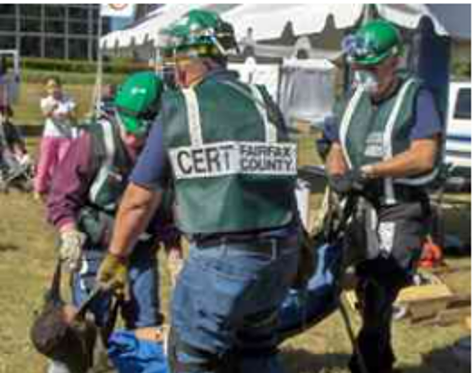
Volunteer with the Community Emergency Response Team (CERT)

photo of volunteers working outside


For "wetter" conditions, including more flooding:

Stormwater Management

Find resources on the DPWES Stormwater Management website

test text
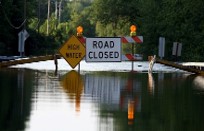
flooding in front of a road closed sign

Seeing Floods?

Report flooding issues in Fairfax

Flood Insurance

Protect yourself and your home with flood insurance

fema logo
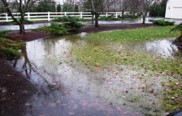
flooding in a yard

Drainage Problem?

Find help with drainage and erosion issues on your property


For "warmer" conditions, including more extreme heat events:

Extreme Heat

Explore DEMS’ extreme heat resources

extreme heat
tree

Native Plants

Plant a native or non-invasive, climate-adapted tree.

Cooling Assistance 

If you cannot afford air conditioning, apply for Cooling Assistance

family services logo

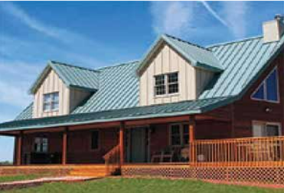
house with green roof

Upgrade Your Roof

Keep your home cool with cool roofs, sealed leaks, and light-colored external paint 


County Government Energy Data

Fairfax County Government maintains more than 500 buildings and 11 million square feet of building space. The county uses electricity and natural gas throughout its operations. Much of that energy use allows the county to heat and cool its facilities and power lights and equipment within them. Some of the county’s energy use helps ensure adequate nighttime lighting on streets and ball fields. Other energy uses are less visible but just as essential, such as wastewater pumping and treatment. 

NOTE: This dashboard requires Microsoft Edge or Chrome.

Operational Energy Strategy (OES)

The Operational Energy Strategy promotes cost-effective solutions and an energy-conscious culture for county government operations, buildings and fleet vehicles. The plan sets goals, targets and actions across major focus areas - including building energy and water use, fleet electrification, and waste management.


Environmental Quality Advisory Council

LEARN MORE ABOUT EQAC

Listed below are the current members of the Environmental Quality Advisory Council. If you are interested in serving as a member of EQAC, please contact your district supervisor's office to express your interest.

DistrictMemberTerm
Mt. VernonLarry Zaragoza (Chair)Jan. 2022 - Jan. 2028
At-LargeEric Goplerud (Vice Chair)May 2023 - Jan. 2028
At-LargeAndreana LinJan. 2025 - Jan. 2028
At-LargeKersey ManliclicJan. 2025 - Jan. 2028
At-LargeAlexis DickersonFeb. 2025 - Jan. 2028
BraddockBryan CampbellDec. 2022 - Nov. 2025
DranesvilleKenneth GubinDec. 2021 - Nov. 2027
FranconiaJohna GagnonDec. 2022 - Nov. 2025
Hunter MillKenneth LanfearJan. 2024 - Jan. 2027
MasonVacant---
ProvidenceKathryn AlsegafJan. 2025 - Jan. 2028
SpringfieldClyde WilberDec. 2021 - Nov. 2027
SullyRich WeismanJune 2022 - June 2028
Student MemberNishka ShahJune 2025 - June 2026


Visit Fairfax County's CivicWeb to learn more about EQAC members, their terms and other committees they participate in, as well as other Fairfax County Boards, Authorities, and Commissions. 

Below, you will find the EQAC meeting dates for 2026 and the current year. As meeting information and materials become available, they will be added to the meeting pages linked to each meeting date below. Minutes and presentation materials will be made available on individual meeting pages following each meeting. There is also information about other meetings that involve EQAC, where at least 2 members of the council may be attending.

Each January, EQAC holds a public comment meeting to hear public input on issues of environmental concern. In addition to the annual public comment meeting, EQAC has added a public comment period to some in-person meetings. Monthly meetings with a scheduled public comment period are noted on the meeting schedule below. Find out how to participate. The public is also invited to attend any EQAC meeting and to submit correspondence for consideration by EQAC at any time.

Summaries of past public comment meetings, including speaker and written testimony, are available upon request. Materials may be requested via email to eqac@fairfaxcounty.gov.

2026 Meeting Information and Materials:
  • January 14, 2026 – Public Comment +
  • February 11, 2026 +
  • March 11, 2026 +
  • April 8, 2026 +
  • May 13, 2026 +
  • June 10, 2026 +
  • July 8, 2026 +
  • August 12, 2026 *
  • September 9, 2026 +
  • October 14, 2026 +
  • November 18, 2026 +
  • December 9, 2026 +

* denotes a virtual meeting 
+ denotes a Public Comment meeting. Find out how to participate.

Other 2026 Meetings and Events Involving EQAC:

EQAC issues recommendations to the Fairfax County Board of Supervisors via two mechanisms: the Annual Report on the Environment and resolutions or positions issued during EQAC meetings. Resolutions and positions for the current year and the immediate past year are provided below. Resolutions and positions from years prior are available below under "Archived Materials" or upon request via email (EQAC@fairfaxcounty.gov). 

DateTitleTypeTo
November 12, 2025Comment on Resilient Trees Draft OrdinanceMemoBoard of Supervisors
November 12, 2025Plan Forward ReviewMemoBoard of Supervisors
September 26, 2025Park Authority Budget for 2027MemoBoard of Supervisors
July 10, 2025Recommendations for the Staff Proposed Ordinance on Large-Scale Battery Energy Storage Systems (BESS)MemoBoard of Supervisors
June 13, 2025Tree Plantings and Heat IslandsMemoBoard of Supervisors
May 23, 2025Comment on the Plan Forward Environmental ElementMemoFairfax County Department of Planning and Development
April 16, 2025FY2026 Budget RecommendationsMemoBoard of Supervisors
January 15, 2025Policy Required to Address Illegal Dump SitesMemoBoard of Supervisors
July 12,
2024
Comment on the May 17, 2024 Draft Zoning Ordinance Amendment for Data CentersMemoBoard of Supervisors
July 12,
2024
Support for the County Executive’s Update on the Countywide Flood Risk Reduction PolicyMemoBoard of Supervisors
April 18, 2024FY2024 County Budget RecommendationsMemoBoard of Supervisors
March 26, 2024Animal Services Consolidation Proposal in the Proposed FY 2025 BudgetMemoBoard of Supervisors


The 2025 Annual Report on the Environment (ARE) is now available. Each year, EQAC prepares an Annual Report on the Environment that summarizes environmental conditions, trends, programs, legislation and issues in Fairfax County and presents EQAC's recommendations to the Board on a variety of environmental topics and concerns. The report is prepared entirely by EQAC and reflects the Council's views.  For quick reference, an Executive Summary highlighting the report’s priority recommendations is also available.

Past reports are available upon request. Please email EQAC@fairfaxcounty.gov to obtain digital versions of earlier reports.

View or Download the 2025 Annual Report on the Environment

View or Download the 2025 Annual Report Executive Summary

graphic cover of the annual report with squares of photos featuring nature scenes from around the county

Each year, the Fairfax County Environmental Excellence Awards recognize individuals, organizations, businesses and county employees who:

  •  Advance or support the county's environmental goals and policy statements
  • Dedicate personal time and expertise beyond normal fiscal or civic responsibilities
  • Demonstrate leadership as a role model for others
The awards are administered by the Environmental Quality Advisory Council with support from the Office of Environmental and Energy Coordination.
 

Each year, EQAC solicits applications from Fairfax County high school students who are interested in becoming a student member of EQAC. The application is open to all interested high school sophomores and juniors who are in good standing. Eligible public school, parochial, private school, and homeschooled students are encouraged to apply.

The student member application is currently closed. If you have questions about the student membership application process, please email eqac@fairfaxcounty.gov or call 703-324-7136 TTY 711.

Past Member Testimonials

Former student members of EQAC have prepared testimonials regarding their service.

Joseph Tso

Oaklen Kalinichenko

Jacob Hammond

Clare Sparling

Hana Burkly

Anna Nguyen

Talia Schmitt

Kevin Sun

Meeting materials originating prior to January 2024 are available upon request. Please email EQAC@fairfaxcounty.gov to request past materials.

2022 and 2023 Resolutions and Positions

December 13, 2023Tidal Wetlands OutreachMemoBoard of Supervisors
December 6, 2023Initial Steps for Addressing Regional Drinking Water Supply VulnerabilityMemoBoard of Supervisors
November 21, 2023Follow-Up on Data Center SitingMemoBoard of Supervisors
October 11, 2023Support for Proposed Revisions to the Fairfax County's Tree Commission's CharterMemoFairfax County Planning Commission
October 11, 2023 EQAC Comments on FCPA Budget ProposalMemoFairfax County Park Authority Board
July 12,
2023
Landscaping and Screening Zoning Ordinance AmendmentMemoBoard of Supervisors
June 14, 2023Recommendations for the Siting of Data CentersMemoBoard of Supervisors
June 14, 2023EQAC Response to Information Recently Provided by County Staff on Parking ReimaginedMemoBoard of Supervisors
April 27, 2023Agritourism - Zoning Changes Must Not Degrade Fairfax County’s Water Supply ProtectionMemoBoard of Supervisors and Planning Commission
April 13, 2023Budget Recommendations from EQACMemoBoard of Supervisors
March 13, 2023Data Centers: VA DEQ Request for Comment and Future PlanningMemoBoard of Supervisors
March 10, 2023Streams and Lakes/PondsMemoBoard of Supervisors
February 9, 2023EQAC Recommends Upholding Existing Environmental Policies During the Planning Commission’s SSPA Workshop Reviews of NominationsMemoPlanning Commission
January 13, 2023EQAC Concerns with the Parking Reimagined Review of the Ordinance Regulating Off-Street Parking and LoadingMemoBoard of Supervisors
December 19, 2022Tree Conservation Code’s Exemption of Linear ProjectsMemoBoard of Supervisors
November 1, 2022Community-wide Energy and Climate Action Plan (CECAP) PrioritiesMemoBoard of Supervisors
October 24, 2022Proposed Changes for Street Trees in the Urban Design Guidelines – Joint Letter with the Tree CommissionMemoDPD-UFMD Workgroup
May 11, 2022Data Centers in Fairfax CountyMemoBoard of Supervisors
May 11, 2022EQAC FY 2023 Budget CommentsMemoBoard of Supervisors
February 16, 2022FY 2023 Budget Requests for Natural ResourcesMemoBoard of Supervisors
January 20, 2022Fairfax County Litter Task Force - Final Report Dated December 14, 2021MemoBoard of Supervisors
 
2025 Meeting Information and Materials:
Other 2025 Meetings and Events Involving EQAC:
2024 Meeting Information and Materials:
* denotes a virtual meeting
+ denotes a Public Comment meeting.
 
Other 2024 Meetings Involving EQAC:

Advocacy in Action: Meet EQAC’s Student Member

In every leaf, ocean wave and patch of blue sky — Nishka finds inspiration. But she’s not just about appreciating the planet; she’s working to make a real difference for her environment and community. We had the chance to chat with her about her journey, what drives her love for sustainability and the impact she hopes to make.


Spread The Word: Promotional Materials From The OEEC

EVENTS

The Office of Environmental and Energy Coordination periodically hosts educational or outreach events for Fairfax County residents, businesses, or other stakeholders. Below please find approved promotional materials in connection with upcoming events. 


There are currently no events to promote. Please check back for updates.

ANNOUNCEMENTS

The OEEC periodically makes major announcements about new offerings, programs, or initiatives from the county or our partners. Many announcements or campaigns are time bound and end-dates for promotional activities are noted as appropriate below. Please use the content provided in the sections below as written.

Graphics:

Please click on the links below to view and download graphics sized for Twitter, Facebook, and Instagram. Any of these graphics can be used with the newsletter/email language, as you see fit. To download the graphics, please right click on the image and choose 'save image as.'

Twitter Graphic         Facebook Graphic          Instagram Graphic

Newsletter/Email Language:

The Fairfax County HomeWise program educates, empowers, and enables residents to make changes that reduce energy use, water use, and associated costs in their homes. Now you can engage with the HomeWise program in new and different ways! Invite HomeWise to table at an event, request a HomeWise demonstration for your organization, building, or neighborhood, or line up an education session with trained HomeWise volunteers. Find more information on all of these opportunities and a simple form to submit your engagement request, here: https://bit.ly/34afeJW

Twitter Language:

#DYK? You can request the #HomeWise program come to your next event, or bring a demonstration or giveaway to your organization, building, or neighborhood. Learn more and submit a request here: https://bit.ly/34afeJW

Facebook Language:

Did you know? You can request the Fairfax County HomeWise program come to your next event, or give a demonstration to your organization, building, or neighborhood. Learn more about ways to engage with HomeWise and submit a request here:  https://bit.ly/34afeJW

Instagram Language:

Link for Bio: https://www.fairfaxcounty.gov/environment-energy-coordination/homewise

Did you know? You can request the Fairfax County HomeWise program come to your next event, or give a demonstration to your organization, building, or neighborhood. Learn more about ways to engage with HomeWise and submit a request here using the link in bio. #HomeWise #EnergyEfficiency #WaterConservation

Graphics:

Please click on the links below to view and download graphics sized for Twitter, Facebook, and Instagram. Any of these graphics can be used with the newsletter/email language, as you see fit. To download the graphics, please right click on the image and choose 'save image as.'

Twitter Graphic          Facebook Graphic          Instagram Graphic

Newsletter/Email Language:

A five-cent tax on disposable plastic bags from grocery stores, convenience stores, and drug stores in Fairfax County took effect on January 1, 2022. The purpose of the tax is to curb our collective use of disposable plastic bags, to reduce the amount of plastic waste in our local waterways, on our roads, and in our open spaces.

Revenue from this tax will be collected by the Virginia Department of Taxation and will be disbursed to Fairfax County monthly. Tax revenue may be used to support environmental cleanup programs, pollution and litter mitigation programs, educational programs on environmental waste reduction, and the provision of reusable bags to recipients of Supplemental Nutrition Assistance Program (SNAP) or Women, Infants, and Children (WIC) program benefits. Be the solution to plastic pollution. Bring a reusable bag every time you shop in Fairfax County. Learn more: https://bit.ly/3j8biBX

Twitter Language:

Be the solution to plastic pollution. Bring a reusable bag every time you shop in Fairfax County or pay a 5-cent tax per plastic bag at grocery, convenience, and drug stores. Info: https://bit.ly/3j8biBX

Facebook Language:

The purpose of the new Fairfax County plastic bag tax is to curb our collective use of disposable plastic bags, to reduce the amount of plastic waste in our local waterways and the damage it causes. More info: https://bit.ly/3j8biBX

Instagram Language:

Link for Bio: https://www.fairfaxcounty.gov/environment-energy-coordination/disposable-plastic-bag-tax-fairfax-county

It is estimated that, on average, each person consumes the equivalent of a credit card’s worth of plastic each week. The largest source of plastic ingestion is drinking water. Keep plastic bags out of our waterways. Be the solution to plastic pollution and bring a reusable bag every time you shop in Fairfax County. Learn more at link in bio. #plasticpollution #plasticbagtax #pollutionsolution

CONTENT AND RESOURCES

The OEEC produces lots of interesting content to help inform and educate the Fairfax County community on important environmental issues. Please use the content provided in the sections below as written. This content will be updated periodically.

Graphics/Photos:

The following images/graphics can be used on Twitter, Facebook, or Instagram. Please feel free to resize the images if need be to suit your preferred look and feel on your platforms.

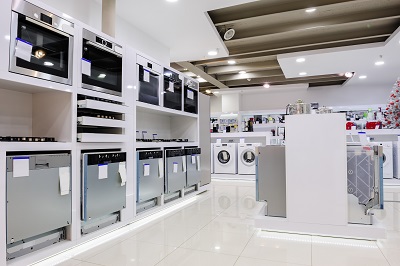
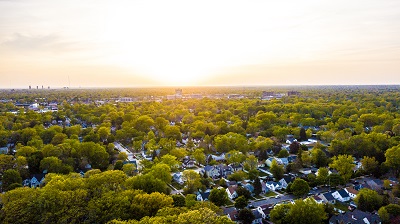
 Opening Window Image     Appliances Image        Aerial Neighborhood Image        Shower Running Image             

Twitter Language:

More than half of household #energy use is for HVAC systems. When springtime temps are neither too hot, nor too cold, can you open your windows for air flow and turn your system off? This #smallaction could make a #bigimpact.

When you buy electronics and appliances with the @ENERGYSTAR label, you're making a smart choice to cut back on your #energy use at home or at work. This choice helps our community reach our #carbonneutrality goal. #SmallAction #BigImpact

Collective action creates powerful opportunities for BIG change. We are 400,000+ households strong in Fairfax County. Imagine if every household unit took one #energy saving actions this year. Find suggestions here: http://bit.ly/2O3eYFk

Did you know that saving water saves energy too? And saving energy cuts down on #greenhousegas emissions. It's all connected! Look for small ways to save water at home this week and you'll make a big splash!

Facebook & Instagram Language:

Even small actions can make a big impact. There are more than 400,000 households in Fairfax County. If each one made a small change to conserve energy, think about the magnitude of the potential impact! The little things matter on our journey to achieve a Carbon-Free Fairfax.

Your electronics and appliances could be sucking energy you're not even aware of. Turn them off when they're not in use or invest in a smart power strip. These small actions can add up to a big impact on greenhouse gas emissions and help us achieve a carbon-free future in Fairfax County.

Are you doing some spring cleaning? Remember to change out your HVAC air filters! This is important for indoor air quality but also for energy conservation. A clean filter helps your HVAC run more efficiently. This small action can make a big impact on your health and on our greenhouse gas goals as we work to achieve a carbon-free Fairfax.

How long is your daily shower? You could be using up to 10 gallons of water every minute you're scrubbing and singing! Challenge yourself to cut it down by 1, 2, or 3 minutes this week! Save water. Save energy. Help us achieve a carbon-free Fairfax!

Graphics/Photos:

The following images/graphics can be used on Twitter, Facebook, or Instagram. Please feel free to resize the images if need be to suit your preferred look and feel on your platforms.

EV Charging Image          EV Parking Spaces Image          DOE EV Map Image        EV Interior Image

Twitter Language:

Trying to find a publicly accessible #electricvehicle charging station? This handy map from @ENERGY can help! Use it to find stations near your home, work, or on the road when traveling. https://afdc.energy.gov/stations/#/analyze?show_map=true

Studies show that, due to reduced fuel and maintenance costs, #electricvehicle drivers can expect to save between $6K and $10K over the lifetime of their car, compared to a gas-powered vehicle. #CarbonFreeFairfax

#DYK, as of December 2021, Fairfax County had 194 publicly-available #electricvehicle charging stations. That's 17 #EV charging stations per 100,000 residents, or one every .5 square miles in the county. #GoodToKnow #CarbonFreeFairfax

Looking for info on federal #taxcredits for #electricvehicle purchases? New #EVs purchased during or after 2010 may qualify for a $7500 credit. Check out this site from @ENERGY for info by make and model: https://www.fueleconomy.gov/feg/taxevb.shtml

Facebook Language:

Here's an interesting fact: As of December 2021, Fairfax County had 194 publicly-available electric vehicle charging stations. That's 17 EV charging stations per 100,000 residents, or one every .5 square miles in the county! Keep your eye out for EV charging where you live, work, play, shop, and worship!

Looking for info on federal tax credits for electric vehicle purchases? New EVs purchased during or after 2010 may qualify for a $7500 credit. The Department of Energy has a great site to help you check out cars by make and model, to see if the EV you're interested in qualifies for the credit: https://www.fueleconomy.gov/feg/taxevb.shtml

Trying to find a publicly accessible electric vehicle charging station? This handy map from the Department of Energy can help! Use it to find stations near your home, work, or on the road when traveling. https://afdc.energy.gov/stations/#/analyze?show_map=true

Studies show that, due to reduced fuel and maintenance costs, electric vehicle drivers can expect to save between $6,000 and $10,000 over the lifetime of their car, compared to a gas-powered vehicle. With fewer moving parts, EVs don't require oil changes or maintenance on other parts, like timing belts. Could an EV be right for you?

Instagram Language:

Here's an interesting fact: As of December 2021, Fairfax County had 194 publicly-available electric vehicle charging stations. That's 17 EV charging stations per 100,000 residents, or one every .5 square miles in the county! Keep your eye out for EV charging where you live, work, play, shop, and worship!

Looking for info on federal tax credits for electric vehicle purchases? New EVs purchased during or after 2010 may qualify for a $7500 credit. The Department of Energy has a great site to help you check out cars by make and model, to see if the EV you're interested in qualifies for the credit. See the link in our bio.

(Link for bio: https://www.fueleconomy.gov/feg/taxevb.shtml)

Trying to find a publicly accessible electric vehicle charging station? This handy map from the Department of Energy can help! Use it to find stations near your home, work, or on the road when traveling. See the link in our bio!

(Link for bio: https://afdc.energy.gov/stations/#/analyze?show_map=true)

Studies show that, due to reduced fuel and maintenance costs, electric vehicle drivers can expect to save between $6,000 and $10,000 over the lifetime of their car, compared to a gas-powered vehicle. With fewer moving parts, EVs don't require oil changes or maintenance on other parts, like timing belts. Could an EV be right for you?

Greenhouse Gas Reduction Goals

Carbon Neutrality by 2050

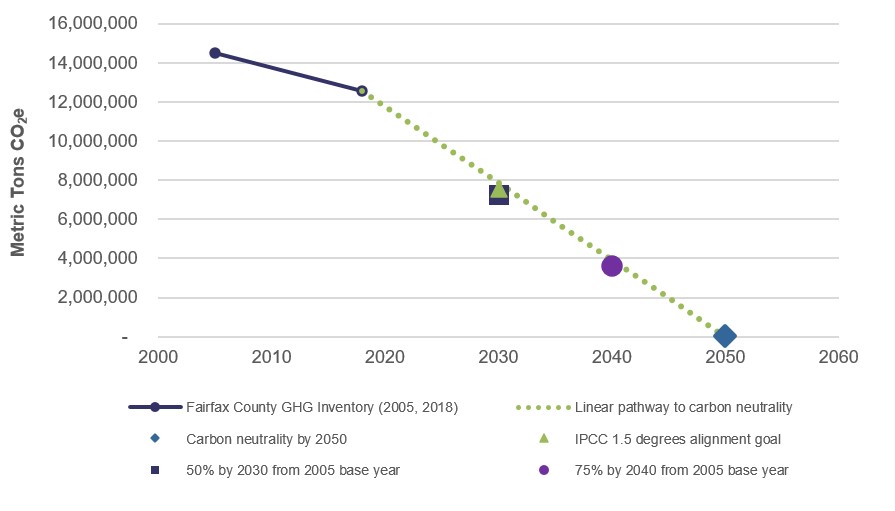
The overarching, long-term target goal of CECAP is for the Fairfax County community to achieve carbon neutrality by 2050, with 87 percent of the necessary emission reductions coming from local sources and actions, as opposed to the purchase of carbon offsets.

What Does It Mean To Be Carbon-Neutral?

For the purposes of CECAP, carbon neutrality means achieving net zero emissions by balancing greenhouse gases released in our community with an equivalent amount reduced or offset using carbon credits.

Interim Target Year Goals

On the way to realizing carbon neutrality, the CECAP Working Group set two interim target year goals for the community:

  • Fairfax County will reduce greenhouse gas emissions by 50 percent by 2030.
  • Fairfax County will reduce greenhouse gas emissions by 75 percent by 2040.
Why have two interim goals?

The interim goals are all about keeping us on track and helping the community to benchmark our progress on the way to carbon neutrality by 2050. The 2030 interim goal aligns with the Intergovernmental Panel on Climate Change's (IPCC) findings regarding the importance of keeping global temperature increases below 1.5 degrees Celsius.

The 2040 interim goal aligns with our 2050 carbon neutrality goal. All three of the target year goals are illustrated in the graph below, which is also available on page 28 of the final CECAP report.

Chart illustrating the CECAP target year goals

Sector-Specific Goals

In addition to target year goals, the Working Group selected a series of sector-specific goals to further guide the actions of the community as we work toward carbon neutrality. The goals are listed below.

  • All new, eligible buildings in the county will have a commitment to green building.
  • Retrofit at least 100,000 housing units with energy efficiency measures by 2030.
  • Increase transit and non-motorized commuting to 30 percent (including teleworking) by 2030.
  • Increase plug-in electric hybrid vehicles and battery electric vehicles to at least 15 percent of all light-duty vehicle registrations by 2030.
  • Expand the tree canopy to 60 percent with a minimum of 40 percent tree canopy coverage in every census block by 2030 and a minimum of 50 percent tree canopy coverage in every census block by 2050, prioritizing areas of highest socioeconomic need first.
  • Achieve zero waste by 2040, defined as at least 90 percent waste diverted from landfill/incineration, in alignment with the definition by the Zero Waste International Alliance.
Why these goals?

Each of the sector-specific goals addresses an area where we can make a real impact on our local greenhouse gas emissions. The two top sources of greenhouse gases in Fairfax County are energy use in buildings, both residential and commercial (49 percent of all emissions), and transportation, like cars and trucks on our roads (44 percent of all emissions). It's no wonder four of the six sector-specific goals relate to these two areas of focus.


Fairfax Virtual Assistant