
Fairfax County Flood Mitigation Assistance Program Approved List of Practices for Fiscal Year 2027 (July 1, 2026 - June 30, 2027)

Fairfax County Flood Mitigation Assistance Program Approved List of Practices for Fiscal Year 2027 (July 1, 2026 - June 30, 2027)
| Practice | Description | County Review Requirements |
|---|---|---|
| Install permanent glass protection materials or floodproof windows |
Permanent glass protection can prevent damage from flooding and other extreme weather events. Floodproof windows or those with glass protection are passive systems that protect from rising floodwater and debris impact. They are typically hurricane impact-rated and tested to withstand more than 10’ of water and large object collision. | No reviews or permits needed. |
| Install basement window covers |
To significantly increase effectiveness, basement window covers/protection should be made of steel reinforced polycarbonate plastic and custom fitted and installed. Studies have shown inexpensive, plastic models offer minimal protection. | No reviews or permits needed. |
| Install custom ground floor or basement window wells | 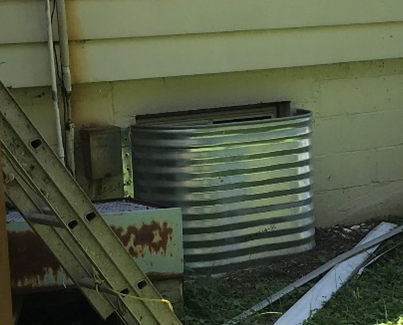 A ground floor or basement window well should have a central drain that is either connected to an interior or exterior drain tile system or to a pipe that drains to a location outside the residence. Installing a new drain requires soil excavation and either reinstalling or replacing the window well liner. Also, for the best protection against flooding, a window well should be custom fitted. | Before you begin: Approved practices may require applying for and the issuance by Land Development Services of building and/or mechanical, electrical, and plumbing permits. Land Development Permit Library. Contact number: 703-222-0801 Contact Miss Utility at 811 or 1-800-552-7001 in accordance with Virginia Law before you begin. |
Return to the top of the page.
| Practice | Description | County Review Requirements |
|---|---|---|
| Install flood shields or panels, permanent doorway flood gate or panel |
Flood shields or panels are watertight structural systems that bridge the openings in walls to prevent the entry of floodwaters. Although flood shields are most often temporary measures, they can also be used as a permanent floodproofing measure (e.g. hinged plate or door). A few vendors make special doors for permanent installation and drop-in panels or barriers that are designed to be watertight and installed as needed for flood protection. Permanent floodgates can be an easier and faster alternative to sandbags; however, they require installation and, in most cases, custom fitting. Operations and Maintenance: Dry floodproofing components, including flood shields, panels and gates, must be maintained to ensure proper functioning during flood events, and some products require significant labor with pre-flood installation and post-flood removal. Special Considerations: Because dry floodproofing can create significant hydrostatic pressure, this strategy can only be used for floodwaters that are a few inches to slightly over a foot deep in existing buildings. For deeper water, walls, floors and interior columns and beams must be specially engineered to resist expected pressures. | No reviews or permits needed. |
Return to the top of the page.
| Practice | Description | County Review Requirements |
|---|---|---|
| Purchase temporary flood barriers |
If deployed at a basement or garage entrance, these socks can stop leaks and water seeps. | No reviews or permits needed. |
| Purchase traditional sandbags or sandless sandbags |
Traditional sandbags are bags or sacks filled with sand or soil for flood control purposes. Sandbag sheets, or plastic sheeting, can also be used in conjunction with sandbags to create a barrier. Sandless sandbags are compact, lightweight bags, filled with a water-absorbing polymer, that expand when filled with water. Once filled, they act as a flood wall barrier. Since water is used as the main barrier, once the bags are no longer needed, the water can be let out and the bags stored until the next event. | No reviews or permits needed. |
Return to the top of the page.
| Practice | Description | County Review Requirements |
|---|---|---|
| Purchase and connect battery-backups for sump pumps |
A battery backup provides protection against power outages and ensures the pump continues to work regardless of electric status. Grants are limited to one battery backup per pump. | Before you begin: Approved practices may require applying for and the issuance by Land Development Services of building and/or mechanical, electrical, and plumbing permits. Land Development Permit Library. Contact number: 703-222-0801 |
| Install flood vents |
And while at first glance, allowing floodwater into a home seems counterproductive to mitigating damage, the purpose of flood vents is to reduce expensive structural damage. These vents accomplish this objective by allowing water to pass into or out of a building's exterior foundation walls unobstructed. | Before you begin: Approved practices may require applying for and the issuance by Land Development Services of building and/or mechanical, electrical, and plumbing permits. Land Development Permit Library. Contact number: 703-222-0801 |
| Disconnect or plug internal floor drains |
If these lines get clogged or back up, water flows backwards and discharges through the floor drain. Disconnecting or plugging these drains can reduce the chance of sewer backups occurring. | No reviews or permits needed. |
| Sub-slab drainage system |
A sub-slab drainage system is a major project requiring demolition, wiring, plumbing, and permits. If not done carefully, it could make drainage problems worse and damage buried infrastructure. It is primarily used for groundwater rising from below, not drainage problems at ground surface. It is important to determine the cause of your problem so you can choose the most appropriate solution. If you can solve a drainage problem from outside the structure, it is almost always preferable and simpler than solving it from inside. Before installing a sub-slab drainage system, you are encouraged to read the Conservation District’s drainage resources - You and Your Land and Solving Drainage and Erosion Problems: A Guide for Homeowners – to explore alternative solutions. After reading our resources, if you are still unsure how to proceed, you may contact the Conservation District for a consultation. Advice from District staff is not binding and will only be given for work that can be done on the exterior of the structure. | Before you begin: This approved practice requires applying for and the issuance by Land Development Services of building and/or mechanical, electrical, and plumbing permits. Land Development Permit Library. Contact number: 703-222-0801 Contact Miss Utility at 811 or 1-800-552-7001 in accordance with Virginia Law before you begin. |
Return to the top of the page.
| Practice | Description | County Review Requirements |
|---|---|---|
| Purchase utility flood covers |
By installing a waterproof flood cover underneath a furnace, boiler and/or hot water heater, a homeowner can quickly provide up to six feet of floodwater protection. | No reviews or permits needed. |
| Install interior concrete or masonry floodwalls |
These interior floodwalls can provide utilities or other key areas with up to four feet of flood protection. | Before you begin: Approved practices may require applying for and the issuance by Land Development Services of building and/or mechanical, electrical, and plumbing permits. Land Development Permit Library. Contact number: 703-222-0801 |
| Elevate electrical outlets, switches, sockets, and circuit breakers | 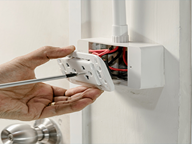 When floodwater gets into electrical systems, they are either ruined or at the very least, cannot be used again until they have been dried out and inspected by an electrician. Therefore, having a licensed and qualified electrician elevate outlets, switches, sockets, and circuit breakers to be at least one foot above expected flood levels is a way to avoid significant electrical damage during flood events. | Before you begin: Approved practices may require applying for and the issuance by Land Development Services of building and/or mechanical, electrical, and plumbing permits. Land Development Permit Library. Contact number: 703-222-0801 |
| Elevate utilities and service equipment |
| Before you begin:
|
Return to the top of the page.
| Practice | Description | County Review Requirements |
|---|---|---|
| Install a flood alert system |
Current flood alert systems utilize existing home Wi-Fi networks, coupled with 20 to 30-foot water-sensing flood cables, to monitor for water intrusion. If water is detected, the flood alert system can notify a homeowner via text, call, or email. | Before you begin: Approved practices may require applying for and the issuance by Land Development Services of building and/or mechanical, electrical, and plumbing permits. Land Development Permit Library. Contact number: 703-222-0801 |
| Purchase portable submersible water pumps and hoses |
A submersible water pump and hose can be used to prevent accumulation of floodwater entering a building, or remove water after a flood event, mitigating damage to the building or supplies and expediting the recovery process. | No reviews or permits needed. |
| Incorporate flood-resistant building materials |
Flood Resistant building materials are defined by FEMA as any building product [material, component, or system] capable of withstanding direct and prolonged contact with floodwaters without sustaining significant damage. The term “prolonged contact” means at least 72 hours, and the term “significant damage” means any damage requiring more than cosmetic repair. | Before you begin: Approved practices may require applying for and the issuance by Land Development Services of building and/or mechanical, electrical, and plumbing permits. Land Development Permit Library. Contact number: 703-222-0801 |
| Apply waterproofing sealants or membranes to foundation walls | 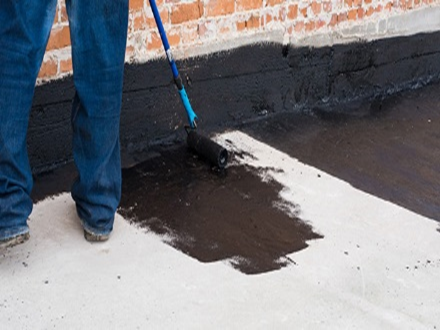 Water seepage through concrete or cinder block basement walls is a common problem. Because of this, many companies have developed waterproofing sealers, paints and membranes. These products come in several forms and may be applied to the interior or exterior of the wall. Liquid waterproofing products can be brushed, rolled, troweled or poured on. Membranes are typically plastic boards or sheets that attach to the outside of the wall. When applied properly, the products create an impermeable barrier that prevents water from absorbing into or passing through the wall. | Before you begin: Waterproofing practices may require applying for and the issuance by Land Development Services of a "Residential Miscellaneous" permit. Land Development Permit Library. Contact number: 703-222-0801 If you are waterproofing the exterior of the building:
|
Return to the top of the page.
| Practice | Description | County Review Requirements |
|---|---|---|
| Perform surface regrading |
For surface regrading to be effective, the regraded soil must be mechanically compacted to prevent settling. Surface regrading should aim to reestablish the approved site plan grades (for the approved site plan, see the LDS Site Records Viewer). Note that Zoning Ordinance 2-602 states "no change shall be made in the existing contours of any land, including any change in the course, width, or elevation of any natural or other drainage channel, in any manner that will obstruct, interfere with, or change the drainage of such land…". | Before you begin:
|
| Construct an earthen berm or a diversion barrier |
An earthen berm is a small hill covered with grass or other plants that is built to divert runoff so that it will not affect a certain area. As opposed to surface grading, this involves building "up" instead of grading "down." A diversion barrier does the same thing, but in appearance looks more like a low garden wall or sturdy landscape edging. It can be made of wood, brick, stone or any other impermeable material. Diversion barriers are not retaining walls; they are not as tall and not designed to retain soil. Retaining walls often require permits. Note that Zoning Ordinance 2-602 states "no change shall be made in the existing contours of any land, including any change in the course, width, or elevation of any natural or other drainage channel, in any manner that will obstruct, interfere with, or change the drainage of such land…" Berms or diversion barriers cannot dam up or redirect runoff onto neighboring properties.
| Before you begin:
|
| Install a French drain system around foundation |
| Before you begin:
|
| Modification of Overland Flow Obstructions | 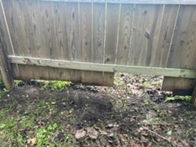 An improperly installed fence can block cross property overland storm flow and cause water to pond in your yard or your neighbor’s yard. Modify yard obstructions, like fences, so they do not inhibit or alter surface flow (i.e., water must be able to flow under and through the fence unimpeded). For fences that cross swales, or water flow paths, the bottom of the fence should be raised at least six inches above the bottom of the swale. | No reviews or permits needed.
|
| Installation of a trench drain | 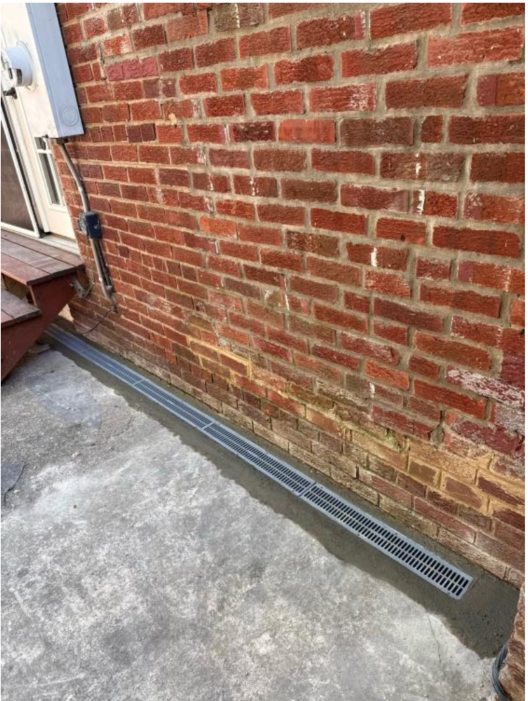 A trench drain (also known as a channel drain, line drain, or strip drain) is a long, narrow channel installed either at or just below surface grade, capped by a removable grate cover. Its purpose is to intercept and collect excess surface water and convey it away from vulnerable areas to a safe discharge point. Regular upkeep (debris removal) is necessary for continued effectiveness after installation. | Before you begin:
|
| Extension & burial of downspout gutters | 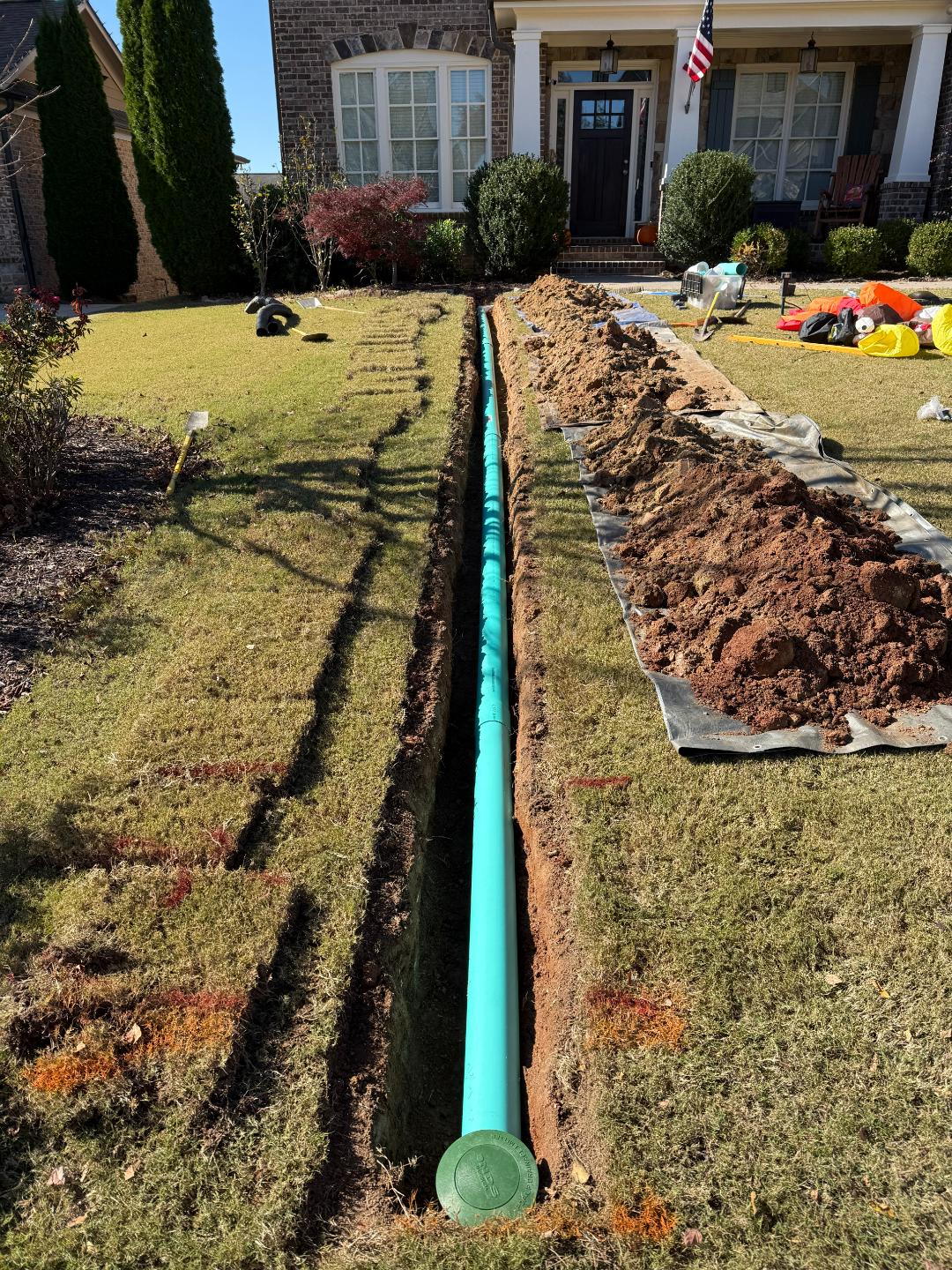 Burying and extending the downspouts away from the home can be an inexpensive and simple solution to water pooling around the foundation or leaking into the basement. To qualify for funding, extension pipes must be buried; overland extension of downspouts will not be considered. Because this practice is commonly installed for aesthetic reasons, a short narrative/testimonial explaining why the project is being installed and how it will protect the property from flooding must be included in your application materials. | Before you begin:
|
Return to the top of the page.
| Practice | Description | County Review Requirements |
|---|---|---|
| Adding a raised curb or landing with additional steps at the top of the stairs | 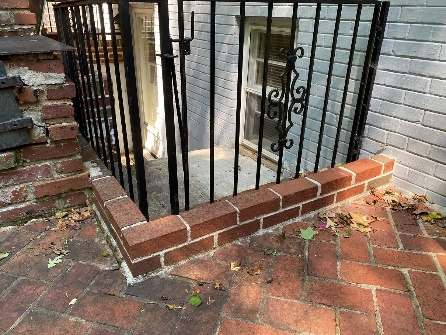 A raised curb or a landing with additional steps at the top of the stairs creates a barrier that keeps water from flowing down the stairwell and pooling near the doorway. | Before you begin:
|
| Regrading around the top of the stairs to direct runoff away |
Note that Zoning Ordinance 2-602 states “no change shall be made in the existing contours of any land, including any change in the course, width, or elevation of any natural or other drainage channel, in any manner that will obstruct, interfere with, or change the drainage of such land…”. | Before you begin:
|
| Installing a cover over the stairs to keep out rainfall | 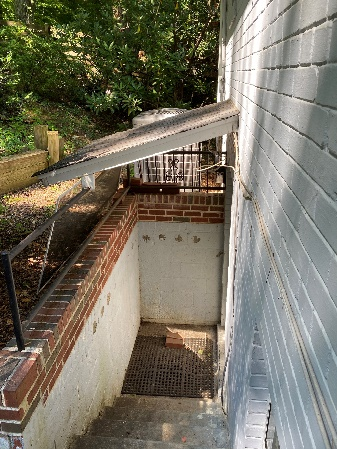 An awning or roof over the stairs blocks rain and snow and prevents water from pooling at the base of the stairs near the doorway. | Before you begin: Approved practices may require applying for and the issuance by Land Development Services of building and/or mechanical, electrical, and plumbing permits. Land Development Permit Library. Contact number: 703-222-0801 |
| Installing a sump pump or drain in the base of the stairwell | 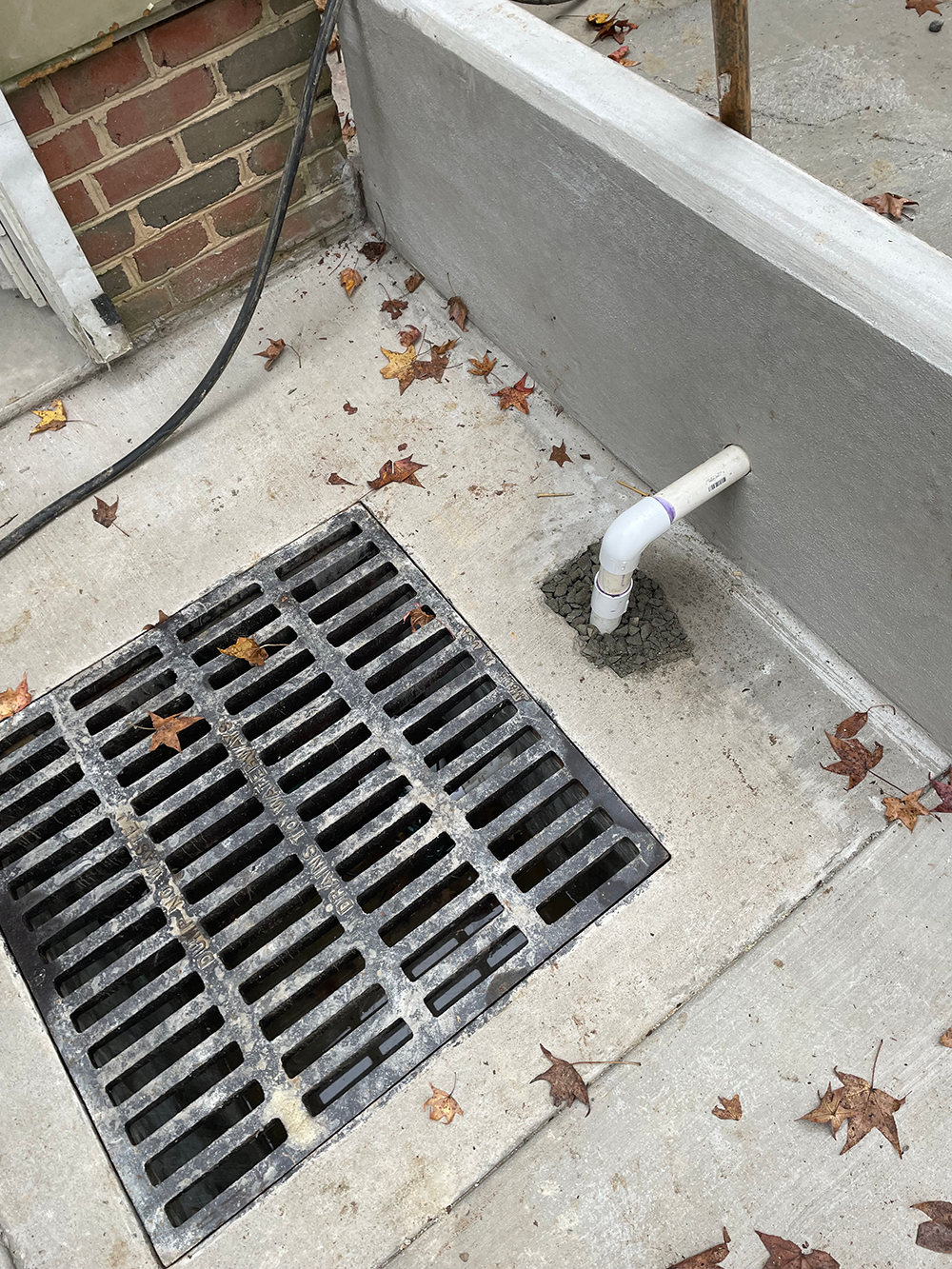 A sump pump or drain installed in the base of the stairwell drains off water that would otherwise pool near the doorway. If a gravity-fed drain is used, it must be brought to daylight somewhere else on the property or connected to an existing foundation drain. If neither is possible, a sump pump should be used. | Before you begin: Approved practices may require applying for and the issuance by Land Development Services of building and/or mechanical, electrical, and plumbing permits. Land Development Permit Library. Contact number: 703-222-0801 |
Return to the top of the page.
| Practice | Description | County Review Requirements |
|---|---|---|
| Other | Other types of flood mitigation practices outside of the Approved List of Practices may be considered on a case-by-case basis and may be incorporated into the Program if warranted. | Before you begin: Approved practices may require applying for and the issuance by Land Development Services of building and/or mechanical, electrical, and plumbing permits. Land Development Permit Library. Contact number: 703-222-0801 |
 During significant flooding events, moving debris or simple pressure can break windows that are not adequately protected.
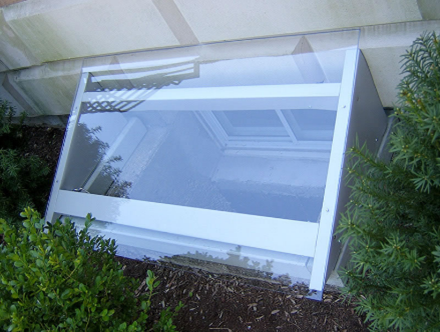 Fixed, translucent, water-tight covers installed on near grade or below grade basement windows provide increased protection against surface flooding.
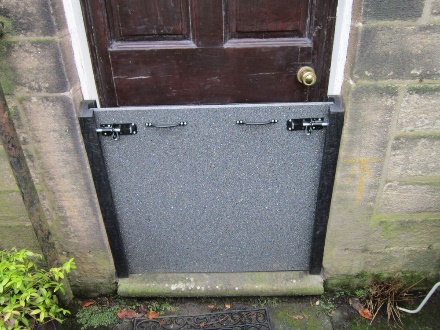 The quickest way for surface flooding to enter a structure is through open doorways.
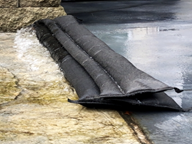 Temporary flood barriers are lightweight and flexible absorbent socks designed primarily for residential use. Using absorbent technology, flood socks absorb water and then bind together to create a flood protection system.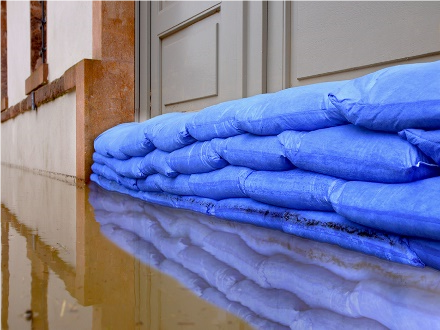
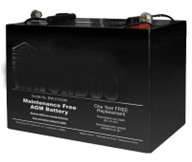 Many basements are equipped with sump pumps to divert groundwater away. These pumps almost always run on electricity. During extreme weather, electricity can go out, leaving a basement unprotected against flooding at the time it is needed most.
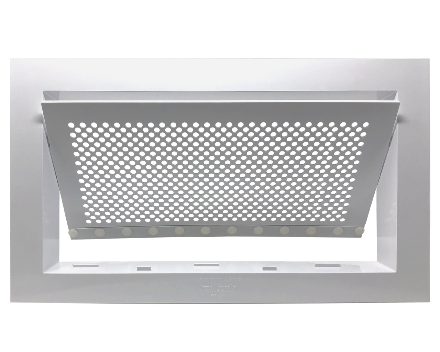 Flood vents are small openings that allow floodwater to pass through and drain out of an enclosed area of the home (e.g. garage, crawlspace, etc.) reducing the risk of damage to the structure by releasing water pressure.
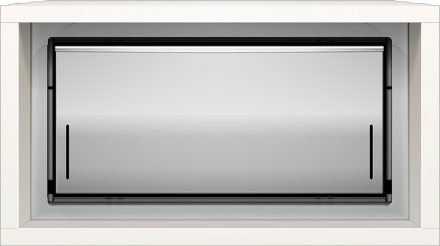 In a flood situation, the water pressure inside and outside a residence may not be able to equalize quickly, resulting in the foundation of a home becoming compromised. If this occurs, a residence could quickly become unsafe.
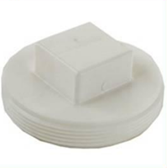 Most internal stairwell drains are connected to either sanitary or storm sewer laterals external to the residence.
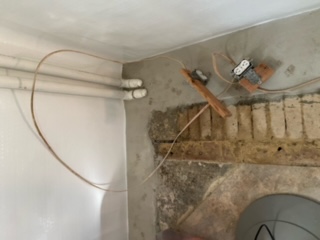 Sub-slab drainage systems consist of perforated drainpipes connected to a sump pump, all installed below the lowest level of the structure. As groundwater rises from below, the drainpipes capture it and the pump discharges it outdoors before the water rises to the level of the floor.
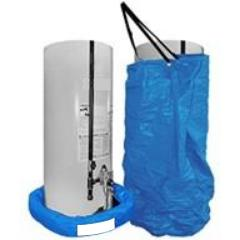 Fast-installing, plastic utility flood covers are designed to protect utilities from flood and water damage. Utility flood covers look like plastic protective sleeves that are pulled up and fastened above a utility if flooding is forecasted. These covers, which can be installed and pulled up in minutes, can also protect the surrounding area if a water heater malfunctions or leaks.
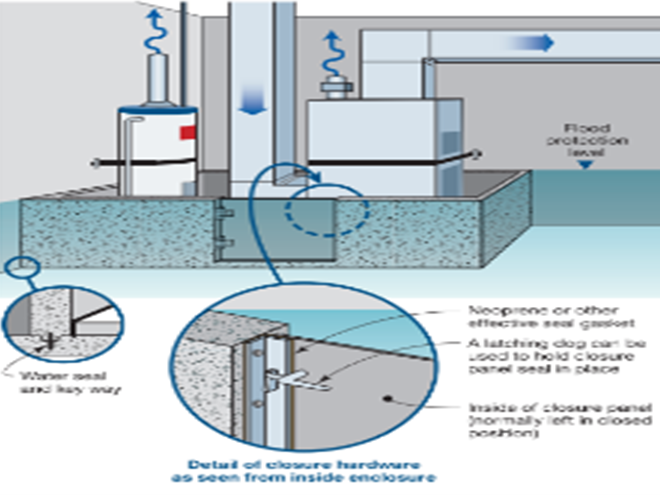 Elevating or enclosing large appliances in a basement or other areas vulnerable to flooding using concrete blocks, walls or other masonry products can reduce the risk of water damage in a flood event.
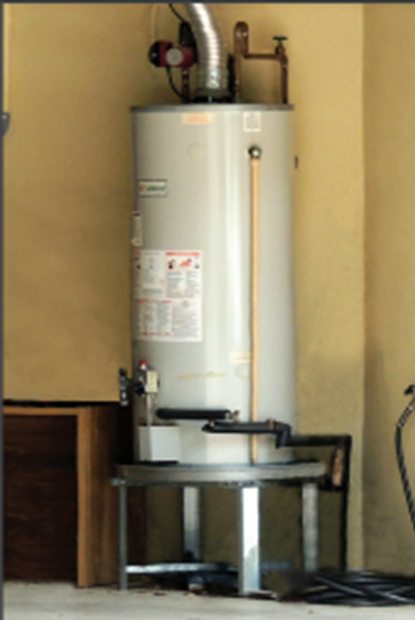 Elevating key components associated with a residence’s heating, ventilation, and air conditioning (HVAC) system, along with other major appliances such as washers, dryers, and hot water heaters from basement areas to a higher floor or the attic is the best way to mitigate against future flood damage.
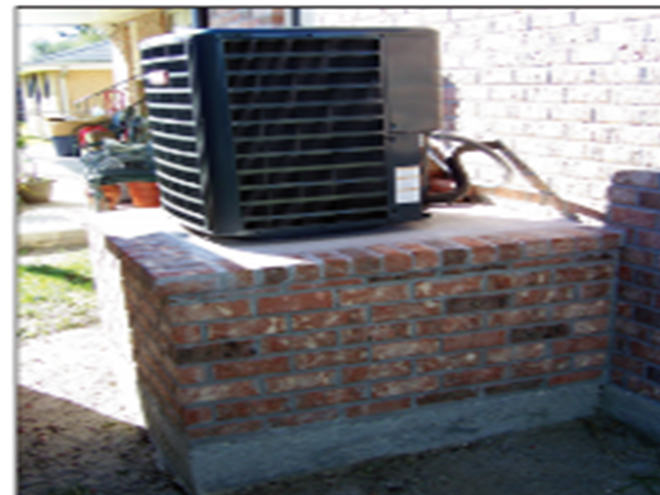 If elevation through relocation is not possible, homeowners can protect HVAC and appliances by elevating them in place. For external utilities such as heat pumps that lie within potential flood prone areas, consider elevating using riders and cement blocks.
 Flood alert systems can notify a homeowner when water first enters an area, enabling them to take immediate response actions to avoid more extensive flood damage.
 Once flooding occurs, it can be difficult to clean up. Without working floor drains, water can remain in low lying areas until removed manually.
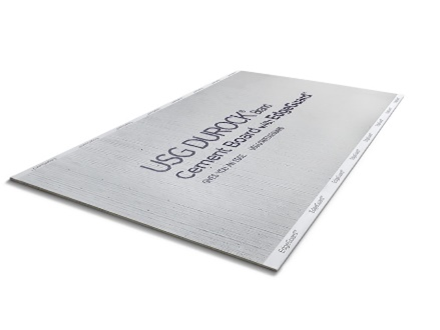 After a flood event, replacing damaged building materials with flood resistant building materials, including cement board, vinyl and rubber flooring, concrete, lime plaster and decay-resistant wood can increase a home’s resilience to flood events.
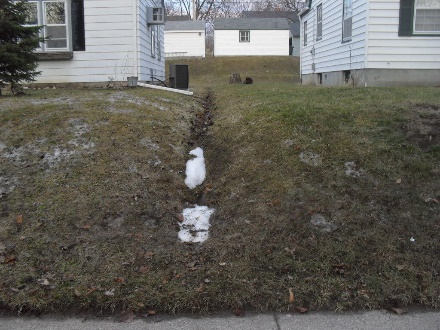 Surface regrading can prevent floodwater from reaching a home by directing storm water away from a residence. This is typically done by creating a slope away from a residential structure at a grade of at least 0.5 inch per foot for at least 10 feet.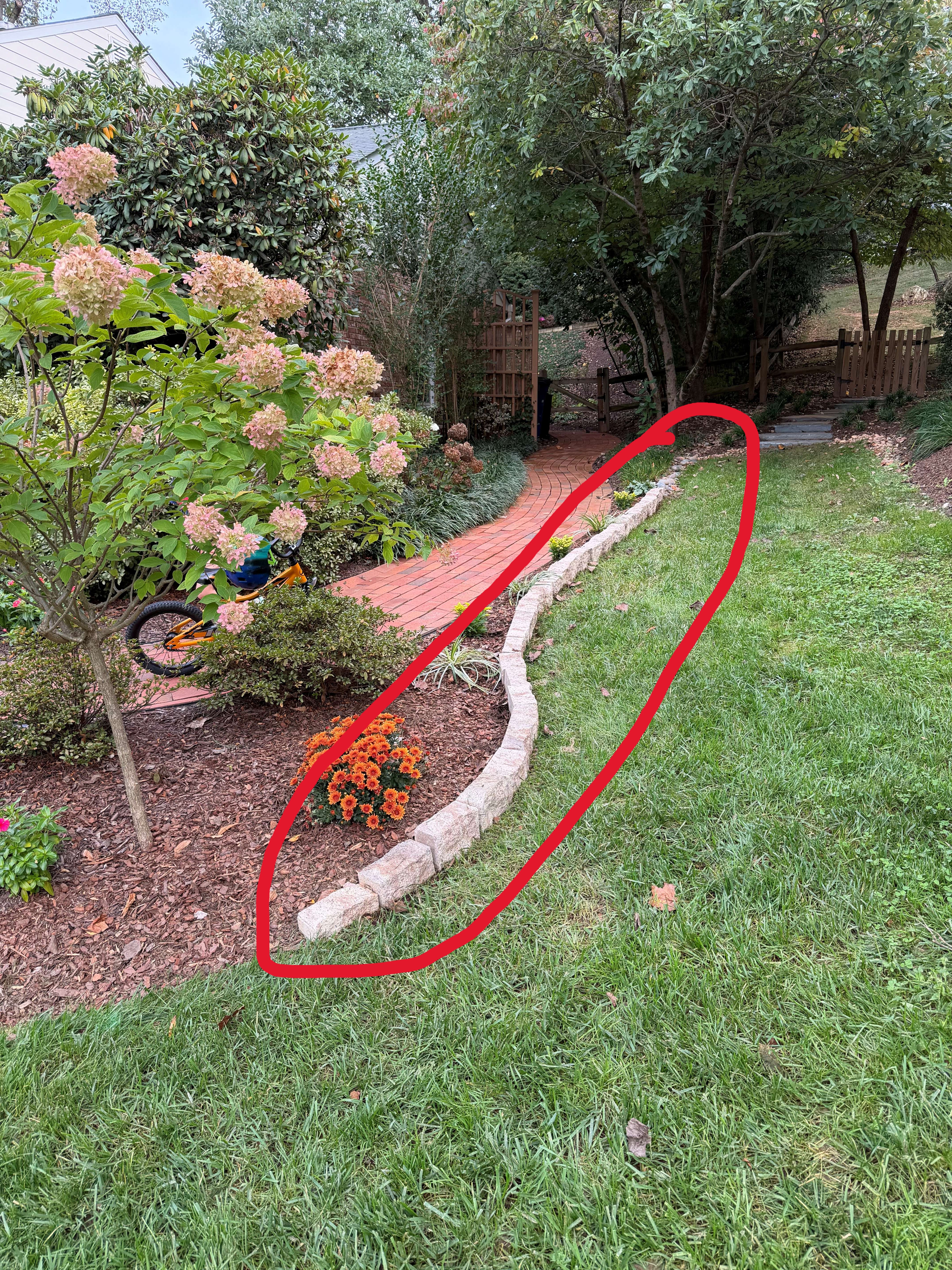

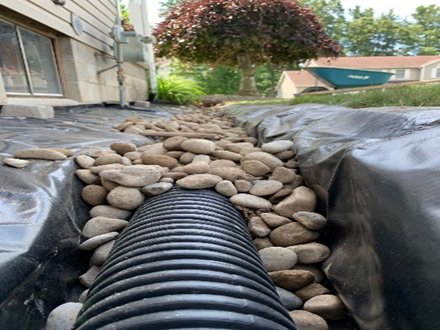 The purpose of a French drain is to direct surface runoff water and groundwater away from the home’s foundation. These types of drains are ideal because they reduce pressure and remove excess moisture from the soil by collecting surface water and groundwater.
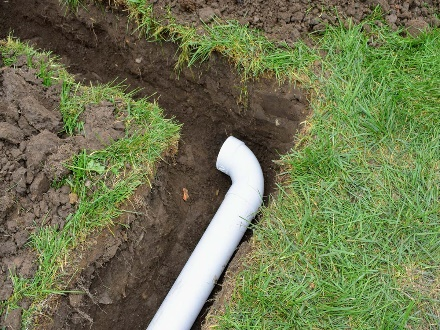 French drains are normally installed below areas prone to flooding to serve as a channel for water to flow away from a home. French drains can be installed to alleviate water from pooling in low-lying areas such as a ditch or basement.
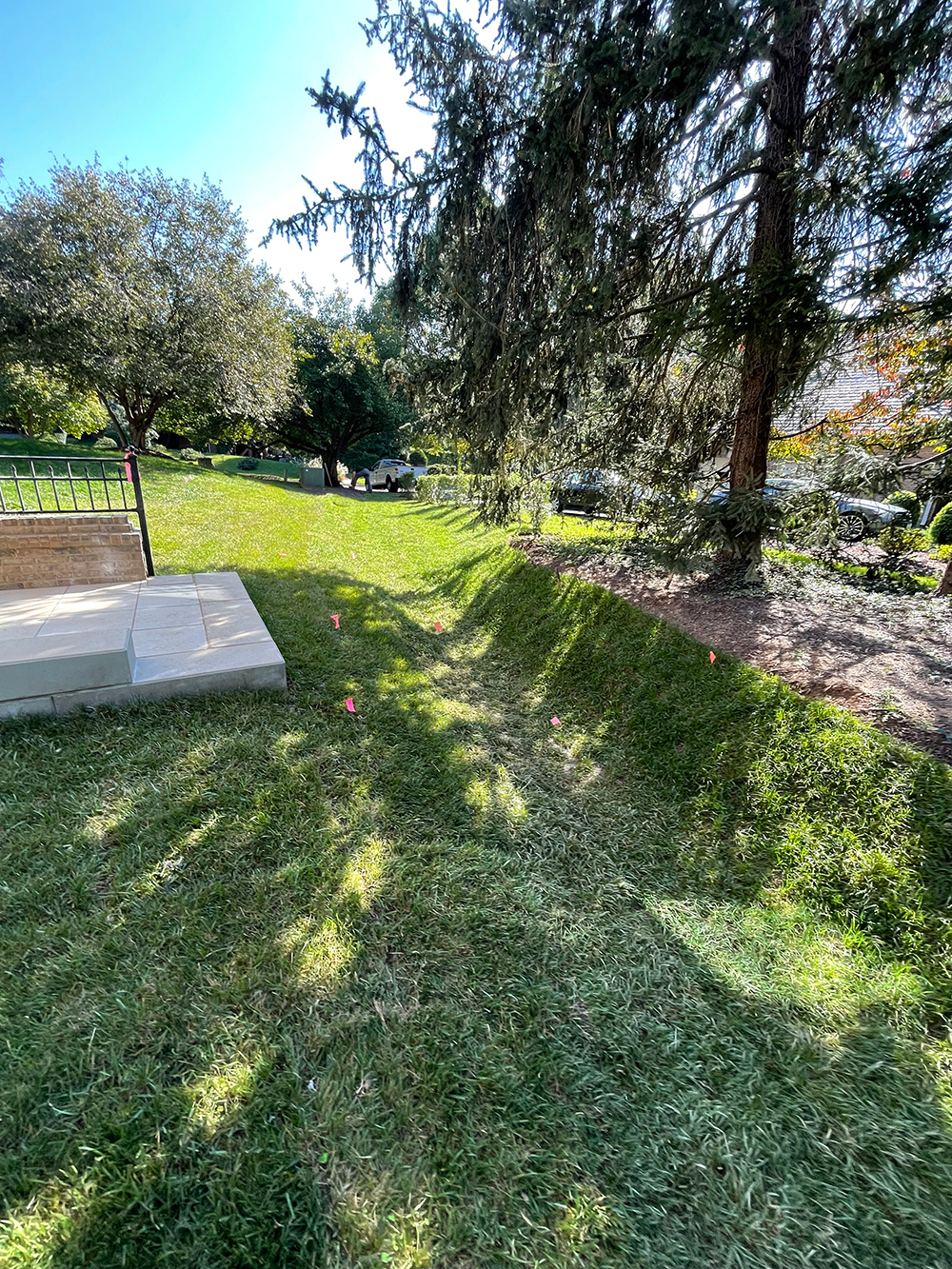 If the land around the stairwell slopes towards the top of the stairs, water can flow down the stairs and pool near the doorway. The land can be regraded to direct water away, typically by creating a slope away from the stairs at a grade of at least 0.5 inches per foot. To be effective, the regraded soil must be mechanically compacted to prevent settling.