
HEALTHY LANDSCAPES
Healthy Landscapes in Fairfax County—especially our forests and tree canopy—are vital for both watershed health and climate action. Through the Healthy Landscapes area of focus, DPWES strives to enhance the quality of life in our community by ensuring the vitality of the urban forest and preserving the natural environment. Compatibility between the developed and natural communities is promoted through science, education, shared knowledge and strong partnerships. DPWES’s Urban and Community Forestry Division (UCFD) is the primary county agency responsible for adding tree canopy and monitoring pests that threaten the health of the forests in the county.
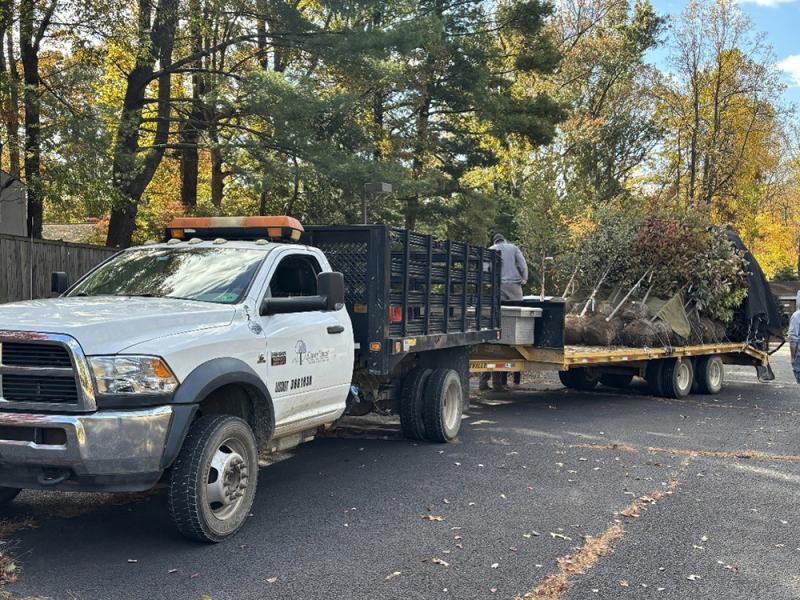
DPWES facilitates tree planting events on public and private properties, including financial assistance to nonprofits, homeowner associations (HOAs), and businesses. For example, the UCFD has been working in partnership with Casey Trees to plant trees in areas that are prioritized according to equity data from One Fairfax. In 2024, DPWES’ Urban and Community Forestry Division (UCFD) planted over 280 trees on school property and other public grounds.
Target(s)
In 2021, the existing 44,400,000 forest and neighborhood trees in Fairfax County covered approximately 55% of the land area. DPWES’s Natural Resources goal of expanding and preserving tree canopy aligns with the county’s Communitywide Energy and Climate Plan (CECAP) target to increase canopy from 55% to 60% overall by 2030.
Benefits
Healthy landscapes perform critical "ecosystem services" and benefits that man-made infrastructure often cannot replicate:
- Climate Regulation: Trees and plants act as natural air conditioners, cooling surrounding areas by up to 31°F compared to asphalt. They also sequester carbon, a primary greenhouse gas. A single mature tree capable of absorbing approximately 48 pounds of CO2 annually.
- Water Management: Healthy soil and root systems act as filters, removing pollutants before they reach groundwater. They also reduce the risk of flash flooding; a 2,500-square-foot lawn can absorb over 6,000 gallons of water from a single rain event.
- Biodiversity Support: Native plant landscapes provide essential food and habitat for pollinators like bees and butterflies, which are critical for global food security.
Plus, a healthy landscape is a financially viable investment for individuals and communities, providing economic and social value:
- Property Value: Professional, healthy landscaping can increase a home’s resale value by 10% to 15% and help it sell up to six weeks faster.
- Utility Savings: Strategic tree placement can reduce air conditioning costs by 15% to 50% by shading buildings and blocking wind.
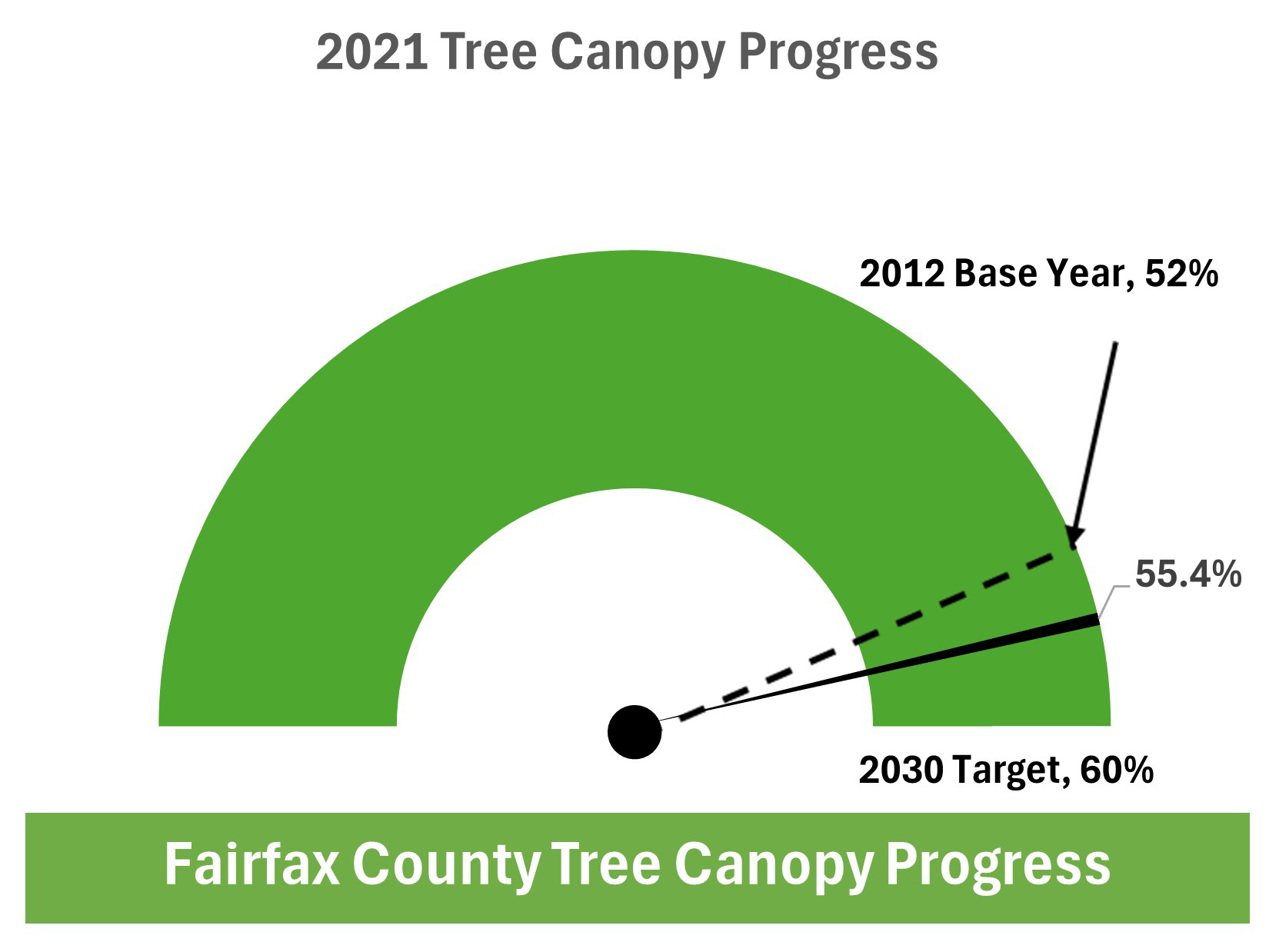
Tree Canopy Progress
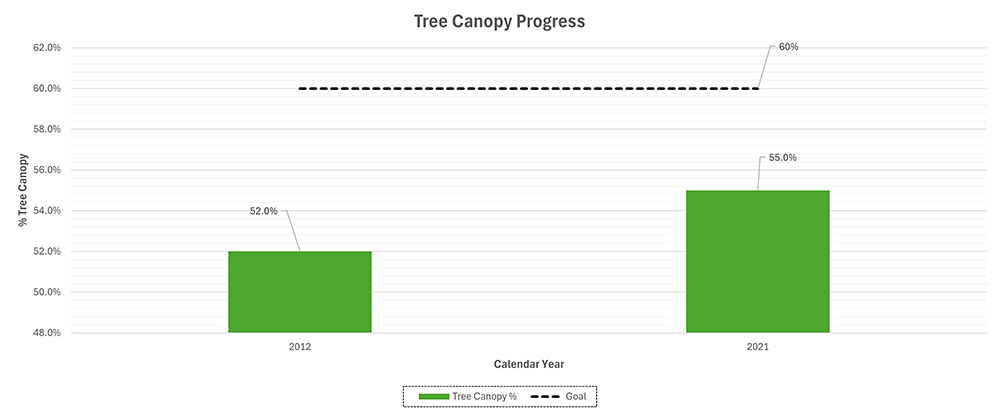
Tree Canopy Trend
Click on figures to enlarge.
Highlights
Tree Distribution to Community Organizations program demonstrates one of the few effective strategies local governments have to expand tree canopy on private property, where traditional policy and regulatory tools are limited. By providing free trees, targeted outreach, and planting support in low-canopy neighborhoods, the county successfully planted 139 trees in just over a year—exceeding typical participation rates for voluntary programs and prompting the county to make the initiative permanent.
The pilot project, completed in 2022 to plant trees along the Route 1 corridor, shows that modest public investment can leverage voluntary action by homeowners to increase neighborhood tree cover, delivering long-term benefits such as shade, reduced urban heat, improved stormwater management, and greater environmental equity in underserved communities.
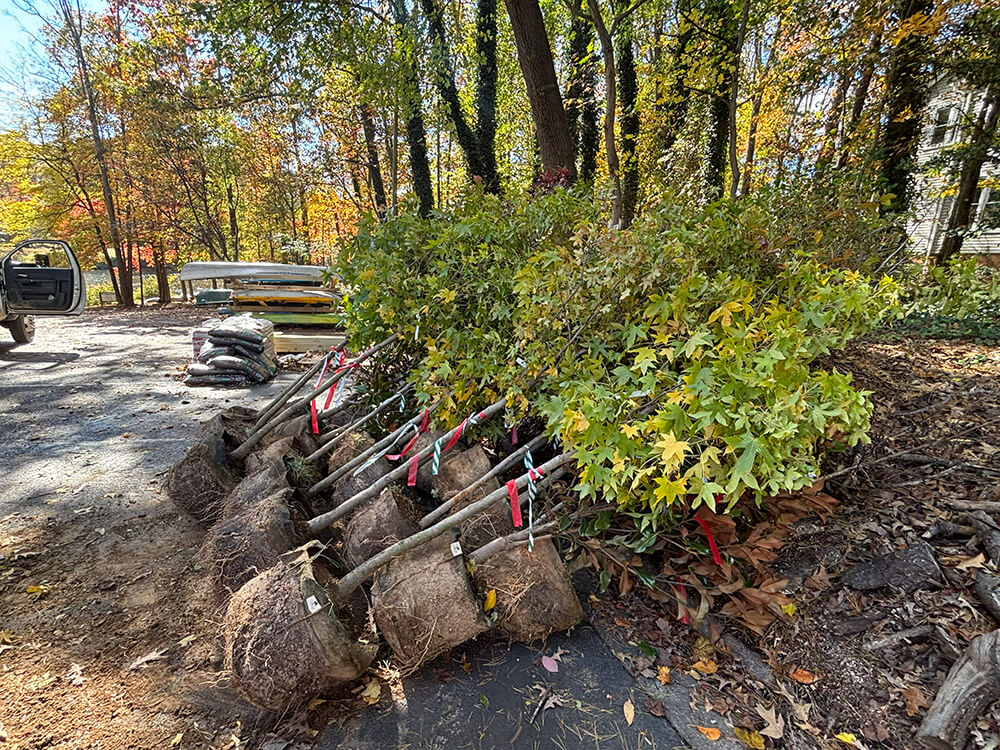
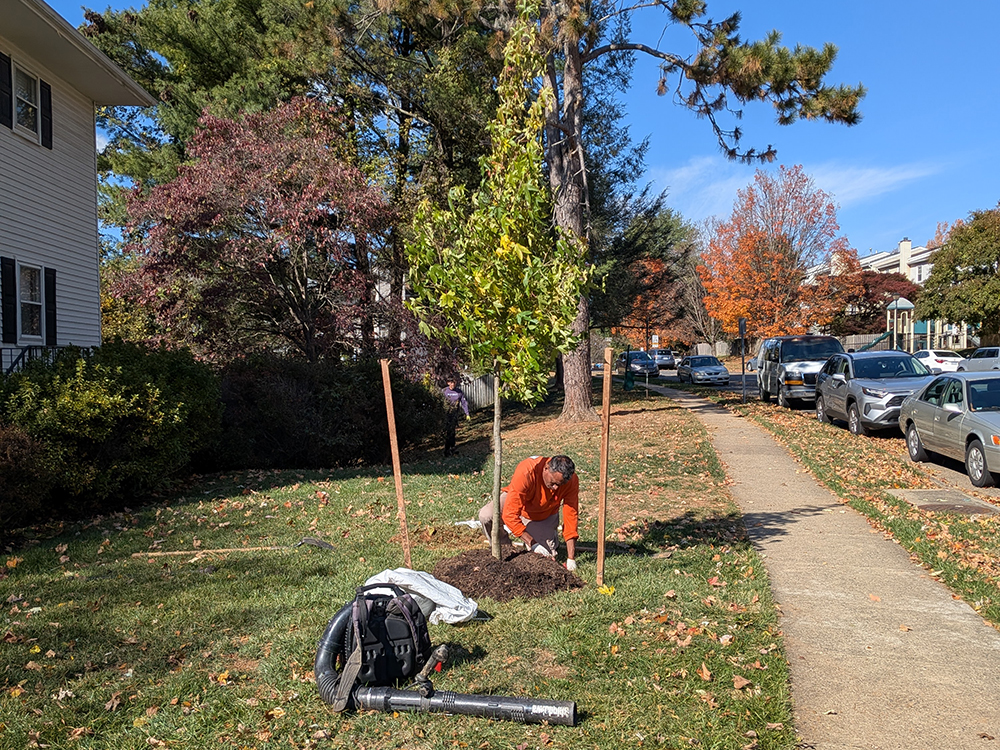
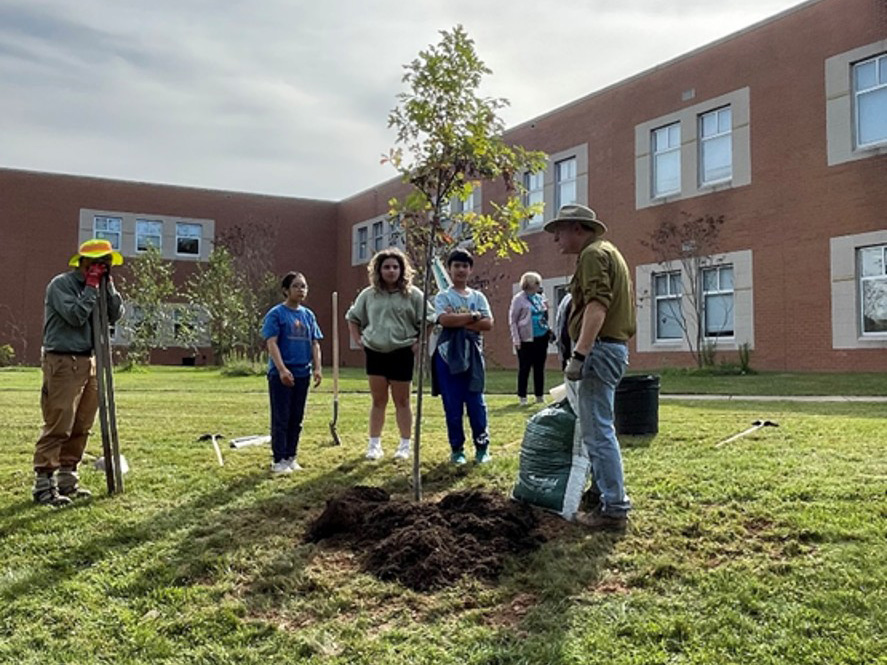
Urban forestry education students at Liberty Middle School worked with the Urban and Community Forestry Division to plant trees along the lawn around the school.
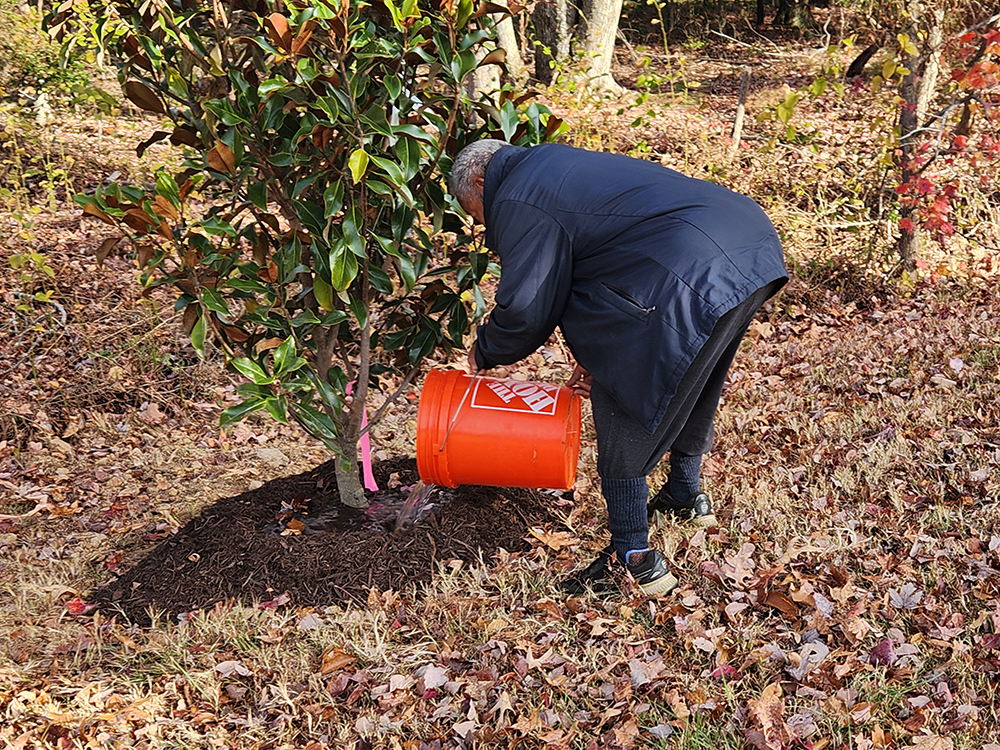
Staff helped dig the holes, and students helped install the trees and carefully cover the roots with the existing soil. The trees were mulched and watered to enhance the rooting environment and improve the potential for the trees to establish themselves. Reducing mowed space and increasing tree canopy helps reduce CO2 emissions, captures more stormwater runoff than lawn, and helps decrease the heat island effect where trees shade paved surfaces. Students learn valuable lessons about the benefits of trees, proper planting and maintenance techniques, and the importance of environmental stewardship.
CLEAN WATER
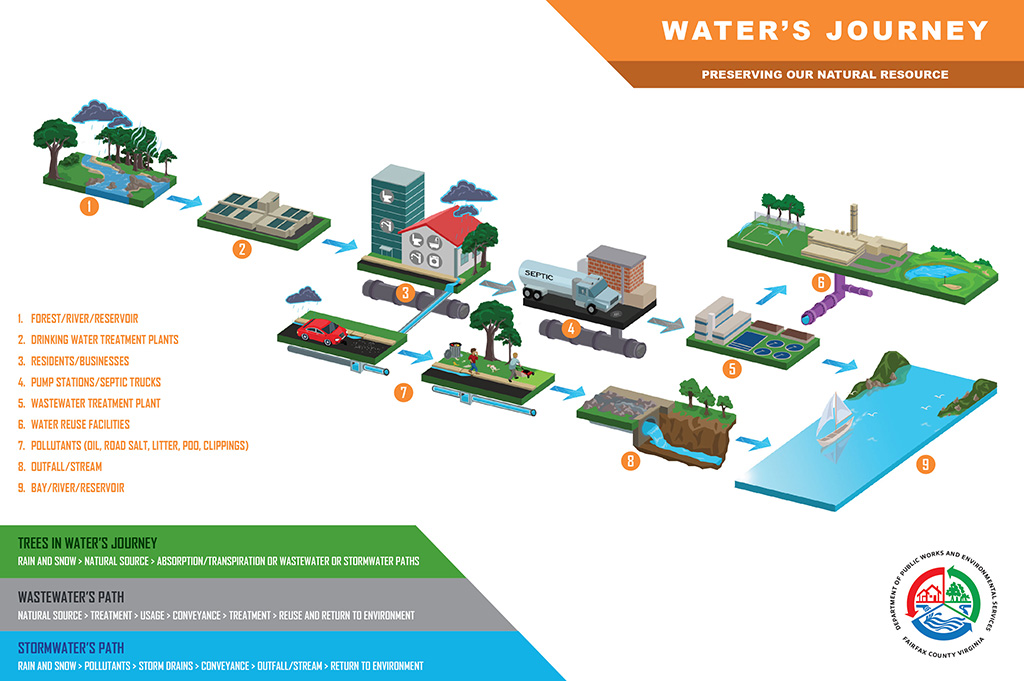
Fairfax County DPWES Stormwater and Wastewater business areas protect and restore water systems that support its use for drinking, recreation, fishing, navigation and commerce, and of course sustain life – people, plants, animals and fish. Water’s journey in Fairfax County starts with rain runoff that enters our streams and lakes, is pulled from the Potomac River and the Occoquan Reservoir and treated by Fairfax Water for drinking. Water that is used is collected in pipes and treated at wastewater treatment facilities before being returned to our streams and lakes and ultimately the Potomac River and Chesapeake Bay.
Stormwater
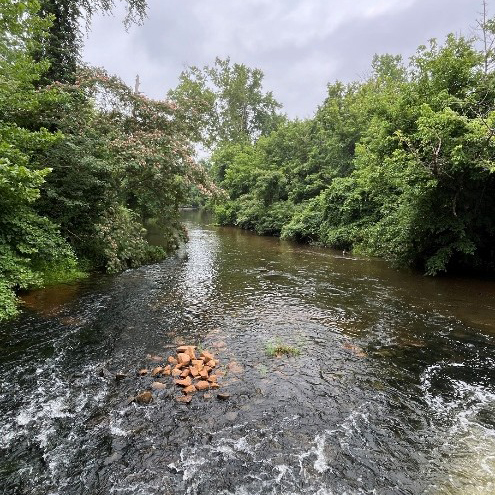 Rain runoff can pick up and transport pollutants and trash and can flow at high velocities that cause flooding, erosion, and pollution. DPWES Stormwater Management operates an award-winning Municipal Separate Storm Sewer System. DPWES maintains the pipes and structures that move water to our streams and lakes, and manages the green infrastructure, ponds, dams, and stream restoration projects. Climate change is increasing flooding, and DPWES is boosting the county’s resilience through more than 30 actions. These include purchasing repeatedly flooded properties and converting them to open space, operating a countywide flood‑warning system, and supporting emergency response efforts.
Target(s)
Reduce nutrient pollution from county‑managed stormwater to protect local streams, the Potomac River, and the Chesapeake Bay. Measured as progress toward a 100% nitrogen-pollution-reduction requirement, largely through stream restoration and other stormwater projects.
Benefits
Larger, more intense storms can exacerbate erosion and pollution while nature-based solutions can protect water quality while delivering multiple co-benefits.
Progress
See the county’s strategic plan Environment and Energy page for the most recent progress numbers.
Wastewater
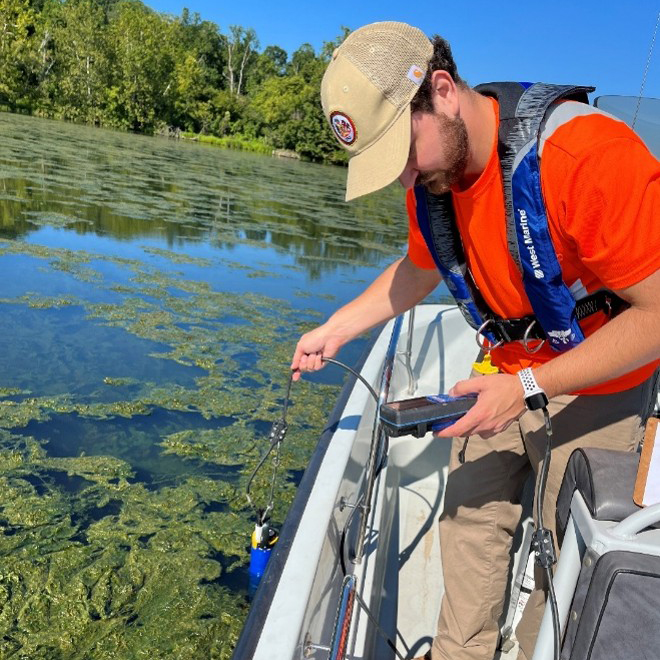 In Fairfax County, used water goes to one of five major wastewater treatment plants in the region. Check out this map to learn “Where does my water go?” Some residents have an on-site septic system to treat household wastewater. DPWES Wastewater Management Program maintains the sewer system used to collect wastewater for treatment. There are more than 3,300 miles of sewer lines and 70 pumping stations that convey over 100 million gallons of water daily. Approximately 40% of that flow goes to the award-winning, county owned and operated wastewater treatment plant, Noman M. Cole Jr. Water Recycling Facility. The facility releases cleaned wastewater, or effluent, into Pohick Creek which flows to Gunston Cove, the Potomac River and ultimately the Chesapeake Bay. The county and George Mason University have been environmentally monitoring the “Cove” since 1984. Gunston Cove has become an important example of how to recover an ecosystem, not just for the Chesapeake Bay area but also for similar restoration efforts worldwide.
Target(s)
Maintain high‑quality wastewater treatment to meet or exceed all state and federal water quality standards.
Benefits
Effective wastewater conveyance and treatment systems are critical for protecting public health, preserving ecosystems, and supporting long-term community resilience.
Daily Performance
The Noman M. Cole Jr. Water Recycling Facility is consistently recognized for outstanding performance and supports innovative solutions such as the Water Reuse Project, which sends treated water to places like Reworld Waste, LLC, the Laurel Hill Golf Course, and local sports fields.
Highlights
Fairfax County is home to more than 750 miles of perennial streams, of which about 70% to 80% are in fair to very poor biological health. To address this, the Department of Public Works and Environmental Services (DPWES) regularly restores these streams using natural channel restoration methods to create a stable channel that can convey storm flows without eroding. After establishment, stream restoration requires little to no maintenance when well-designed and constructed.
Stream restoration benefits include: stability, pollution (namely N and P) prevention due to decreased erosion, improving habitat for biological community by native vegetation, restored wetlands and stabilized bed and banks. Additionally, there are quality of life benefits including infrastructure protection (paths, roads, utilities, buildings) and flood mitigation.
More information about stream restoration can be found at Restoring Streams to Help the Environment | News Center.
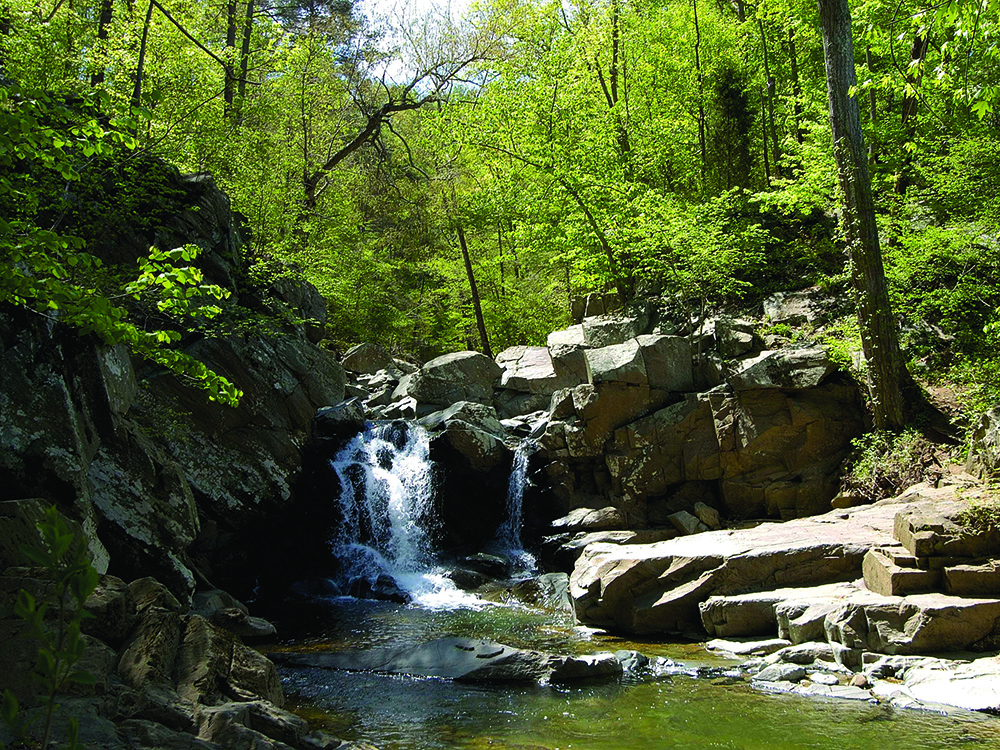
On 7/1/2026 DPWES released its 2026 Floodplain Management and 2026 Repetitive Loss Area Analysis Progress Report, detailing the specific benefits and achievements to date in DPWES’ initiatives to reduce flood risk and improve resilience to a changing climate that is fueling flooding impacts. Visit the OEEC’s website to learn more about resilience metrics.
For more information about flooding in Fairfax County, visit Flood Information | Public Works and Environmental Services. Residents can apply to the Flood Mitigation Assistance Program through the Northern Virginia Soil and Water Conservation District to assist with projects to protect their properties from flood damage.
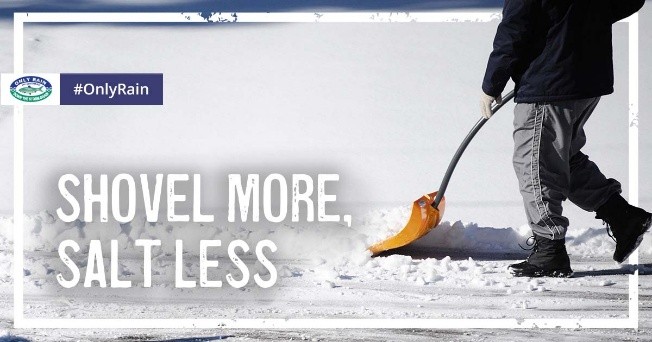
Did you know that Emergency Operations support sustainability and resiliency? DPWES clears snow from travel ways and sidewalks at county facilities. DPWES practices careful application of brine and salt per the Northern Virginia Salt Management Strategy. Excess salt and other pollutants harm aquatic ecosystems, degrade water quality, damage infrastructure, and compromise drinking water sources.
Fairfax Water withdraws water from the Potomac River near the James J. Corbalis Water Treatment Plant and from the Occoquan Reservoir at the Frederick F. Griffith Water Treatment Plant. The Occoquan Reservoir watershed drains about 590 square miles spanning four counties and two cities. Unlike the vastly larger Potomac Watershed, the Occoquan water supply is very susceptible to urbanization and pollutants introduced in local jurisdictions. Elevated salt levels in drinking water in the Occoquan reservoir can lead to increased human health risks, including hypertension and cardiovascular issues, from higher salt intake.
THRIVING ECOSYSTEMS
Healthy streams, wetlands, and aquatic habitats are essential to clean water, resilient communities, and Thriving Ecosystems. They improve water quality, reduce flooding, recharge groundwater, support biodiversity, and provide recreational and economic benefits across Fairfax County and the Chesapeake Bay watershed.
Wetlands, forests, parks, floodplains, living shorelines, and other natural habitats function as adaptive environments—natural systems that absorb floodwaters, buffer storm surge, reduce erosion, cool urban areas, improve water quality, recharge groundwater, and provide habitat for native plants and wildlife.
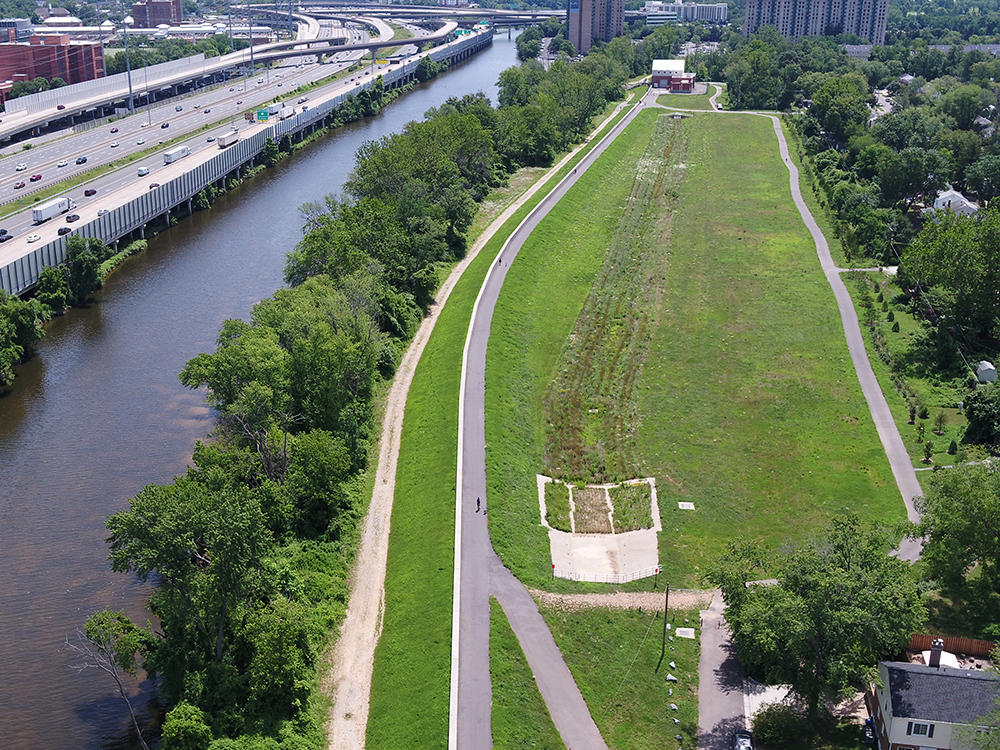
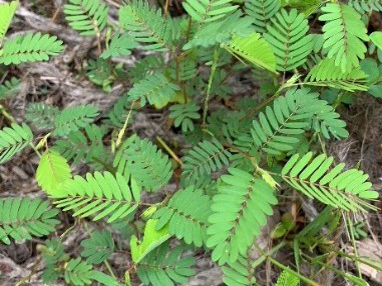
DPWES helps to restore stream health, restore natural hydrology, expand wetlands, plant native vegetation and enhance aquatic habitat. Many of these projects also restore natural floodplain processes that create or enhance wetlands, improving groundwater recharge, increasing flood storage, and supporting more resilient ecosystems.
Highlights
Habitat improvements are implemented in certain maintenance and capital projects through the county’s Capital Improvement Program. Watershed Monitoring is performed by a variety of means in the Stormwater Management business area. DPWES monitors streams to assess the overall condition and suitability in the watershed to inform effective restoration, conservation and management actions, including those to reduce Nitrogen pollution of our waterways. Monitoring results are used to identify locations of instability for inclusion in the county’s CIP project process and inform watershed management planning, as well as to assess post-project performance. Every year, Fairfax County staff check the condition of select streams around the county. They focus on the stream’s habitat, physical features, and the land around it.
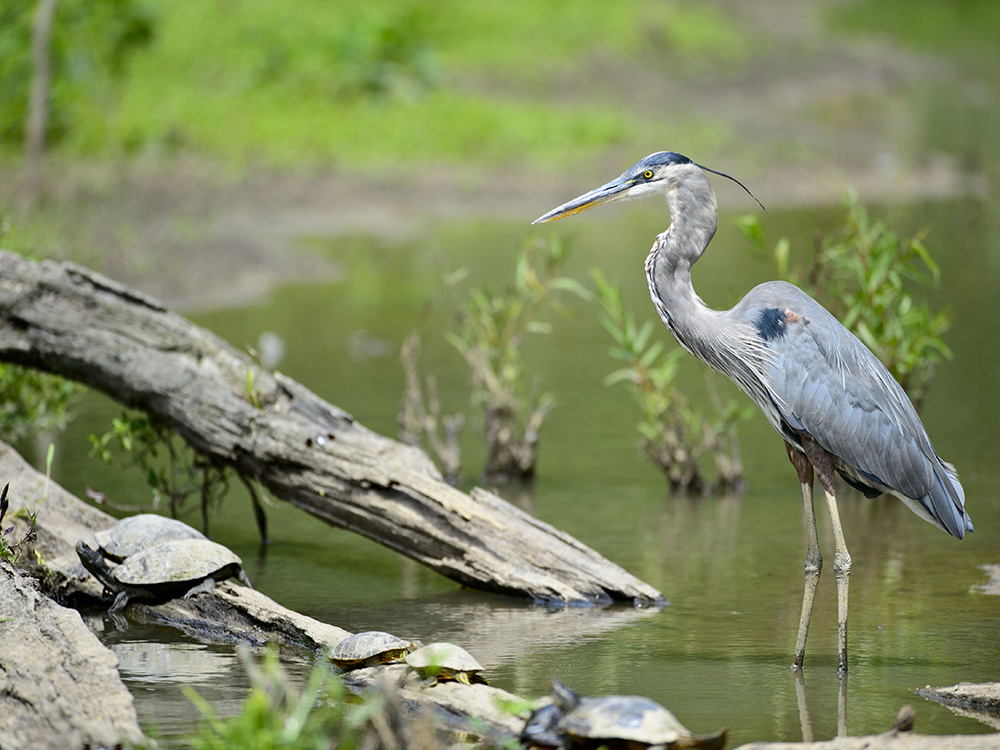
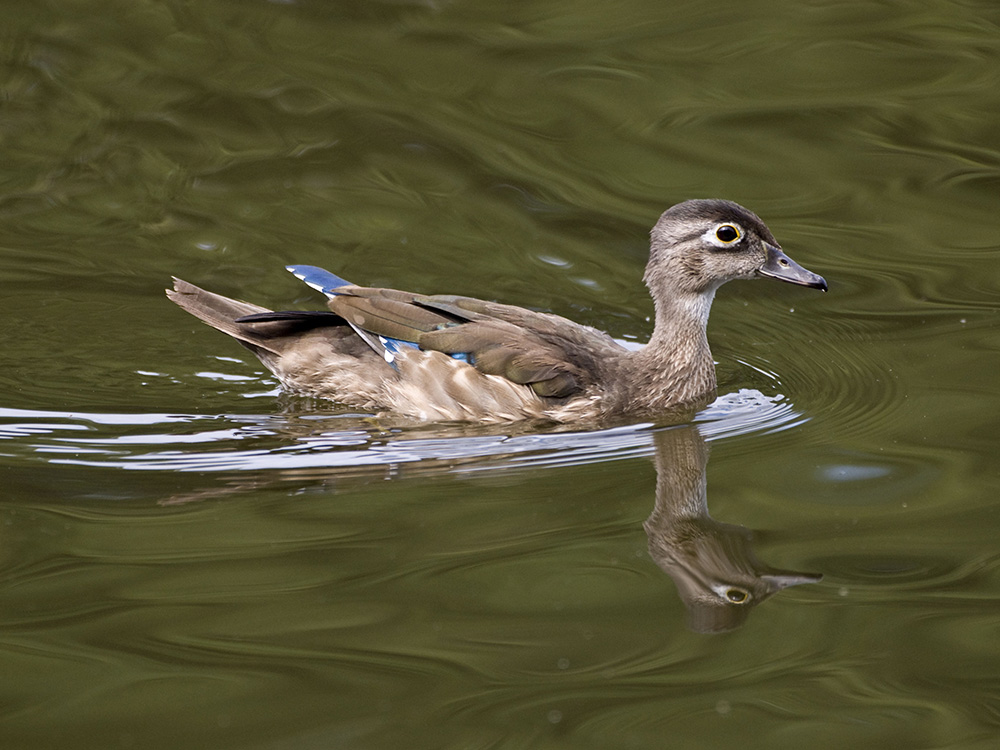
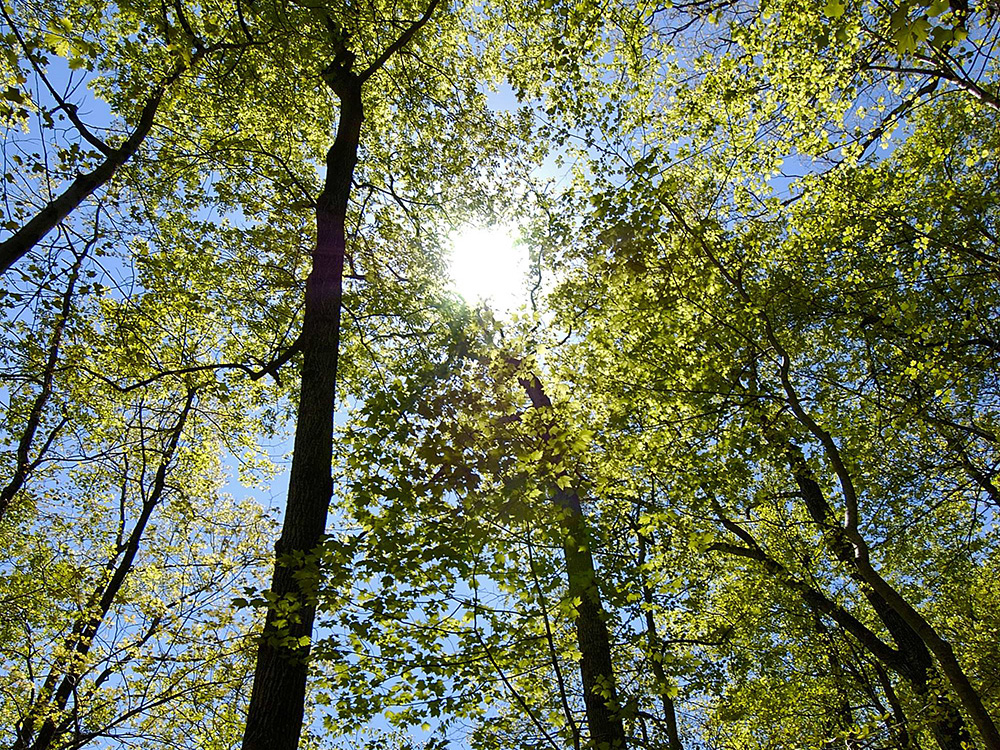
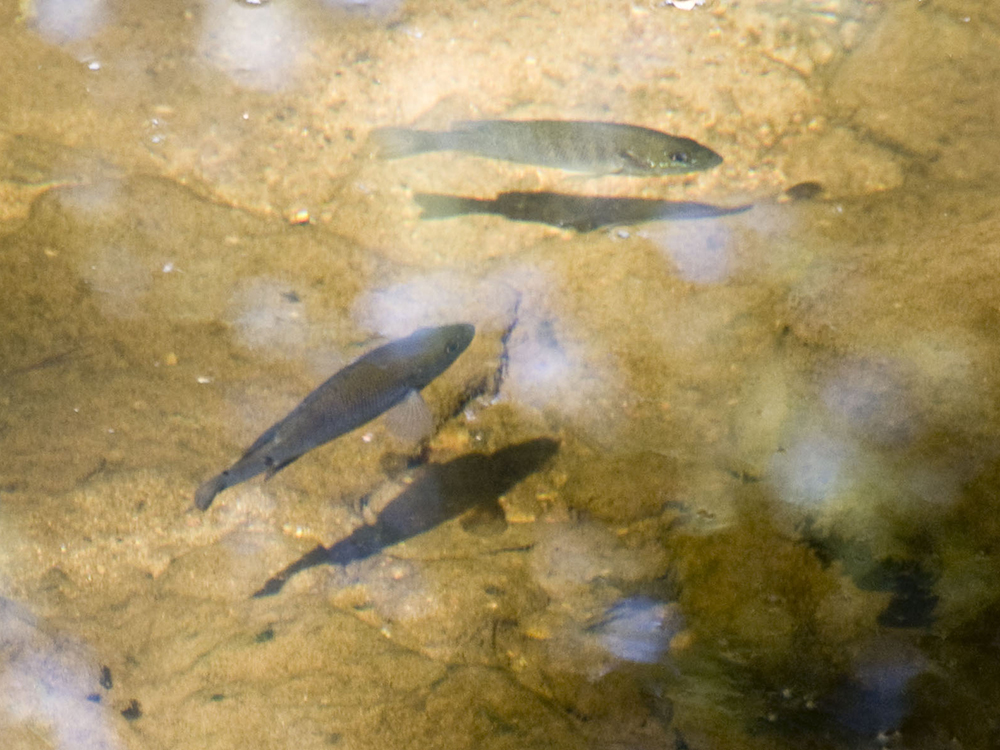
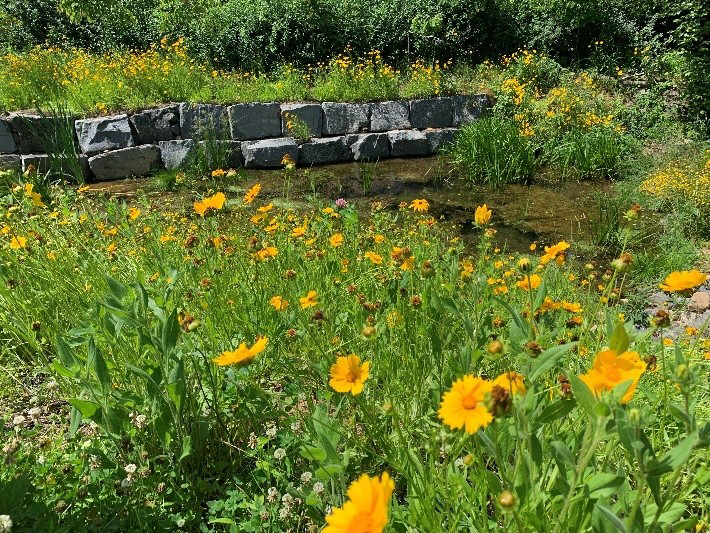
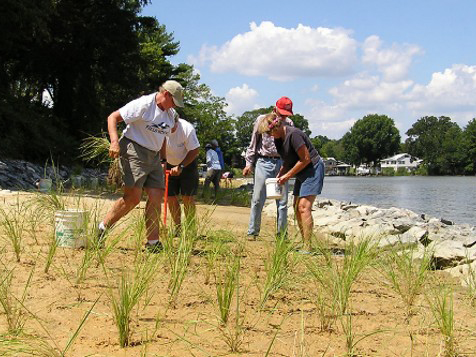
Living shorelines use natural materials and native vegetation to help protect streambanks and shorelines from erosion while improving water quality and providing new habitat. Unlike traditional hard structures, living shorelines work with natural processes to stabilize the shoreline, filter pollutants from stormwater runoff, and provide food and shelter for fish, birds, and other wildlife. They also help buffer and build resilience to flooding and changing water levels as well as boat traffic, creating healthier waterways for both people and the environment.
COMMUNITY ENGAGEMENT
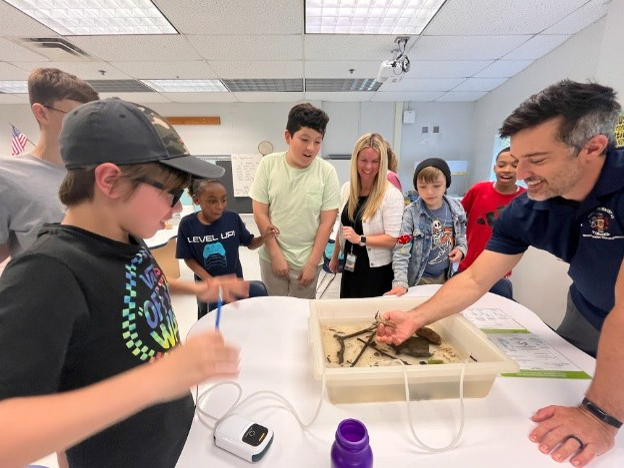
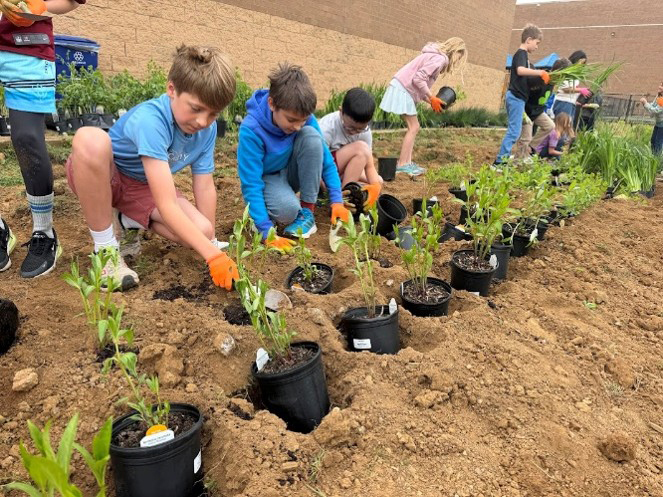
DPWES helps build informed, engaged communities that protect and restore local waterways, forests, and natural resources. Through education, outreach, workforce development, and community partnerships, DPWES supports Fairfax County's broader sustainability and resilience goals while advancing the Engaged Communities goal of the 2025 Chesapeake Bay Watershed Agreement, which recognizes that long-term environmental restoration depends on an informed and active public.
Environmental Education and Stewardship
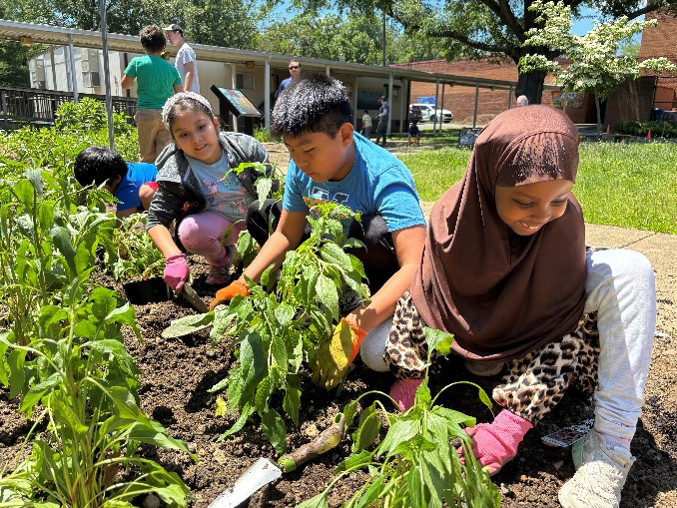
Long-term success across the natural resources sustainability focus areas depends on individuals and communities throughout the watershed understanding their connection to the local environment and making choices that support its health. DPWES offers free educational programs for a variety of age groups and provides resources that increase environmental literacy and encourage stewardship of Fairfax County's watersheds. More information on each program and contact information is available online:
- Wastewater Management Education and Outreach
- Watershed Education and Outreach
- Urban Forestry Education Programs
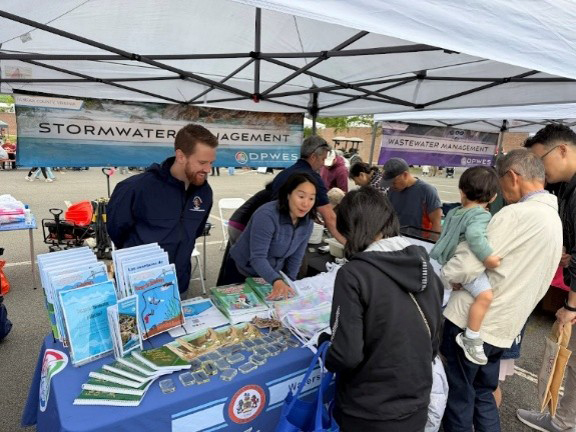
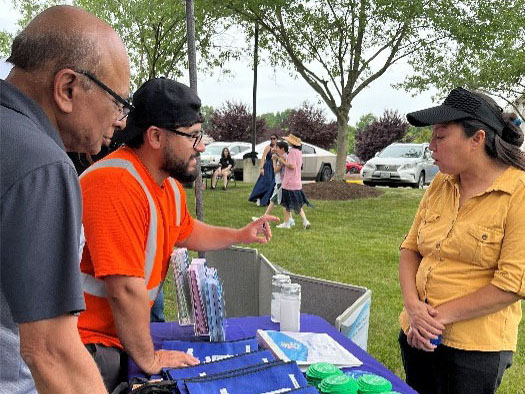
DPWES reaches residents of all ages by participating in local community events like Earth Day Fairfax, Arbor Day, and Wetlands Awareness Day. Additionally, the county manages public education campaigns, videos, social media, presentations, public meetings, Fairfax County Government Channel 16, and the county website to provide additional information available at any time.
Workforce Development
DPWES supports the next generation of environmental professionals by providing internships, educational programming, and workforce development opportunities that connect job seekers with careers that protect and improve the environment.
Local Leadership through Community Partnerships
DPWES works with schools, nonprofit organizations, civic groups, businesses, and residents to expand environmental stewardship and improve the health of Fairfax County's watersheds. These partnerships strengthen local capacity to protect natural resources today and build a more sustainable and resilient community for the future. We work within a network of state and local governments, interstate agencies, academic institutions and nonprofit organizations working to achieve common natural resource preservation and restoration goals, outcomes and targets, providing local government leadership through our actions and outcomes.
Highlights
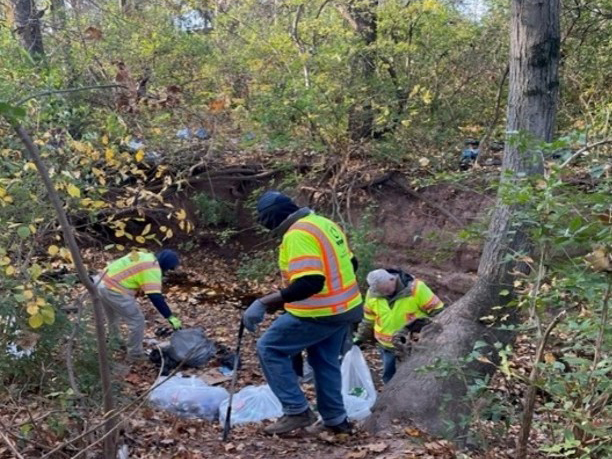
Operation Stream Shield supports the Chesapeake Bay Watershed Agreement's Engaged Communities goal by creating paid work opportunities for people experiencing homelessness while improving streams and public spaces. Through litter removal, invasive plant management, and partnerships with shelters, schools, community organizations, and county agencies, the program strengthens environmental stewardship, builds workforce skills, and improves local waterways while advancing Resilient Fairfax by supporting healthy communities, strengthening local partnerships, and helping maintain resilient stormwater infrastructure.
Explore Operation Stream Shield: view program operations on an interactive map and browse the Program Summary Web Experience.