Public Works and Environmental Services Alert:
Call the 24-hour Customer Communications Center (CCC): 703-323-1211 | TTY 711.
Check your insurance policy to determine if damages related to sewage backups or water damages are covered. This type of coverage may be an optional coverage and can generally be added to a policy if requested. The cost for this optional coverage is inexpensive, and it is advised that property owners with below grade fixtures investigate this coverage.
At the first sign of malfunctioning or damaged sewer lines, call the 24-Hour Customer Communications Center (CCC) at 703-323-1211 | TTY 711. A Trouble Response inspector from the Wastewater Collection Division will inspect the county sewer.
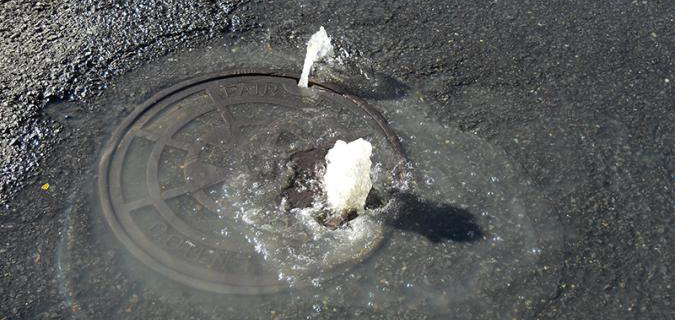
Report a sanitary sewer overflow – raw untreated sewage that discharges from the sanitary sewer system – to the 24-hour Customer Communications Center (CCC) at 703-323-1211 | TTY 711. Avoid contact with overflow discharges, and make sure that people are kept away from the area of overflow, especially children.
Overflows pose a substantial health risk as raw sewage can carry bacteria, viruses, molds and fungi. Sanitary sewer overflows can also cause poor water quality in lakes, rivers, streams, and pollute groundwater, and they can cause economic damage by hurting water-dependent businesses such as fishing and tourism.
Typical signs of an overflow include:
Contact the 24-hour Customer Communications Center (CCC) at 703-323-1211 | TTY 711, immediately.
To prevent odors:
A cave-in or sinkhole is a depression in the roadway which may be above a county sanitary sewer line. Report cave-ins/sinkholes to the 24-hour Customer Communications Center (CCC) at 703-323-1211 | TTY 711.
Miss Utility of Virginia® is the free “one call” Virginia information exchange center for excavators, contractors, and property owners planning any kind of excavation or digging. The Miss Utility center notifies participating utilities of the upcoming excavation work so they can locate and mark their underground facilities in advance to prevent possible damage to underground utility lines, injury, property damage, and service outages.
The Wastewater Collection Division’s Miss Utility section is responsible for locating and marking Fairfax County-owned and operated sanitary sewer-main lines in accordance with the Virginia Underground Utility Damage Prevention Act. The staff reviews, researches and processes over 180,000 locate requests annually. Please note, the Wastewater Collection Division is responsible for marking Fairfax County sanitary sewer-main lines and has no responsibility for marking storm sewer lines.
Fairfax County does not locate and/or mark private sanitary sewer laterals that extend from the building to the Fairfax County sanitary sewer-main line. Please refer to Fairfax County Public Facilities Manual, Chapter 10-0104.5A (7), Sewage and Solid Waste Disposal; and Fairfax County Code, Section 65-6-5, Ownership of Building Sewer, for further details.
Call Miss Utility at 1-800-552-7001 or 811, TTY 711, or visit the Miss Utility® website for more information.
Contact 24-hour Customer Communications Center (CCC) at 703-323-1211 | TTY 711, if you experience a problem with a grinder pump.
Low pressure sewer systems use grinder pumps to grind the sewage from your home (much like a garbage disposal in your kitchen) and pump the sewage through small pipes to the Wastewater Collection System. Low pressure systems are sometimes used in areas which cannot be served by gravity pipes.
The grinder pump can handle any wastewater that is normally discharged to the sewer from the kitchen, bathroom or laundry. Some chemicals and materials may cause operating problems or safety hazards.
Never put any of the following materials into sinks, toilets or drains:
These materials can damage the grinder pump, cause blockages or may create hazardous conditions in your home.
For more information, visit Grinder and Ejector Pumps

GET HELP NOW!
24-Hour Customer Communications Center (CCC): 703-323-1211 | TTY 711
Sanitary Sewer:
Know the ins and outs of disposing of household wastewater from kitchens, laundry rooms and bathrooms as well as recreational vehicles. Find best practices for maintaining property systems and being good stewards of clean water.

* some exclusions apply, contact your insurer for details.
Did you know that property owners are responsible for maintaining and fixing their sanitary sewer lateral? This pipe runs from the building to its connection at the public sewer main. Property owners are responsible for the entire lateral. This includes any parts that run through public easements or under public roadways. Fairfax County code states that sanitary sewer laterals are privately owned and maintained utilities. (Chapter 65-6-5)
Routine maintenance is important. Recurring clogs, sewer odors, or basement backups may be a sign of a failing lateral. Homeowners who want to check their lateral’s condition can hire a licensed contractor to perform a video inspection or evaluation.
Sewer lateral repairs require a Fairfax County plumbing permit. A VDOT permit is also required when work occurs within the public right of way, such as beneath state maintained roads.
Because repairs—especially those that require digging—can be costly, homeowners may want to consider optional, additional insurance. Water backup coverage helps with interior damage. Service line coverage can reduce the repair or replacement costs of the lateral itself, but standard homeowners’ insurance does not cover this.
Residents can explore the following online tools to see whether their sewer lateral may lie within a VDOT right of way:
Property owners with questions can also reach out to Fairfax County Wastewater Management at 703-324-5015 for more information.
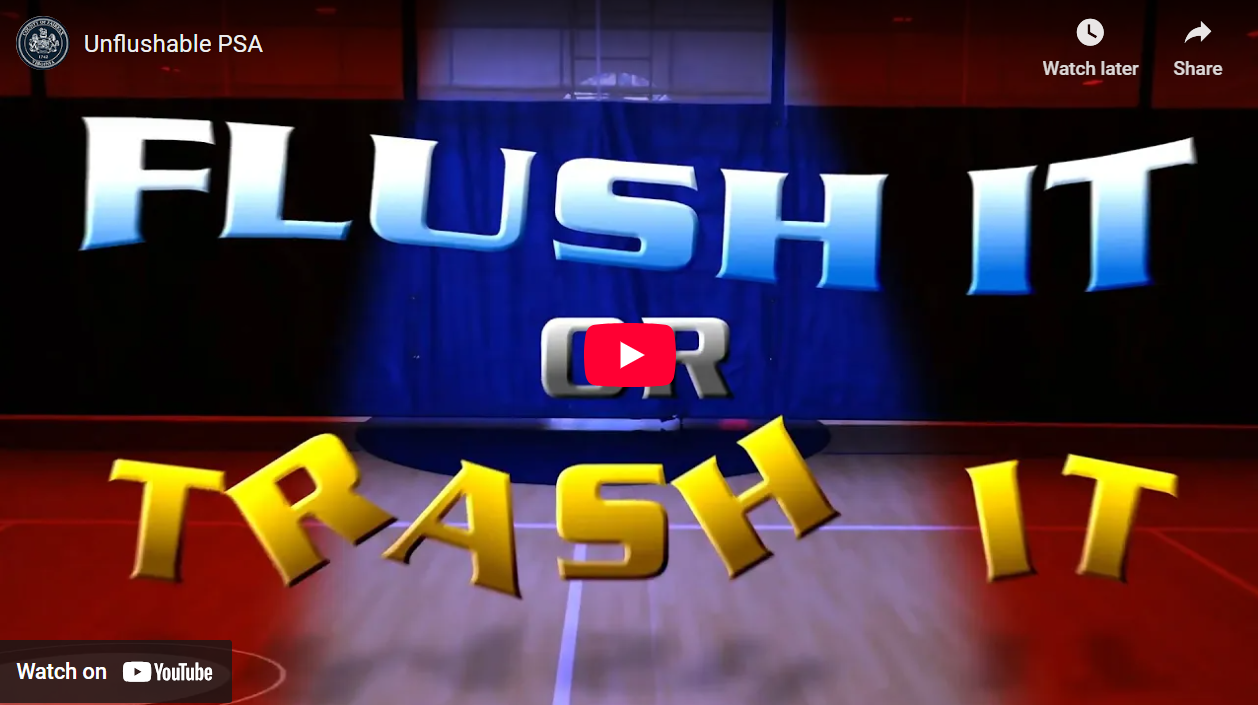
Sanitary (wastewater) and stormwater sewers are not the same in Fairfax County. View a diagram of proper and improper connections to the sanitary system and where private ownership responsibilities begin and end.
The Health Department administers state and local regulations for sewage disposal systems and private well water supplies Onsite Sewage Disposal and Private Well Water System
Find information on hauling wastewater from septic systems, portable toilets or recreational vehicles.
Wastewater Collection Division (WCD) performs a variety of tasks to maintain, rehabilitate and operate the County’s sanitary sewer system. As a County resident, you may see WCD vehicles in your neighborhood performing inspections, cleaning and removing debris or making repairs and rehabilitating the sewer system to mitigate backups, overflows and odors.