Fairfax County, Virginia
Fairfax County Virginia

FFX Global Navigation

    • About Us
      • About Us
      • Request a Speaker
    • Our Work
      • Climate Plans, Policies, and Initiatives
      • Buildings and Energy
      • Sustainable Transportation
      • Natural Resources
      • Waste
      • Resources for Residents
      • Resources for Businesses
      • Resources for Organizations
    • Sustain Fairfax
    • Sustain Fairfax Challenge
    • Our Programs
      • AC Rescue
      • Charge Up Fairfax
      • Energy Conservation Assistance Program
      • Fairfax Energy Compass
      • Green Business Partners Program
    • Latest News and Events
      • OEEC News and Events
      • Newsletters
      • Climate Matters Blog
    • Track Our Progress
      • Climate Action Dashboard
      • County Government Energy Data
  • Residents
    • Animals & Pets
      • Adoptions
      • Animal Control & Regulations
      • Guide to Dogs
      • Lost & Found Pets
      • Shelter Support & Supplies
      • Wildlife
      • More
      Courts & Legal
      • Case Information
      • Circuit Court Docket
      • Jury Duty
      • Land Records
      • Magistrate
      • Public Law Library
      • Self-Help Resources
      • Traffic Court
      • Vital Records
      • More
      Environment & Energy
      • Invasive Species
      • Litter
      • Recycle, Trash & Compost
      • Sustain Fairfax
      • Trees
      • Watersheds
      • More
      Health & Human Services
      • Basic Needs & Assistance
      • Disability Services
      • Diseases & Conditions
      • Domestic & Sexual Violence
      • Health Clinics
      • Mental Health
      • Opioids
      • More
      Individuals & Families
      • Children & Youth
      • Federal Workforce
      • Immigrants
      • Military & Veterans
      • New Residents
      • Older Adults
      • Parents
      • People with Disabilities
      • Volunteers
      • More
      Land Use & Planning
      • Comprehensive Plan
      • County Capital Projects
      • Land Records
      • Parks Planning
      • Planning Projects
      • Research Tools
      • Transportation Projects
      • Urban Centers
      • More
      Library & Education
      • Adult Education
      • Early Childhood Programs
      • Library Branches
      • Library Catalog Search
      • Public Schools
      • More
      Parks & Recreation
      • Arts
      • Athletic Fields
      • Camps
      • Community Centers
      • Parktakes Classes
      • Rec Centers
      • Senior Centers
      • Teen Centers
      • Trails
      • More
      Permits & Licenses
      • Birth & Death Certificates
      • Building
      • Child Care
      • Dogs
      • Health
      • Marriage
      • Park Use
      • Solicitors
      • More
      Property & Housing
      • Affordable Housing
      • Code & Zoning
      • Neighborhoods
      • Real Estate Values
      • Recycling & Trash
      • Tenant Landlord Issues
      • Utilities
      • More
      Public Safety & Emergencies
      • 9-1-1
      • Emergency Preparedness
      • Fire & Rescue
      • Gun Violence Prevention
      • Police
      • Scams
      • Sheriff
      • Storm Center
      • More
      Roads & Commuting
      • Bike & Walk
      • Connector Bus
      • Metrobus & Metrorail
      • Park & Ride
      • Pedestrian Safety
      • Road Maintenance/VDOT
      • Street Parking
      • Toll Roads
      • Transportation Projects
      • More
      Taxes & Fees
      • Car Taxes
      • Park Fees
      • Real Estate Taxes
      • Tax Relief
      • Trash Disposal Fees
      • More
      Voting & Elections
      • Absentee Voting
      • Early Voting
      • Election Results
      • Polling Places
      • Voter Registration
      • More
      Weather & Climate
      • Air Quality
      • Climate Action Dashboard
      • Extreme Heat
      • Floods
      • Ready Fairfax
      • Resilient Fairfax
      • Snow
      • Tornadoes
      • More
  • Business
    • Business & Construction
      • Building Permits
      • Code & Zoning
      • Land Use
      • More
      Business Services
      • Business Emergency Preparedness
      • Business Taxes
      • Consumer Services
      • Employer Transportation Service
      • Green Business Partners Program
      • Home-Based Business
      • Regulation & Licensing
      • Small Business
      • Starting a Business
      • Workplace Issues
      • More
      Doing Business with Fairfax
      • Contracting and Procurement
      • Current Solicitations
      • Permits
      • Vendor Pitch Portal
      • More
  • Government
    • About
      • Codes & Standards
      • Countywide Strategic Plan
      • Facilities & Locations
      • History of Fairfax County
      • Operating Status
      • More
      Board of Supervisors
      • Auditor
      • Board Members
      • Boards, Authorities & Commissions
      • Clerk Services
      • Committees
      • Meetings & Agendas
      • More
      Budget & Finance
      • Bonds
      • Budget
      • Financial Transparency
      • Unclaimed Money
      • More
      Departments & Agencies
      Jobs & Employment
      • Full-Time Openings
      • Internships
      • Seasonal & Non-Merit
      Maps & Data
      • Countywide Data Analytics
      • Demographics
      • Geographic Information Systems
      • Interactive Data Tools
      • More
      One Fairfax
      • Digital Equity
      • Inclusive Engagement
      • Trust Policy
  • Fairfax County Virginia
  • Services
    • Find
      • Animal Services
      • Health Clinics
      • Jobs
      • Library Resources
      • Lost or Found Pet
      • Mental Health Support
      • Park Classes
      • Real Estate Values
      • Recycling & Trash
      • Volunteer Opportunities
      • More
      Pay
      • Business Taxes
      • Car Taxes
      • Dog Licenses
      • Driving & Parking Fines
      • False Alarm Fees
      • Real Estate/Property Taxes
      • SACC Payments
      • More
      Register/Apply
      • Basic Needs & Assistance
      • Building Inspections
      • Car Registration
      • Fairfax Alerts
      • Permits & Licenses
      • Tax Relief
      • Vote
      • More
      Report
      • Animal Control Issues
      • Consumer Complaints
      • Crime
      • Domestic Violence
      • Financial Crimes
      • Neighborhood Complaints
      • Road Issues to VDOT
      • Street Light Outages
      • More
  • Connect
    • Alerts, Emails & Apps
      • Email Subscriptions
      • Fairfax Alerts
      • Mobile App
      • More
      Community Engagement
      • Surveys & Projects
      Contact
      • Directory
      • Hotlines & Emergency Numbers
      • VDOT
      • VFOIA Requests
      • More
      News & Events
      • Daily Headlines
      • Emergency Information Blog
      • Events Calendar
      • NewsCenter
      • NotiCentro (Spanish)
      • Public Meetings Calendar
      • More
      Social Media
      • Comments Policy
      • Directory of Accounts
      • More
      TV, Video & Podcasts
      • Channel 16
      • Podcasts & Radio
      • YouTube
      • More
  • TRANSLATE
    • Language Selection

      To change the language of this website, click the drop-down list and select the desired language. The Fairfax County Web site is being translated through "machine translation" powered by Google Translate. Disclaimer

Office of Environmental and Energy Coordination

  1. Home
  2. Office of Environmental and Energy Coordination
  3. Operational Energy Strategy

Alert:

CONTACT INFORMATION: Our office is open to visitors by appointment only. Please call or email from 8:00 a.m. - 4:30 p.m., Monday through Friday.
703-324-7136 TTY 711
oeecinfo@fairfaxcounty.gov
12000 Government Center Pkwy, Suite 533
Fairfax, VA 22035
fairfaxcountyclimate
Robert Sandoli
Director

Department Resources

  • About Us
    • About Us
    • Request a Speaker
  • Our Work
    • Climate Plans, Policies, and Initiatives
    • Buildings and Energy
    • Sustainable Transportation
    • Natural Resources
    • Waste
    • Resources for Residents
    • Resources for Businesses
    • Resources for Organizations
  • Sustain Fairfax
  • Sustain Fairfax Challenge
  • Our Programs
    • AC Rescue
    • Charge Up Fairfax
    • Energy Conservation Assistance Program
    • Fairfax Energy Compass
    • Green Business Partners Program
  • Latest News and Events
    • OEEC News and Events
    • Newsletters
    • Climate Matters Blog
  • Track Our Progress
    • Climate Action Dashboard
    • County Government Energy Data

Related Resources

  • Environmental Quality Advisory Council
  • Recycling and Trash
  • Stormwater
  • Wastewater
  • Trees
  • Forest Conservation
  • Noise
  • Environmental Health
  • Electric-Powered Lawn Equipment
  • Light Pollution and Dark Skies

STAY CONNECTED

To sign up for updates or to access your subscriber preferences, please enter your contact information below.

  • facebook
  • youtube
  • linkedin

Operational Energy Strategy

Fairfax County's commitment to addressing the causes of climate change is demonstrated by policies, programs and projects that lower greenhouse gas emissions (GHGs) associated with its operations. These efforts include reducing electricity and natural gas used in county buildings and operations and reducing fuel consumption in county fleet vehicles and buses. Decreasing overall energy use not only provides wide-ranging environmental benefits, it also results in fiscal benefits to the county and its residents through lower utility and fuel costs.

Read the Operational Energy Strategy

The Operational Energy Strategy promotes cost-effective solutions and an energy-conscious culture for county government agencies and employees. The resulting reductions in energy use will help mitigate escalating energy costs and promote a more sustainable future for Fairfax County. 

View the OES

BACKGROUND

On July 13, 2021, the Board of Supervisors adopted a new greenhouse gas emissions reduction goal through the Carbon Neutral Counties Declaration. Led by Fairfax County, Carbon Neutral Counties provides a mechanism for counties across the country to commit to operational emissions reductions. By signing the declaration, Fairfax County pledges to be energy carbon neutral by 2040, work with state and federal partners to advance this goal, and ensure it is implemented equitably.

Meeting this carbon neutral goal will require significant and sustained effort across all facets of county operations. As such, on July 13, 2021, the Board also adopted an update to the Fairfax County Operational Energy Strategy (OES).

The updated Operational Energy Strategy builds on the original OES, adopted in 2018, and is intended to advance the objectives of the Board’s Environmental Vision through the setting of goals, targets and actions across major focus areas as outlined below.

OES FOCUS AREAS

Reaching the goal of energy carbon neutrality by 2040 will require a sustained, multi-pronged effort to reduce fossil fuel use in county facilities and operations, thereby reducing the greenhouse gases recognized to drive global warming. OES is primarily focused on addressing carbon dioxide (CO2), methane and nitrous oxide. 

The county’s actions include emphasizing energy efficiency and conservation, deploying renewable energy and alternative technologies, electrifying the vehicle fleet, and continuing to encourage and empower behavior change for waste reduction.

OEEC is collecting and managing data on greenhouse gas emissions from across the county enterprise to measure progress toward the carbon neutrality goal.

Visit the Reducing Greenhouse Gases webpage to learn more and track the county's progress.

View the County Government Energy Data webpage for data on GHG emissions from building energy use.

To reduce overall emissions and energy costs, Fairfax County is making energy efficiency an integral part of facility management, capital improvement and renovation projects including the pursuit of deep energy reduction retrofits. 

Where whole-building approaches to deep energy retrofits are not feasible, the county will implement cost-effective energy efficiency projects on existing building systems, such as replacing heating, ventilation, and cooling (HVAC) equipment with high-efficiency systems, improving insulation, or replacing outdated lighting fixtures with LED lighting.

Visit the Energy Use and Efficiency page to learn more and see a list of energy performance projects.

View the County Government Energy Data webpage for data on county energy use.

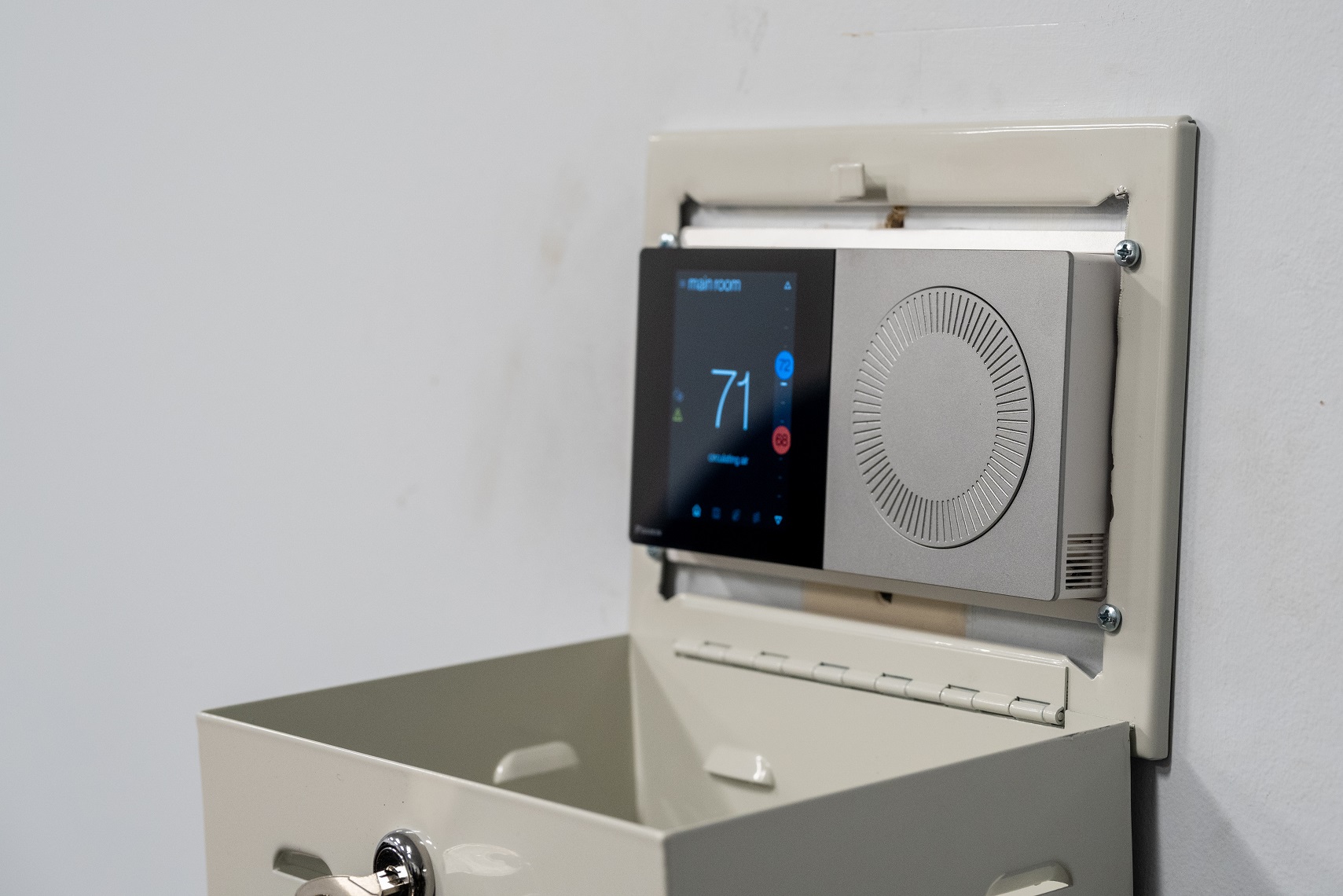
A smart thermostat on wall showing current temperature
A smart thermostat helps improve building performance at the FCRHA building in Fair Oaks.

Since water treatment and distribution are energy intensive activities, measures that reduce water and sewer use in county operations are especially important to lowering greenhouse gas emissions.

The county’s actions include monitoring water-using equipment, auditing and assessing buildings for water efficiency opportunities, implementing cost-effective water-efficiency solutions such as leak detection sensors, and evaluating new technologies.

View the Water Use and Efficiency page for more information and to see a list of water efficiency projects.

The county sets a net-zero energy standard for new construction and major renovation. It also requires projects to meet the U.S. Green Building Council’s Leadership in Energy and Environmental Design® (LEED) rating system.

Net-zero energy (NZE) structures incorporate the best practice in energy-efficient design. In addition, the county is emphasizing all-electric equipment for new construction and major renovations. Avoiding direct use of fossil fuels allows the county to further reduce greenhouse gas emissions while maximizing use of on-site renewable electricity from solar photovoltaics.

Visit the Green Building page for more information and to see a list of LEED certified buildings.
 

The county is committed to the use of renewable energy for a substantial portion of its electricity use. This includes deploying rooftop solar photovoltaic systems at county buildings and facilities and procuring clean energy from other locations to offset energy use where on-site renewable energy systems are not feasible or affordable.

Visit the Renewable Energy page to learn more about solar and geothermal installations at county facilities.

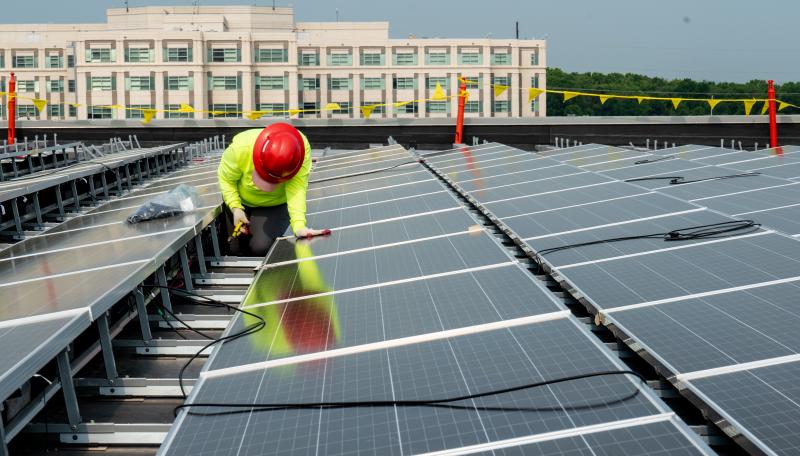
Solar panels being installed at Sully Community Center
Solar panels being installed at Sully Community Center.

Transitioning the county’s vehicle fleet from gasoline and diesel-powered vehicles to hybrid-electric and fully electric vehicles (EVs) will help reduce the county’s use of petroleum-based fuels. To support fleet electrification, the county is also installing the necessary charging infrastructure and reserving parking for both hybrids and EVs at county government buildings.

OEEC coordinates among agencies to electrify the county fleet of vehicles to the extent possible and to ensure the necessary charging infrastructure is provided at new and renovated facilities where fleet and/or public vehicle EV charging is appropriate and desirable.

Visit the Fleet Electrification page to learn more.

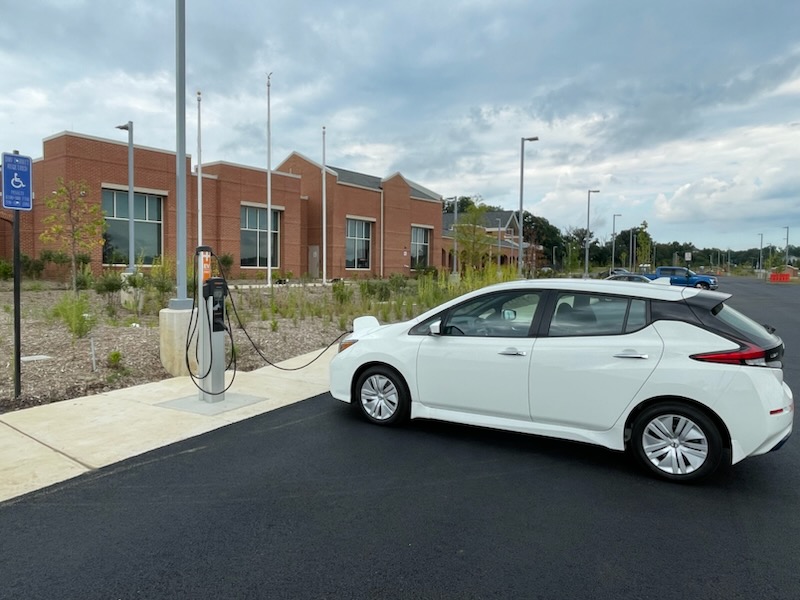
Electric vehicle charging at Lorton District Police Station

Fairfax County is committed to responsible, sustainable purchasing that supports environmental goals, climate action, and racial and social equity. The county is developing and implementing policies that factor in supply chain emissions, prioritize environmentally preferable products (including those made from recycled materials), and continually improve Supply Chain Corporate Social Responsibility (CSR) performance.

Visit the Goods and Services page for more information. 

Fairfax County has created a plan for county government and schools to achieve Zero Waste by 2030. Reaching the Zero Waste goal will require concerted efforts across county operations, including fostering a culture of sustainability, phasing out single-use products and packaging, expanding composting operations, and supporting the circular economy by purchasing more durable, reusable and repairable materials.

Learn more about the Zero Waste program.

Fairfax County Zero Waste logo

Fostering a workplace culture of energy efficiency and conservation practices is another way the county can reduce its carbon footprint. The county increases employee awareness of environmental stewardship through education, recognition events and special initiatives.

Fairfax Employees for Environmental Excellence (FEEE) is Fairfax County’s employee green team. They inspire and empower staff to take action to minimize the environmental impact of county operations, particularly in the areas of waste management and recycling, energy efficiency and conservation, and emissions reduction.

Learn more about FEEE on our How to Start a Green Team page. 

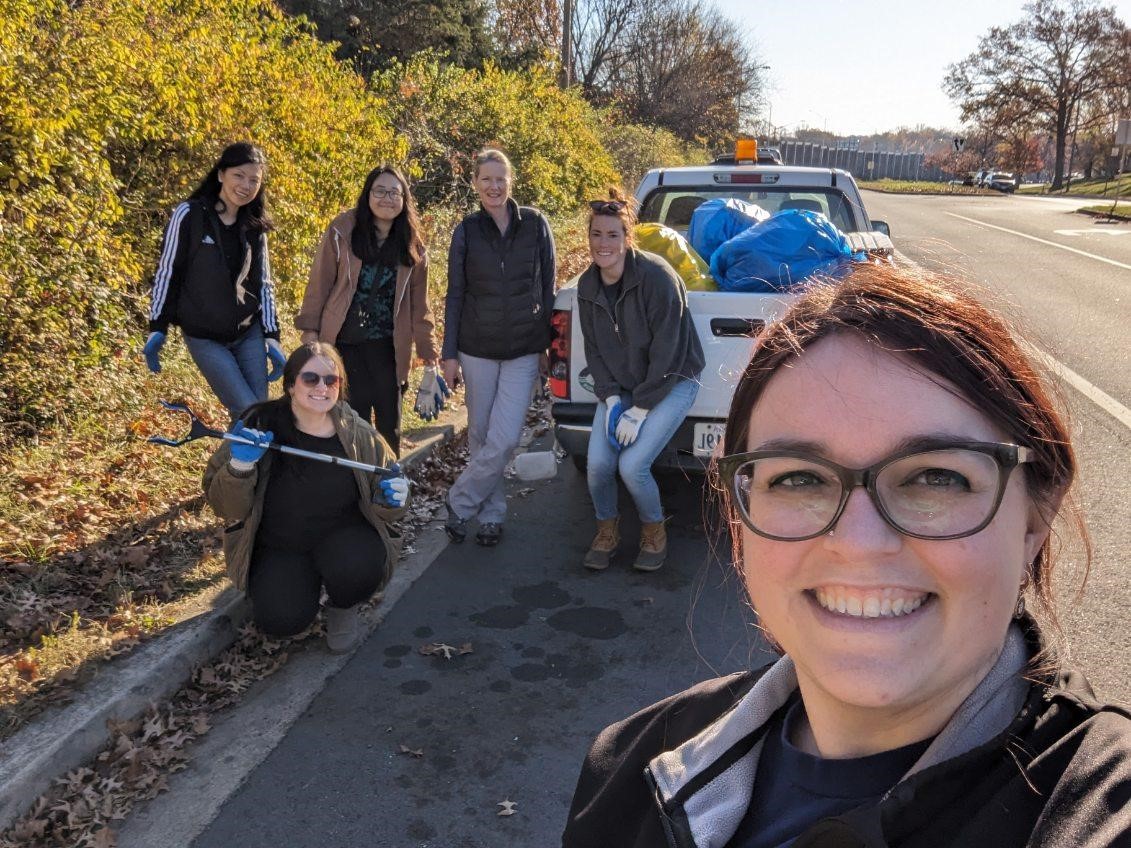
FEEE Members posing in front of trash in back of truck after a successful litter cleanup
FEEE members posing in front of trash in back of truck after a successful litter cleanup

Properly managing the county’s utility services can also help reduce electricity and other energy costs.

OEEC coordinates among agencies to manage electricity use to minimize peak demand charges, select appropriate rate schedules, and periodically review utility bills for cost savings.

View the County Government Energy Data webpage for data on utility costs.

Consistent with the county’s interests in accountability and transparency, the Board of Supervisors and the public are kept informed about progress towards the goals and targets in the Operational Energy Strategy.

While the goals, targets and actions in the OES reflect current conditions, periodic review and update will help ensure that these elements of the Energy Strategy remain meaningful.

  • Operational Energy Strategy Implementation Update (02/24/2026)
  • Operational Energy Strategy Implementation Update (02/25/2025)
  • Operational Energy Strategy Implementation Update (10/29/2024)

View the Climate Action Dashboard to see the full progress being made on the Operational Energy Strategy.

Operational Energy Strategy in Action

Watch our Operational Energy Strategy in Action video series to see how Fairfax County is working to reduce energy use and greenhouse gas emissions across its facilities, fleet vehicles and operations.

  • OES in Action: Going Solar
  • OES in Action: Electrifying the Fleet
  • OES in Action: Energy Performance Projects
  • OES in Action: Building for a Greener Future
  • OES in Action: Zero Waste 

County Conversation Podcast

Grab your headphones and listen to the County Conversation podcast with Kevin Smith, OEEC’s energy programs manager, to learn more about how the OES is focused on reducing energy use to save money and lower carbon emissions that support a healthier environment. 

Tune In Now

County Government Energy Data

Fairfax County Government maintains more than 500 buildings and 11 million square feet of building space. The County Energy Data Page provides energy use, cost, and emissions data for government buildings and facilities.

View the County Government Energy Data Page

More Resources

  • Climate Plans, Policies and Initiatives
  • Climate Action Dashboard
  • Buildings and Energy
  • Sustainable Transportation
  • Waste
  • Natural Resources
  • Request a Speaker

Recent Interactions

    Ask Fairfax

    Terms & Conditions
    Live chat available Search our site

    Related Resources

    • Environmental Quality Advisory Council
    • Recycling and Trash
    • Stormwater
    • Wastewater
    • Trees
    • Forest Conservation
    • Noise
    • Environmental Health
    • Electric-Powered Lawn Equipment
    • Light Pollution and Dark Skies
    • facebook
    • youtube
    • linkedin

    STAY CONNECTED

    To sign up for updates or to access your subscriber preferences, please enter your contact information below.

    • Translate
    • Awards
    • Site Feedback
    • PRIVACY POLICY & COPYRIGHT
    Main Address

    12000 Government Center Pkwy
    Fairfax, VA 22035

    Phone

    703-324-7329

    TTY 711

    Site Tools
    • Website Accessibility
    • Translate
    • Download Mobile App
    Support
    • ADA Accessibility
    • FOIA Requests
    • Website Administrator
    Additional Resources
    • Fairfax County Public Schools
    • Economic Development Authority
    • Visit Fairfax
    • Council of Governments
    • Commonwealth of Virginia
    • USA.gov
    • Calendar
    • Channel 16
    • Mail
    • Security
    • WIFI
    • Facebook
    • Twitter
    • Instagram
    • YouTube
    • Mobile

    The Official Site of Fairfax County