

Public Works and Environmental Services Alert:
County Collection Customers Annual Fee | The Furnace Road entrance to the I-95 Landfill Complex Permanent Closure on Saturday, October 10, 2026 | Fairfax County Solid Waste Management Program Launches Request for Expressions of Interest to Shape the Future of Waste, Recycling, and Zero Waste Innovation
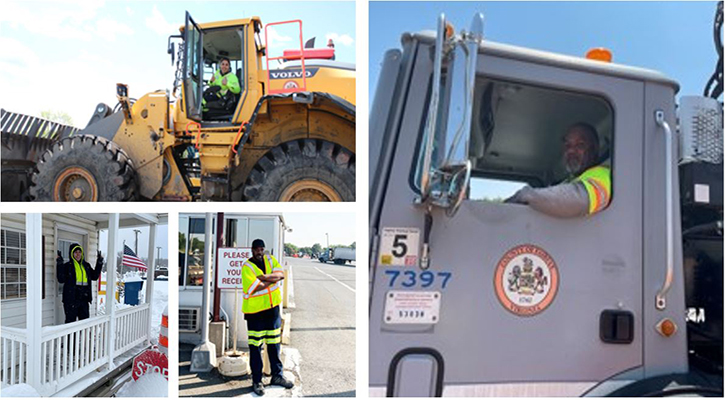
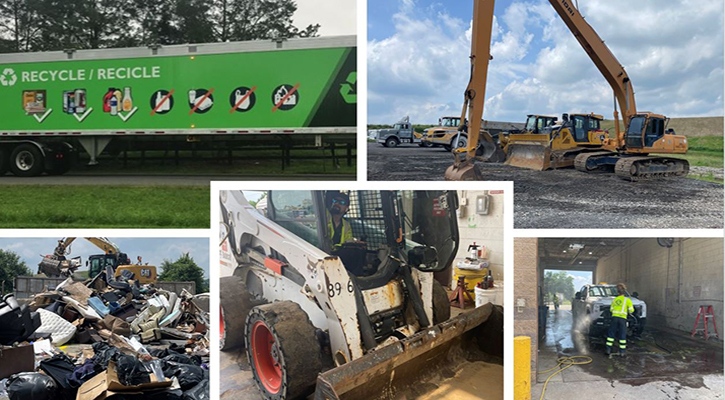
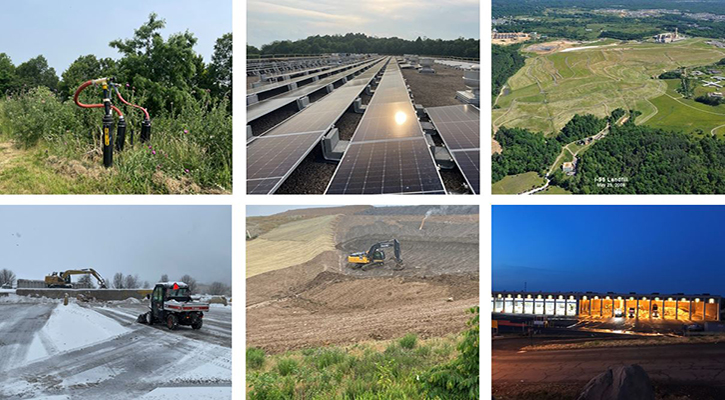
The photos below explain what happens to your trash after it is picked up by your collector.
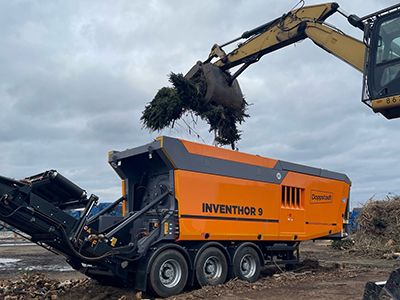
Grind brush and leaves into mulch for reuse. The mulch is offered free to residents.
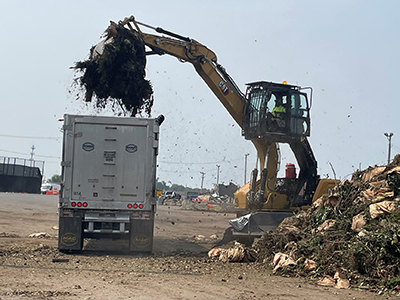
Transport yard waste to regional commercial composting facilities. There, it is processed into compost, mulch, and soil amendments.
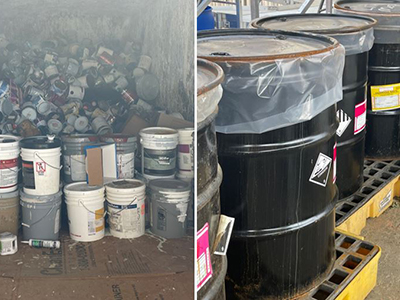
Safely recycle or dispose of common household hazardous waste items. These include pesticides, household cleaners, oil-based paint, batteries, and products containing mercury (thermometers and fluorescent lights).
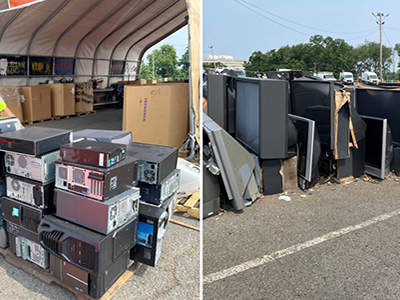
Collect electronics for recycling. These include computers, phones, cameras, televisions, fax machines, portable gaming devices, VCRs, video equipment, audio equipment, stereo equipment, and solar panels.
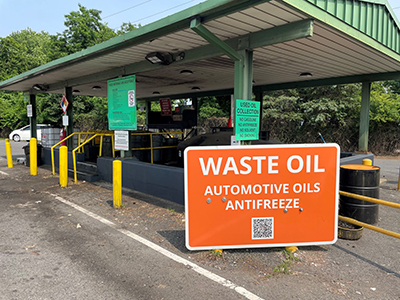
Safely recycle or dispose of waste cooking oil, motor oil, and antifreeze.
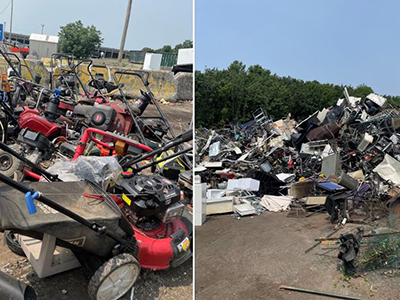
Recycle metal and appliances like refrigerators by safely removing freon.
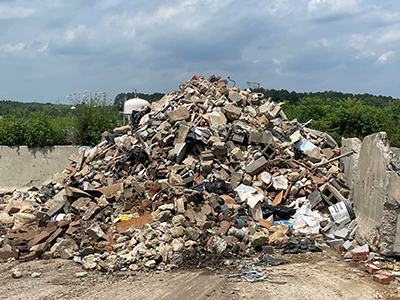
Collect, store, and transfer waste from home renovation projects to King George County, Virginia, to be landfilled.
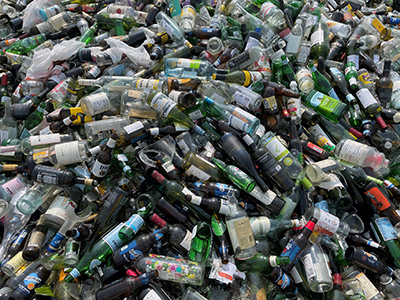
Collect glass deposited in the purple cans so that it can be made into food and beverage containers, fiberglass insulation, and reflective materials.
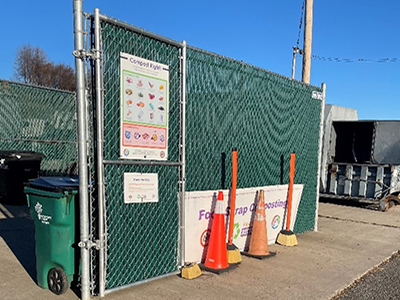
Collect food scraps for a regional commercial composting facility. There it is recycled into compost, mulch, and soil amendments.
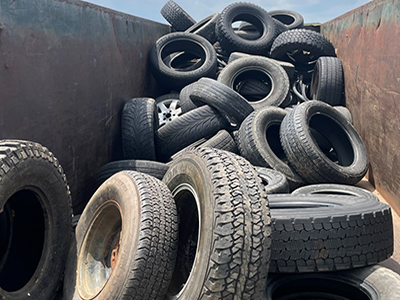
Recycle tires from passenger vehicles and light trucks.
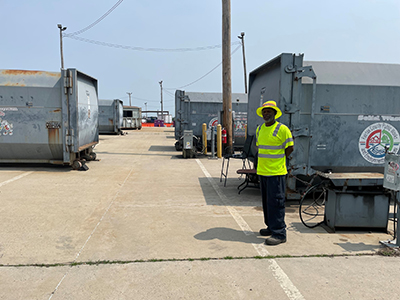
Collect paper, cardboard, plastic, aluminum, steel, and milk and juice cartons for recycling.
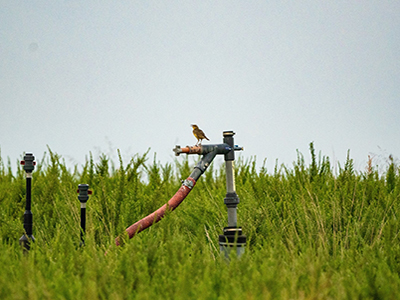
Operate and maintain environmental controls at the closed portions of the I-95 and I-66 Transfer Station landfills, including monitoring over 300 gas extraction wells.