


(Posted 2026 March)
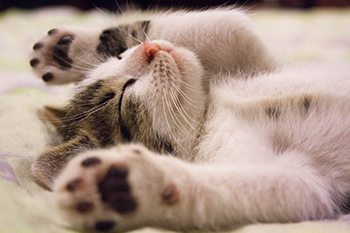
Shelter House’s Pet Foster Program Brings Peace of Mind to Domestic Violence Survivors
If you love animals and are looking for a way to help vulnerable populations, becoming a foster volunteer to help house an animal while their owner is in shelter might be the way to go. Volunteer Voices recently sat down with Chloe White, community engagement manager at Shelter House, to talk with Domestic and Sexual Violence Services’ long-time partner about this unique program. This is an excerpt from that conversation.
Volunteer Voices: Tell us about the Pet Foster Volunteer Program. How did it come about? What made Shelter House decide to do this?
Chloe White: The idea came about at the end of 2024 when one of our former Artemis House directors was looking for options to better support clients that have pets. We looked at forming partnerships with other animal-focused organizations, including Animal Shelter.
The Pet Foster Volunteer Program, done in collaboration with Fairfax County Animal Shelter, serves as a resource for our clients to maintain ownership of their pets while they’re in shelter. Most of our shelter clients can have pets only if they are service animals, maybe emotional support animals. But at the domestic violence shelters that’s not an option. So, they have to find another home themselves, or they may stay in the relationship. This program helps mitigate having clients choose whether they want to be in shelter, [while also helping them] seek support and gain resources.
With this program, hopefully we can find a foster to support a client’s animal while they are in shelter.
How long might someone foster?
We function off a rapid rehousing program. I tell potential fosters that 90 days is where I start, but it could be longer. One client was in shelter for many months, and we were still able to have someone foster their cat the entire time. No matter how long the pet is with a foster family, I ask how the fosters are doing and get updates on the pet. Anything helps. Sometimes the client wants their pet to be with someone they know or somewhere close. We keep looking for that option while fostering their pet. If they find an alternative option to our pet foster program, we can coordinate that placement.
How does the program work? How can someone volunteer to be a foster?
It’s pretty simple. We have a pet volunteer application form with general information about what it means to be a foster, what’s expected, what you’ll be doing, how to sign up. It’s fine if you have other pets. We ask about pet preferences and current family lifestyle. We want to make sure we match you with a pet that’s aligned with your current situation.
Clients tell us some background about their pet, for example, what they’re scared of or how the pet is with kids.
Do you have foster volunteer parents lined up?
The plan is to keep a running base of fosters ready to go at all times. Currently, we have five volunteers in portal. Some are for cats, some are for dogs, some are for both. The program is just for cats and dogs.
So, no snakes or hamsters?
I know people have had very unconventional pets—pigeons and frogs come to mind—but we don’t have the capacity to look for space for pets like that, so we keep it to dogs and cats because that’s the simplest and most common need.
How is this program different from the Animal Shelter’s PetHaven?
PetHaven is a two-week boarding. They get pets updated on vaccines and neuter or spay them. We always hope to find a foster in that two weeks. PetHaven also supplies care packages to fosters with things like treats, food, and bowls to help them care for the animals they house.
Shelter House and Domestic and Sexual Violence Services have been partners for a long time. What’s the best thing about the partnership when it comes to the Pet Foster Program?
They are helping spread the word about the foster program.
What else should our audience know about Pet Foster Program?
We do background checks during the application process to make sure things are safe. Foster volunteers have to return the animals once the Shelter House client is no longer in shelter. We’re always looking forward to reunification of pet and client.
We really appreciate our pet foster volunteers. This program allows us to serve survivors of domestic violence because that’s definitely a gap. Often, people don’t seek support because they don’t want to leave their pets behind. This helps them have the support and resources of somebody taking care of their pet.
For more information about how to become a foster volunteer, contact Chloe White.
This article posting is part of the Domestic and Sexual Violence Services' Volunteer Voices monthly newsletter for current and potential volunteers. If you're not already a volunteer, learn how to get involved. Find out about upcoming trainings, volunteer trainings, happenings around the DSVS office and information about articles, books, media recommendations and more.
Learn more about the Domestic and Sexual Violence Services (DSVS).